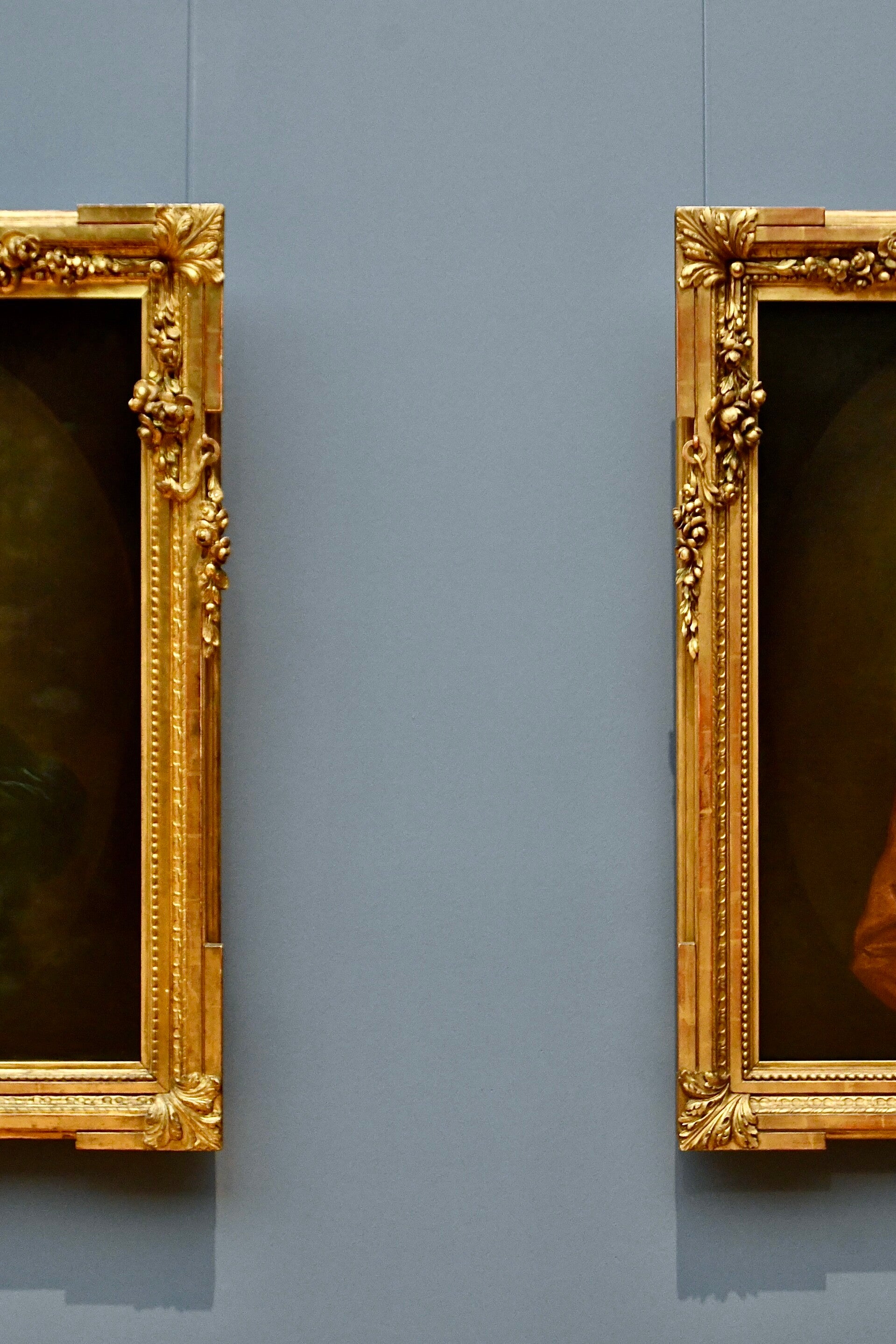
Old Masters
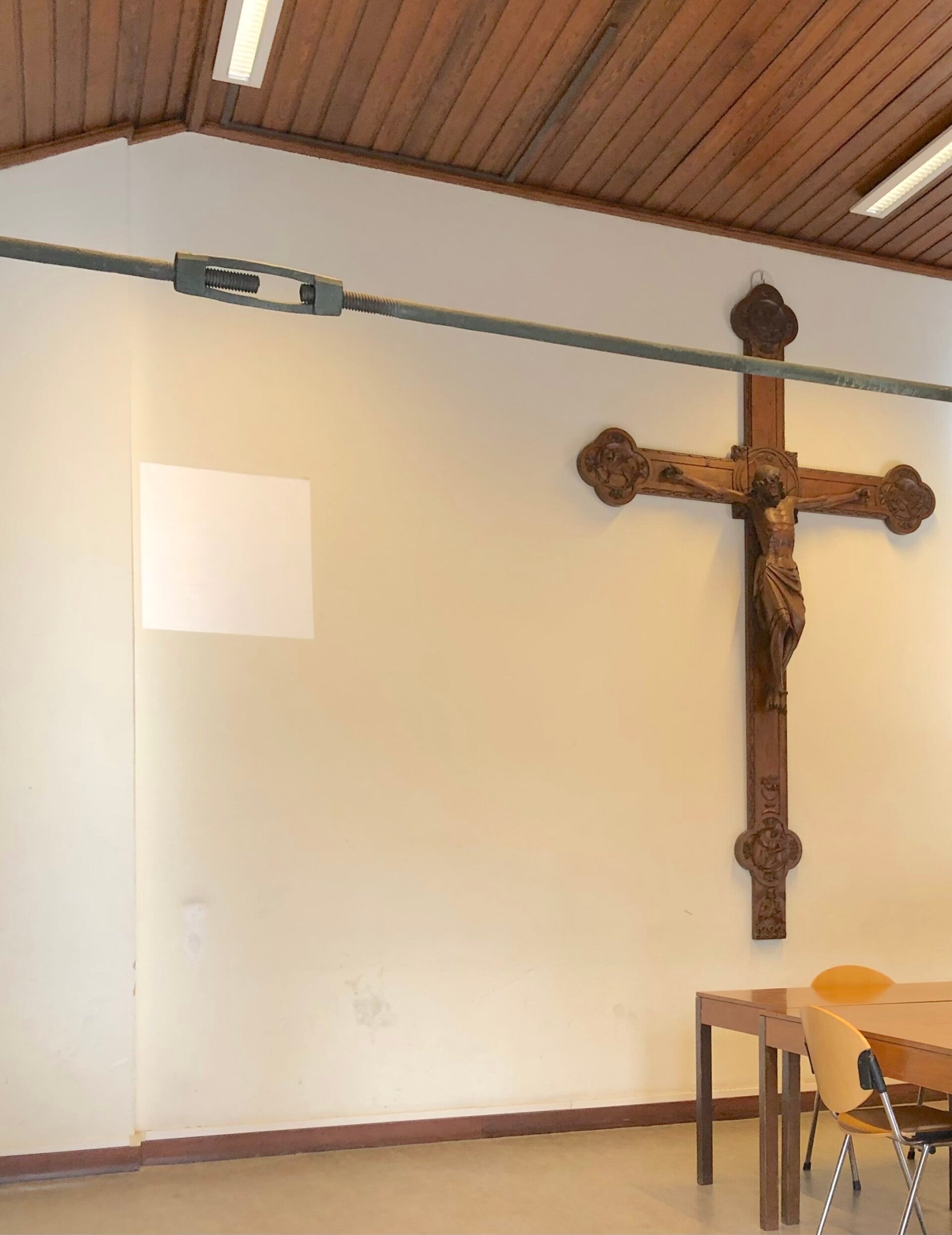
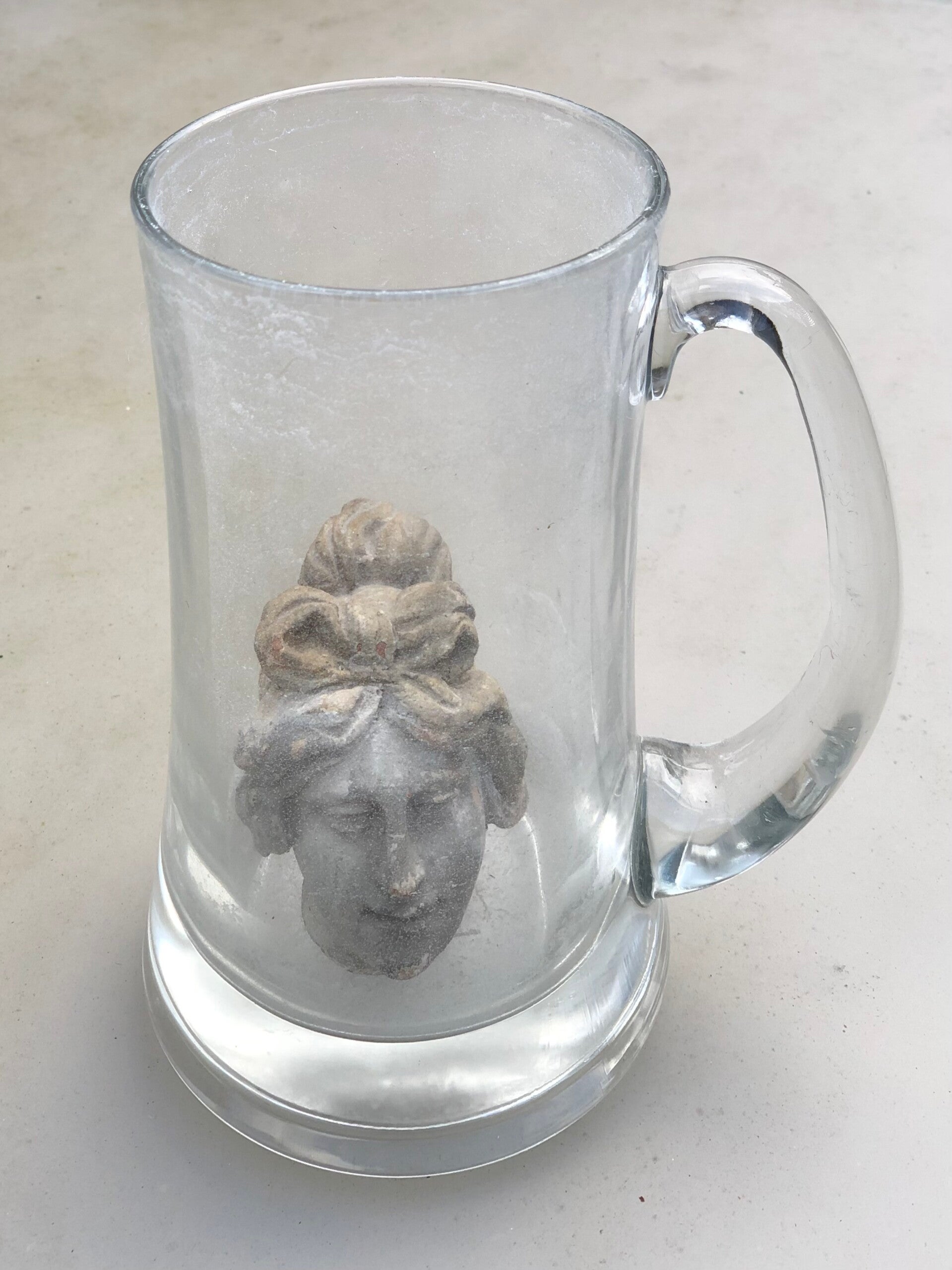
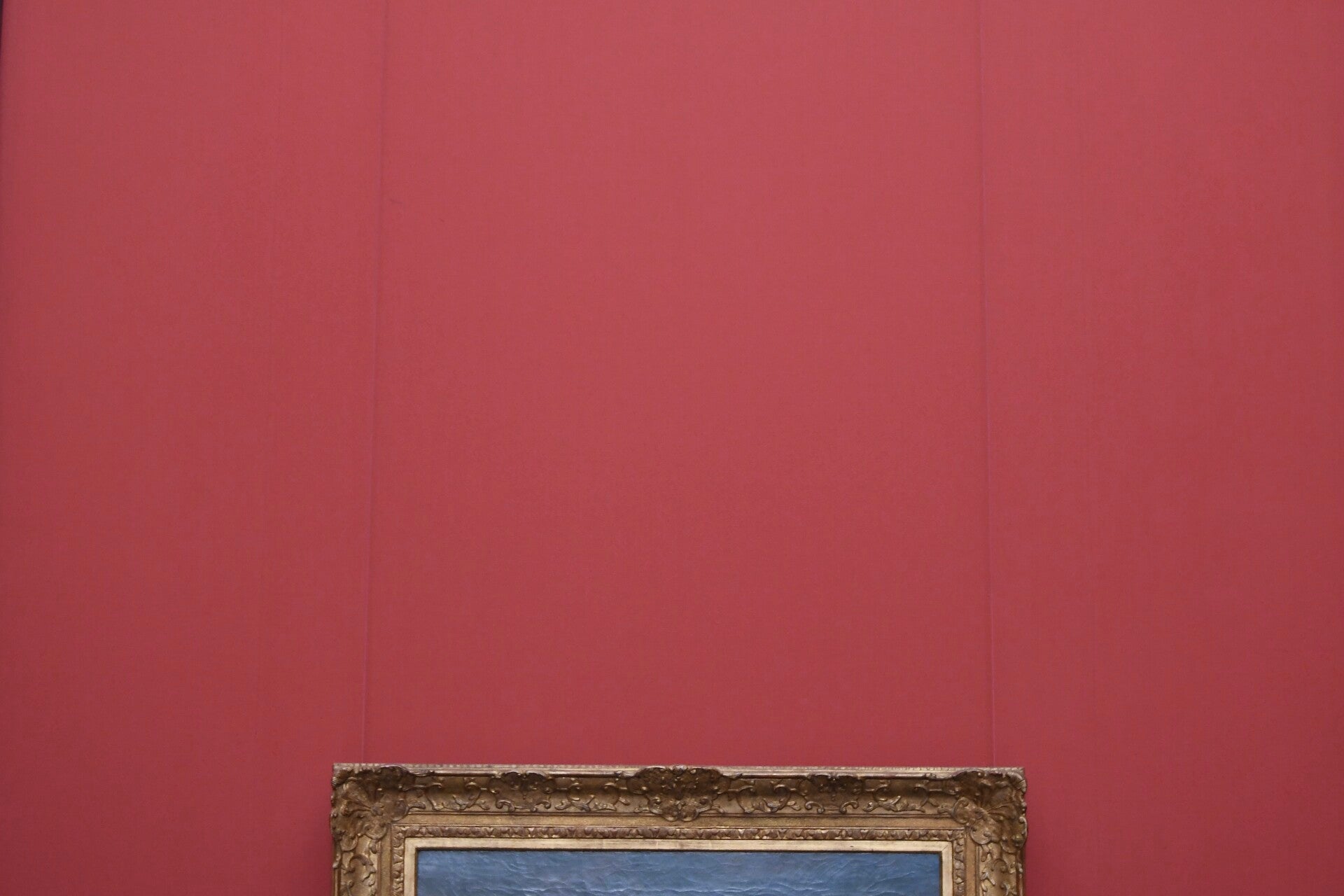
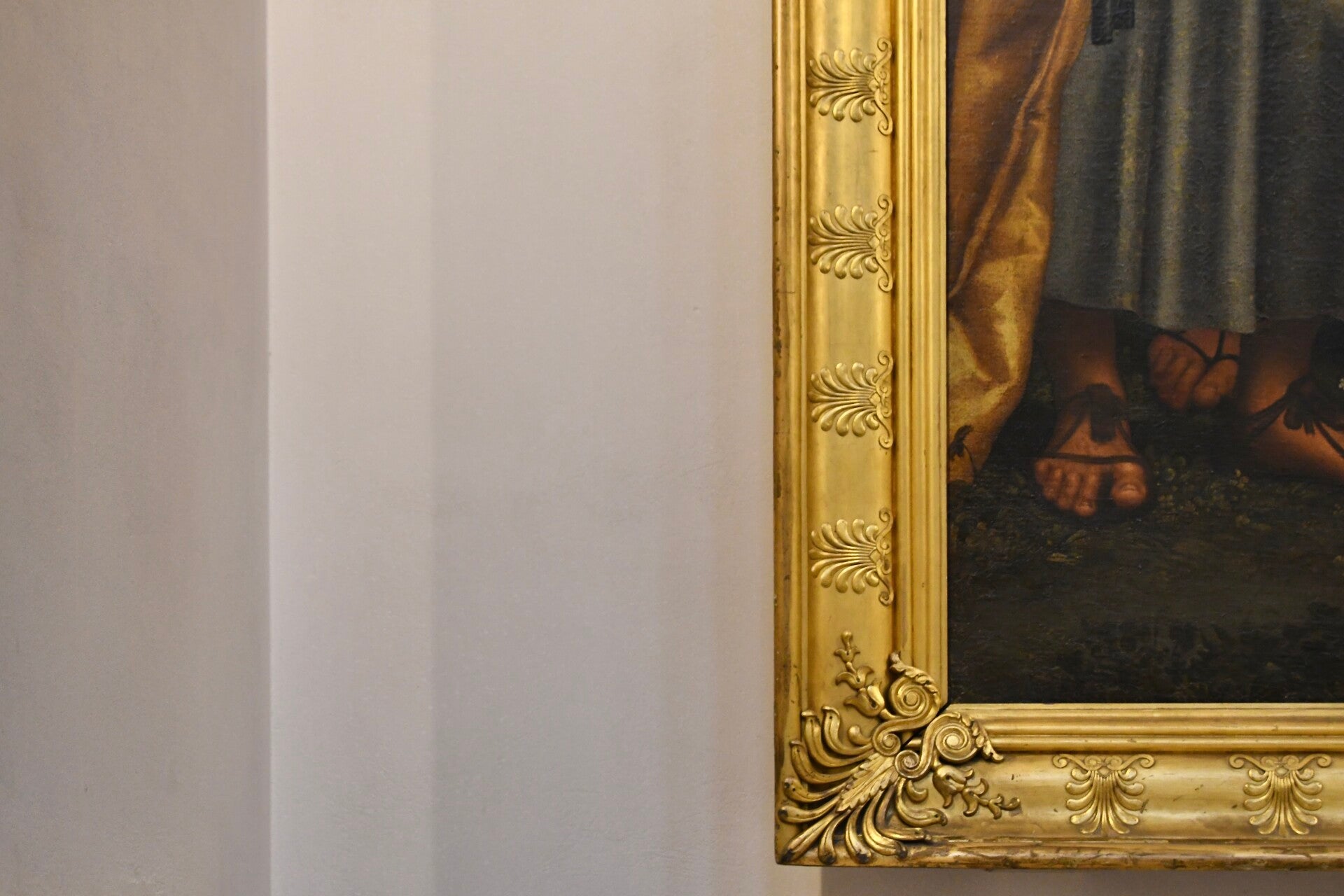
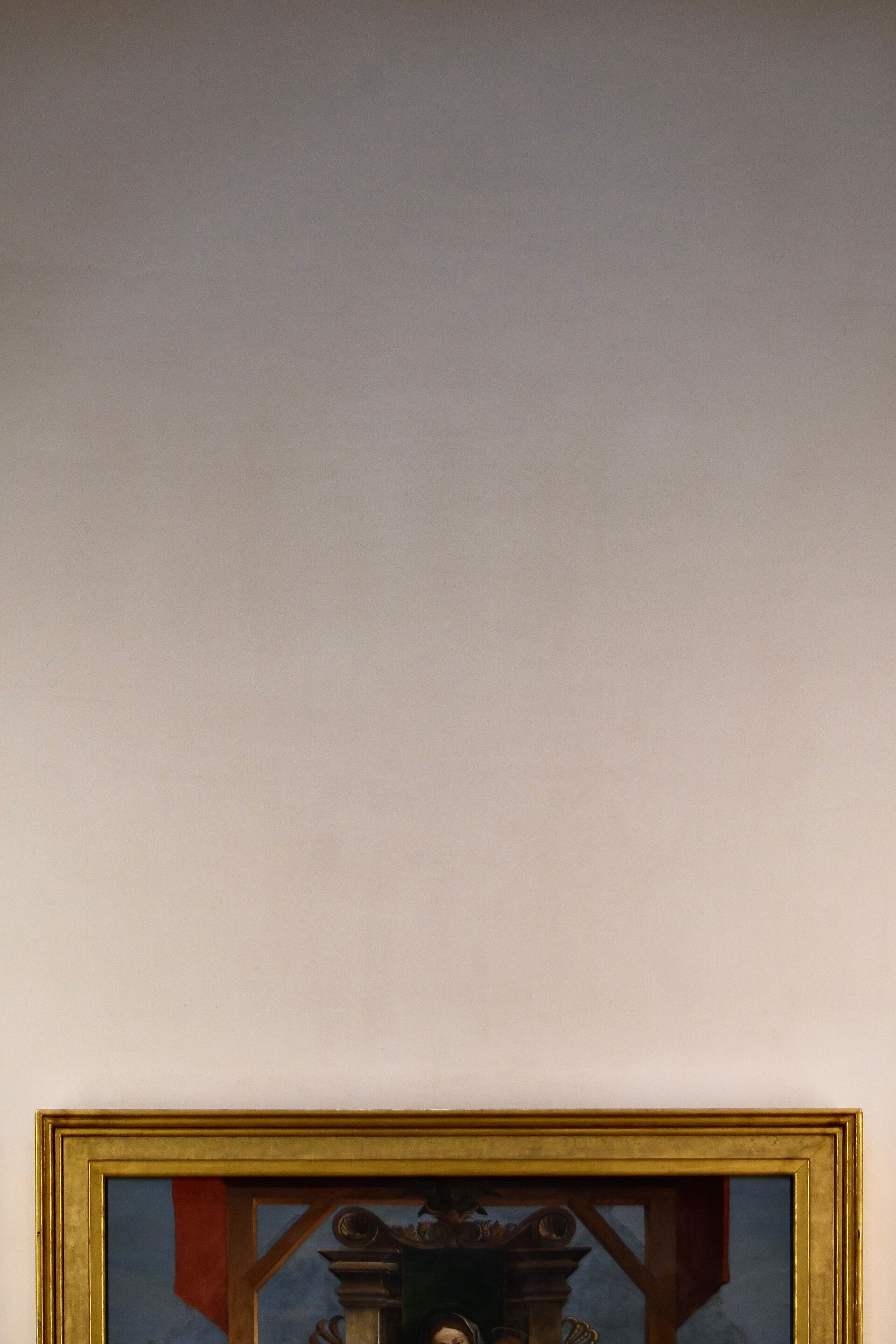
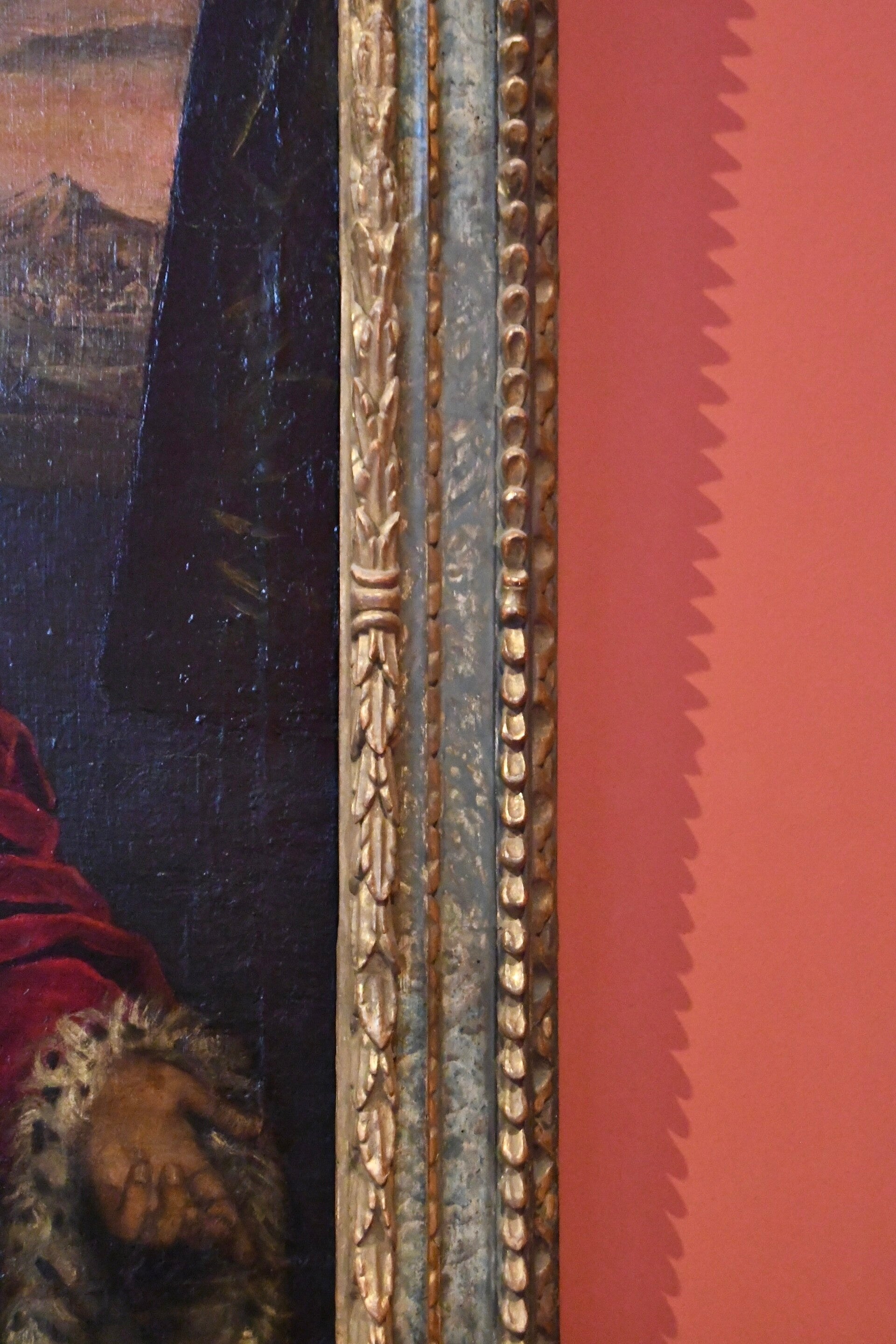
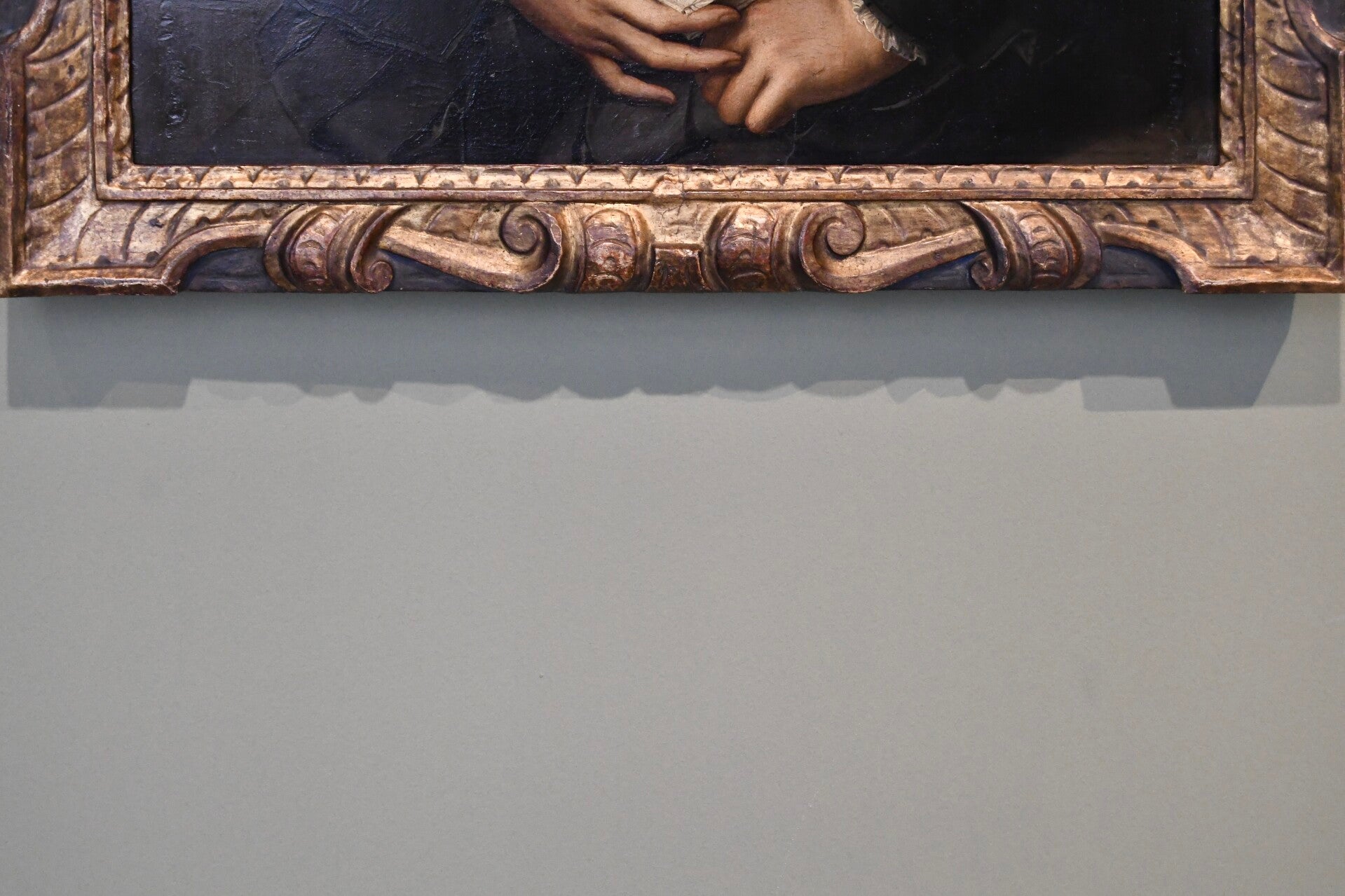
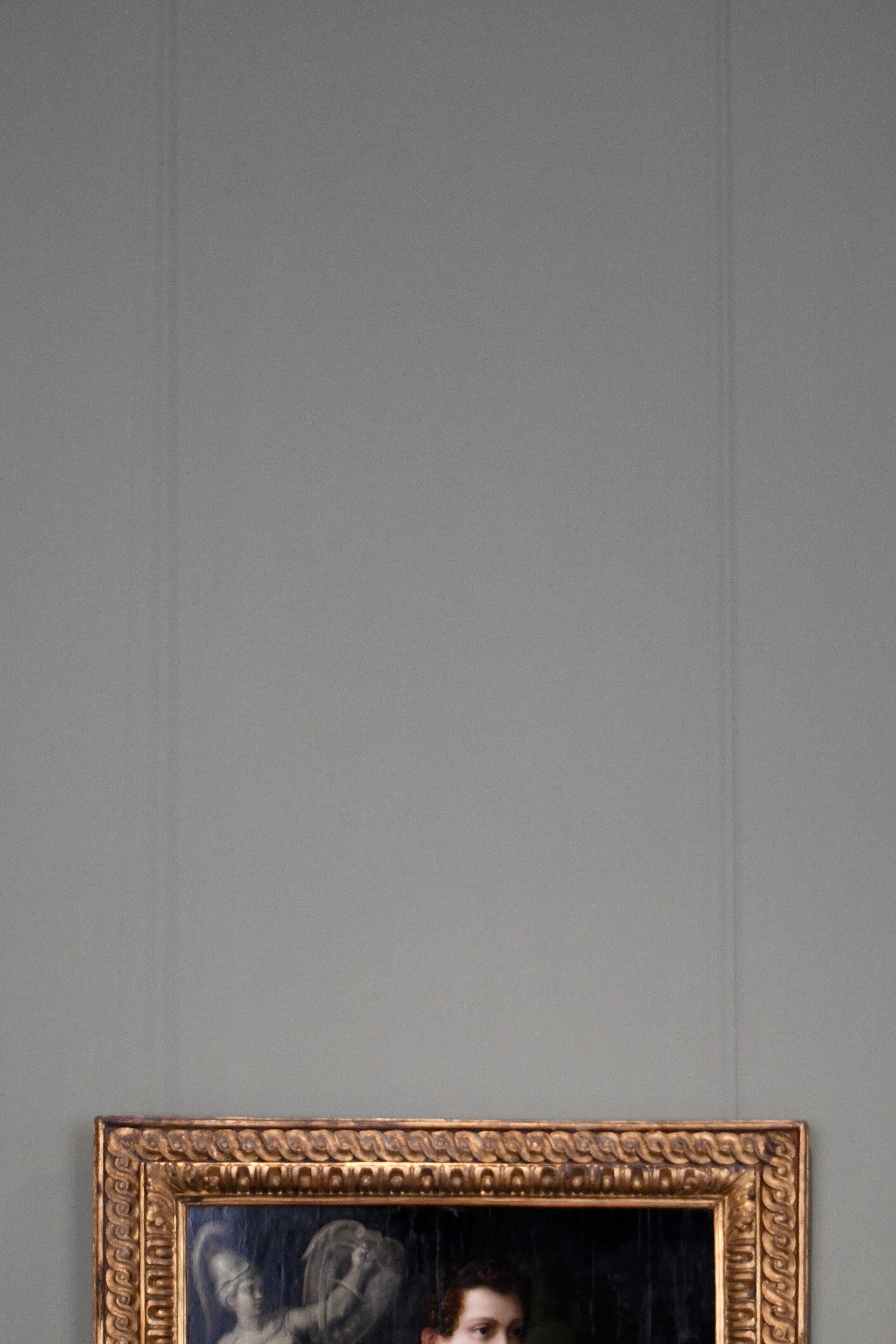
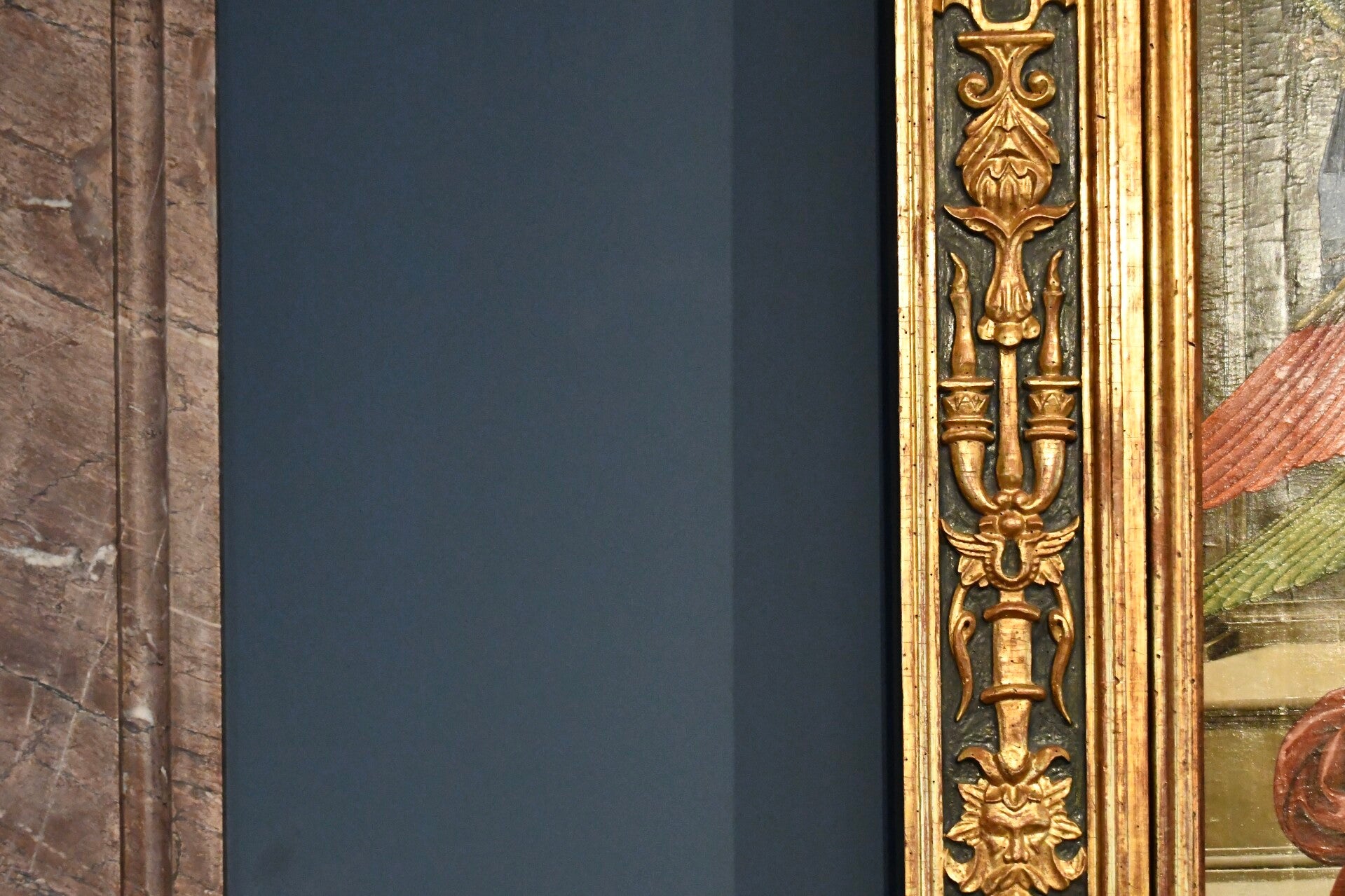
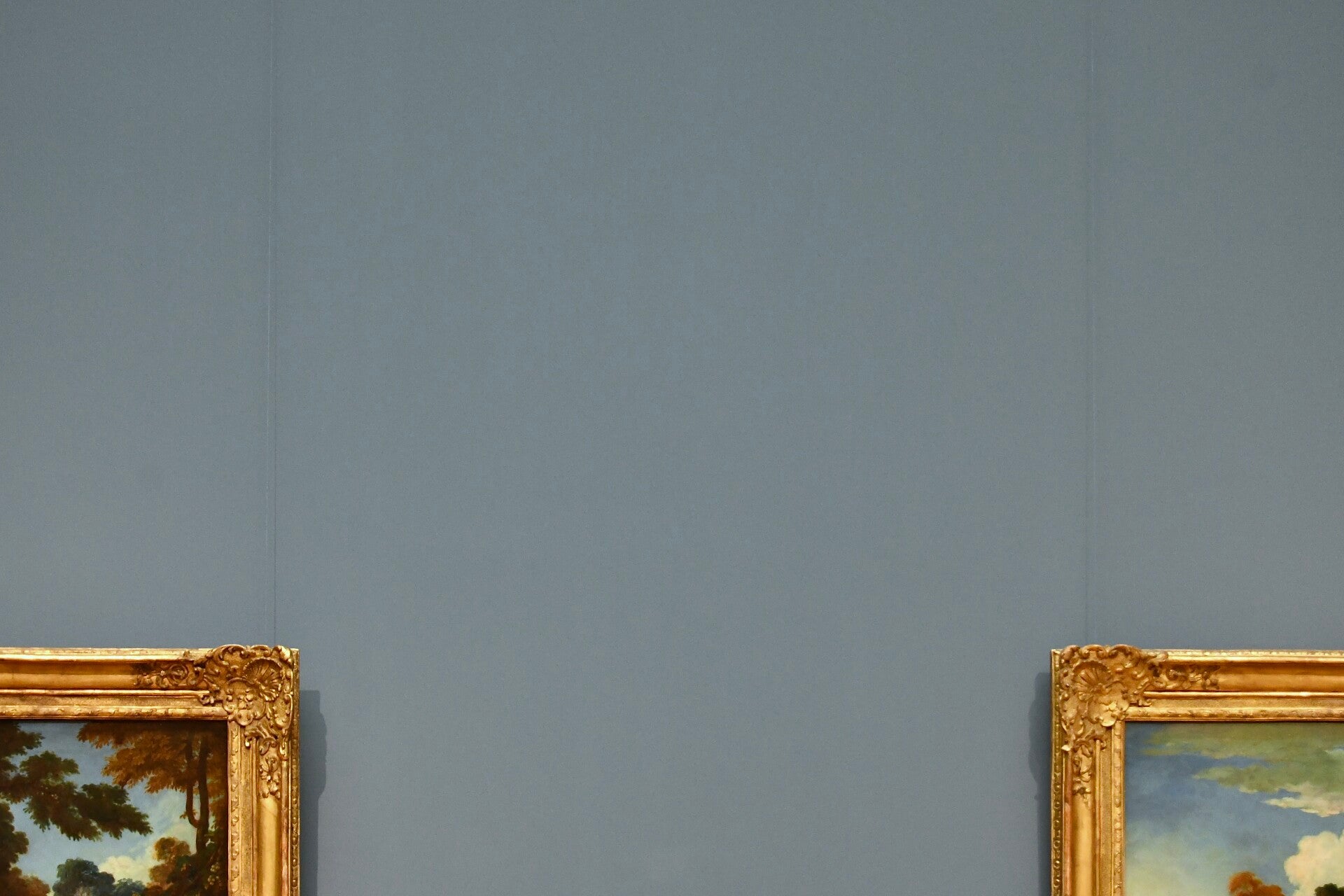
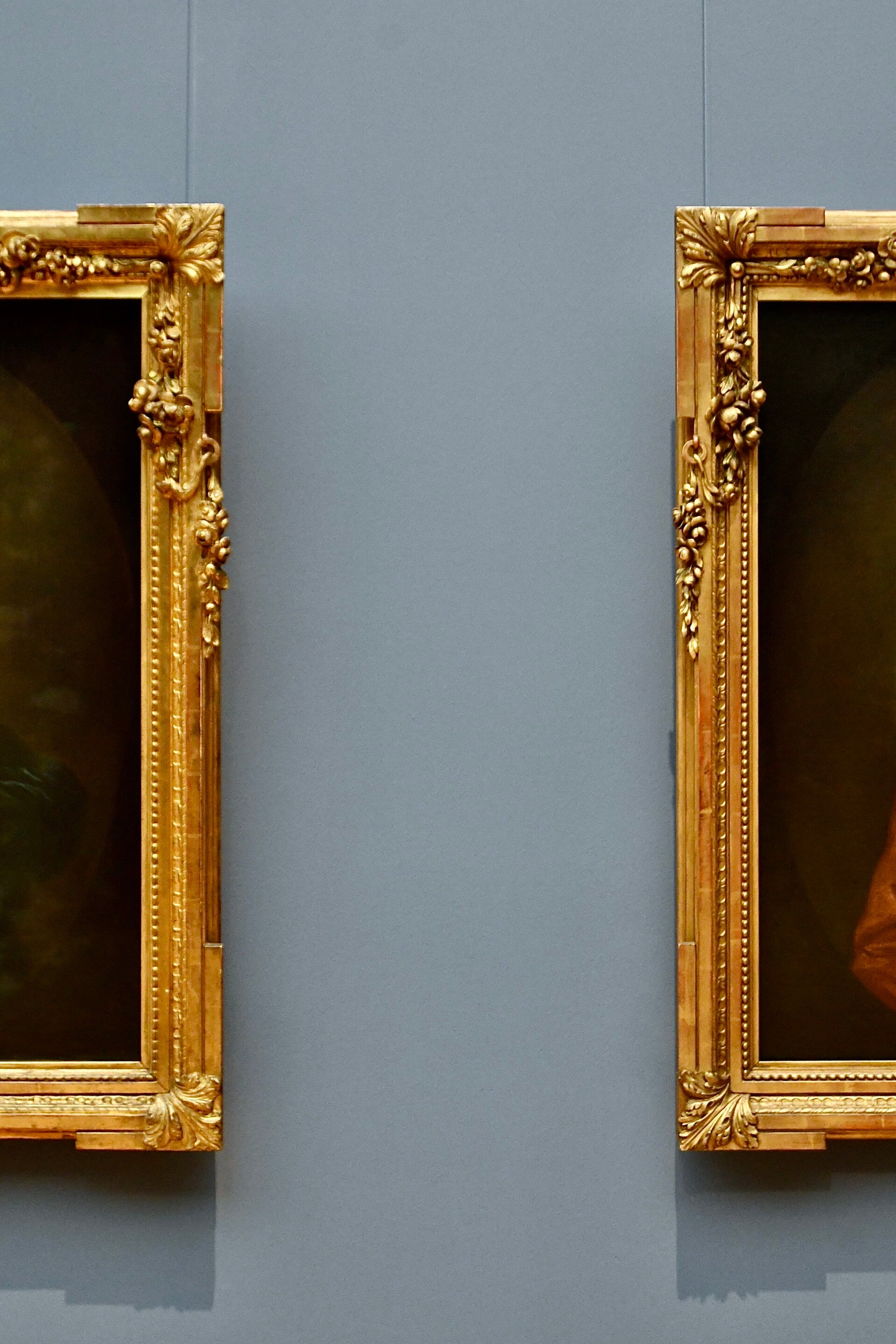
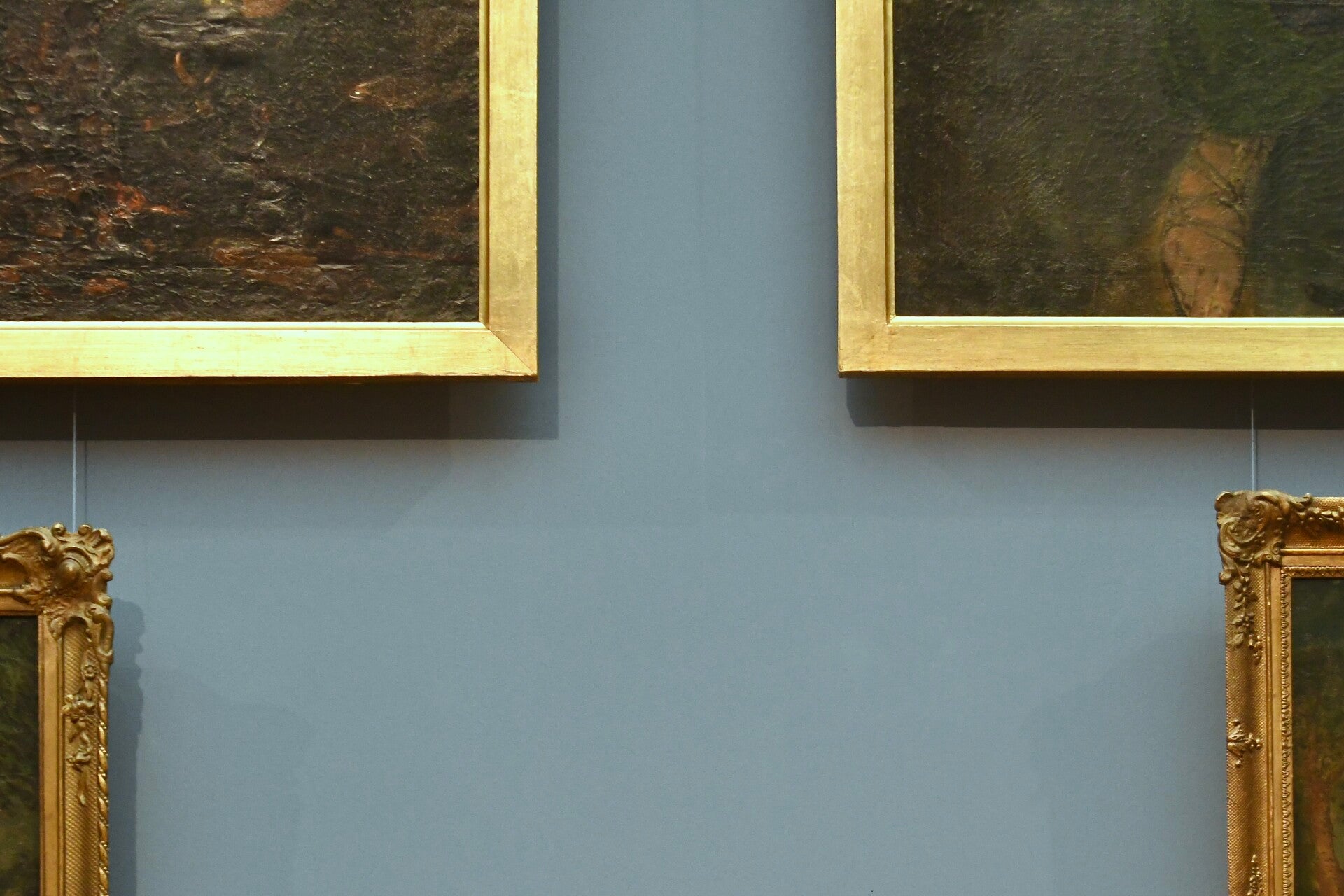
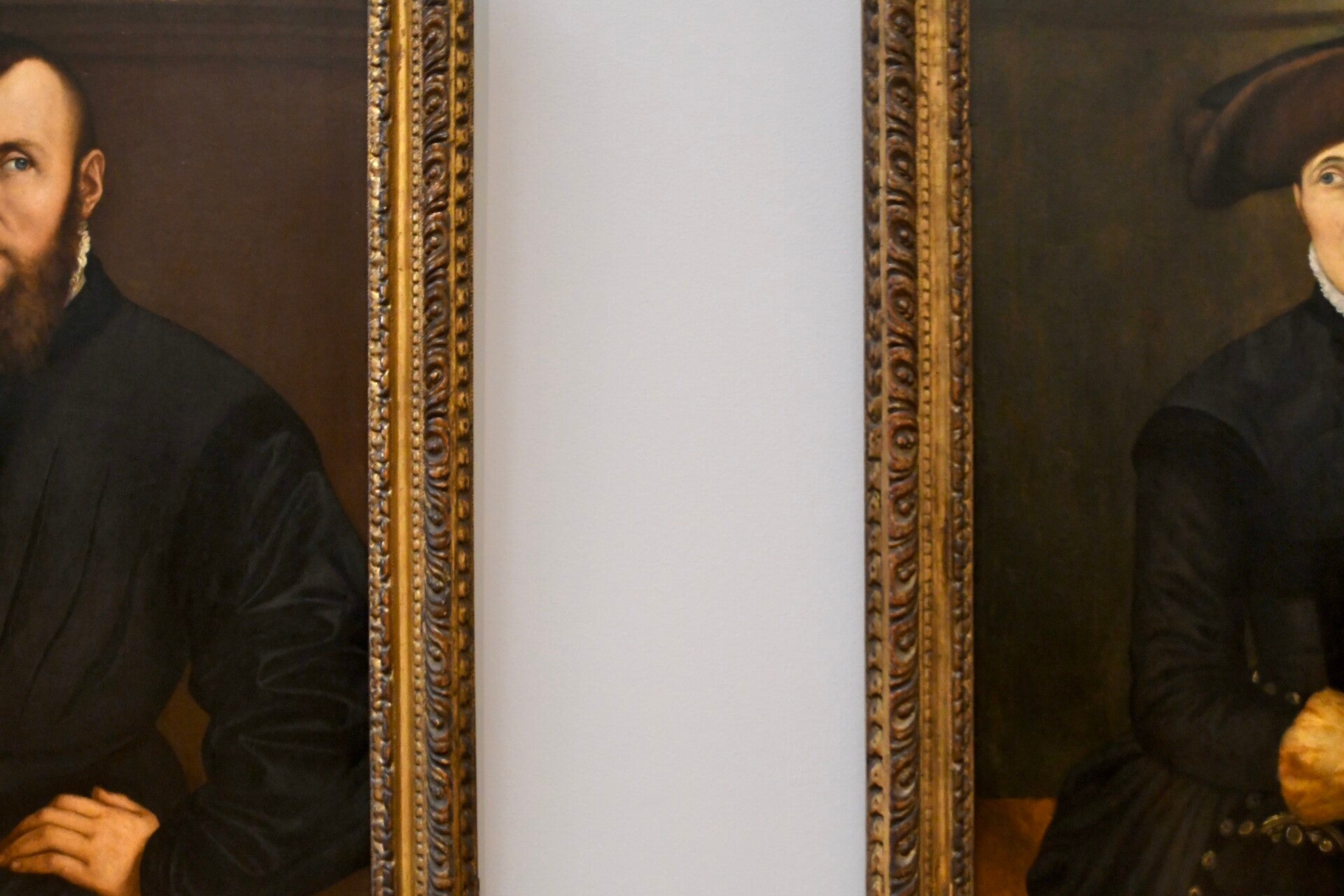
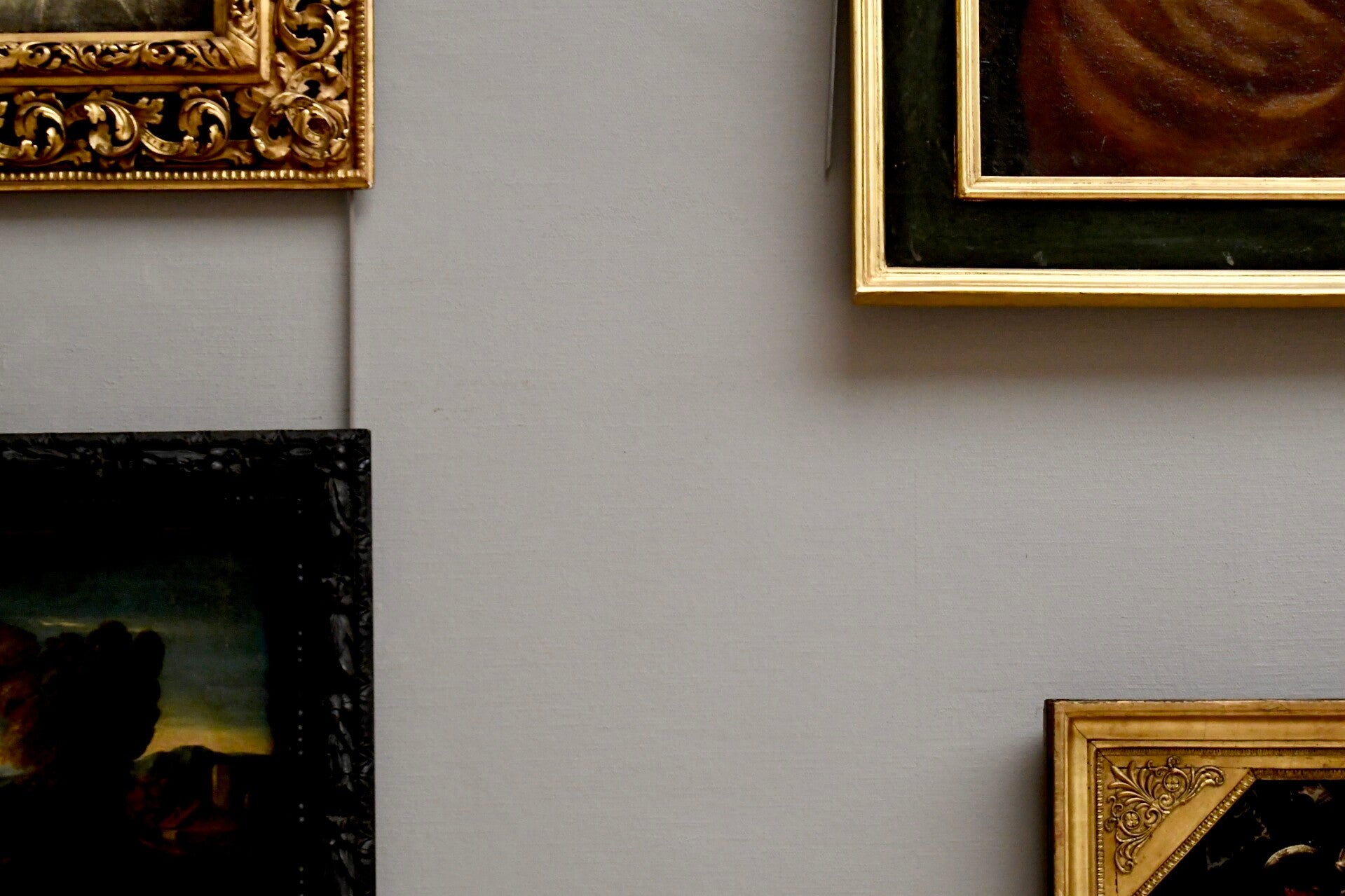
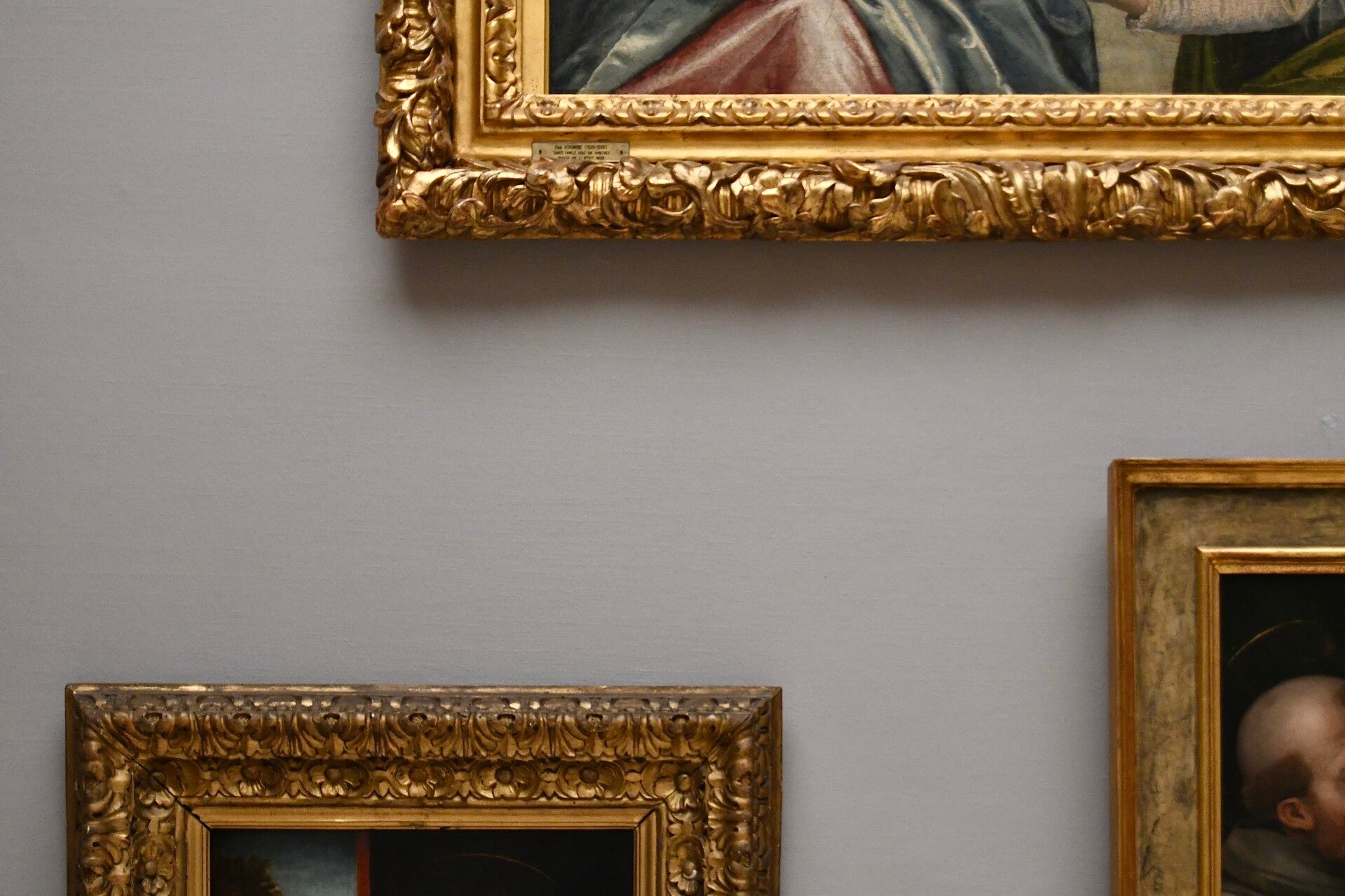
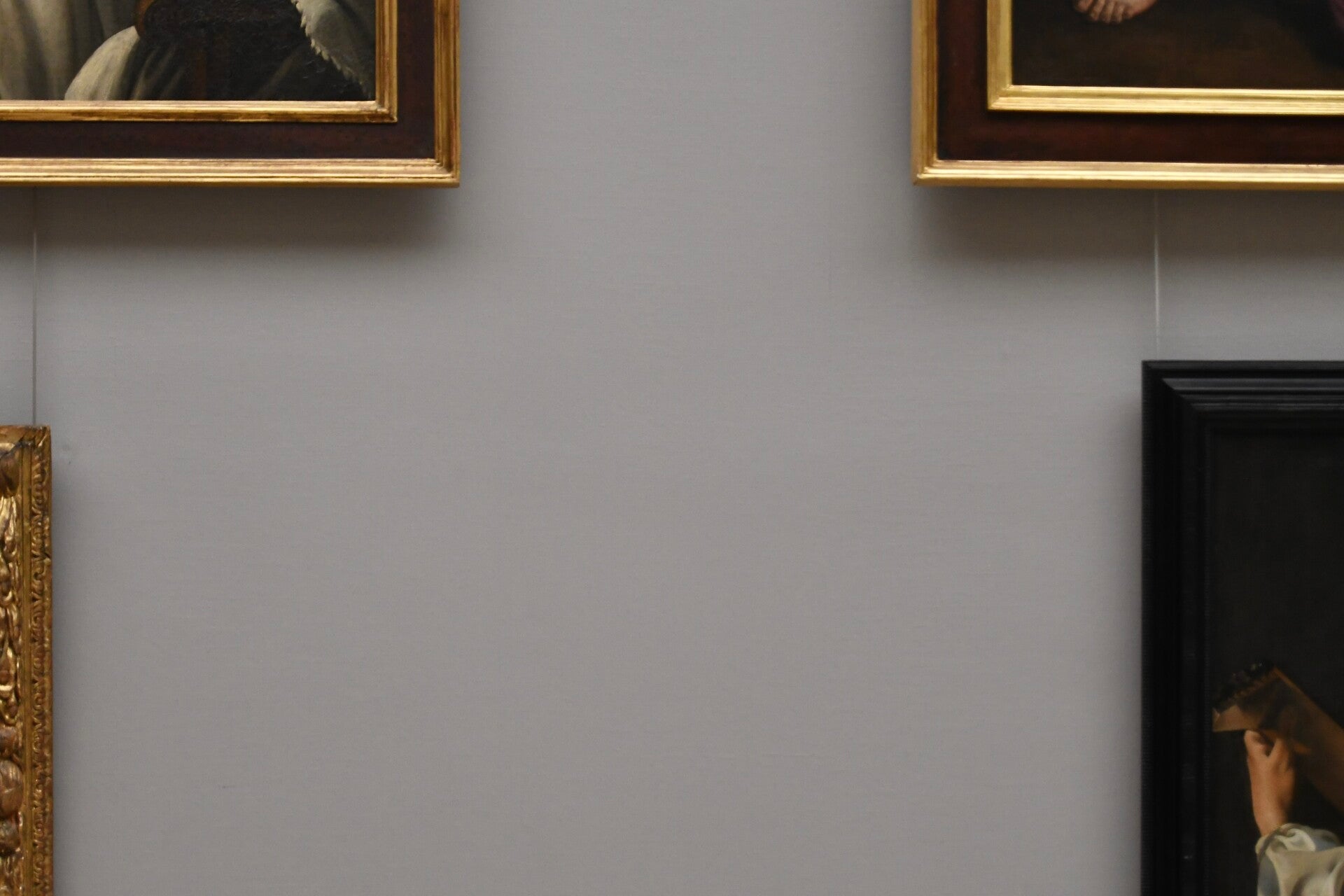
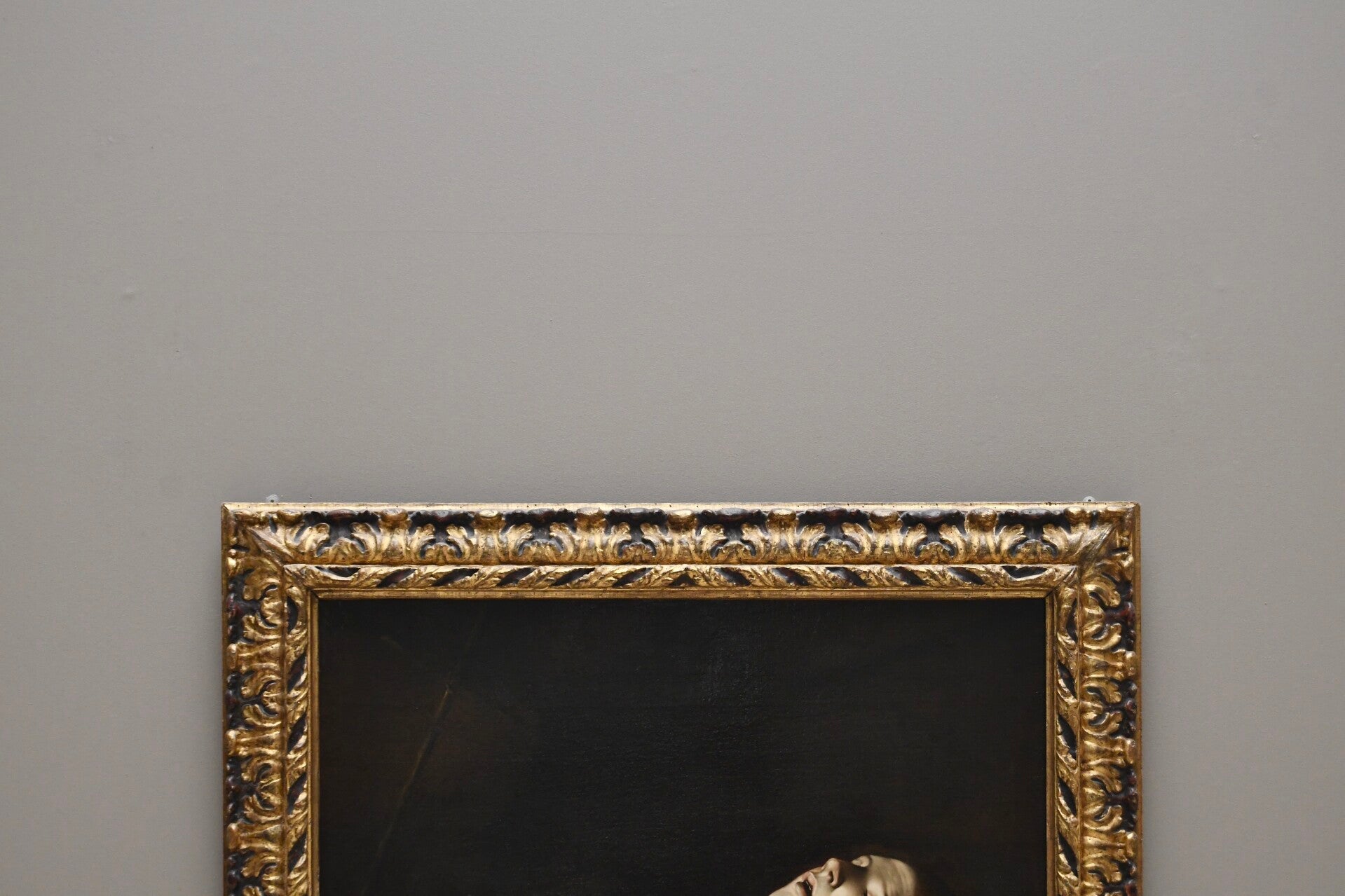
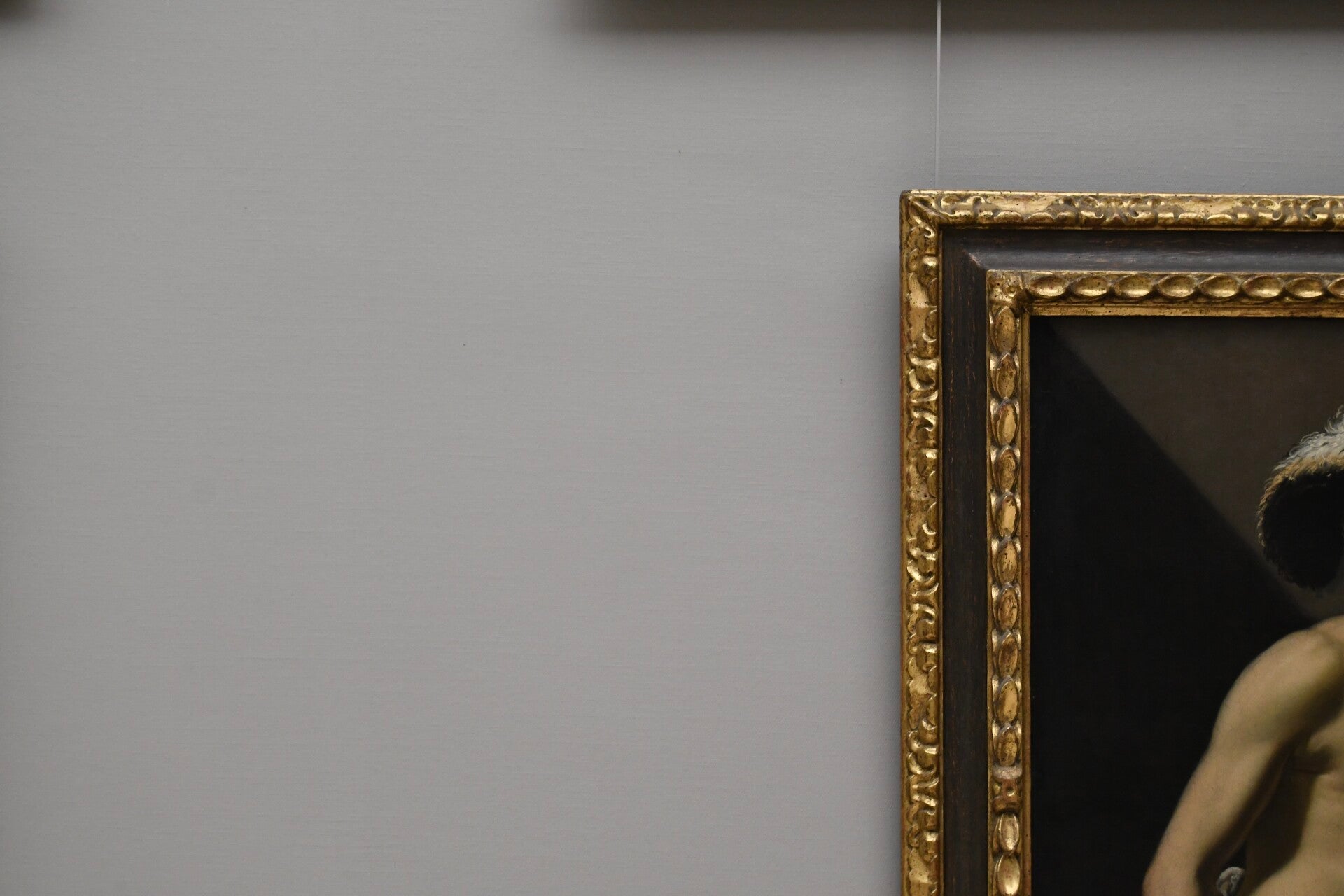
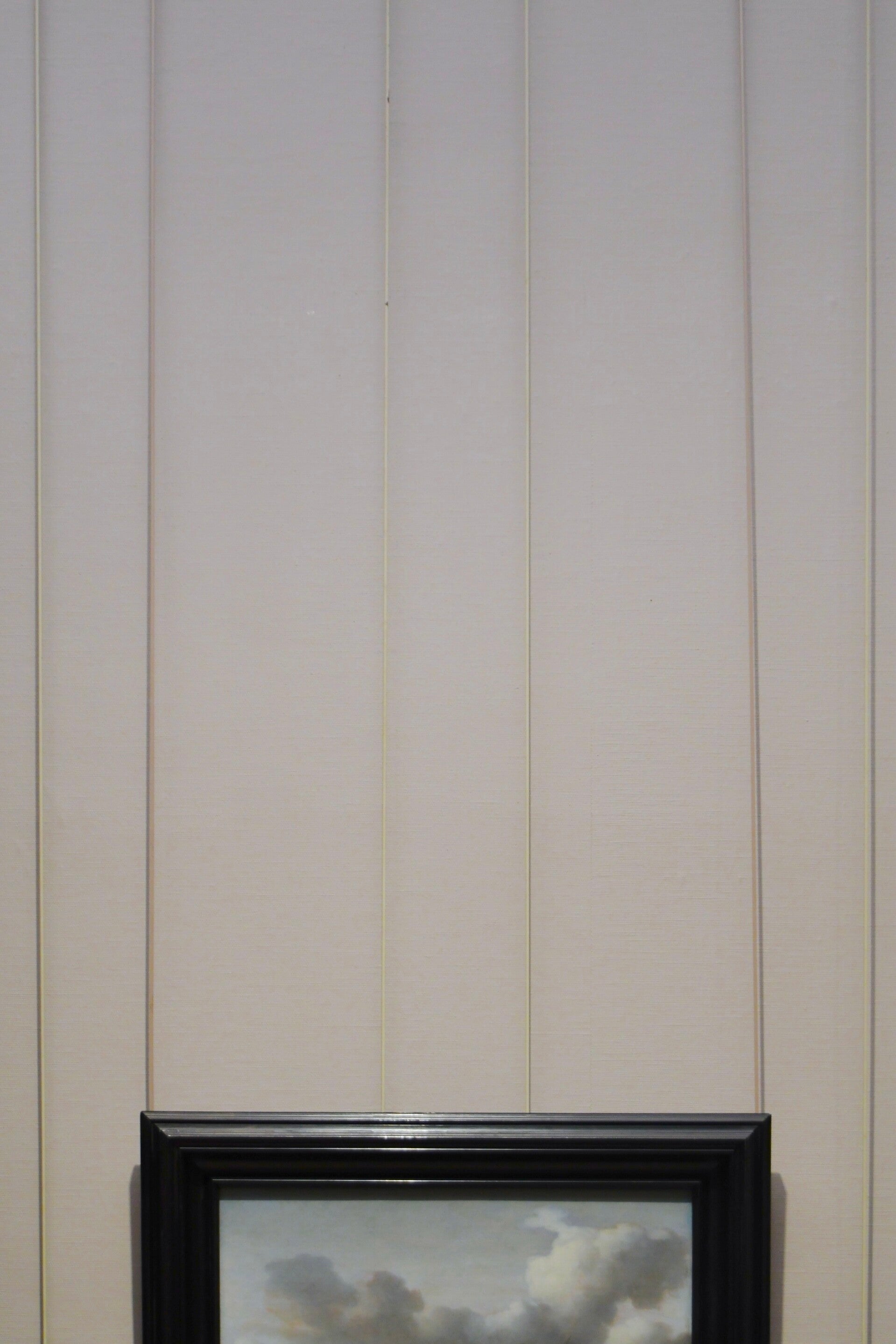
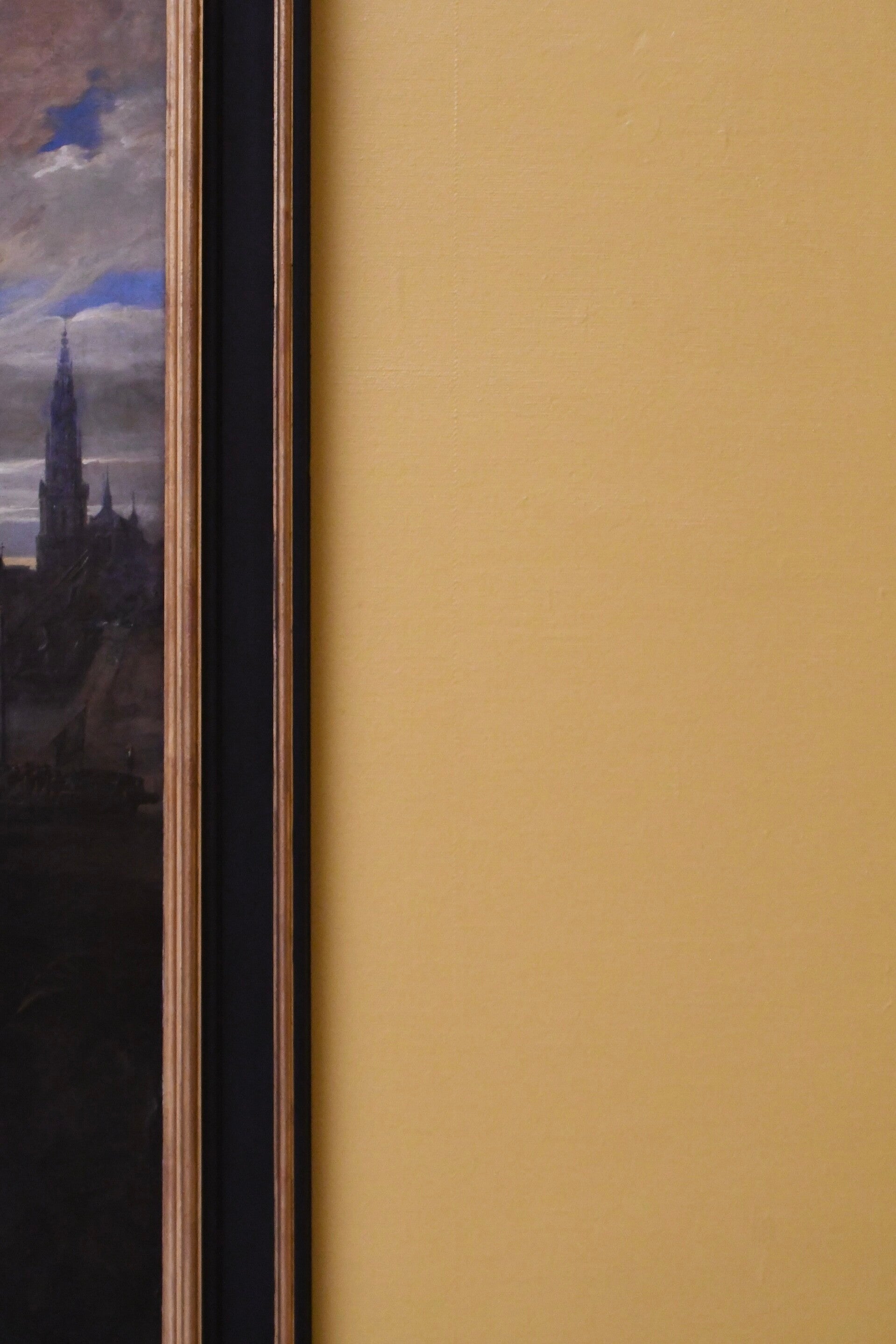
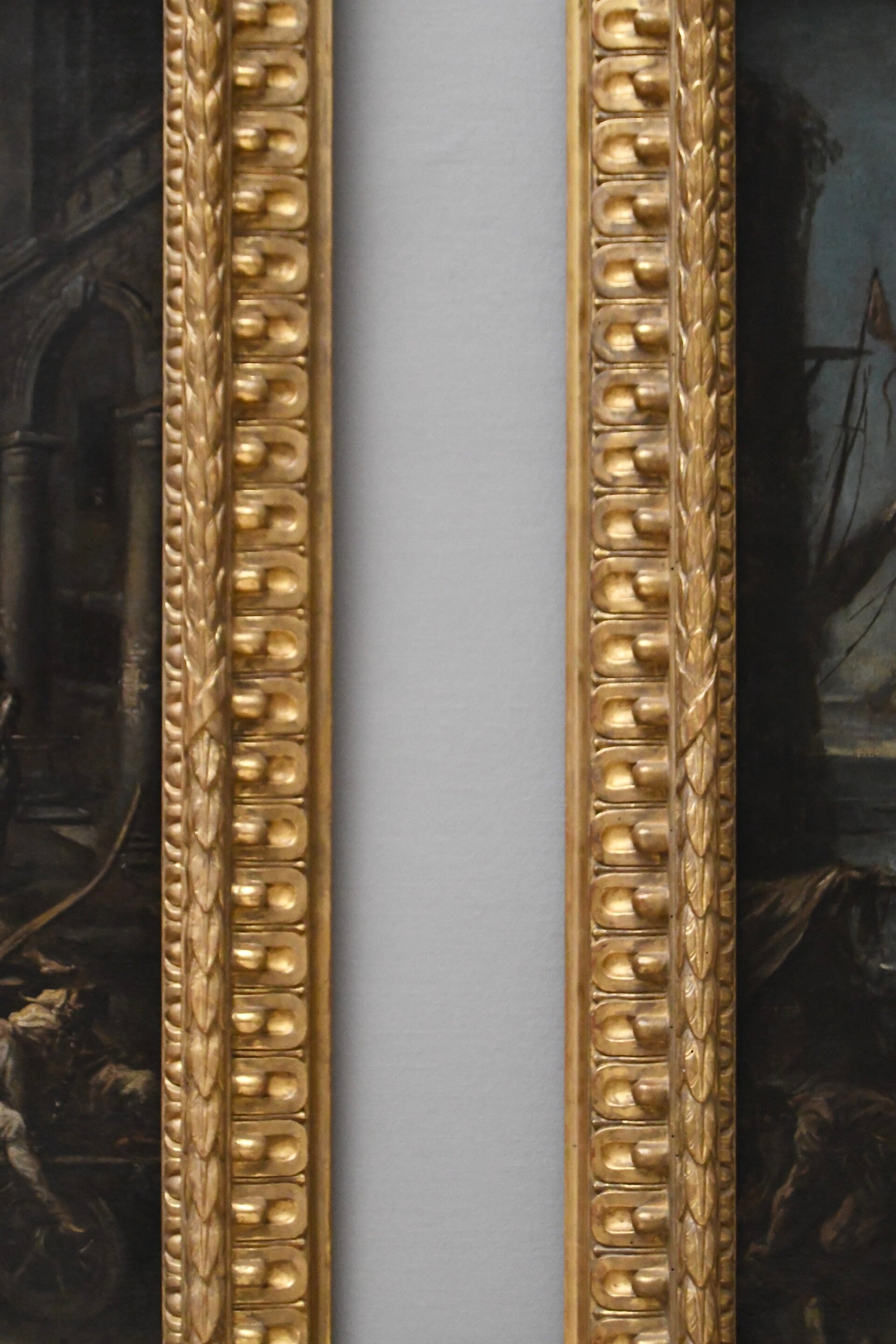
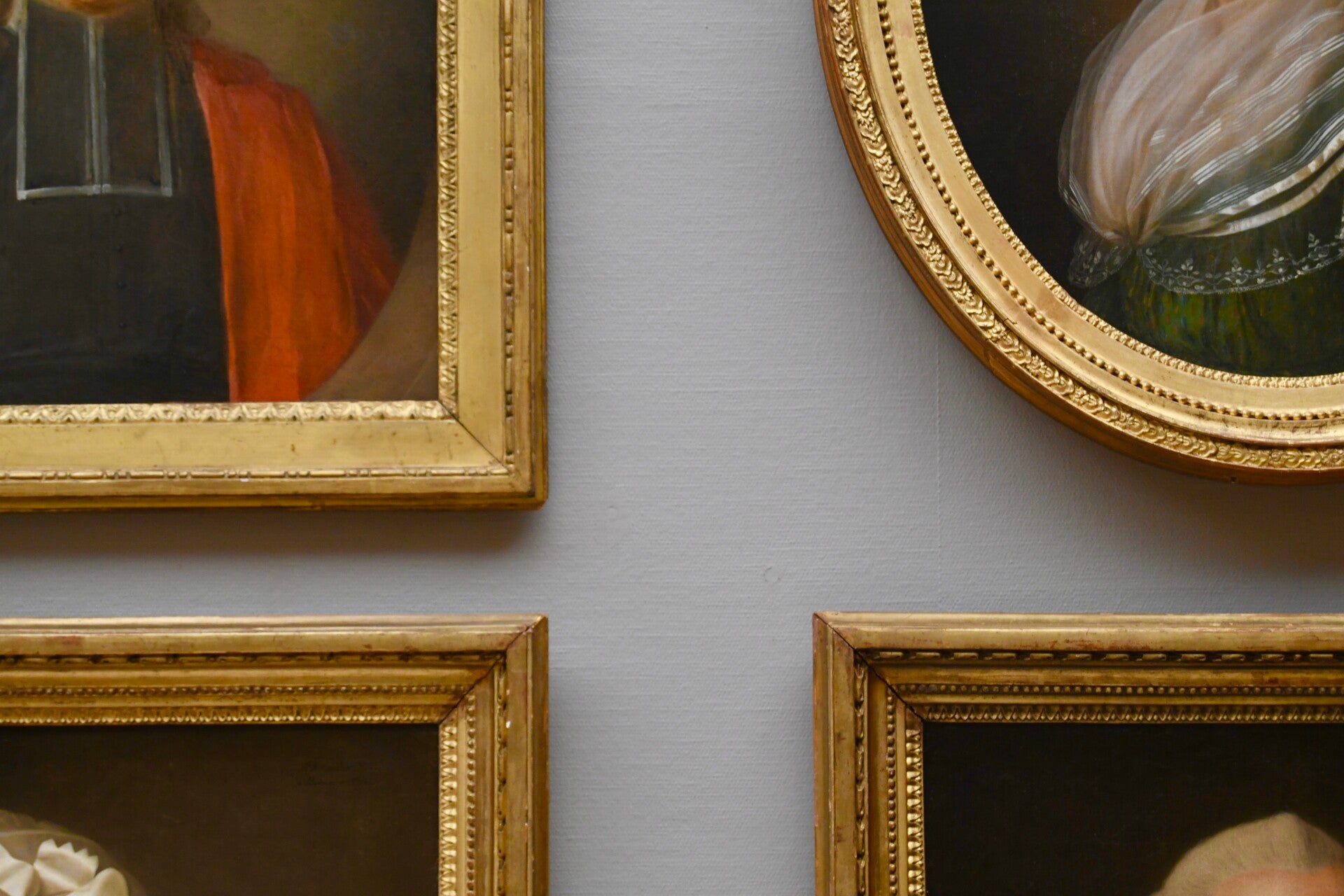
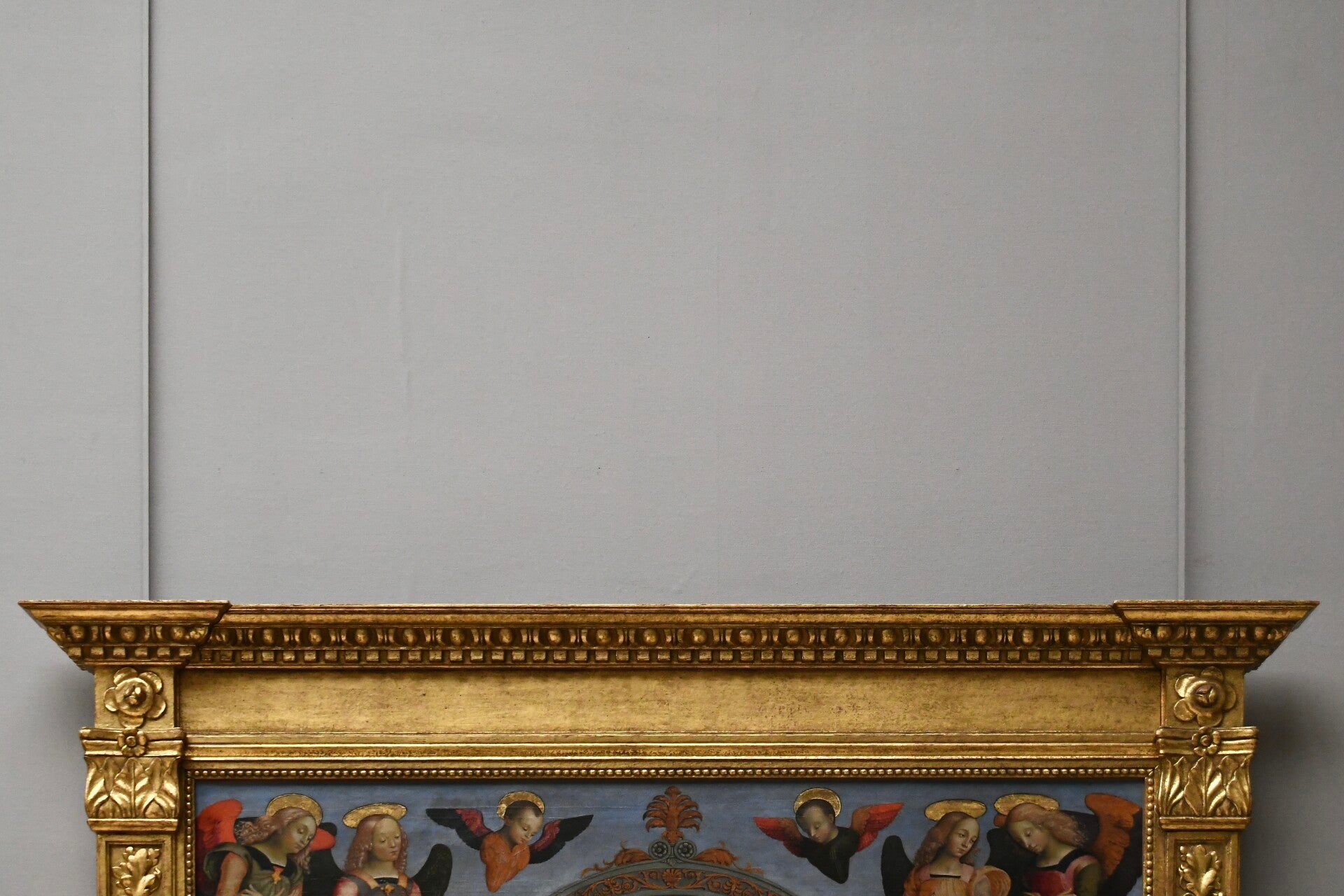
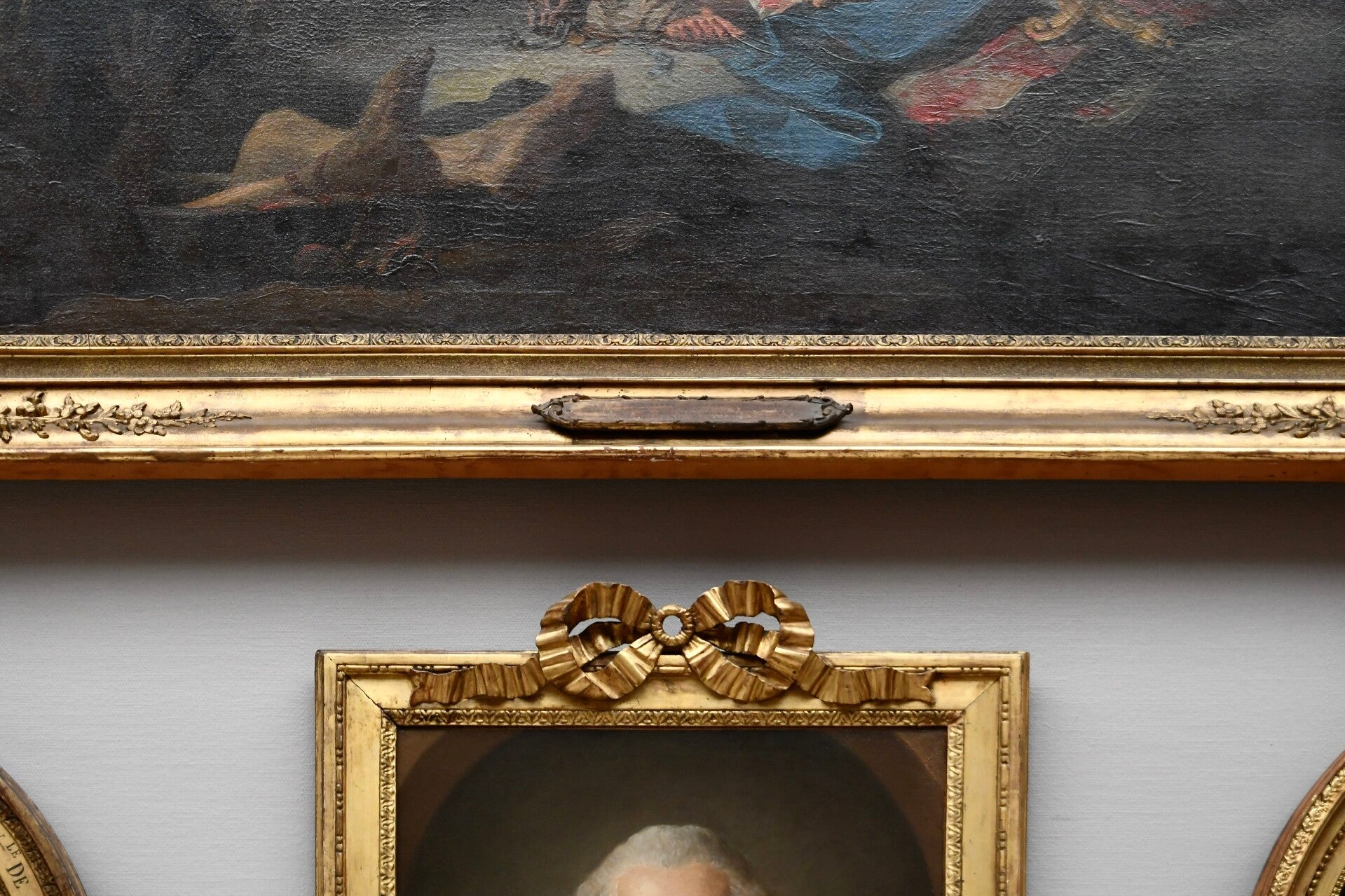
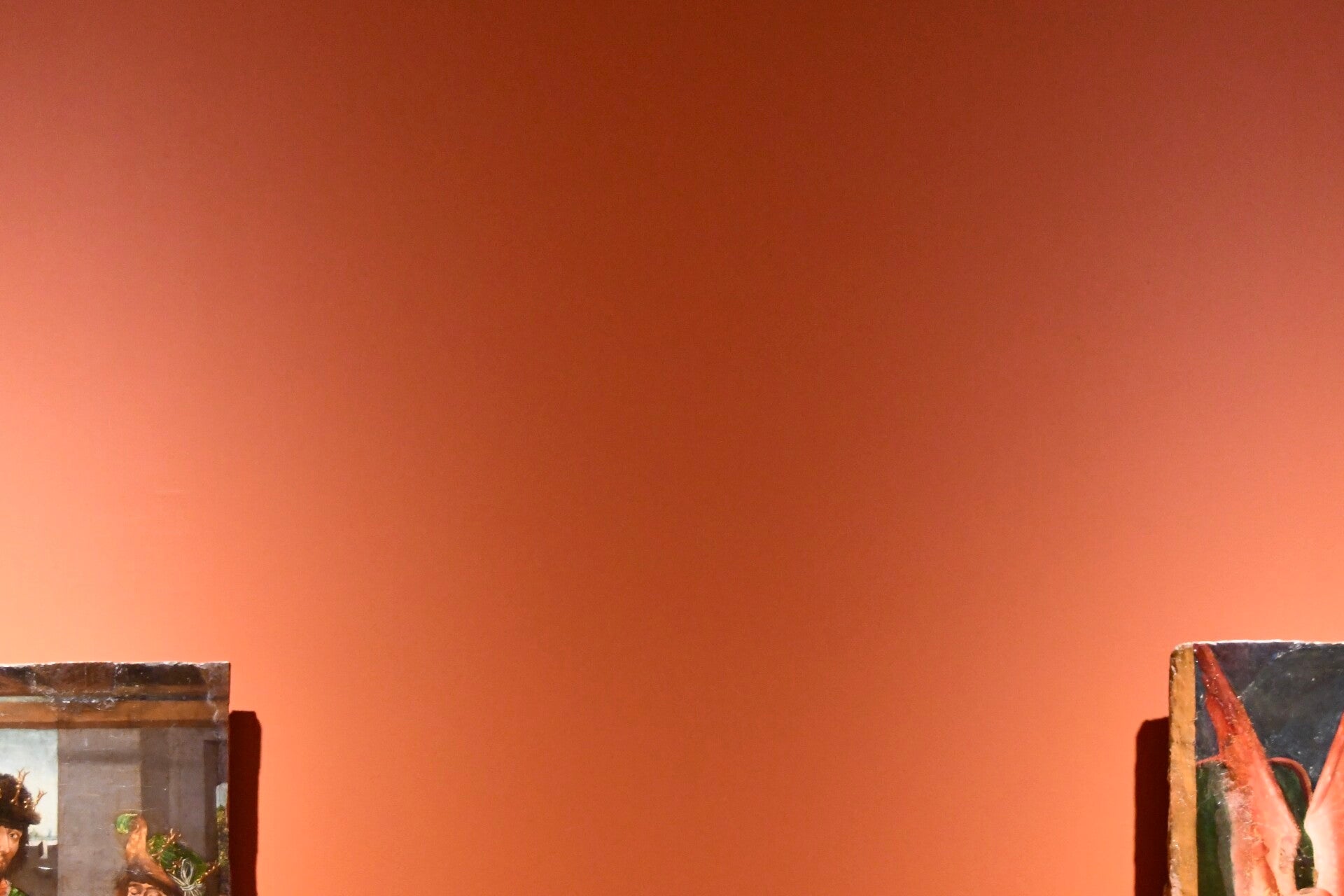
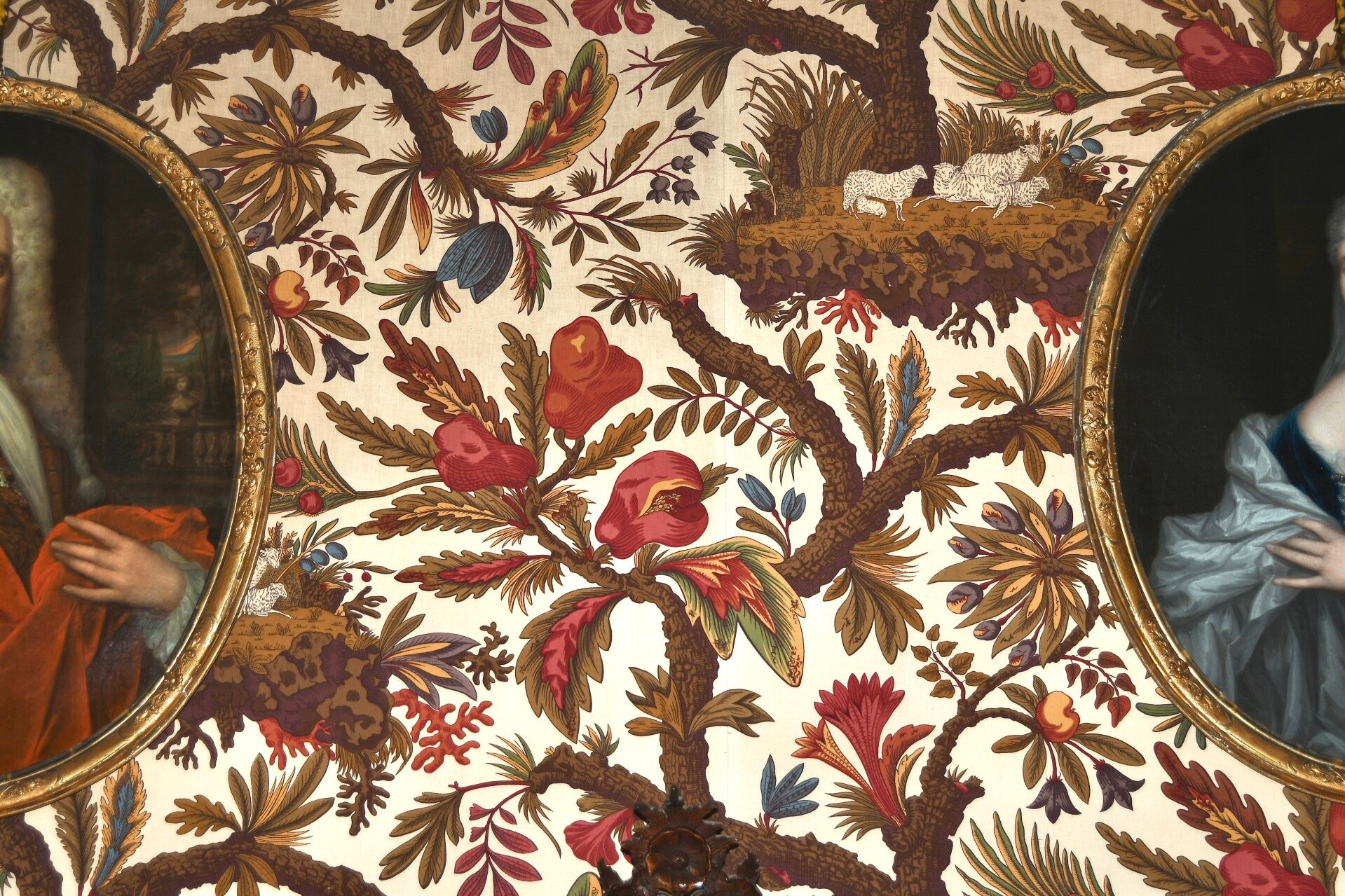
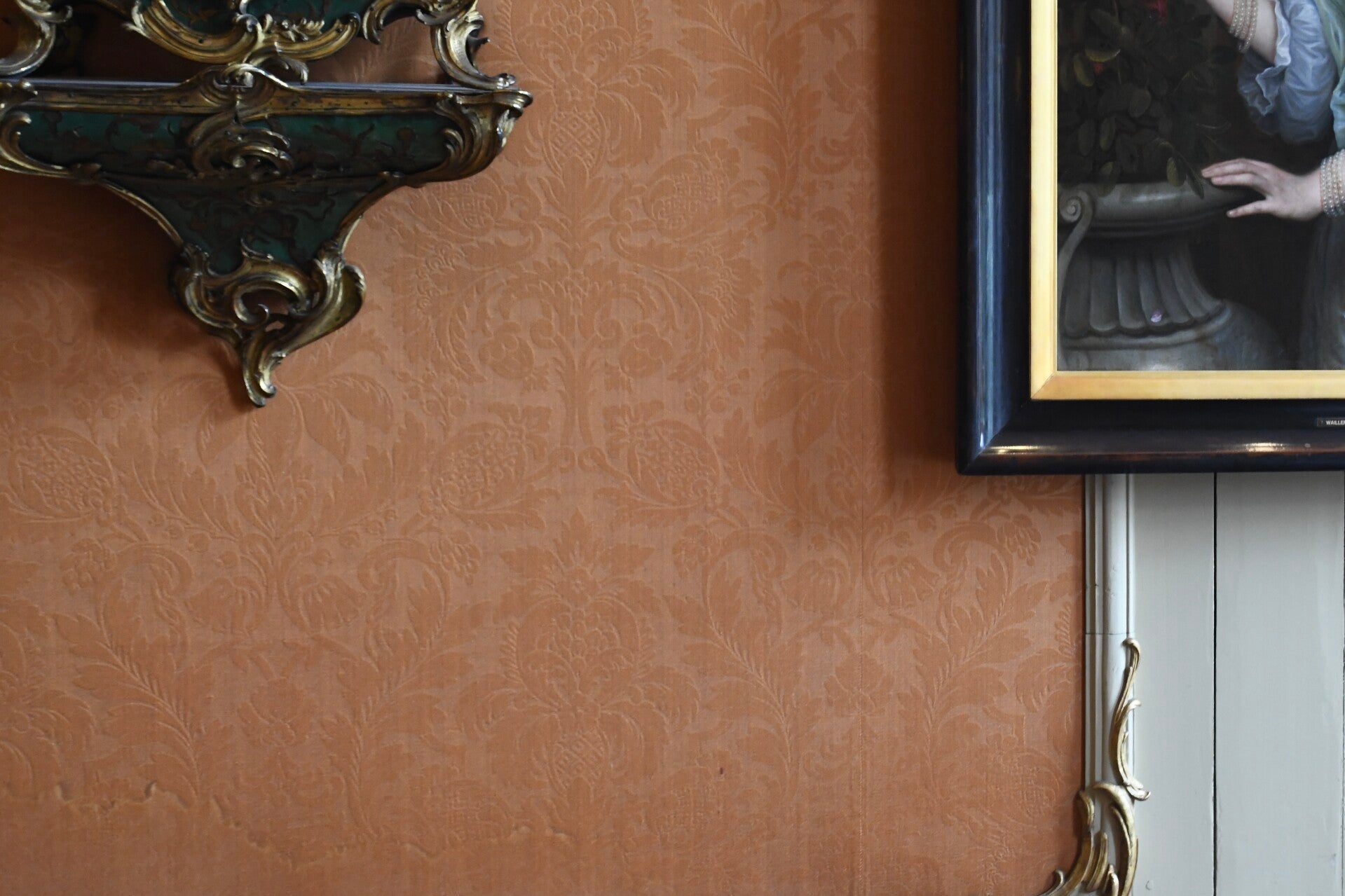
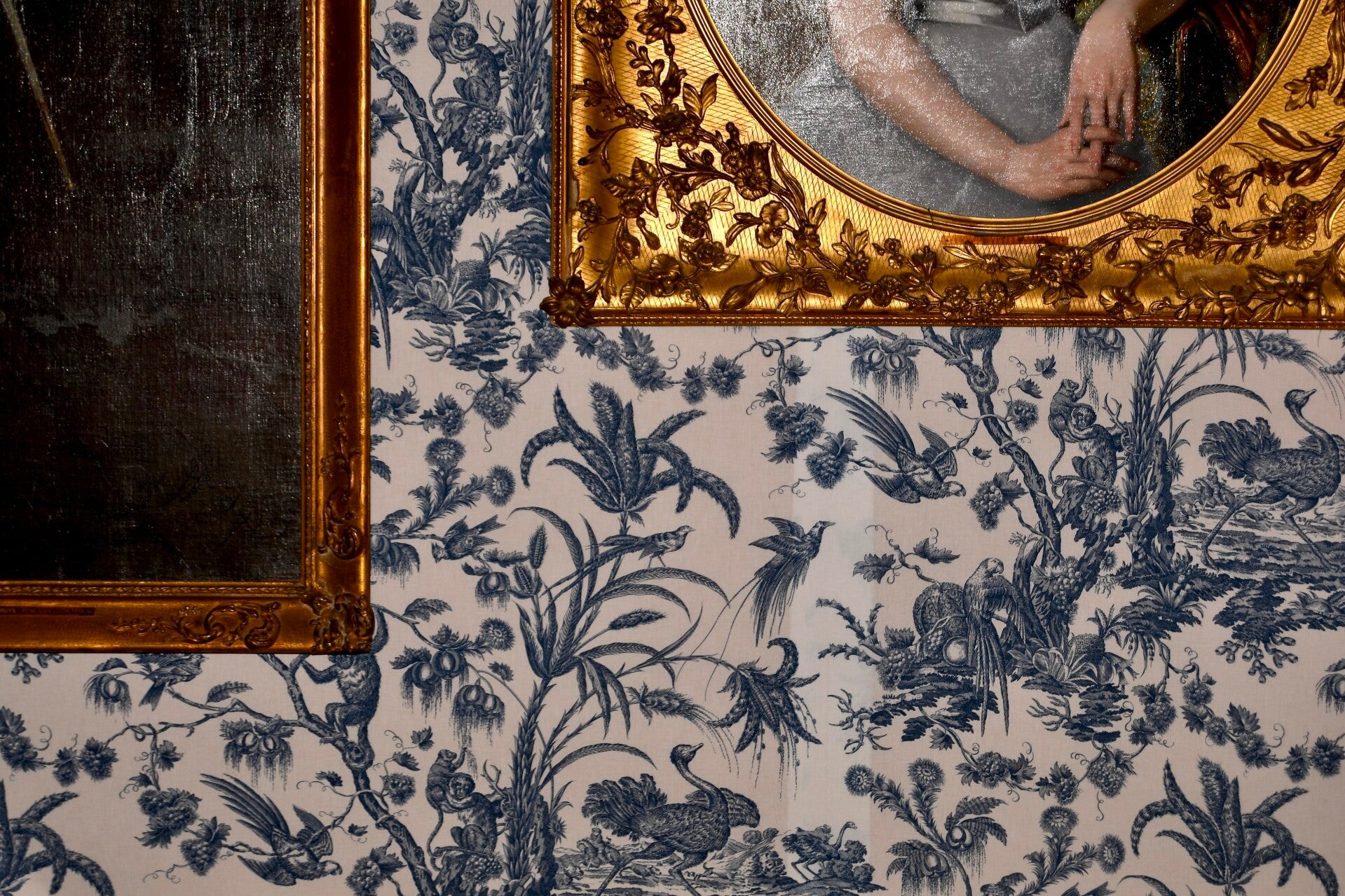
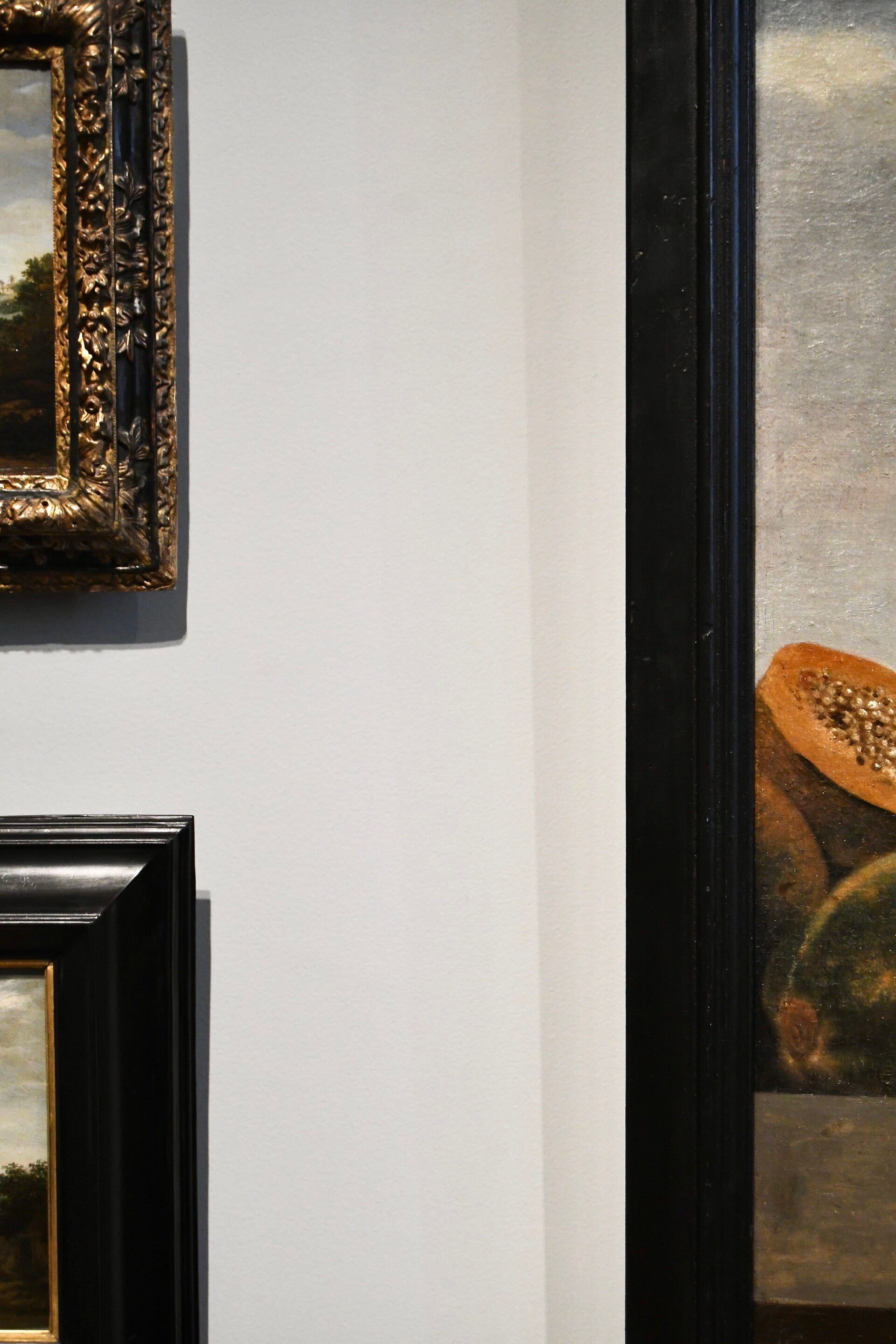
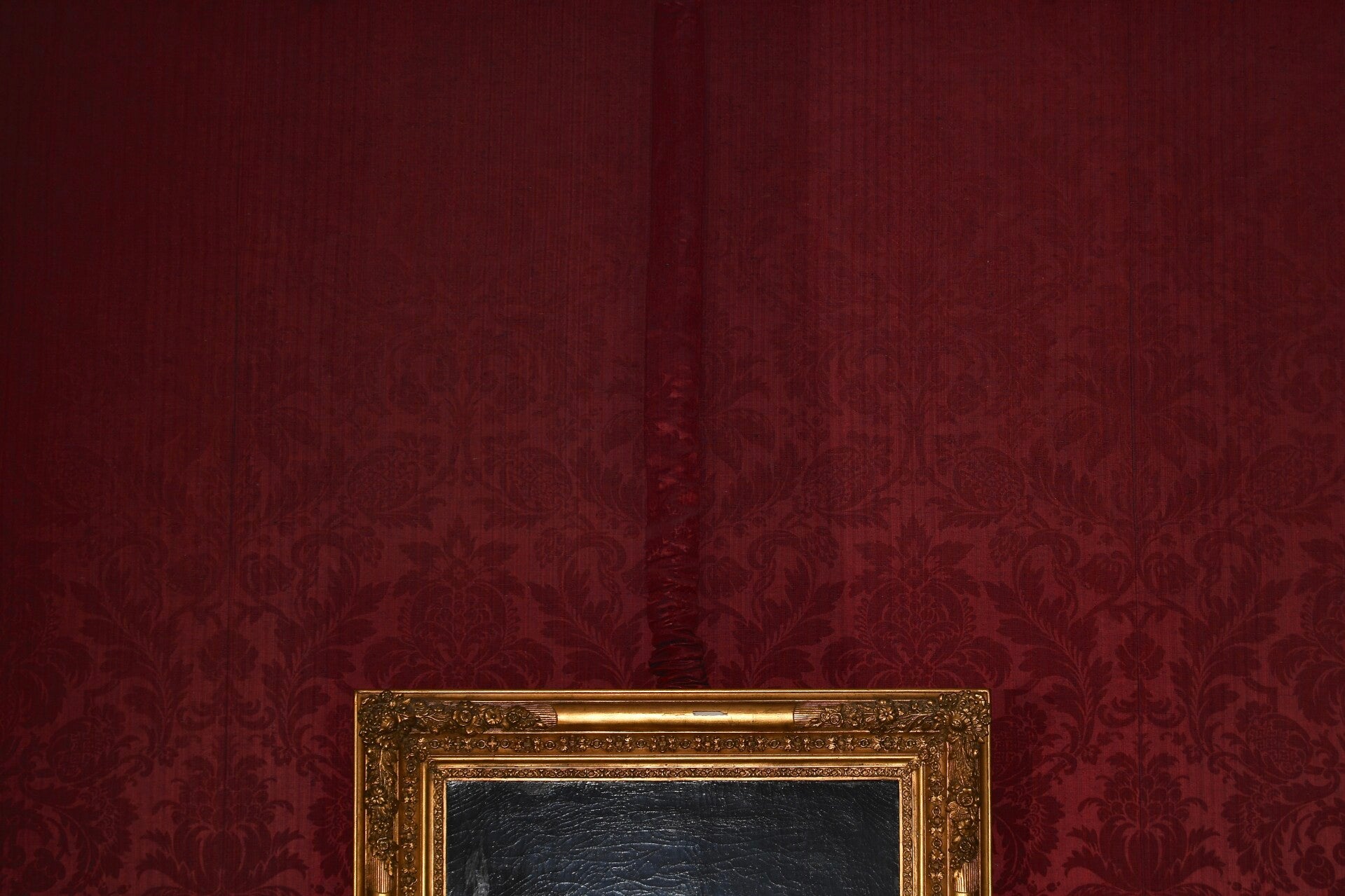
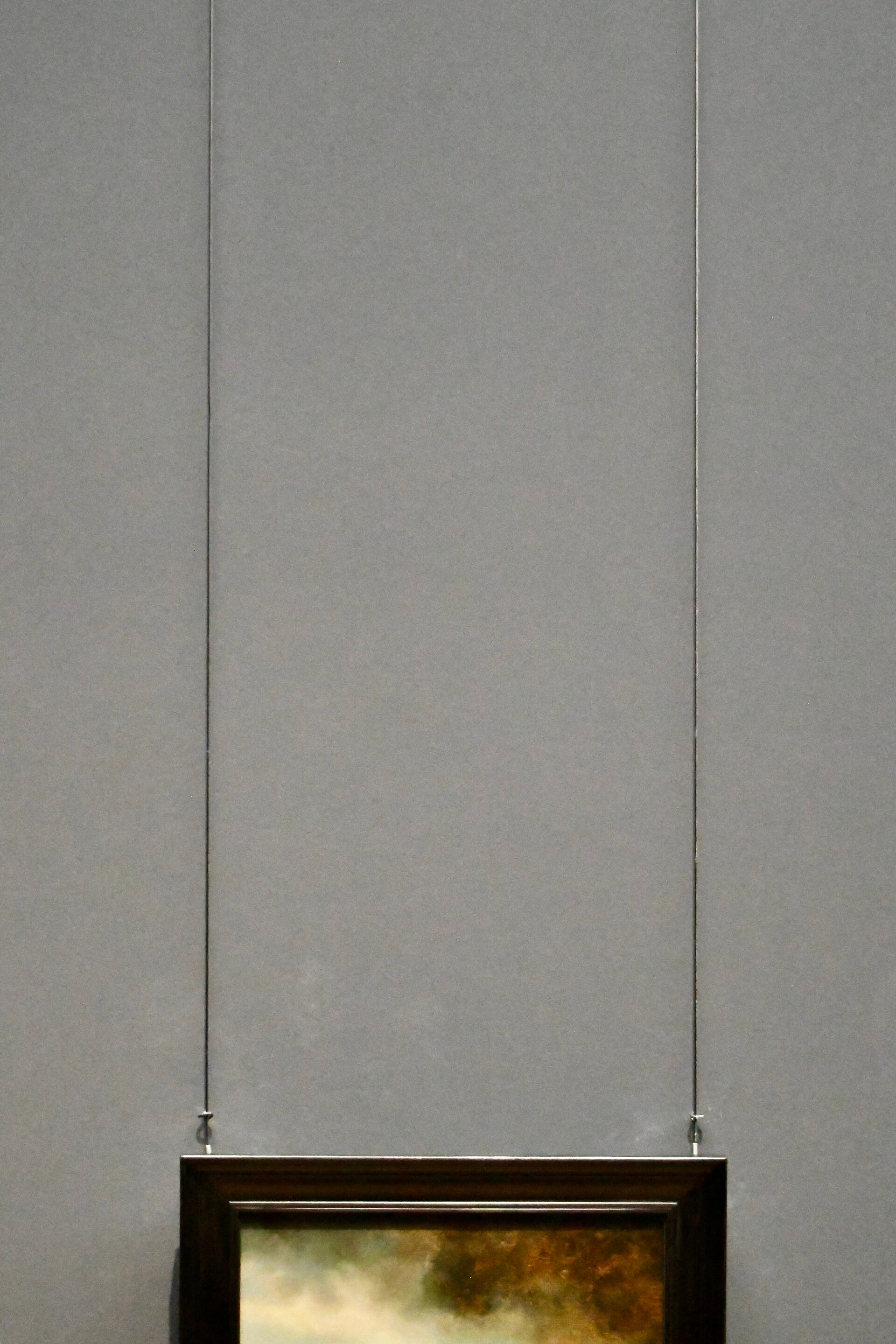
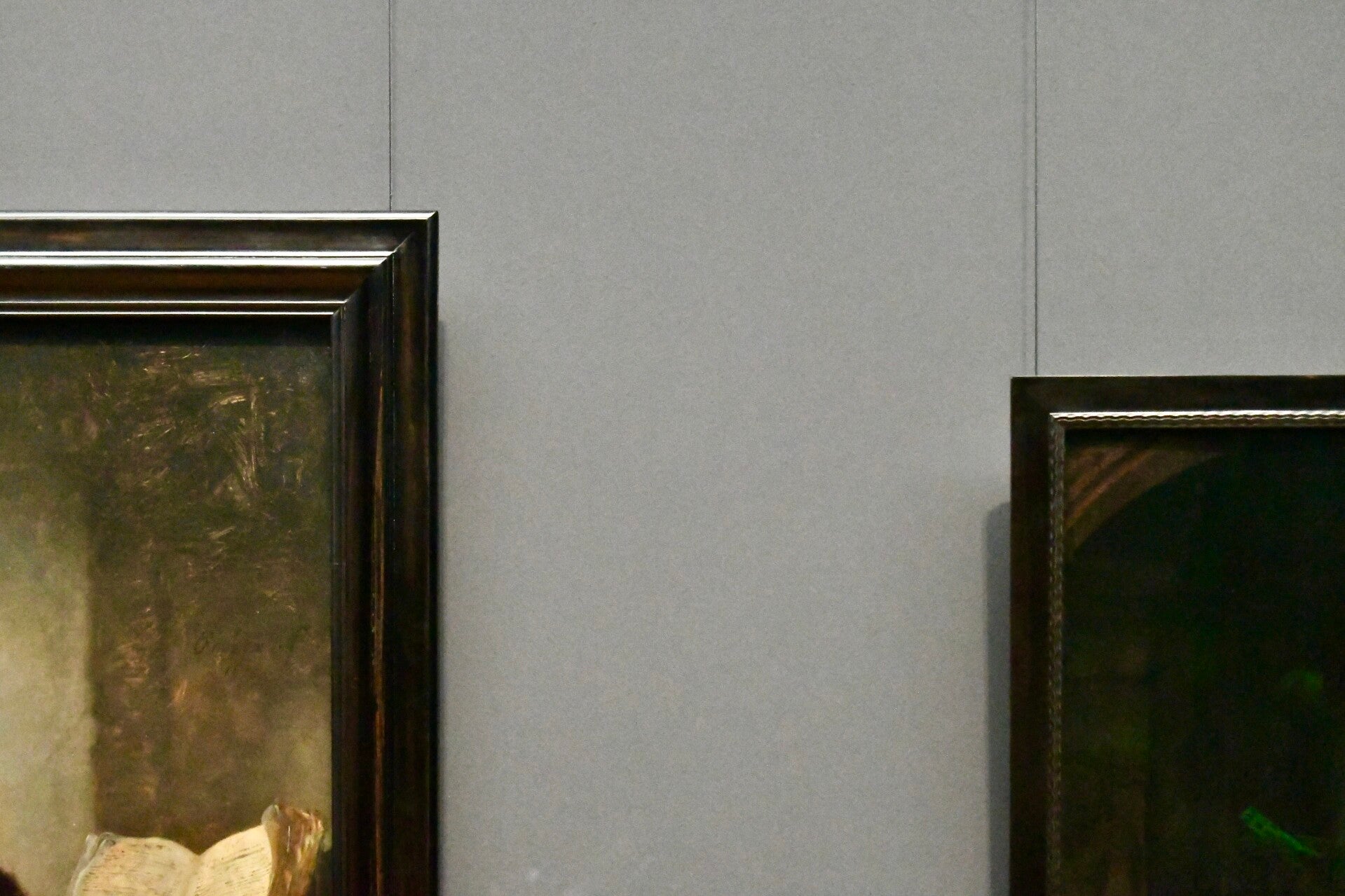
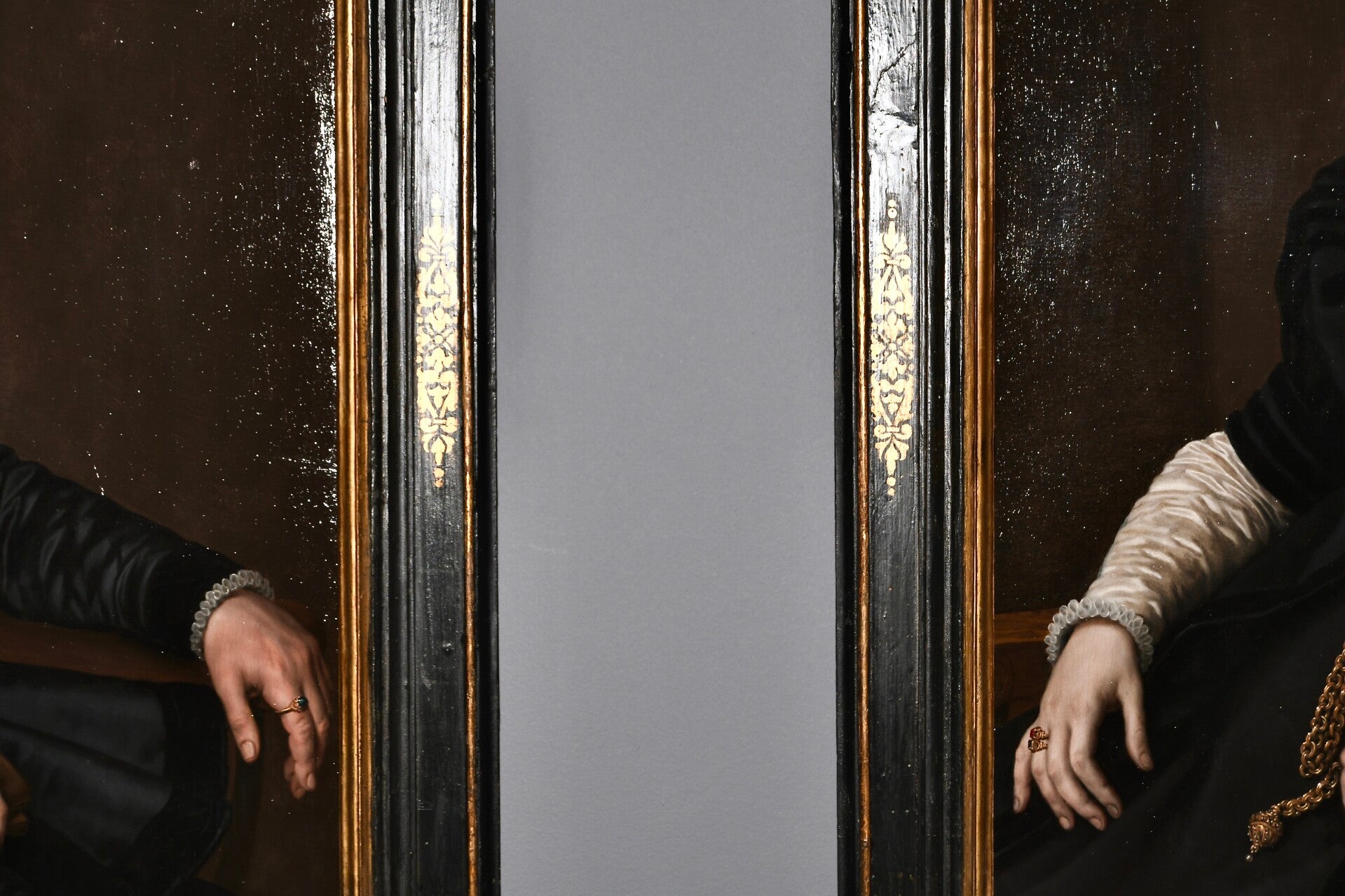
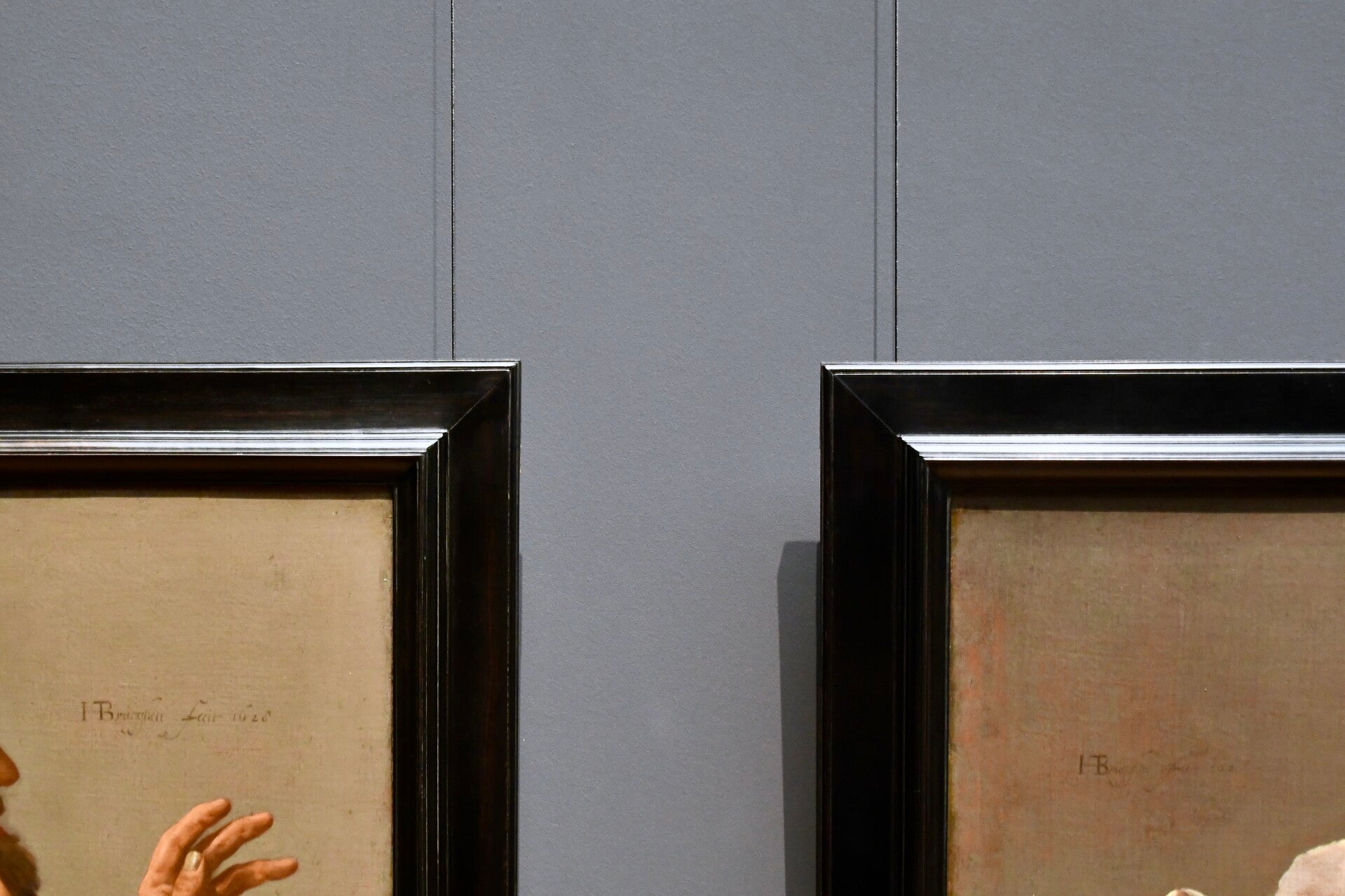
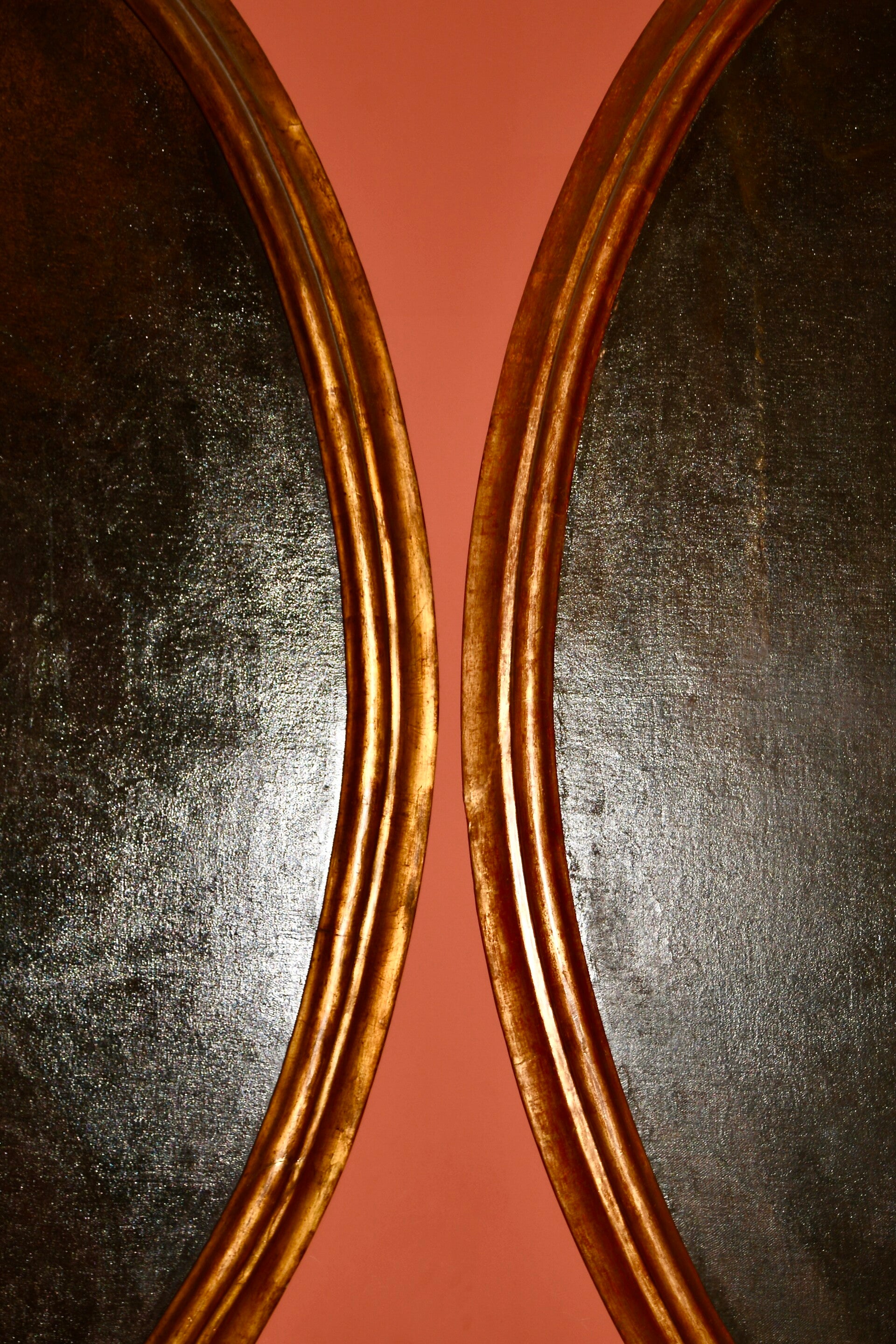
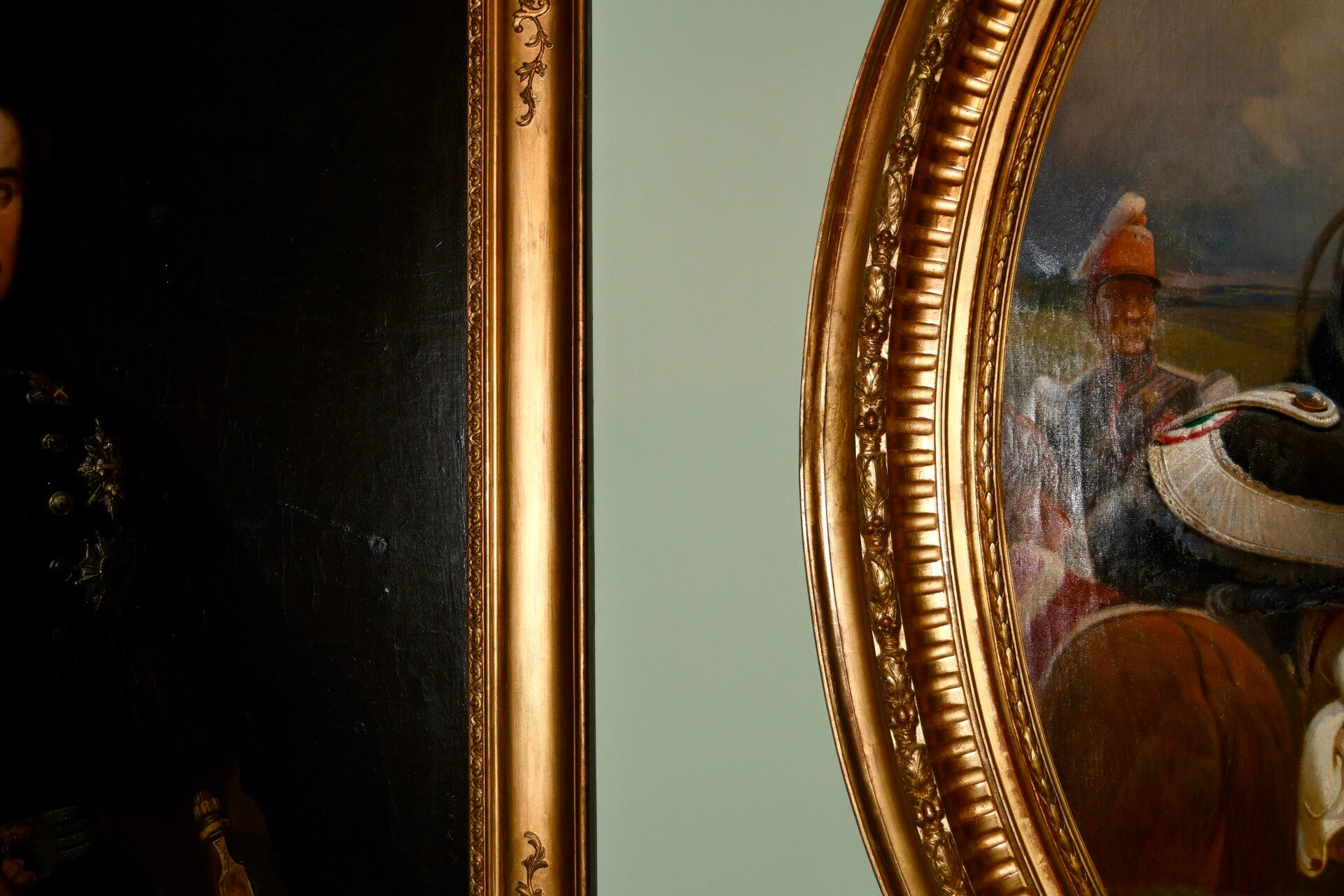
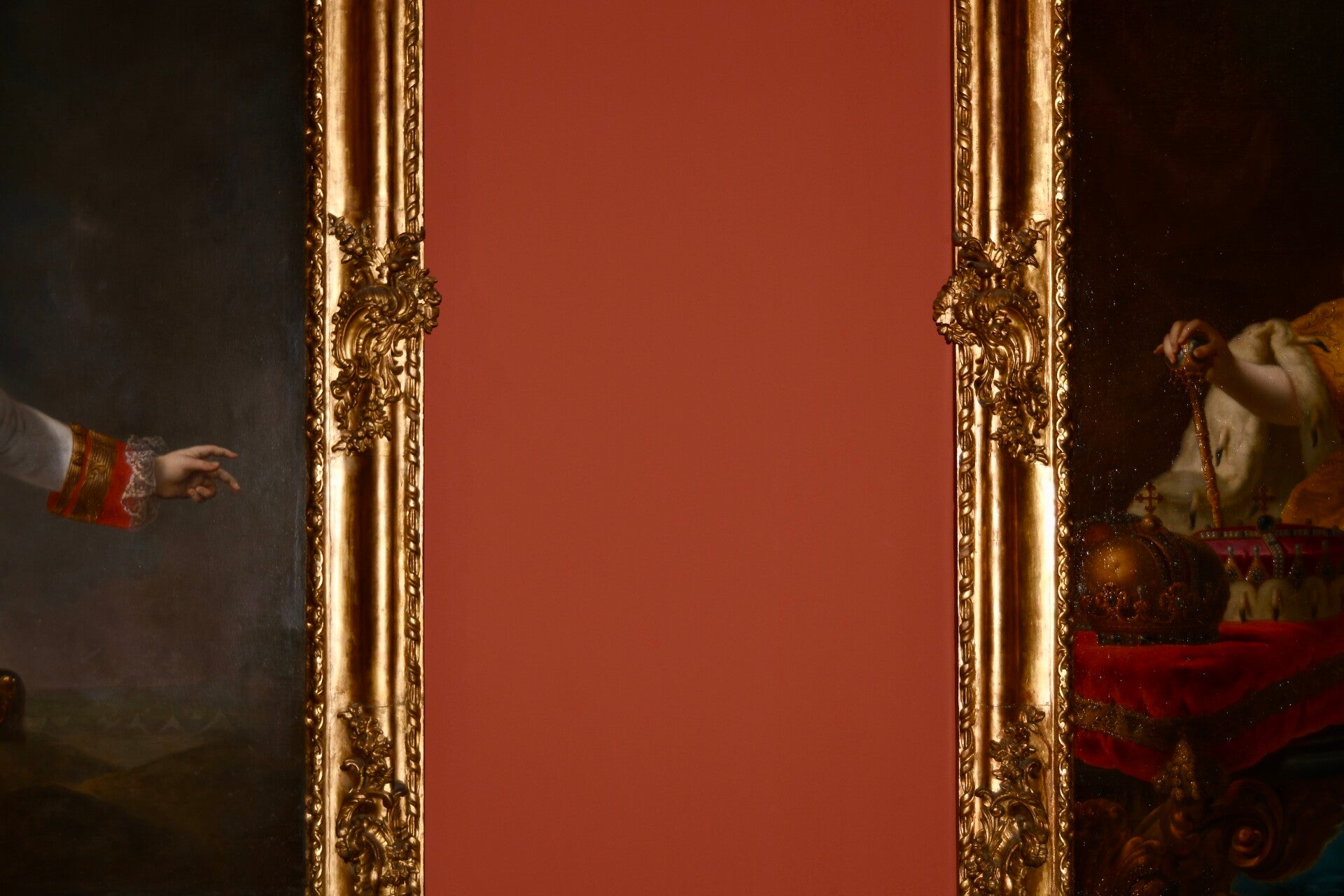
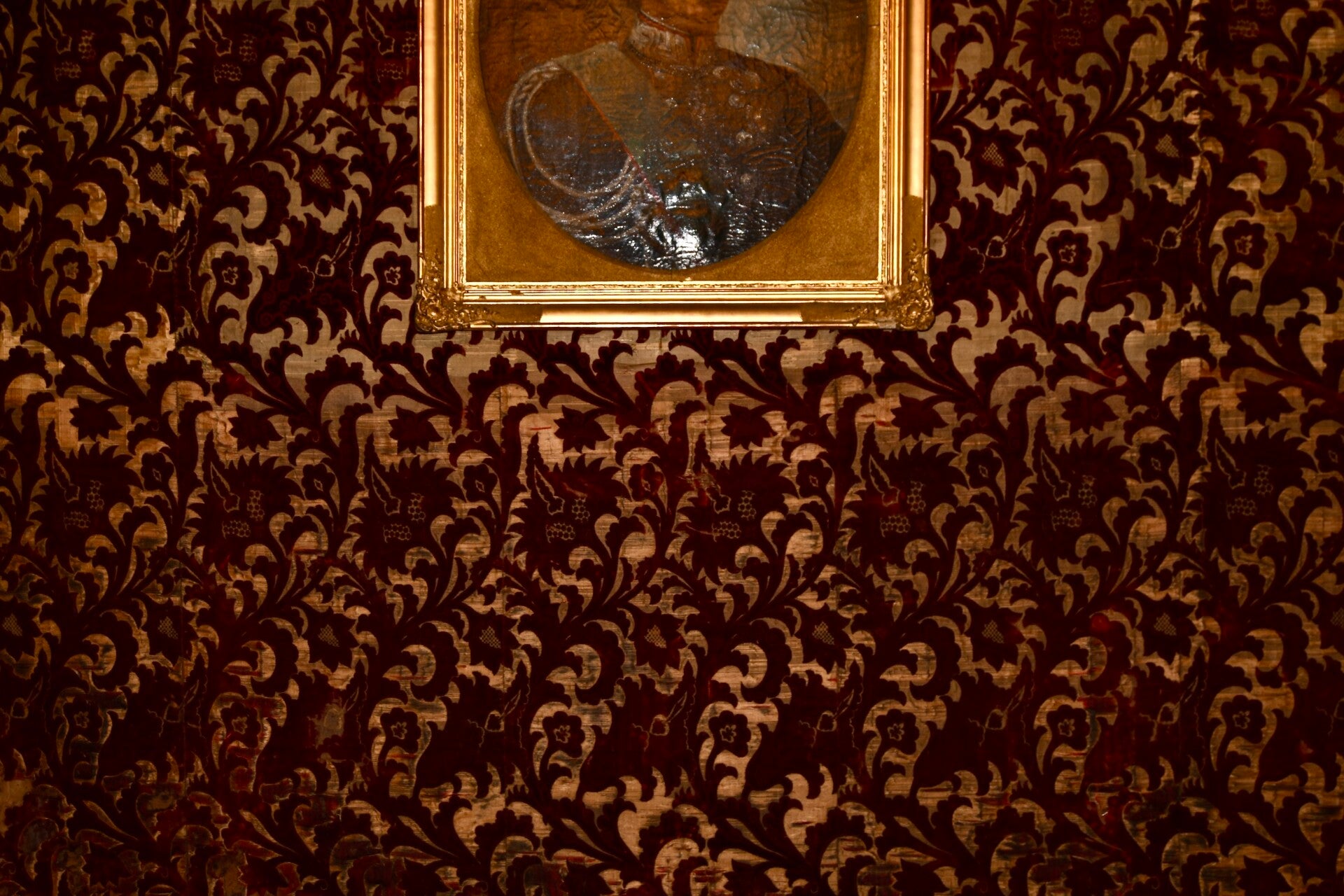
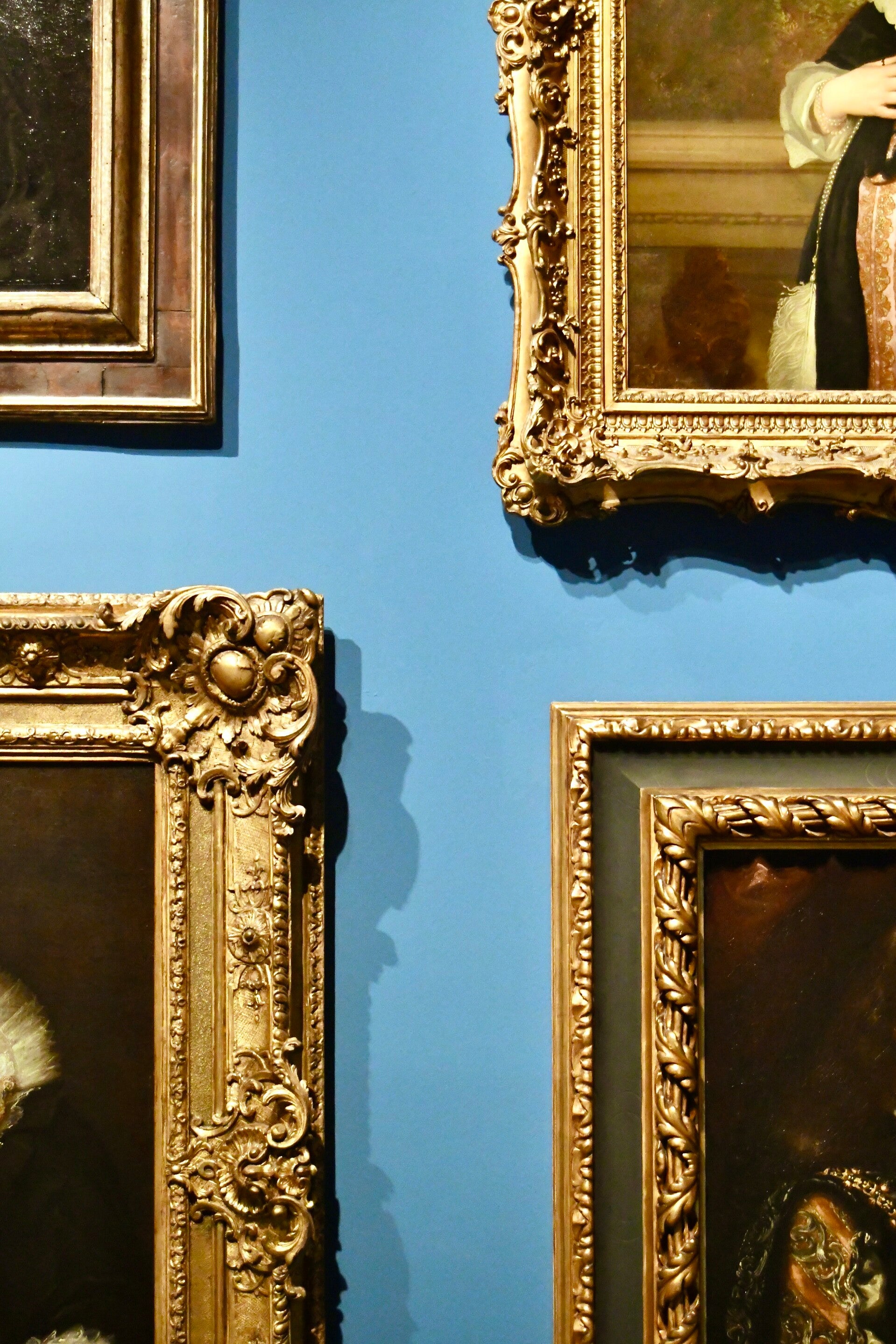
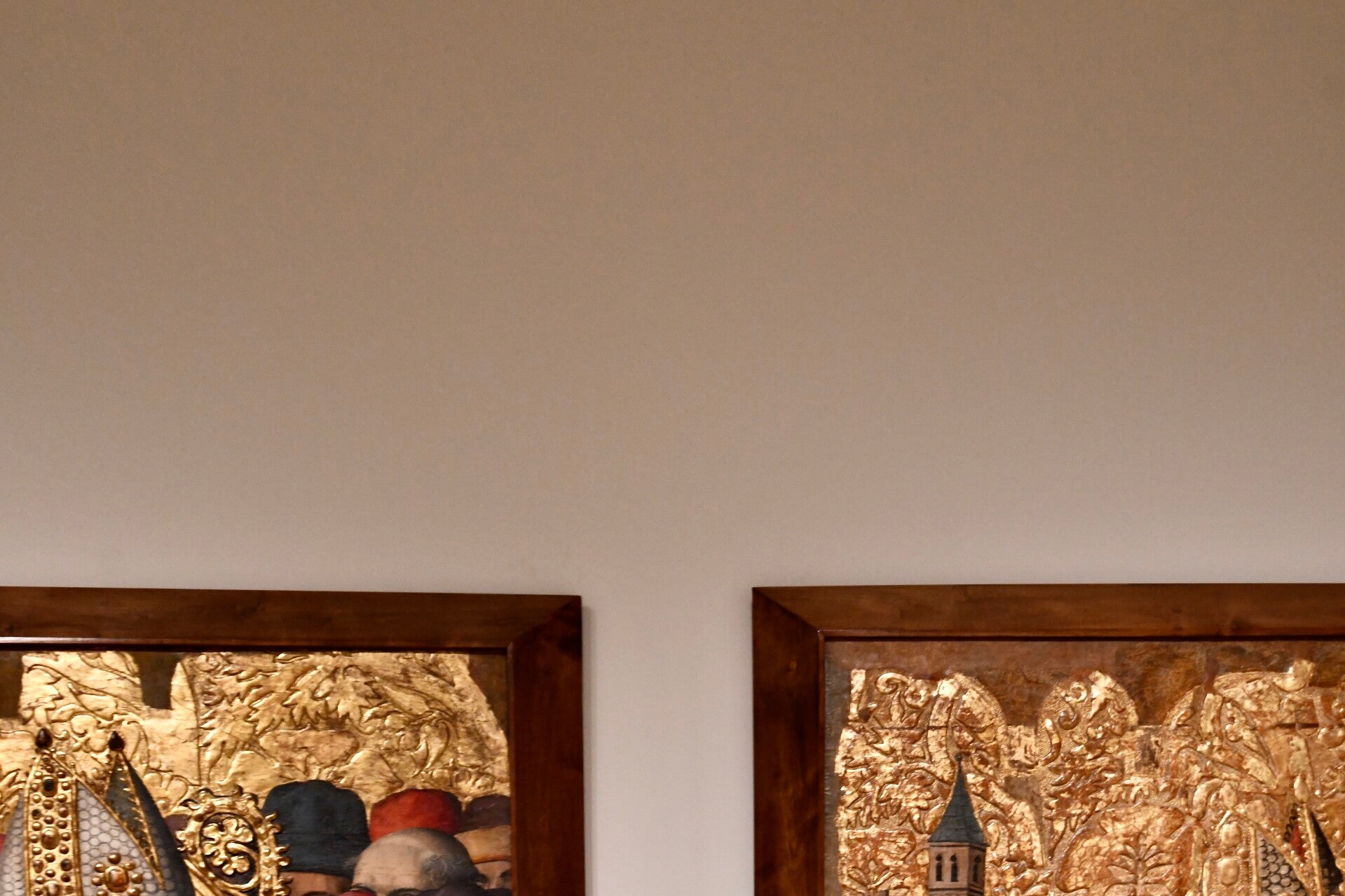
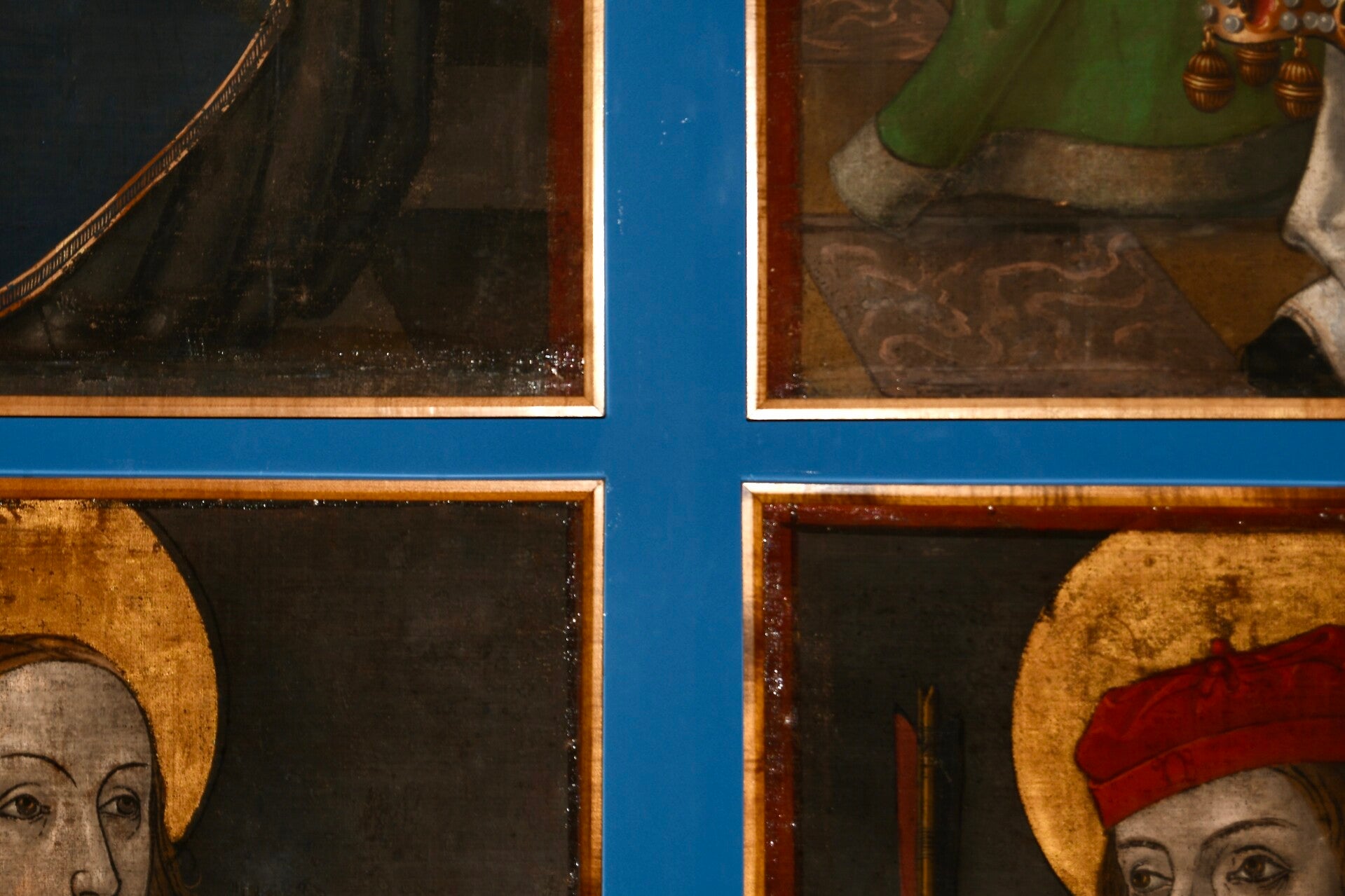
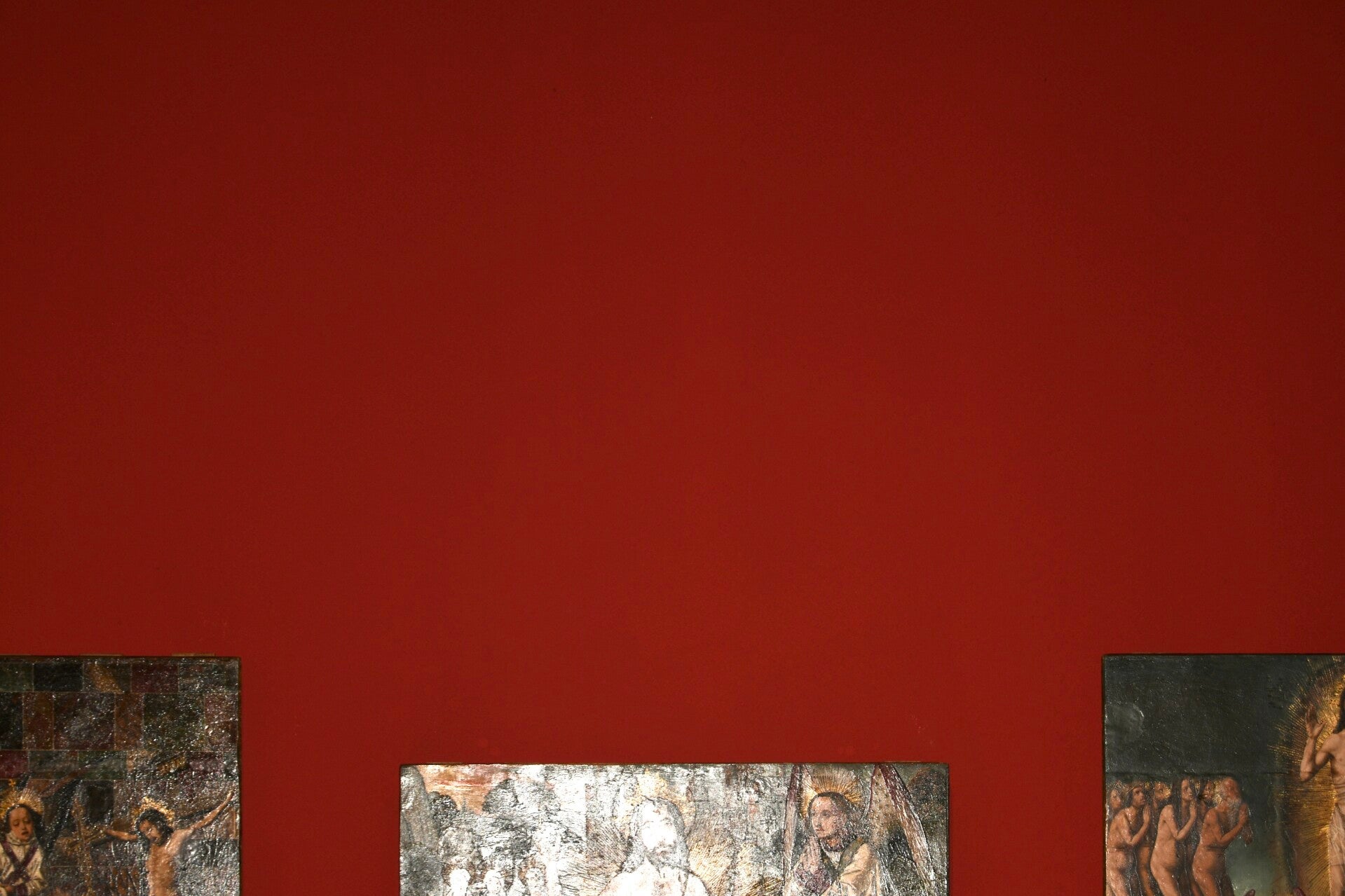
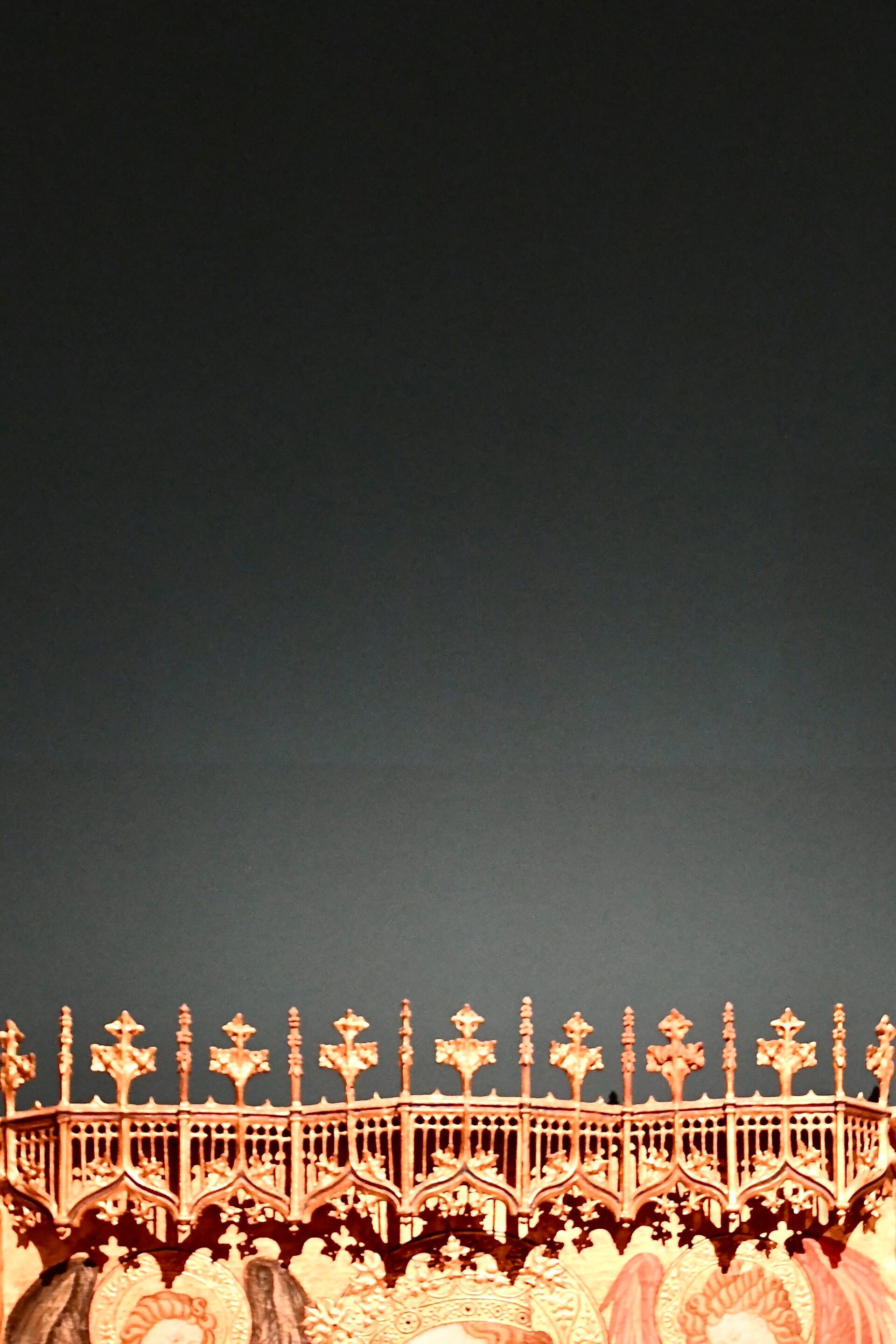
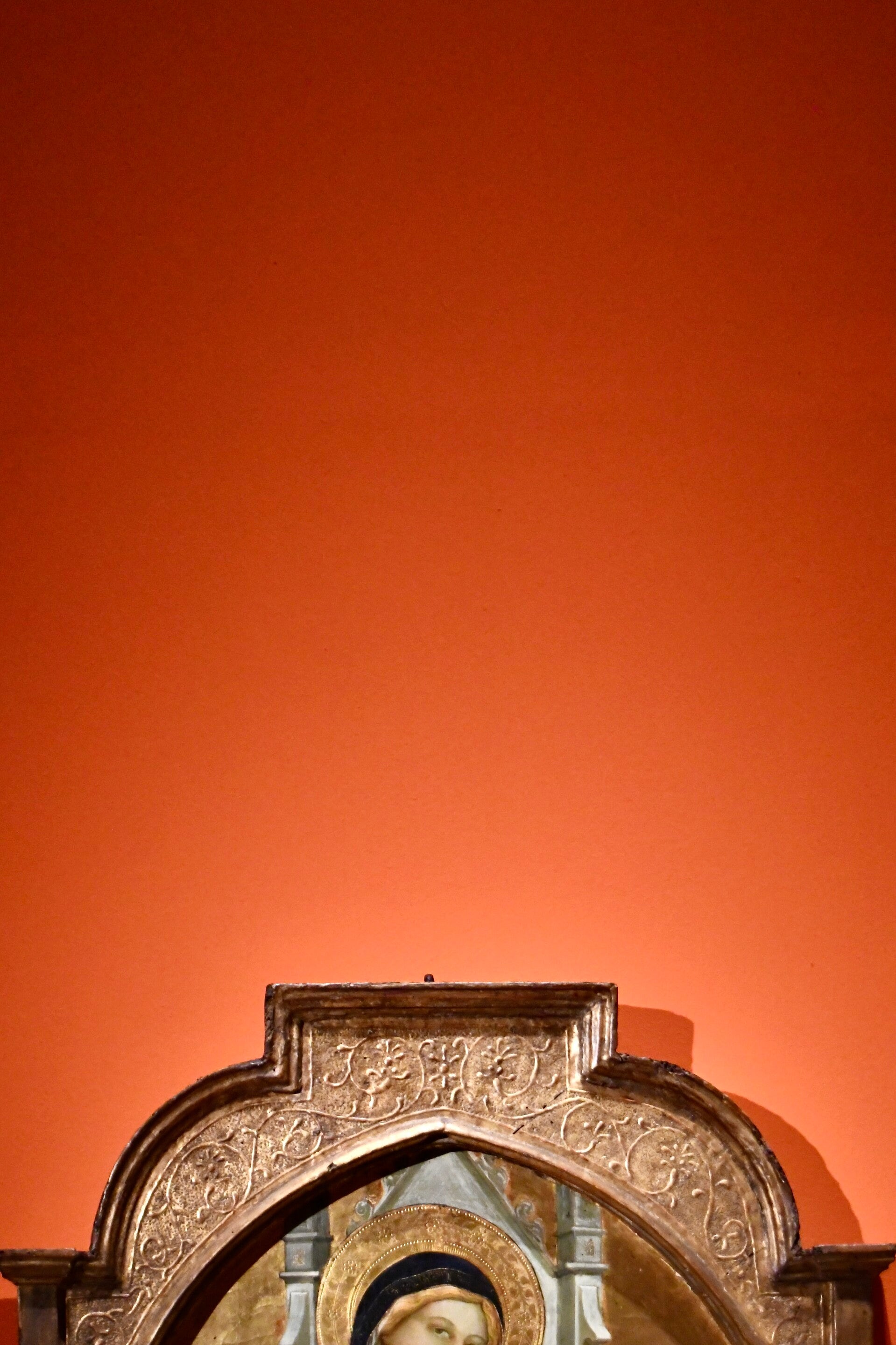
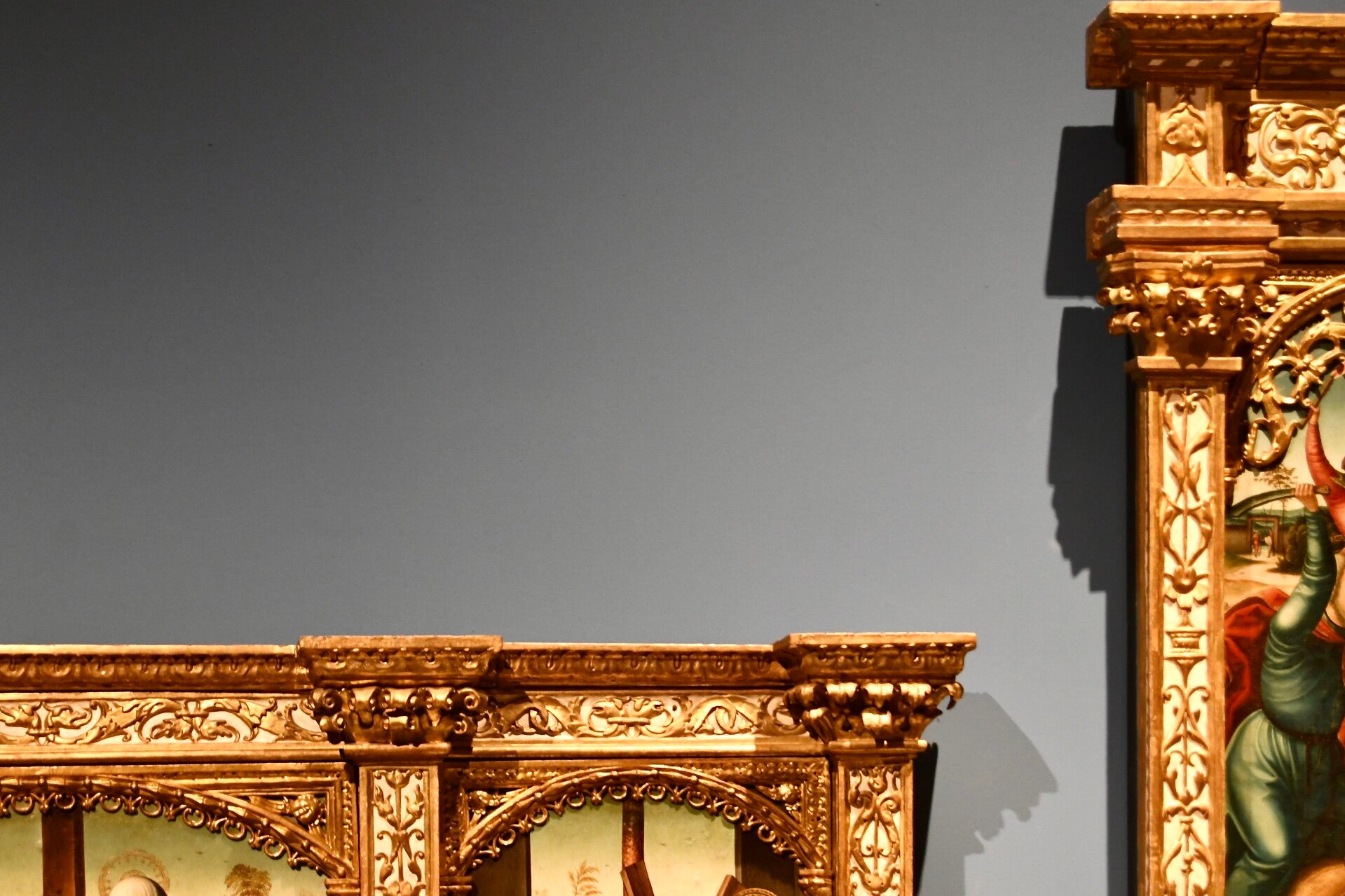
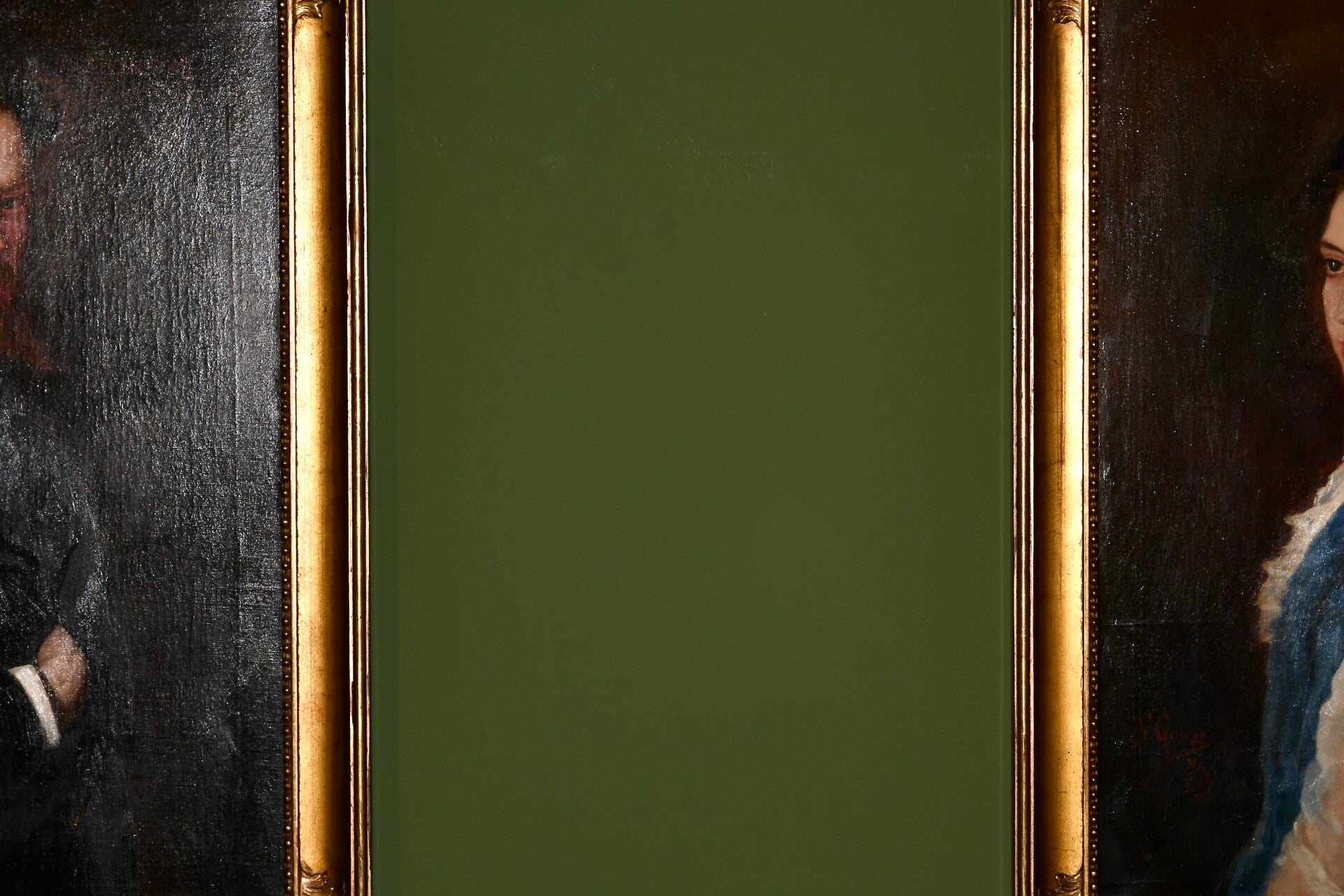
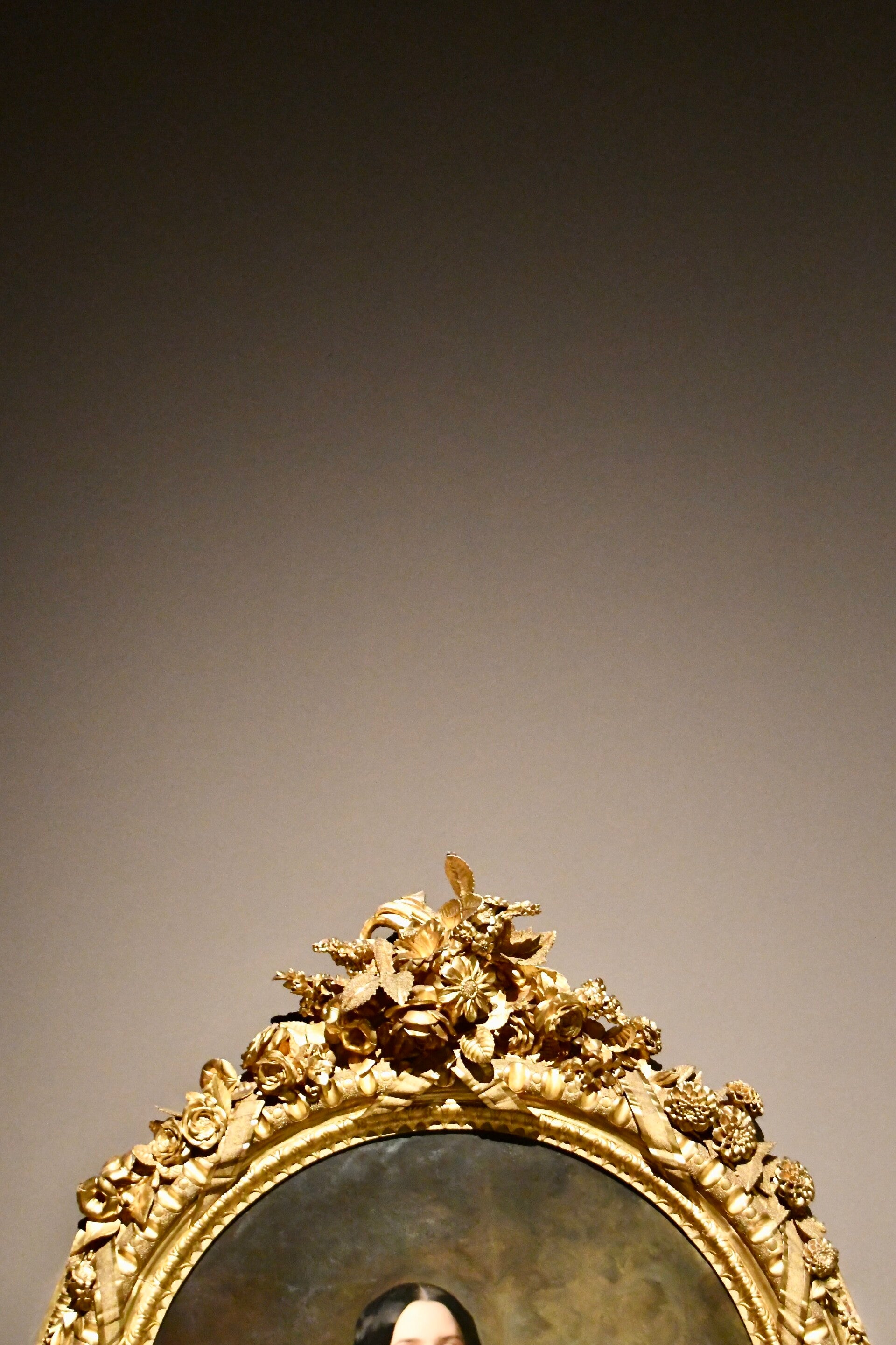
My photographic series functions as an appropriative act rooted in the museum context. Within this environment, I question institutional authority by redirecting attention away from conventional focal points toward the overlooked peripheries — revealing what the institution itself leaves unseen. This shift of gaze destabilises habitual modes of looking and reframes the surrounding space as part of the artwork.
In museums, one’s behaviour is prescribed, controlled and monitored. One is supposed to use the space according to its strict purpose. This is not a space for destabilisation or rebellion, and personal freedom is reduced to basic acts, like an angry gaze, a defiant glance or a silent hostility: minimalist subversion, micro institutional critique.





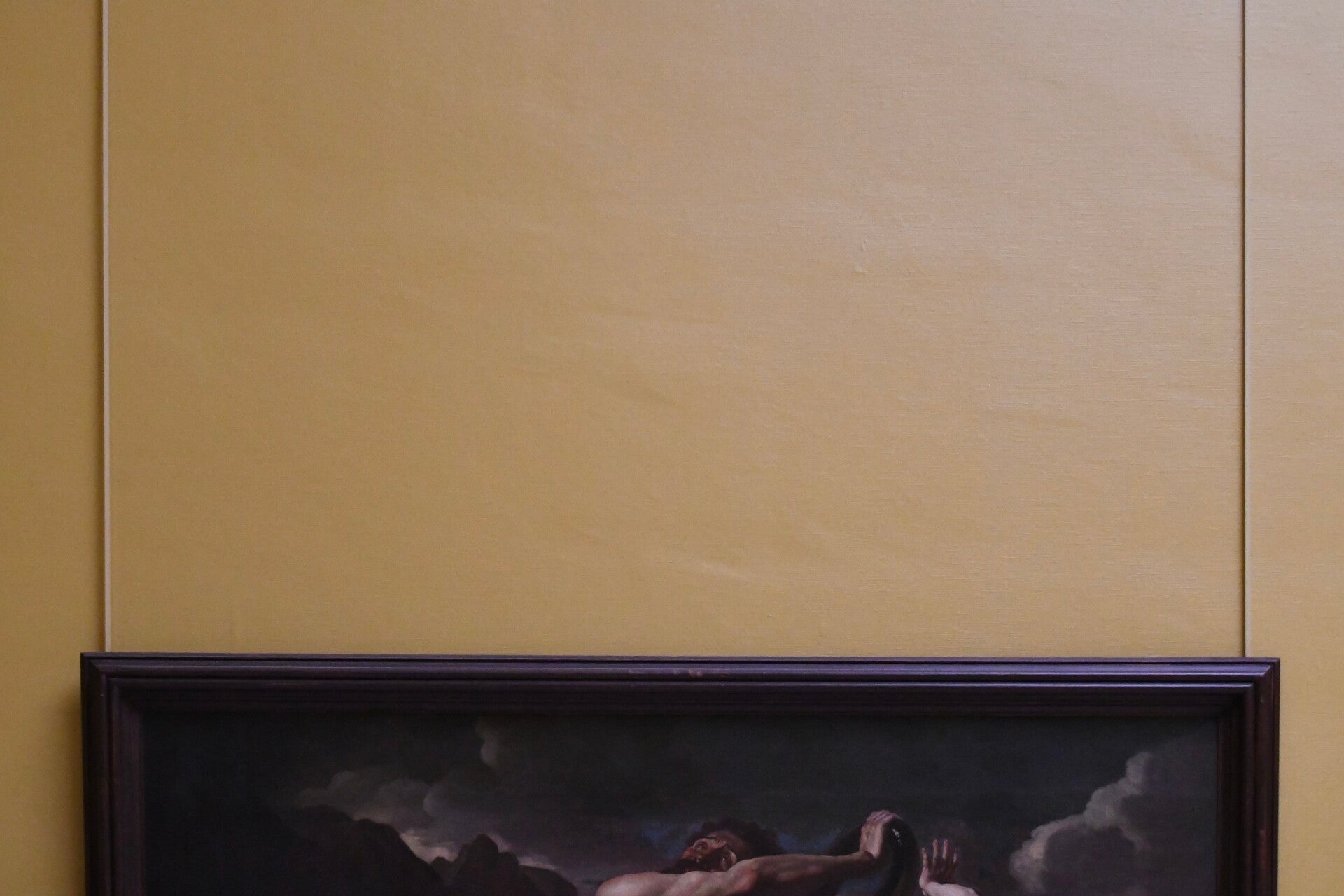
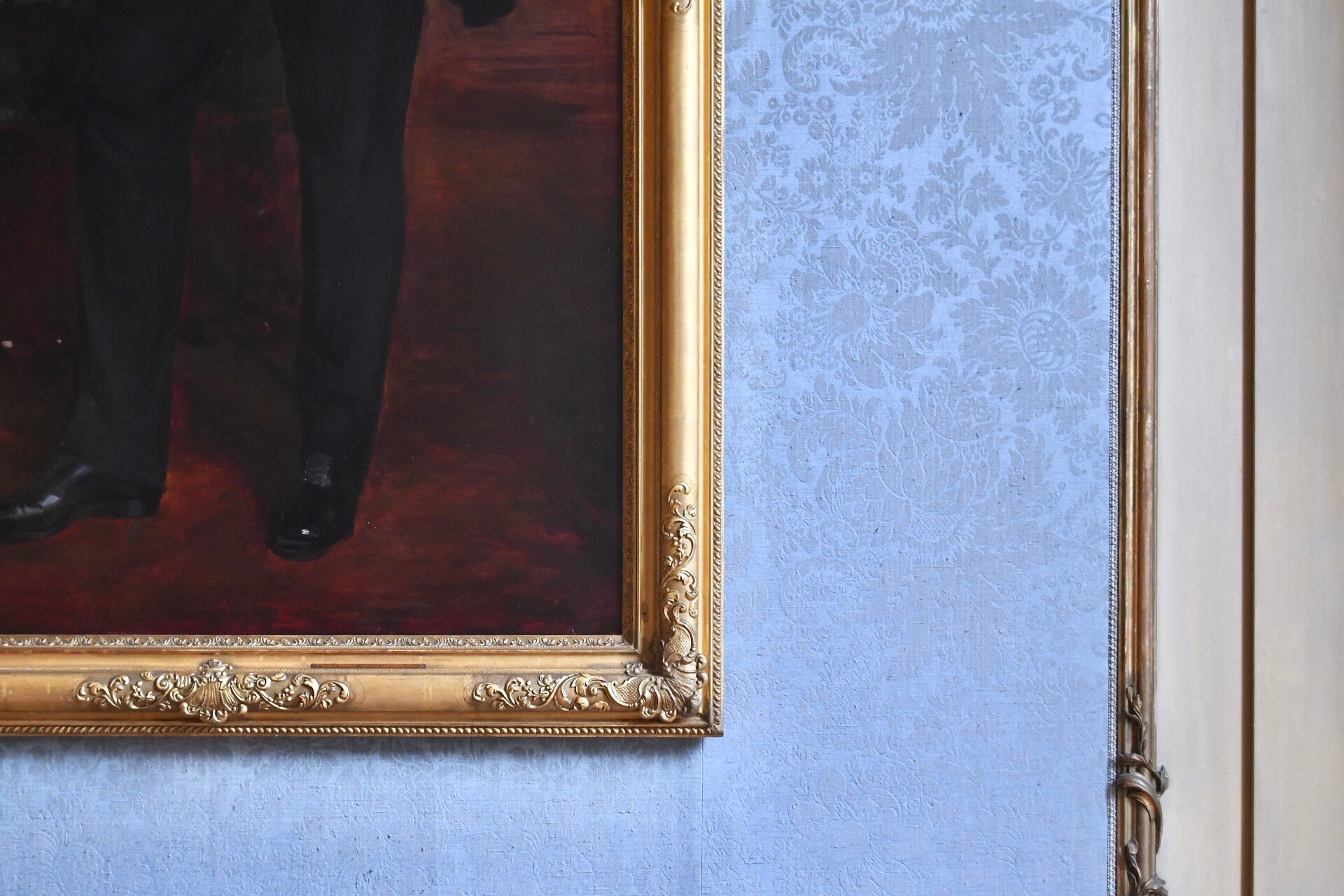
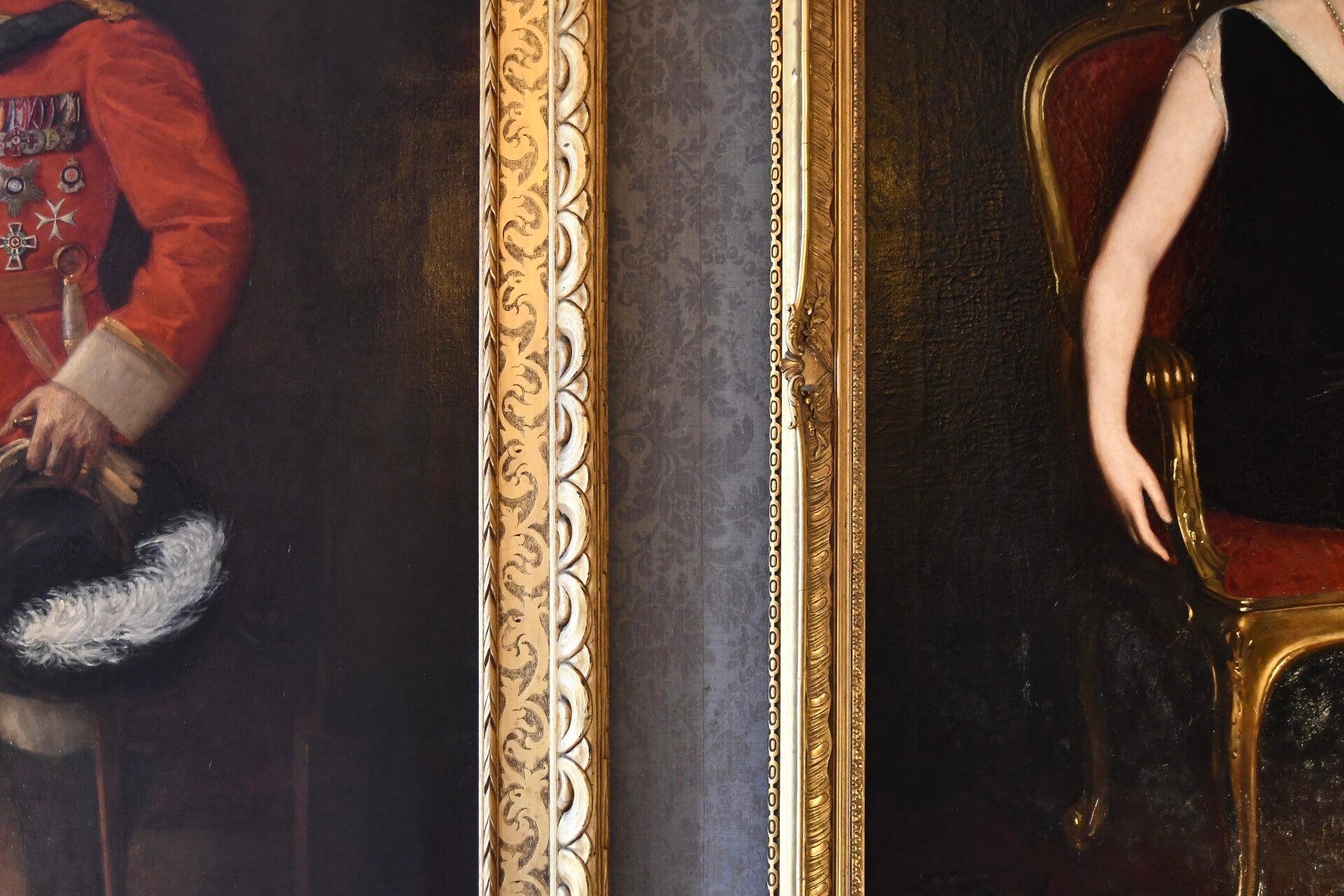
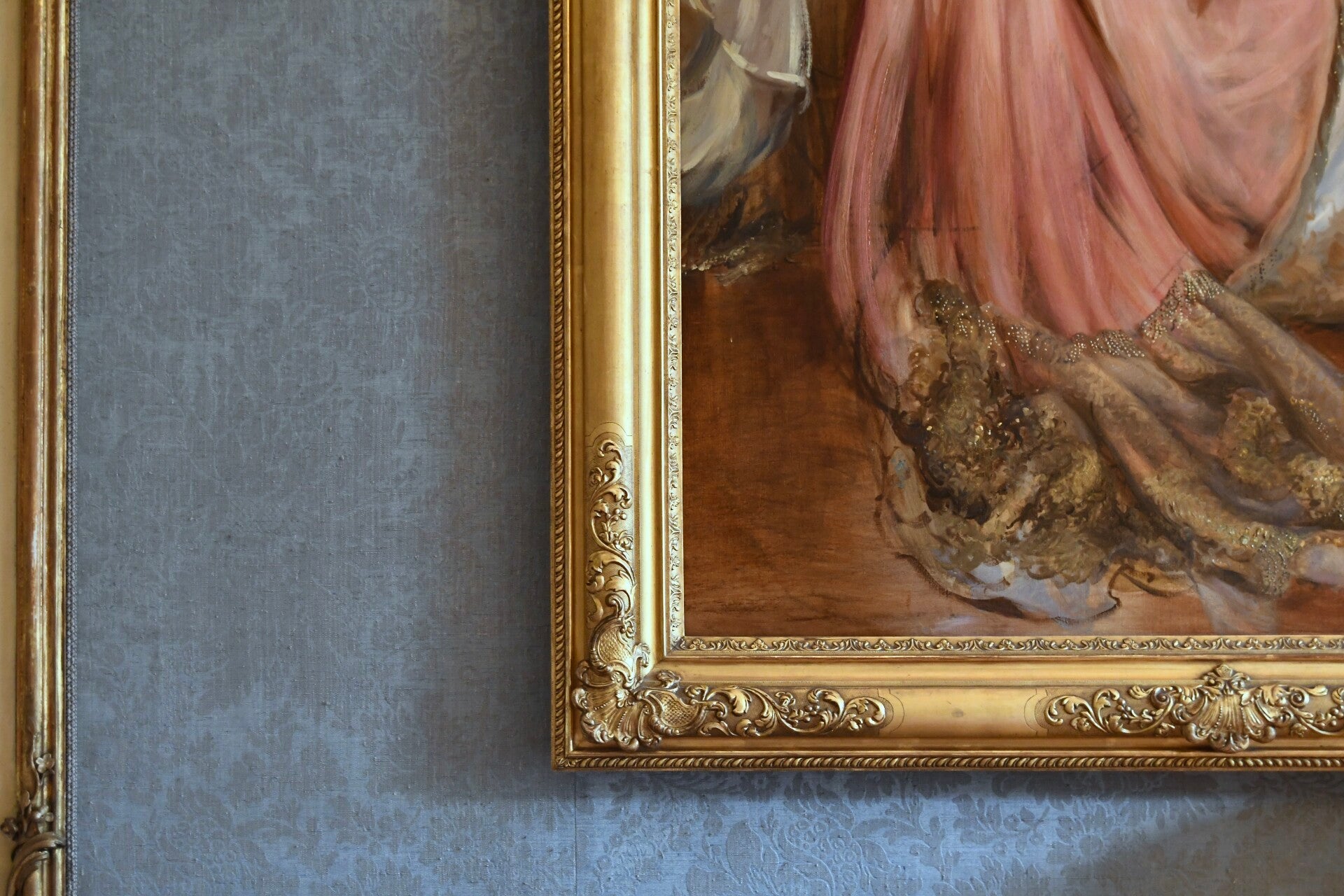


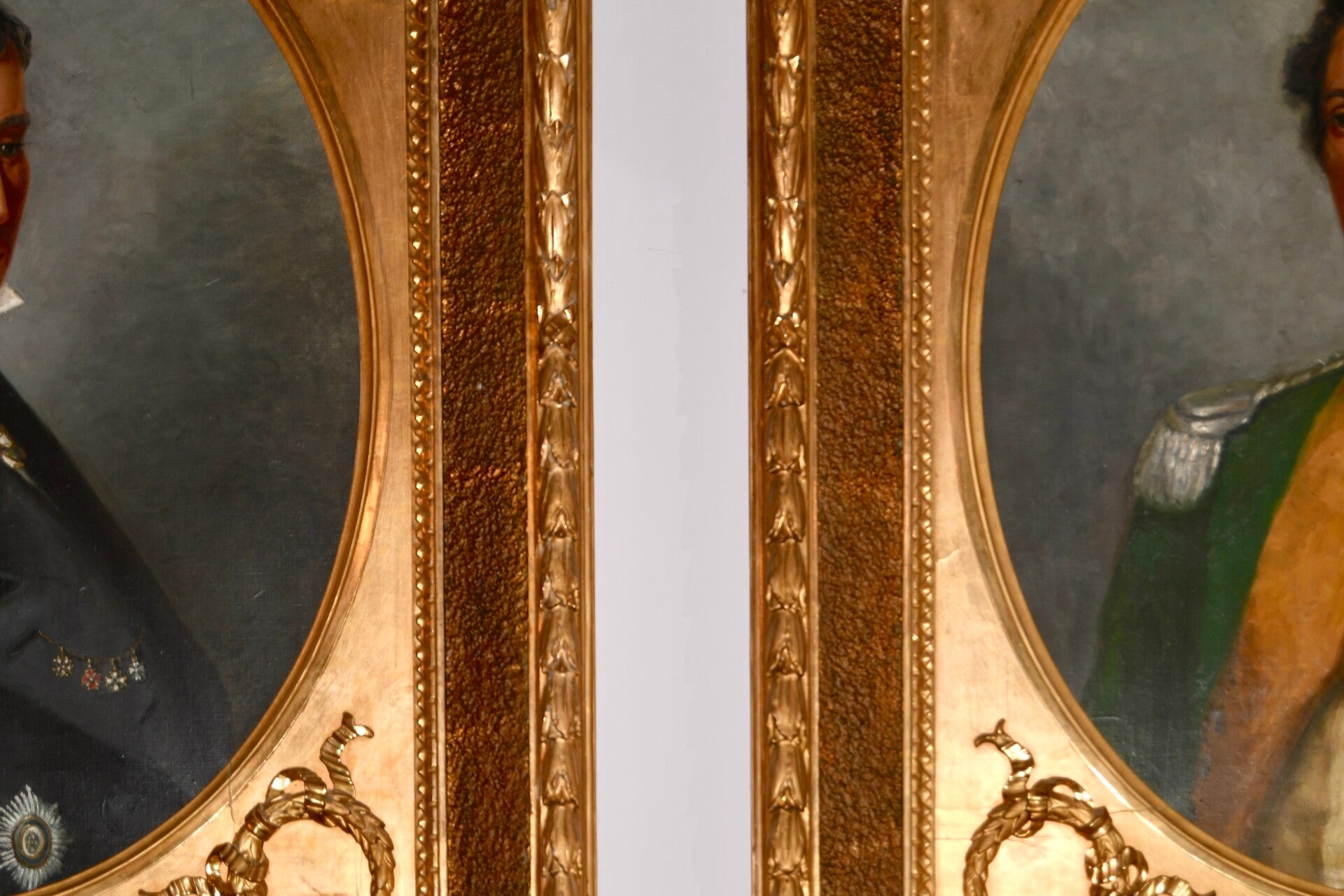
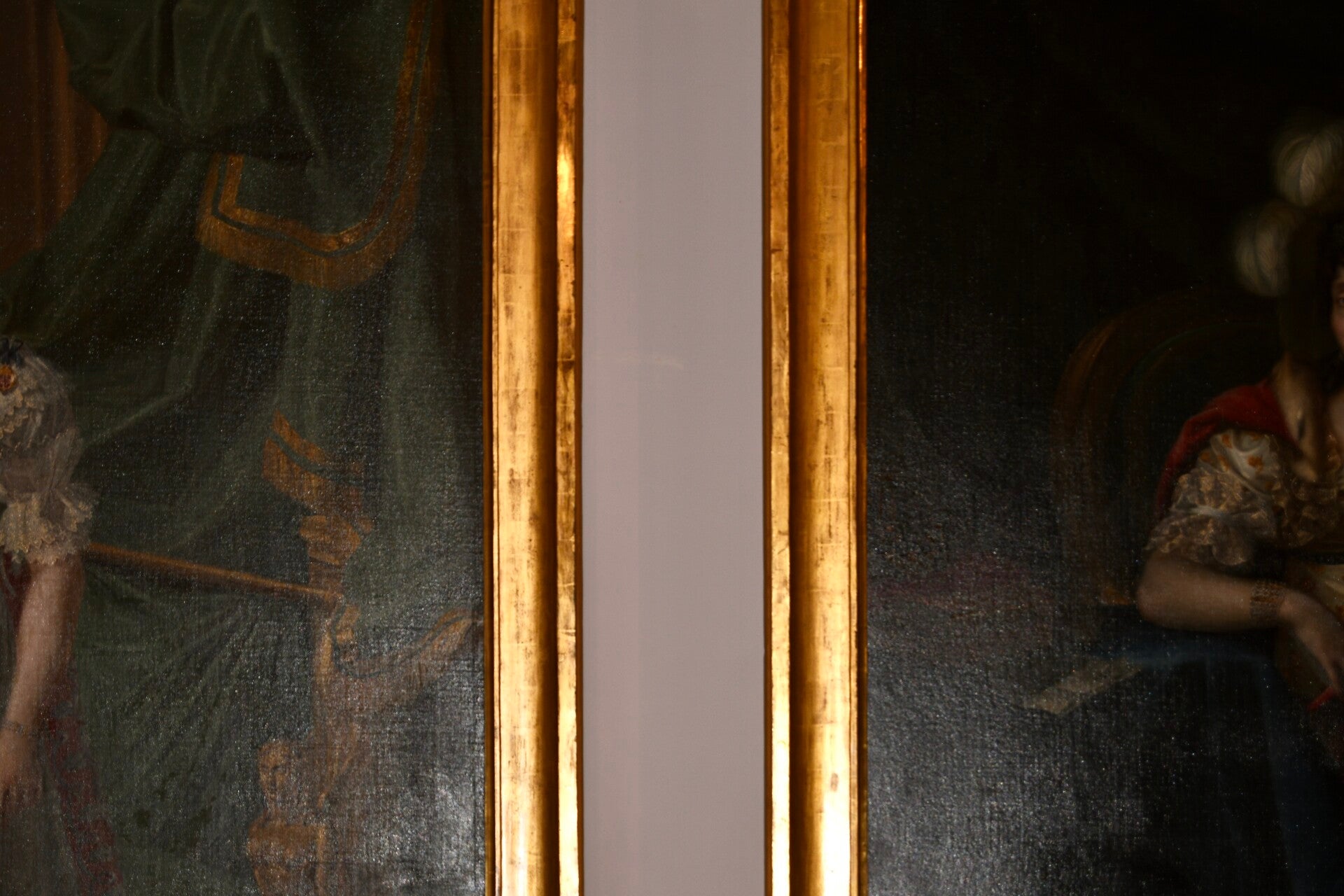
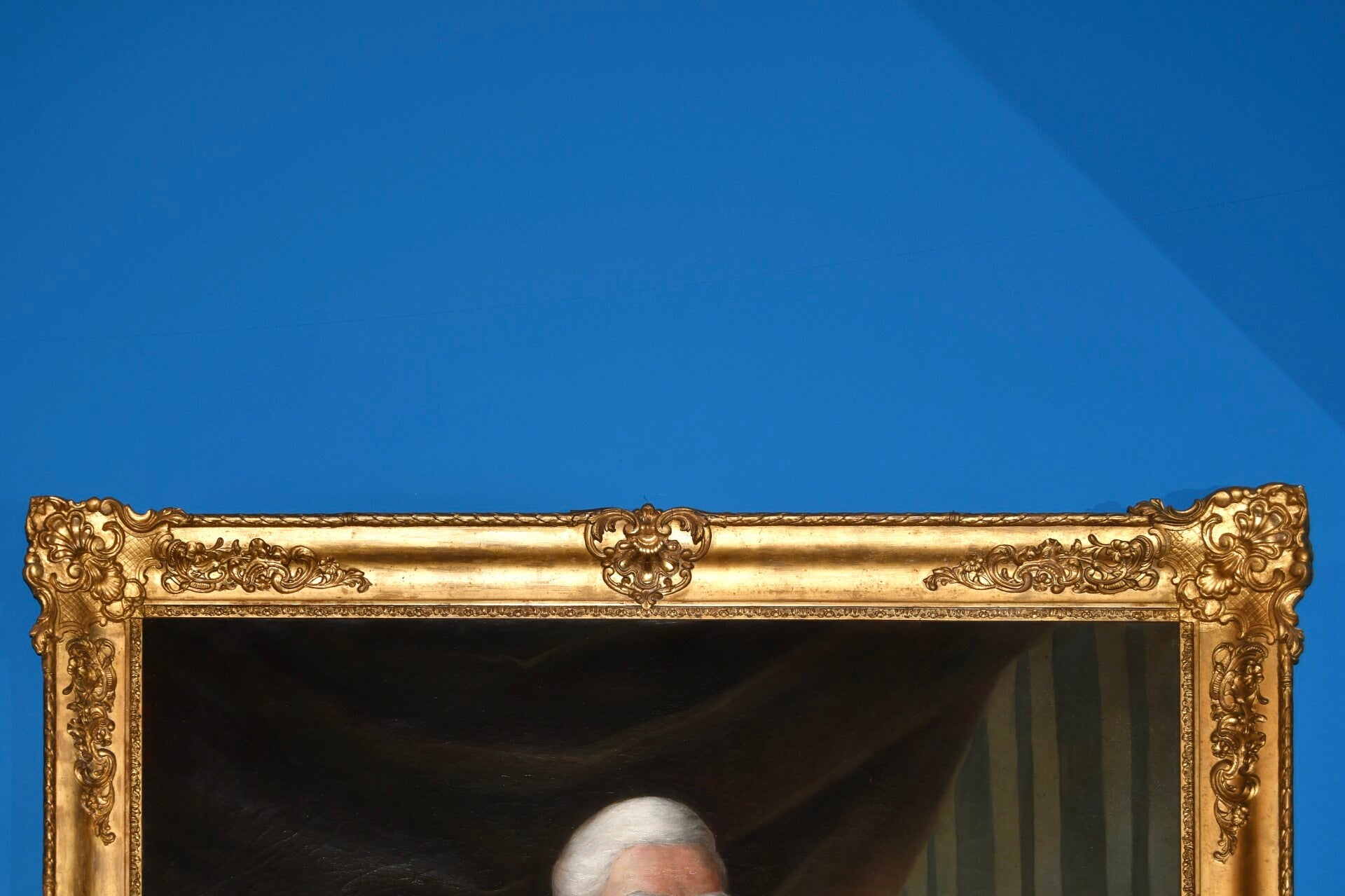
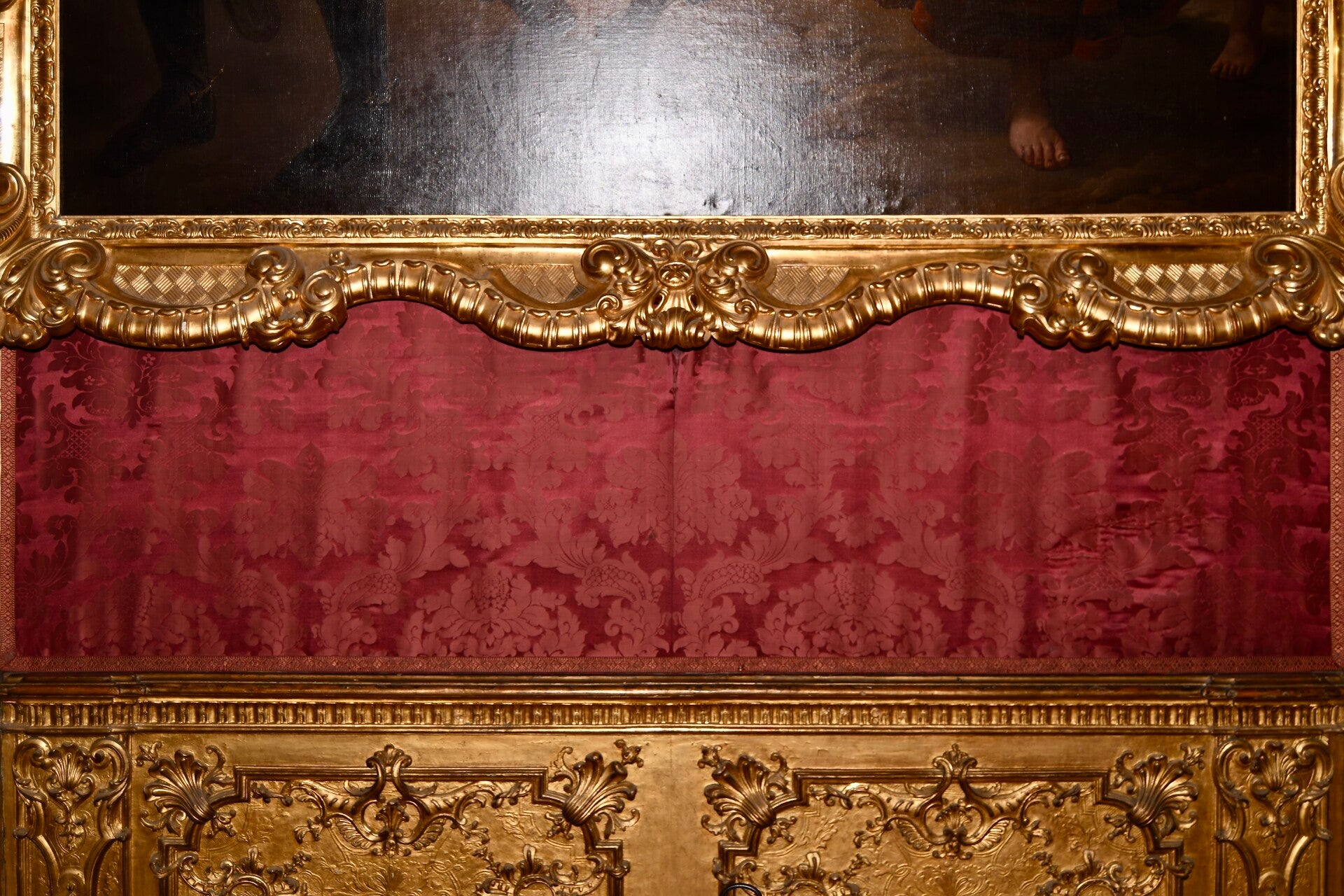

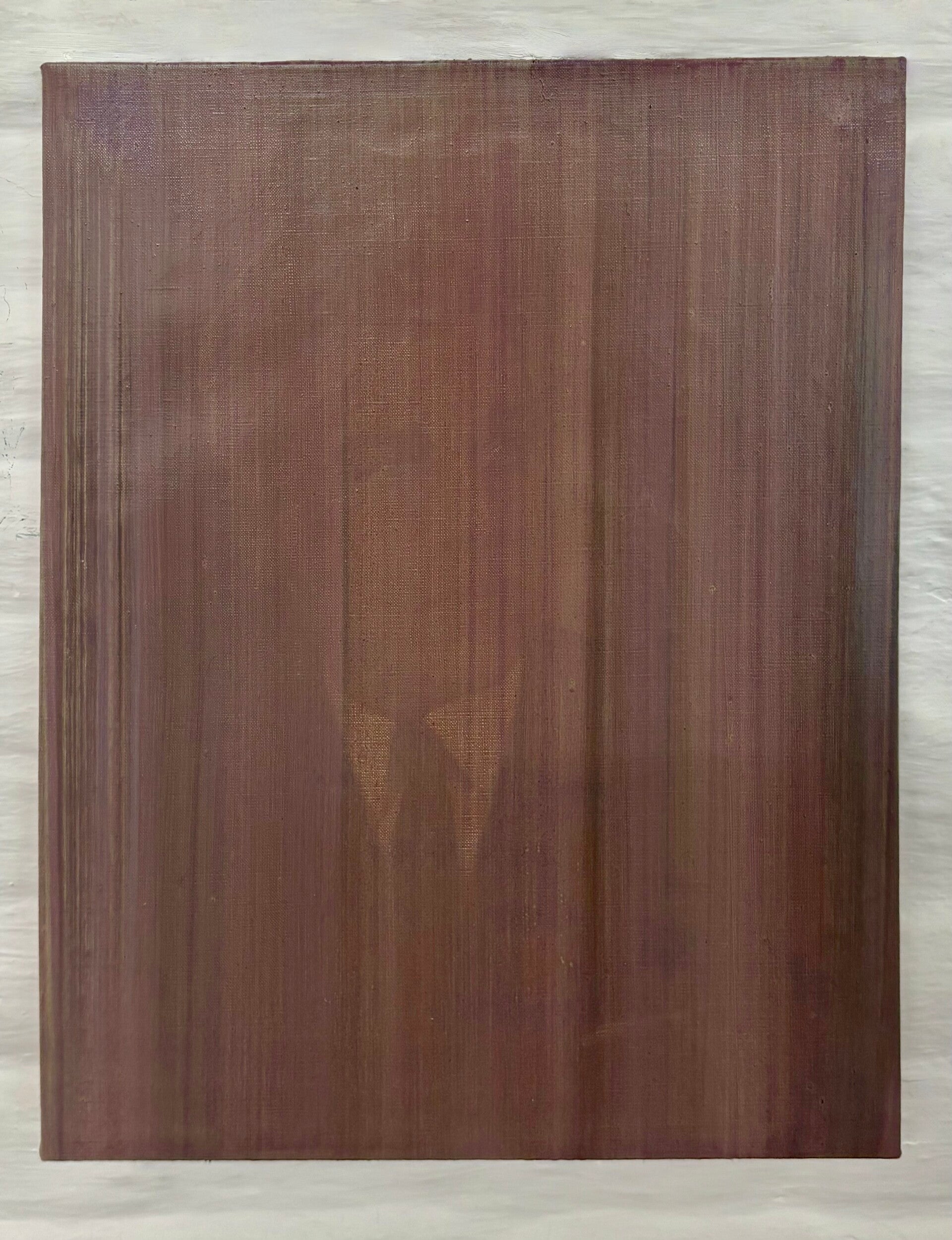
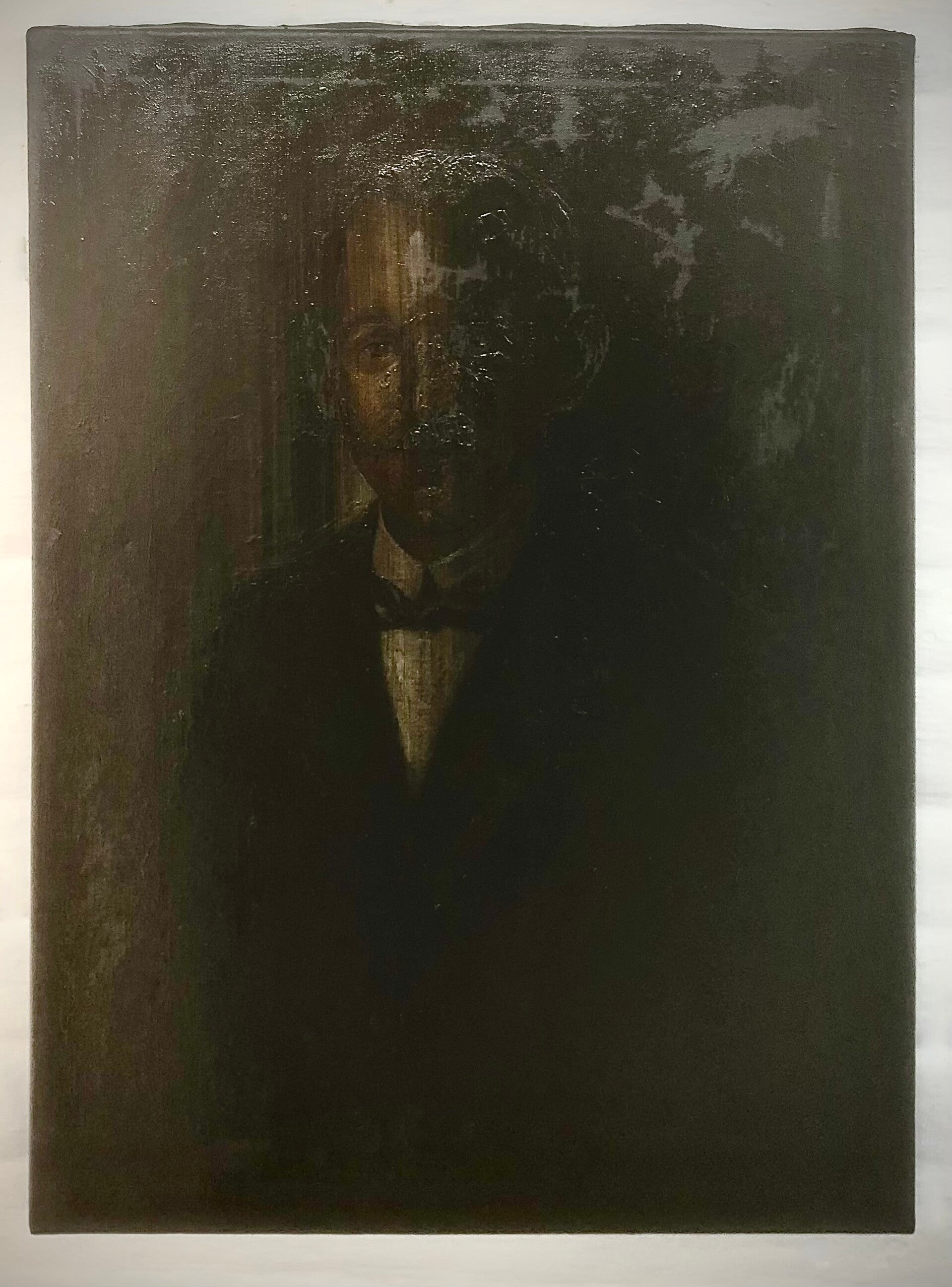
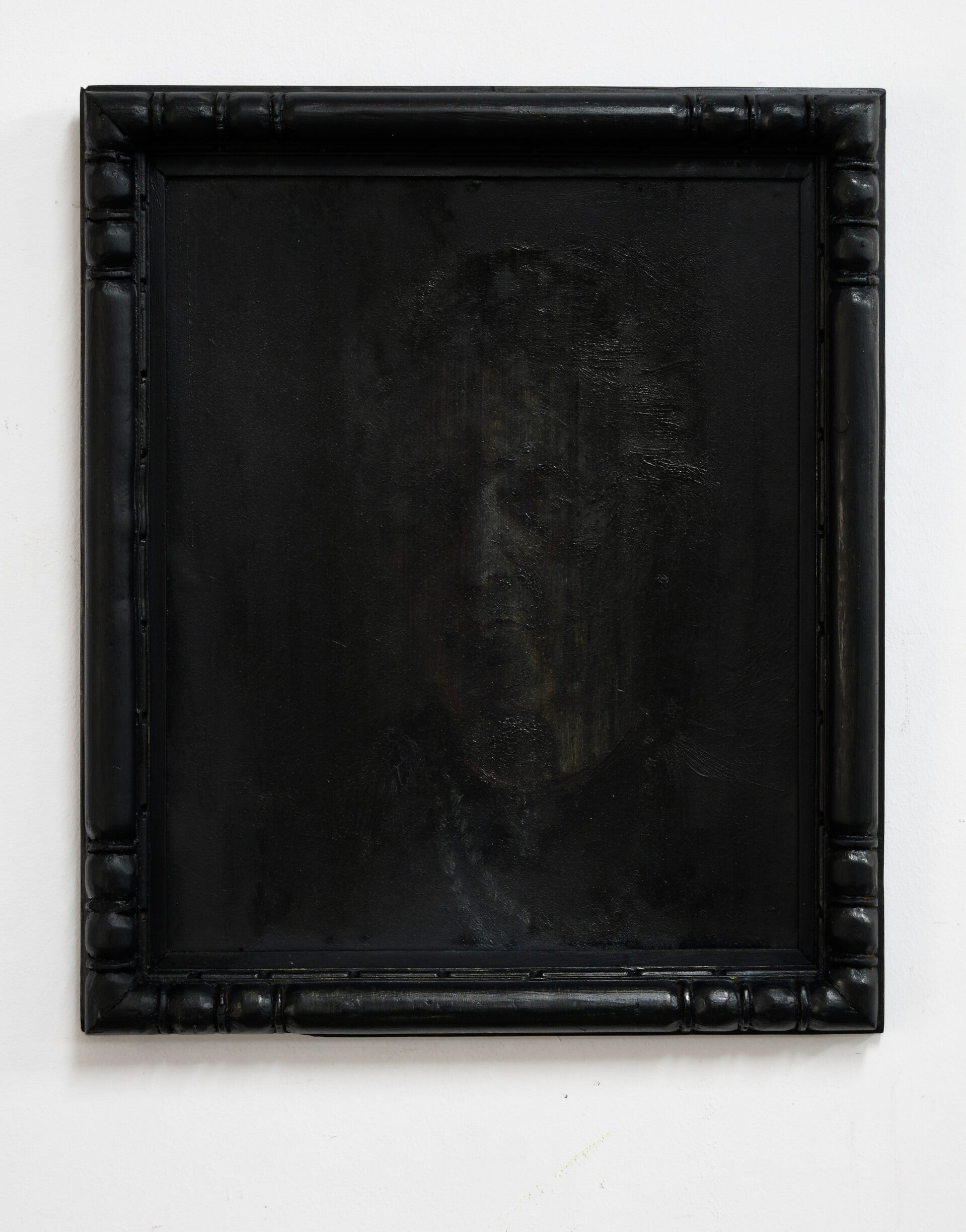
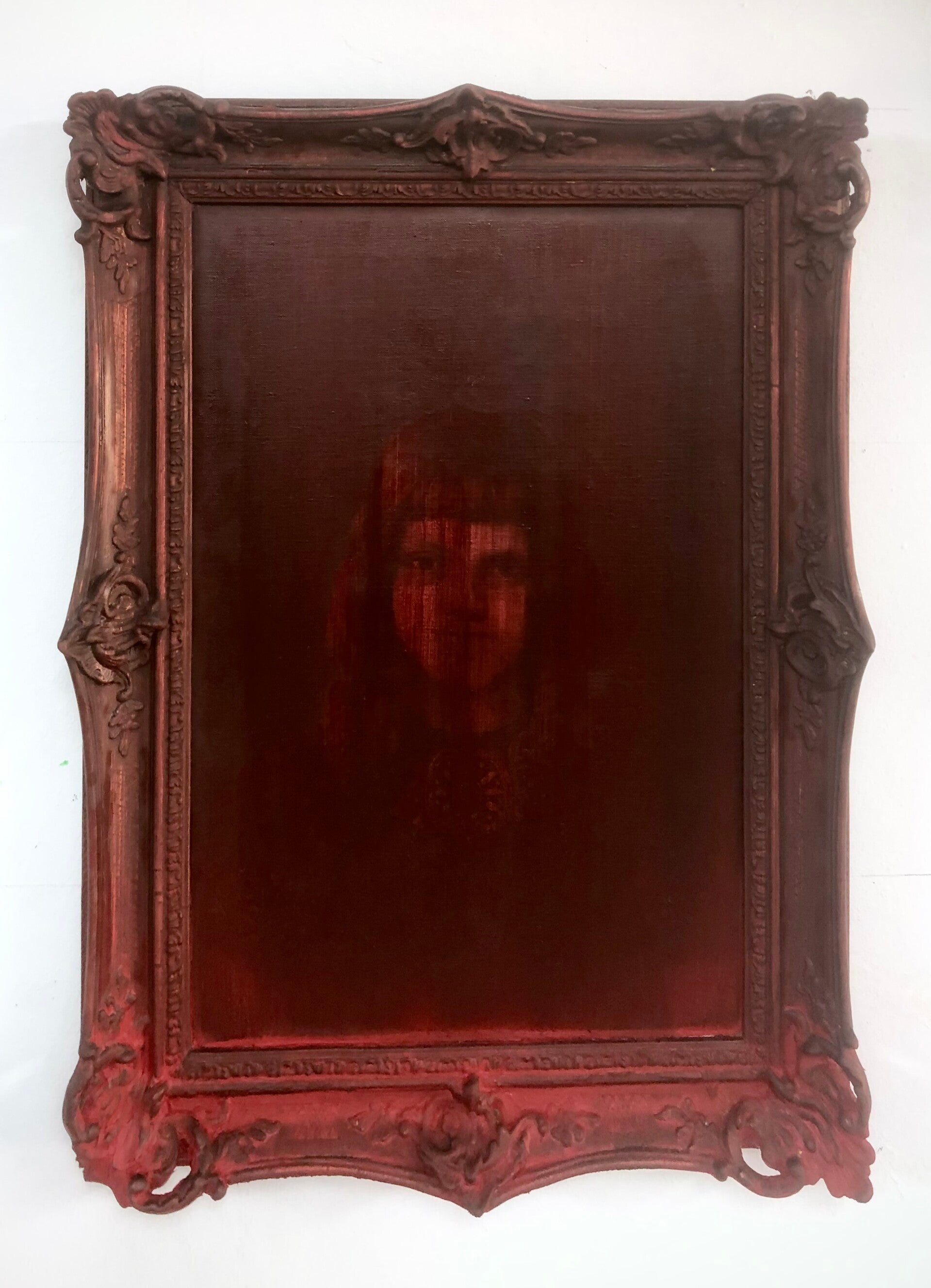
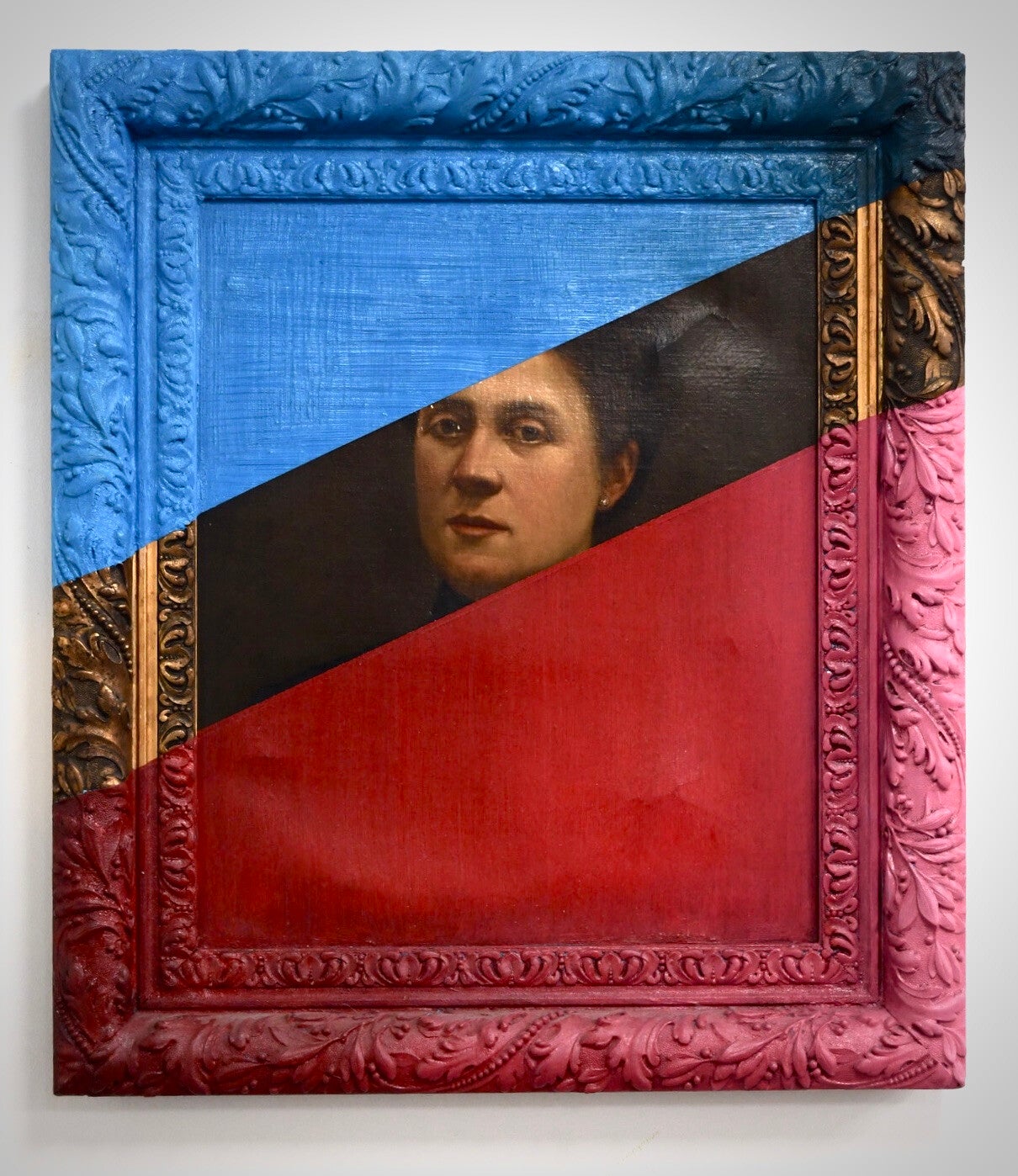
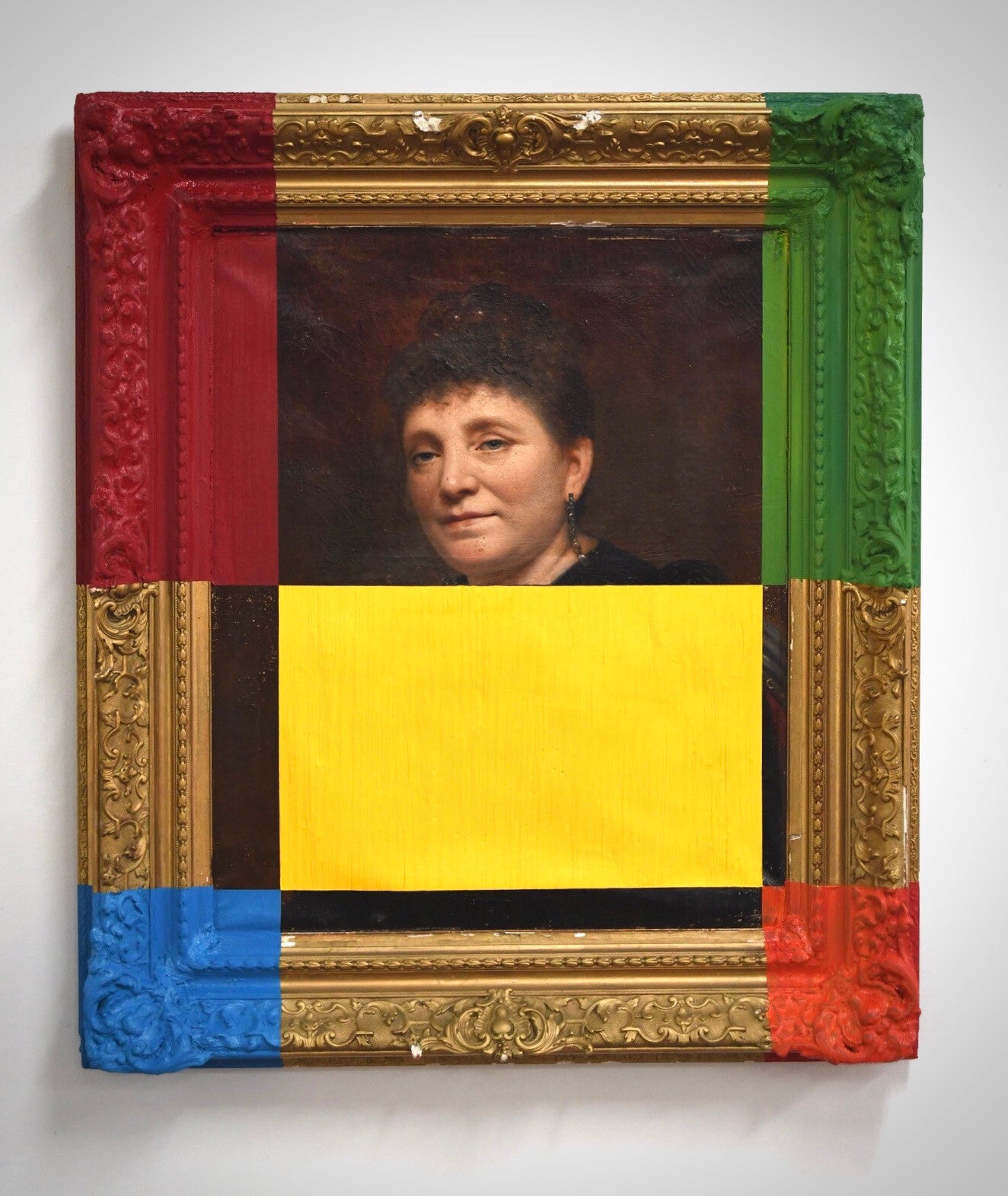
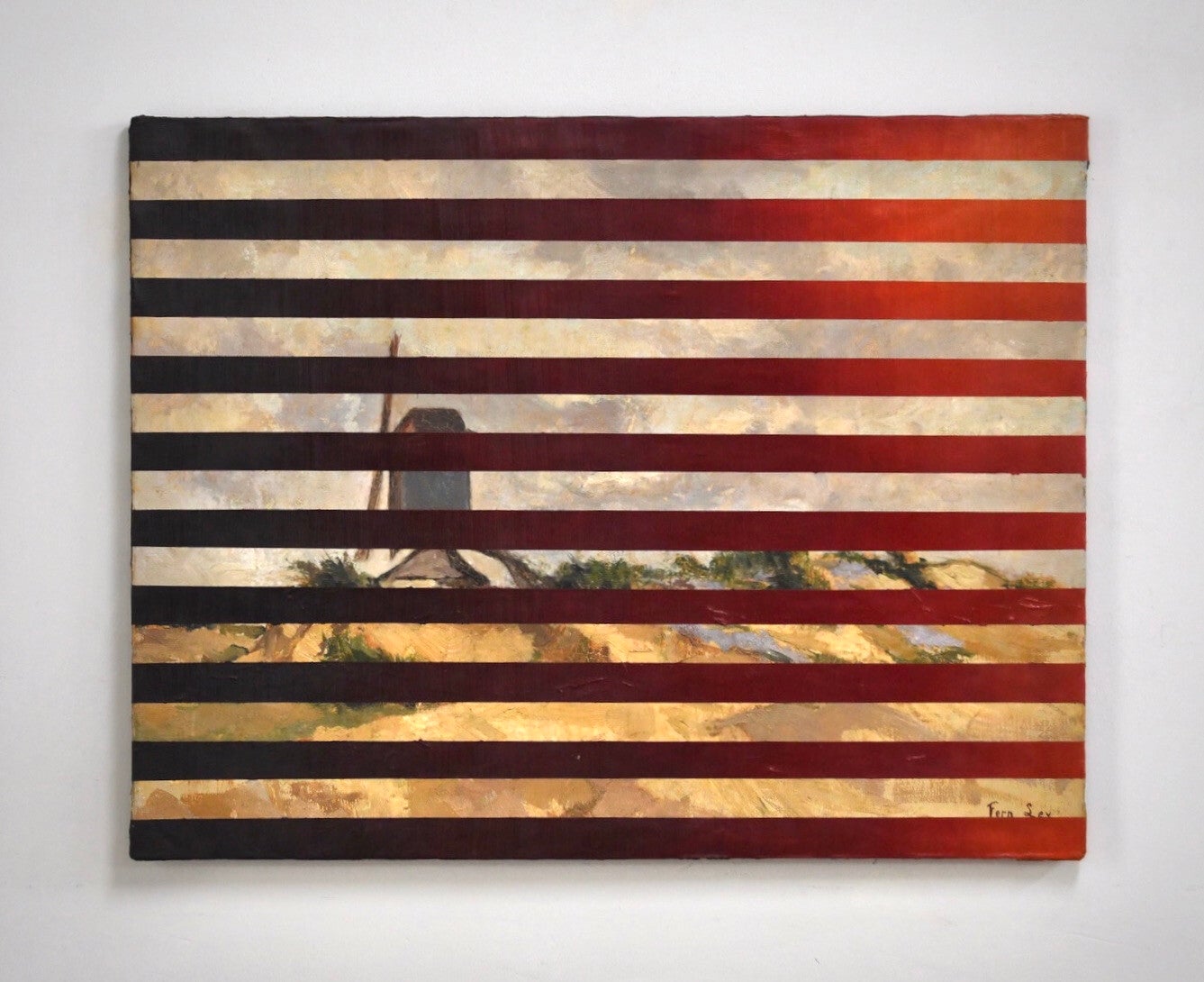
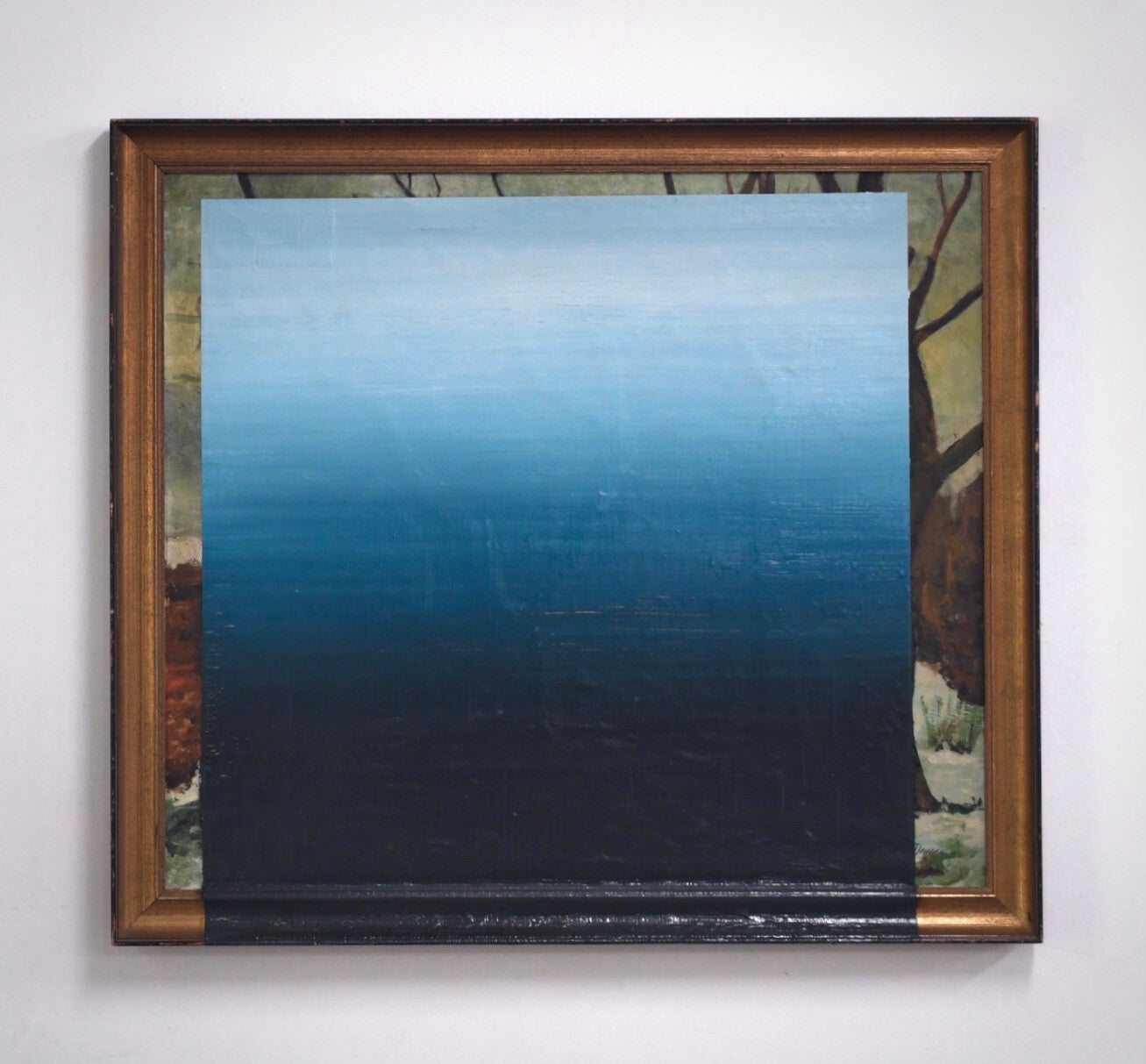
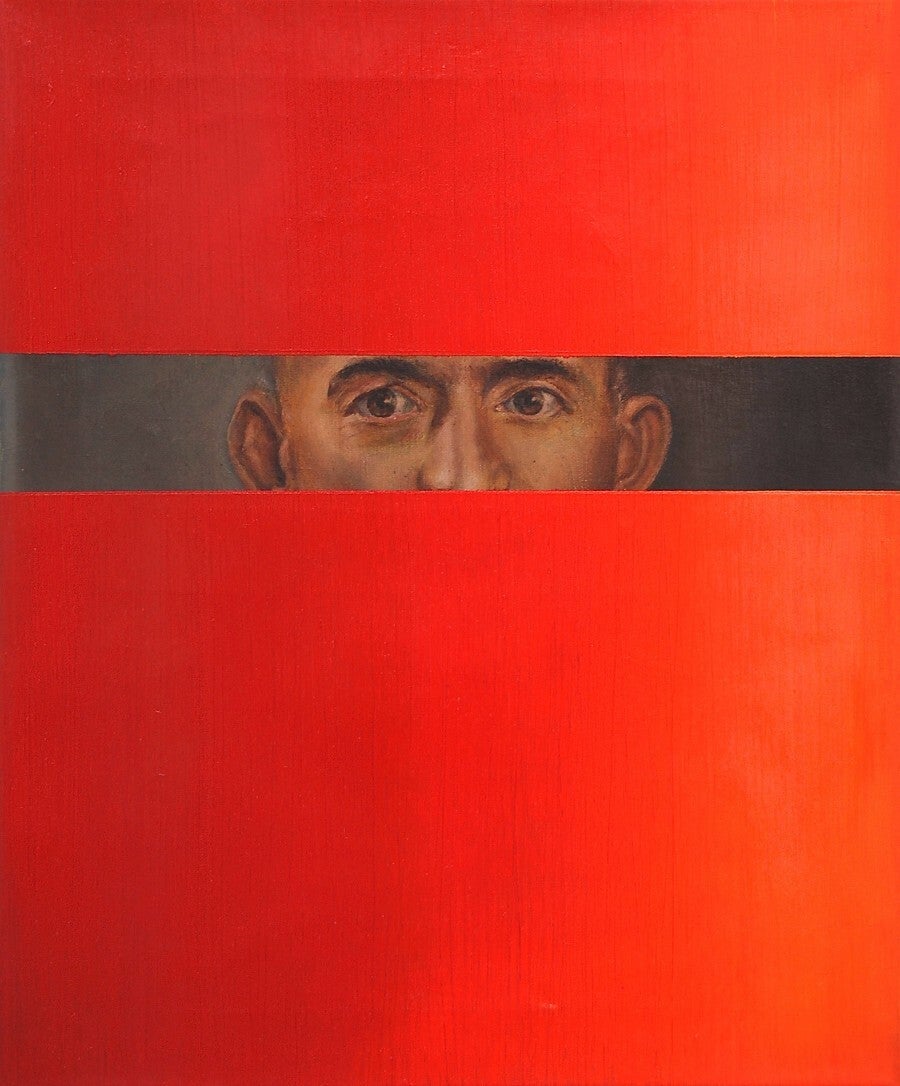
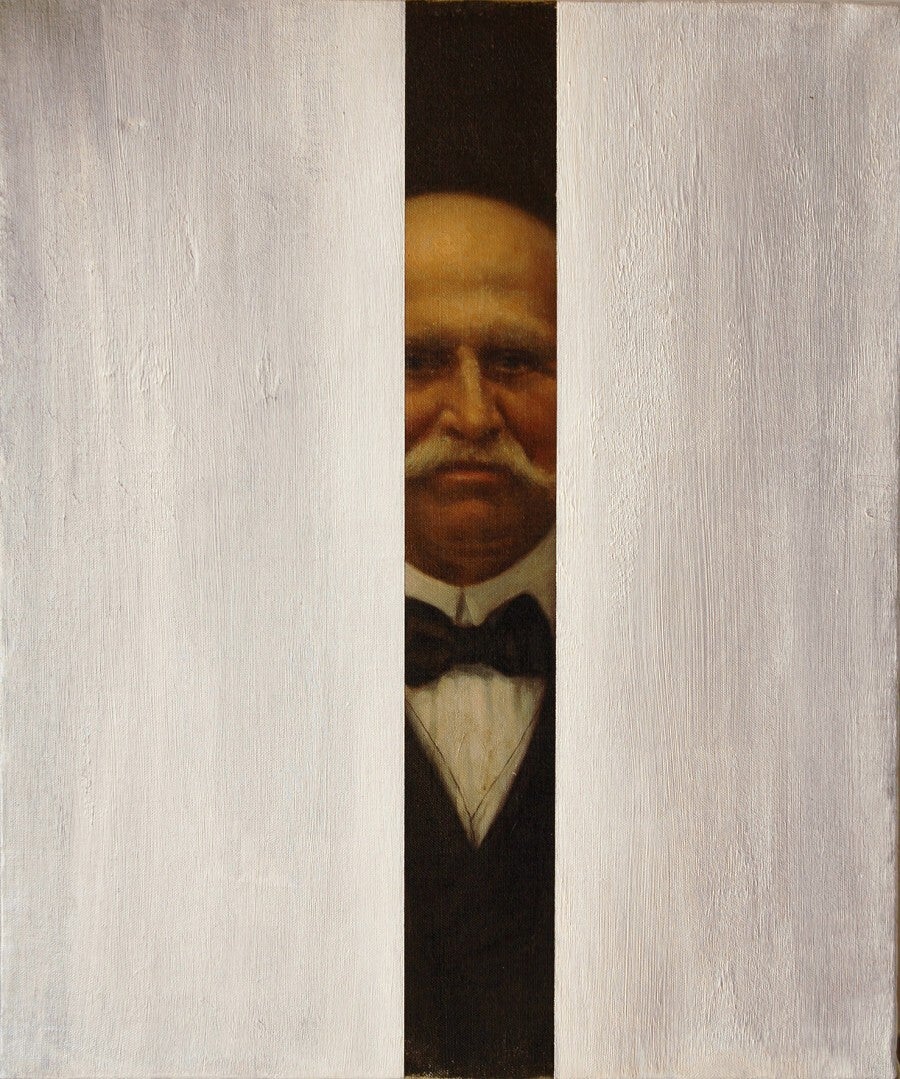
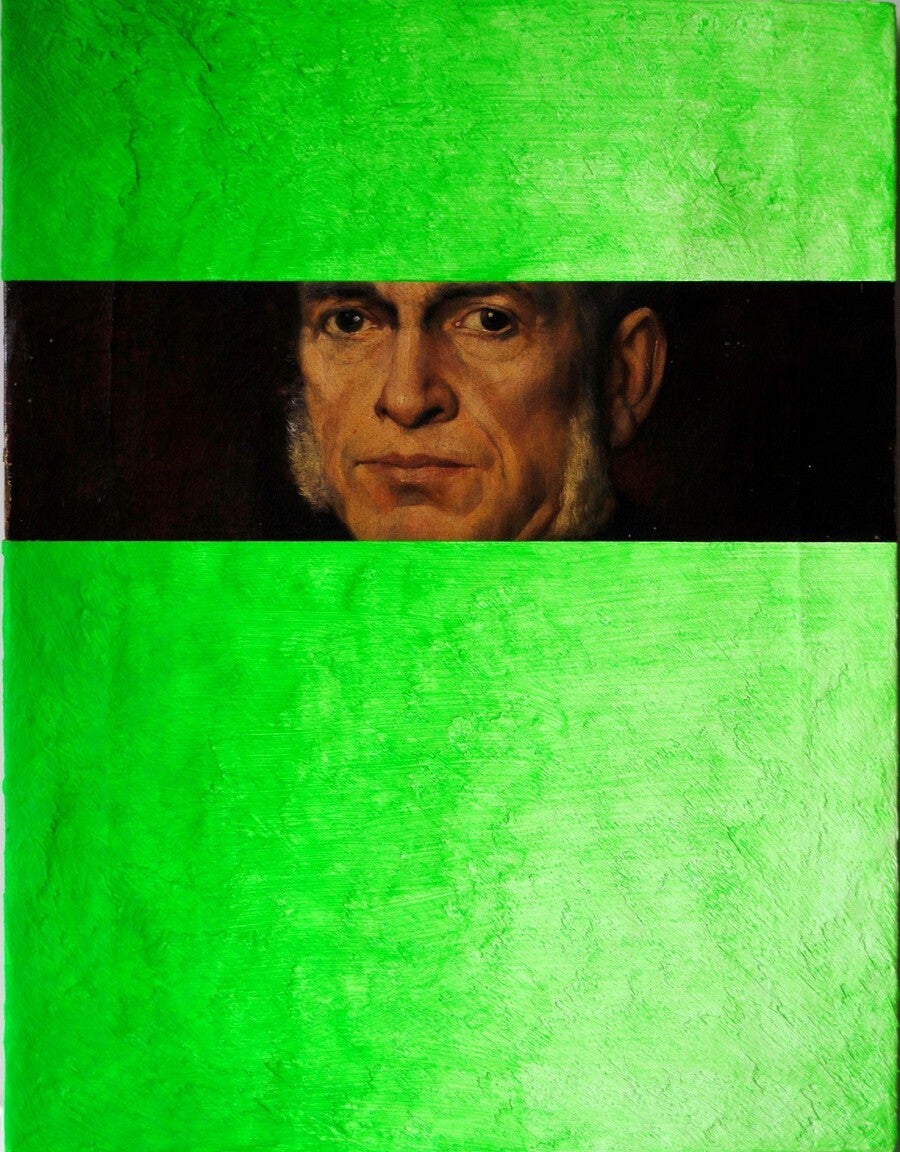
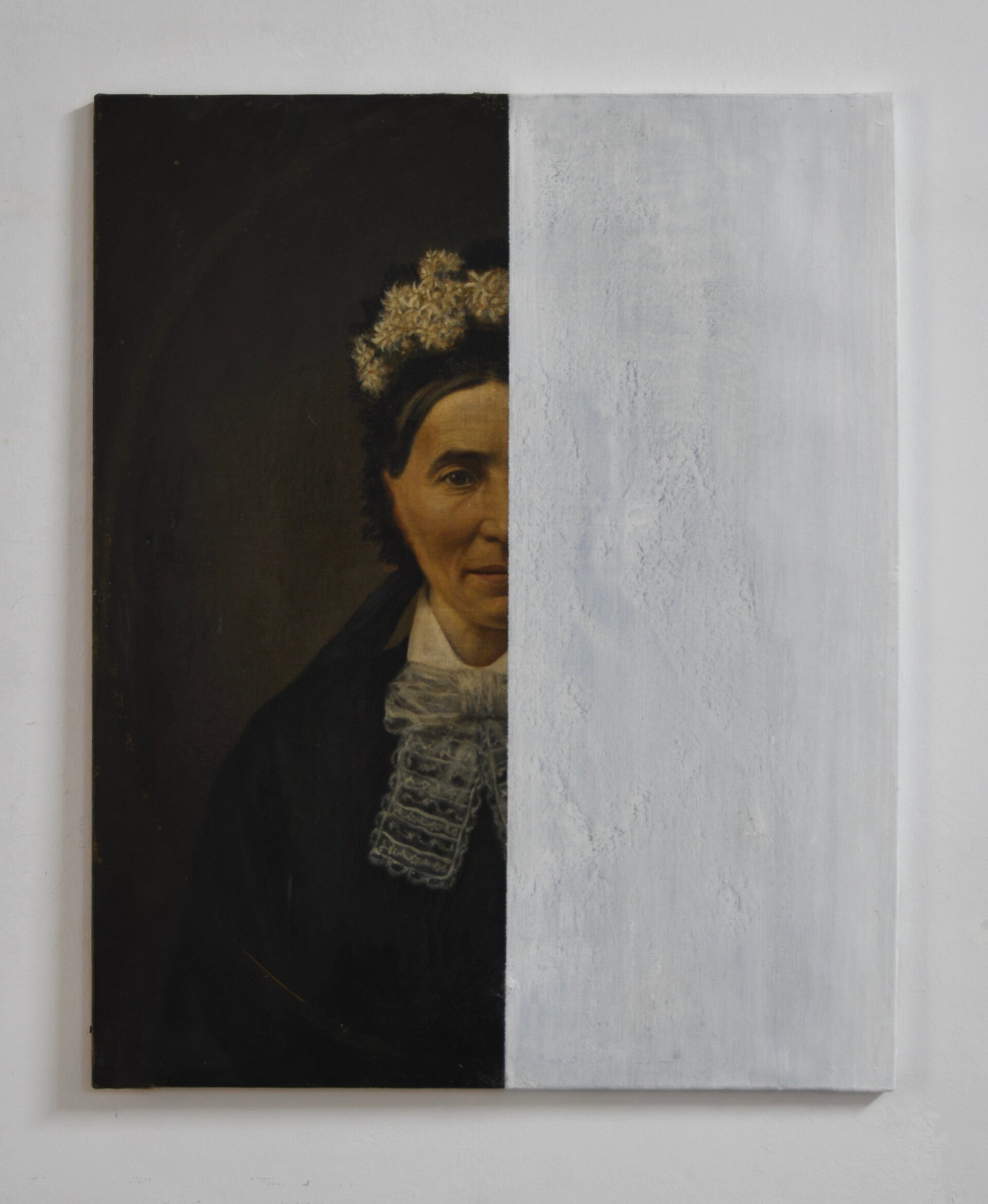
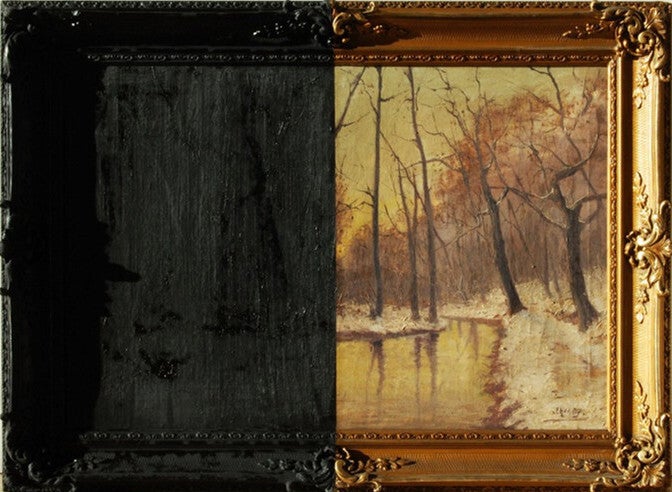
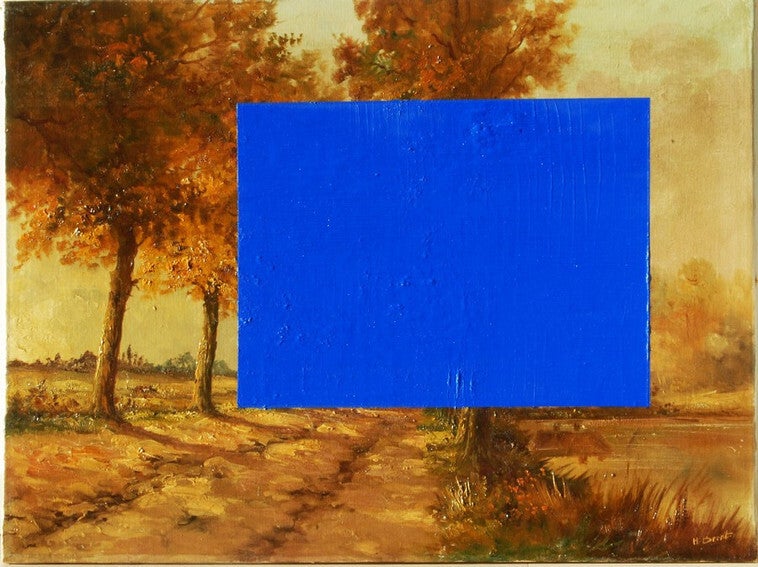
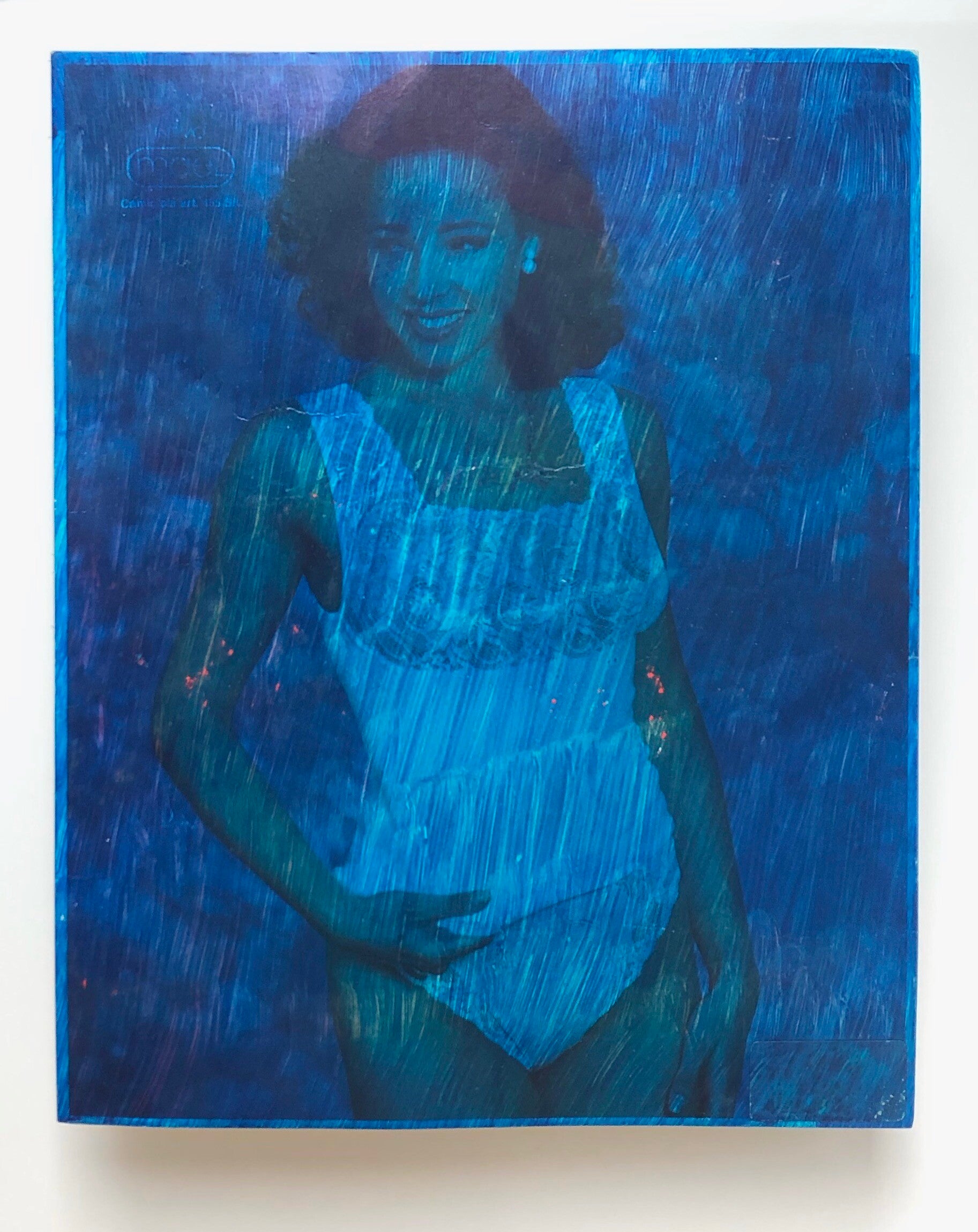
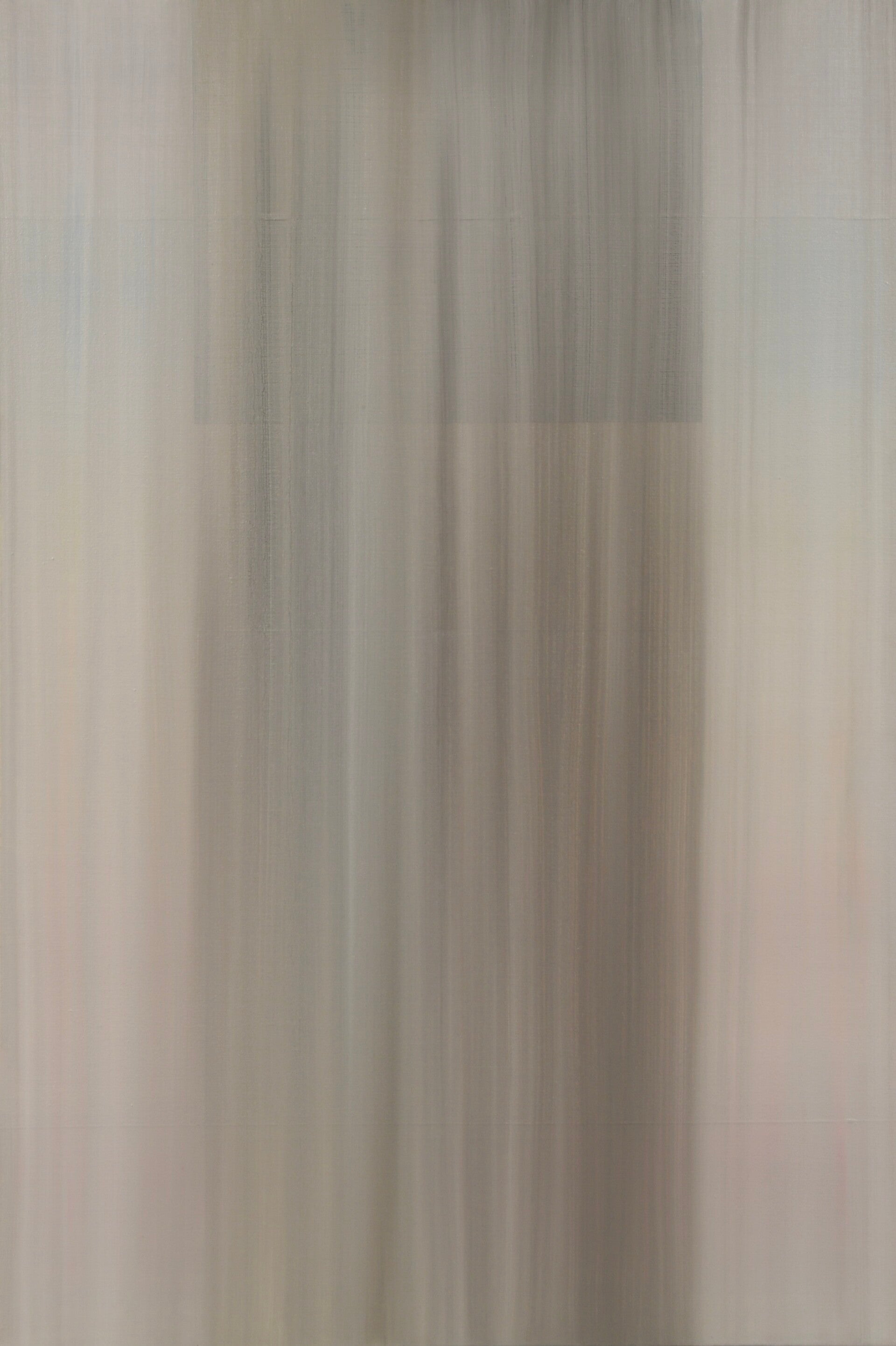
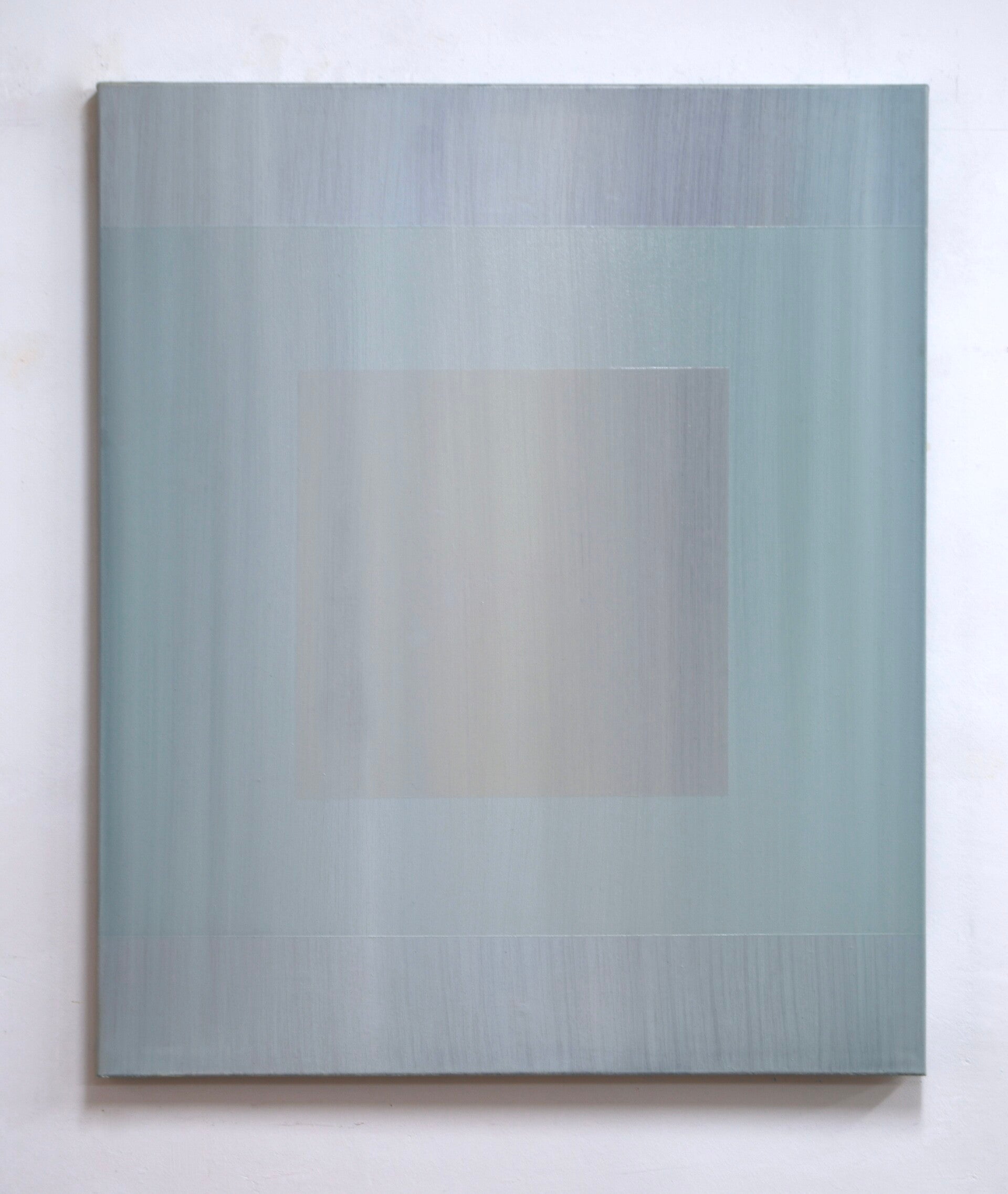
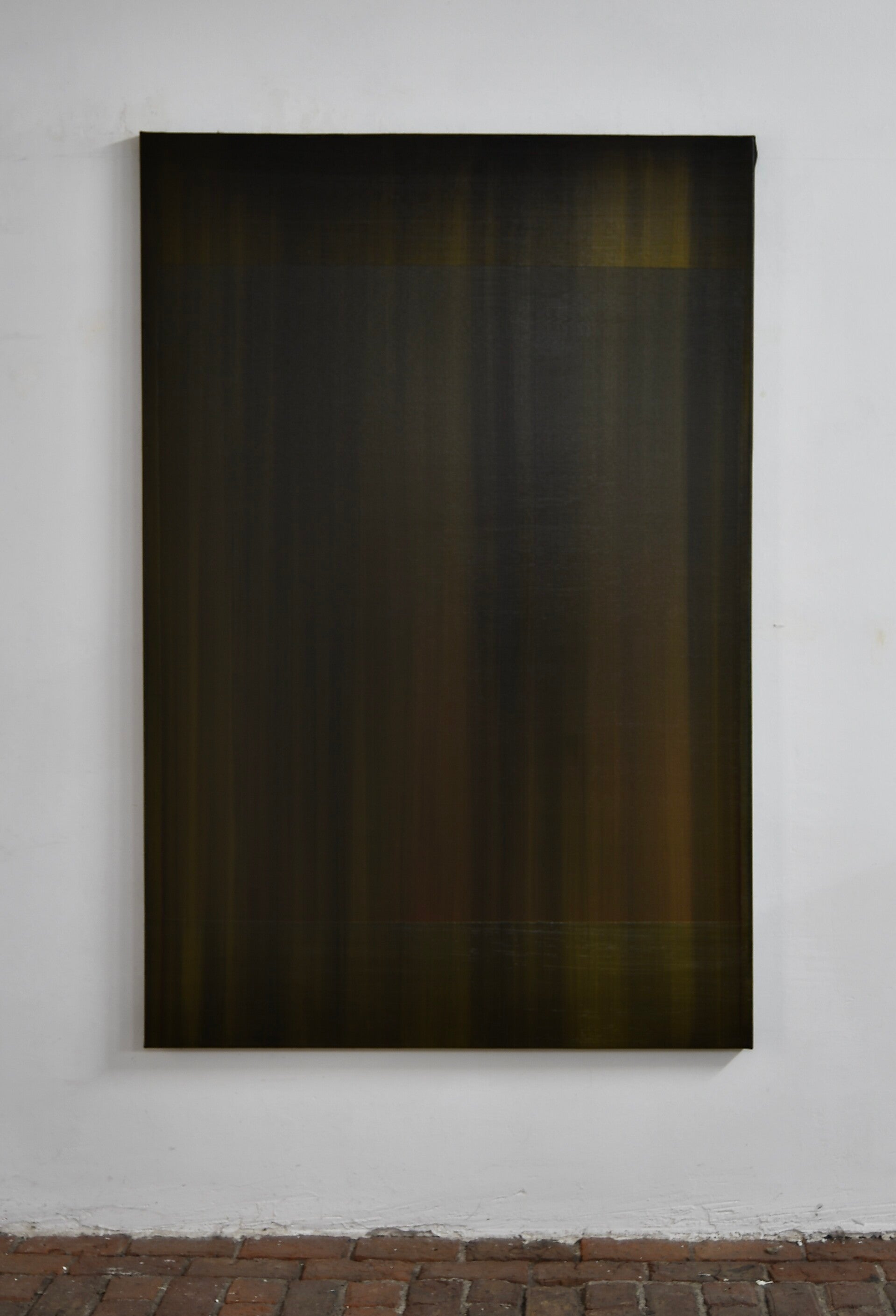
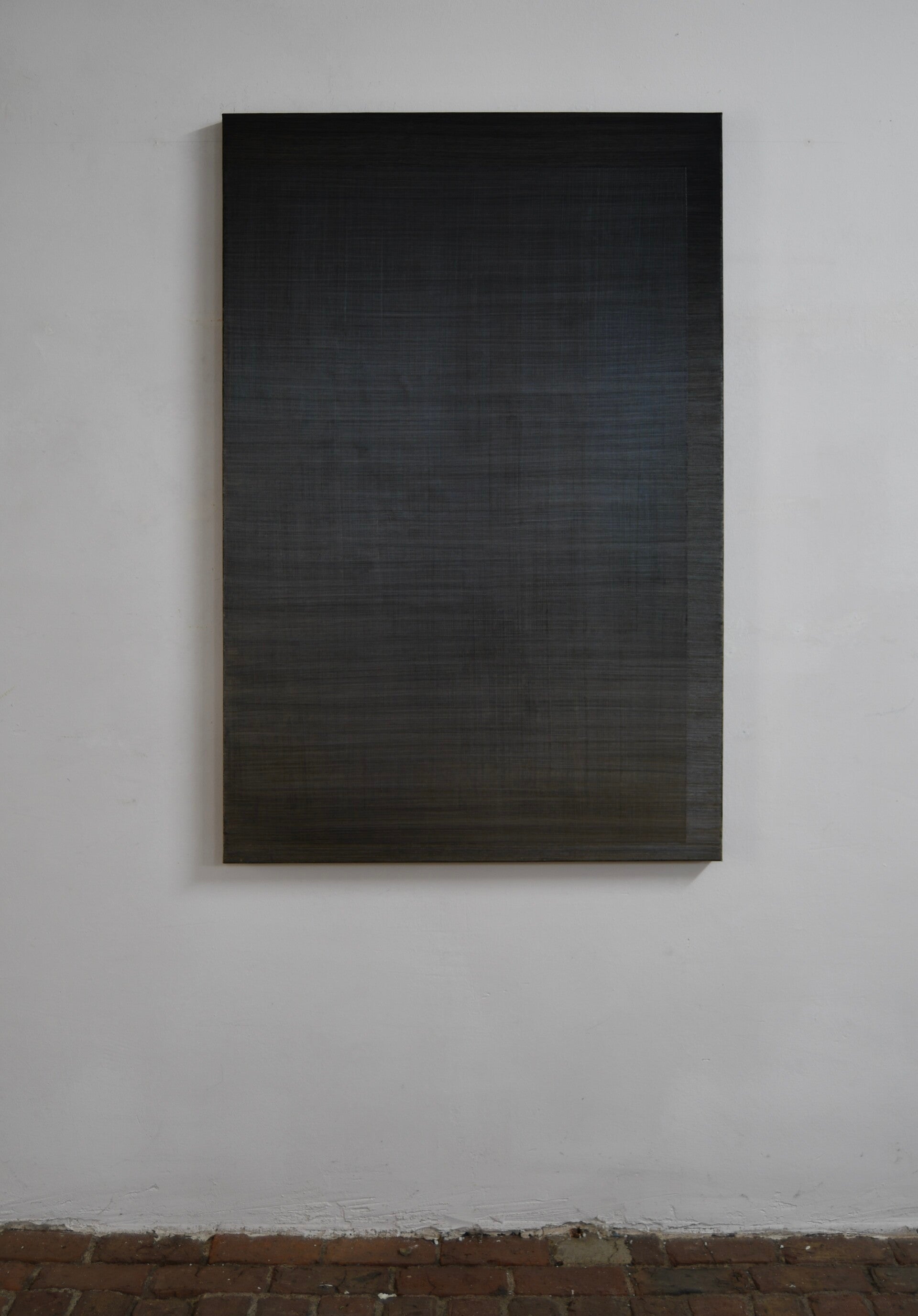
Veiled
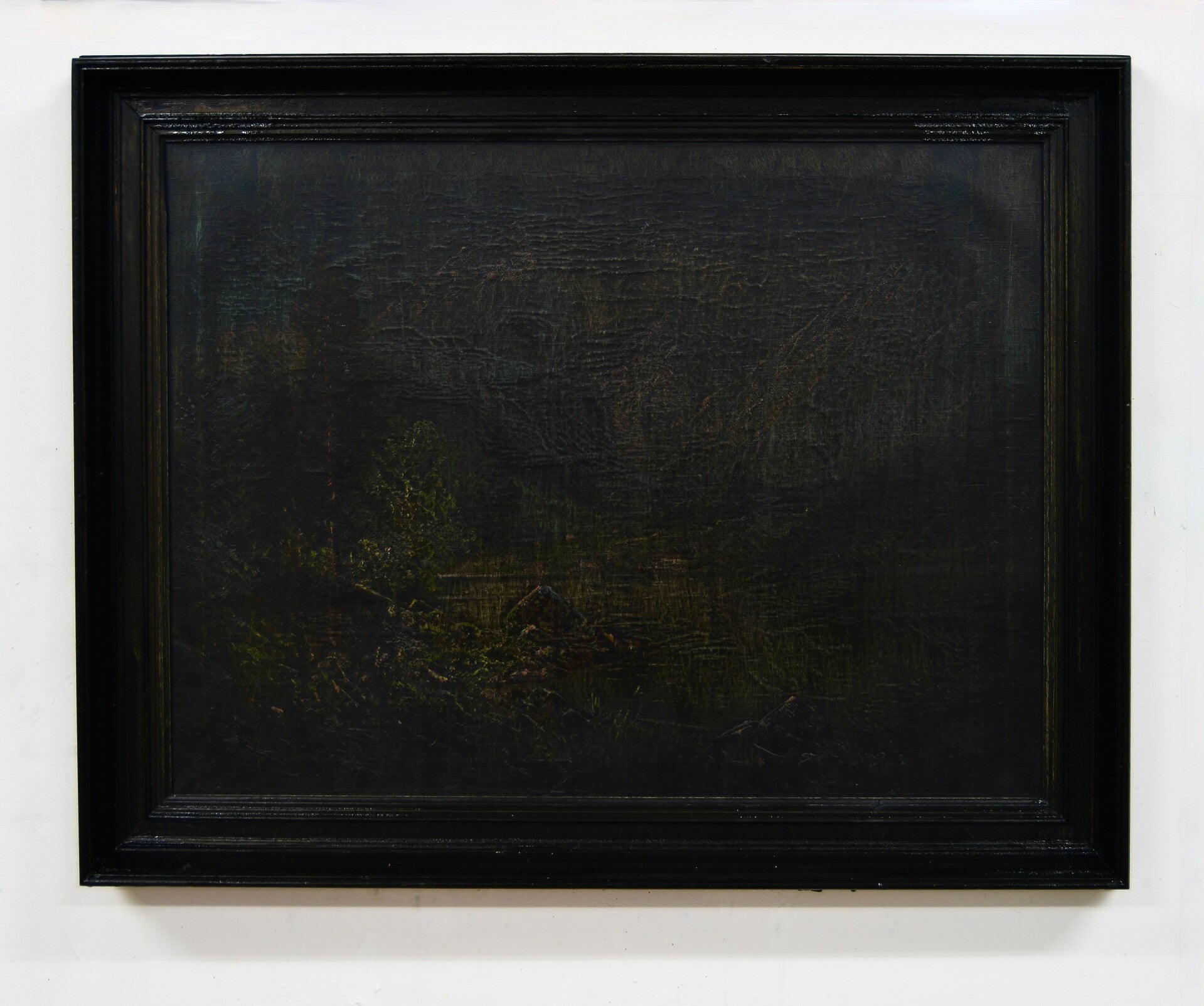
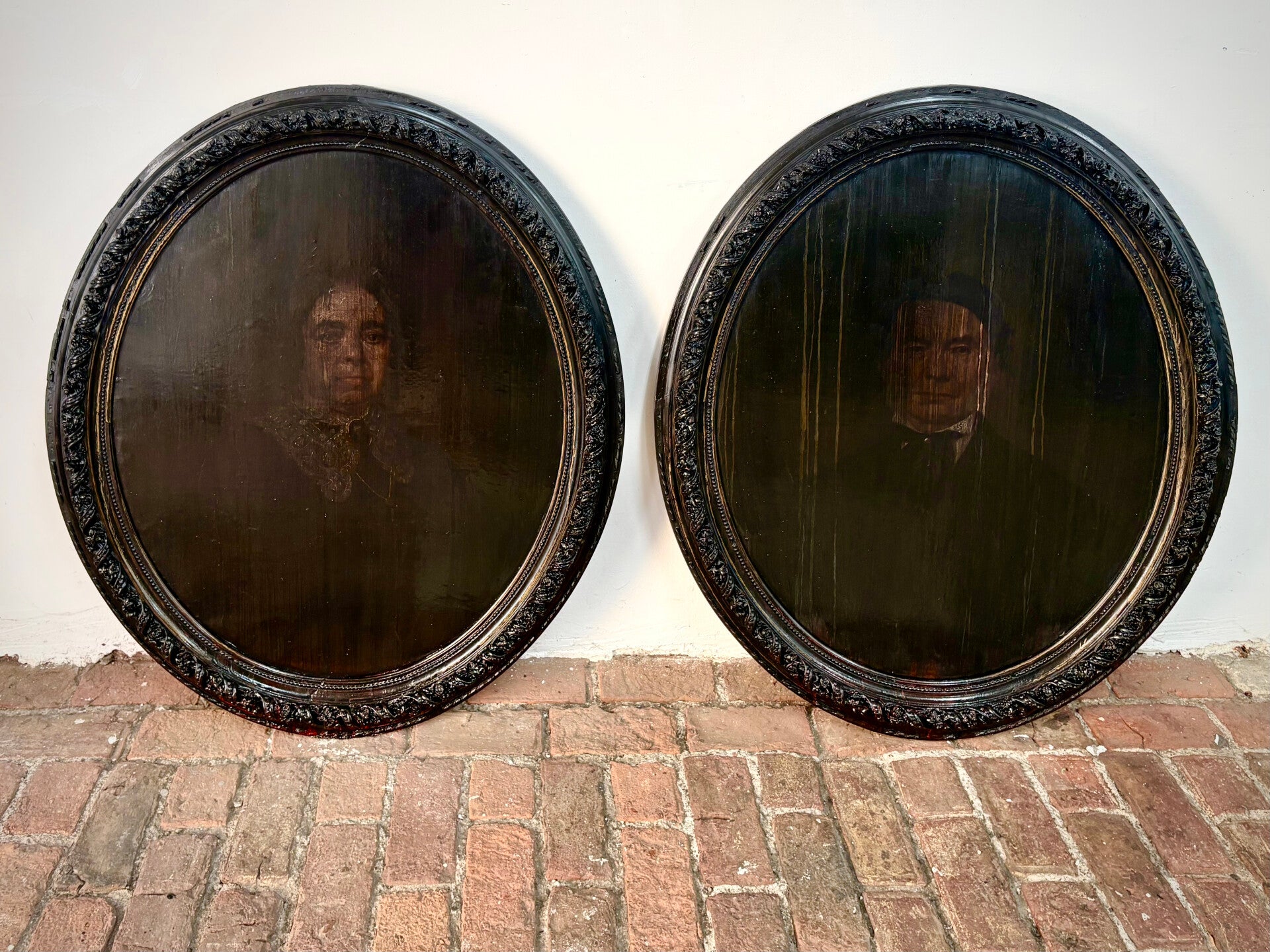
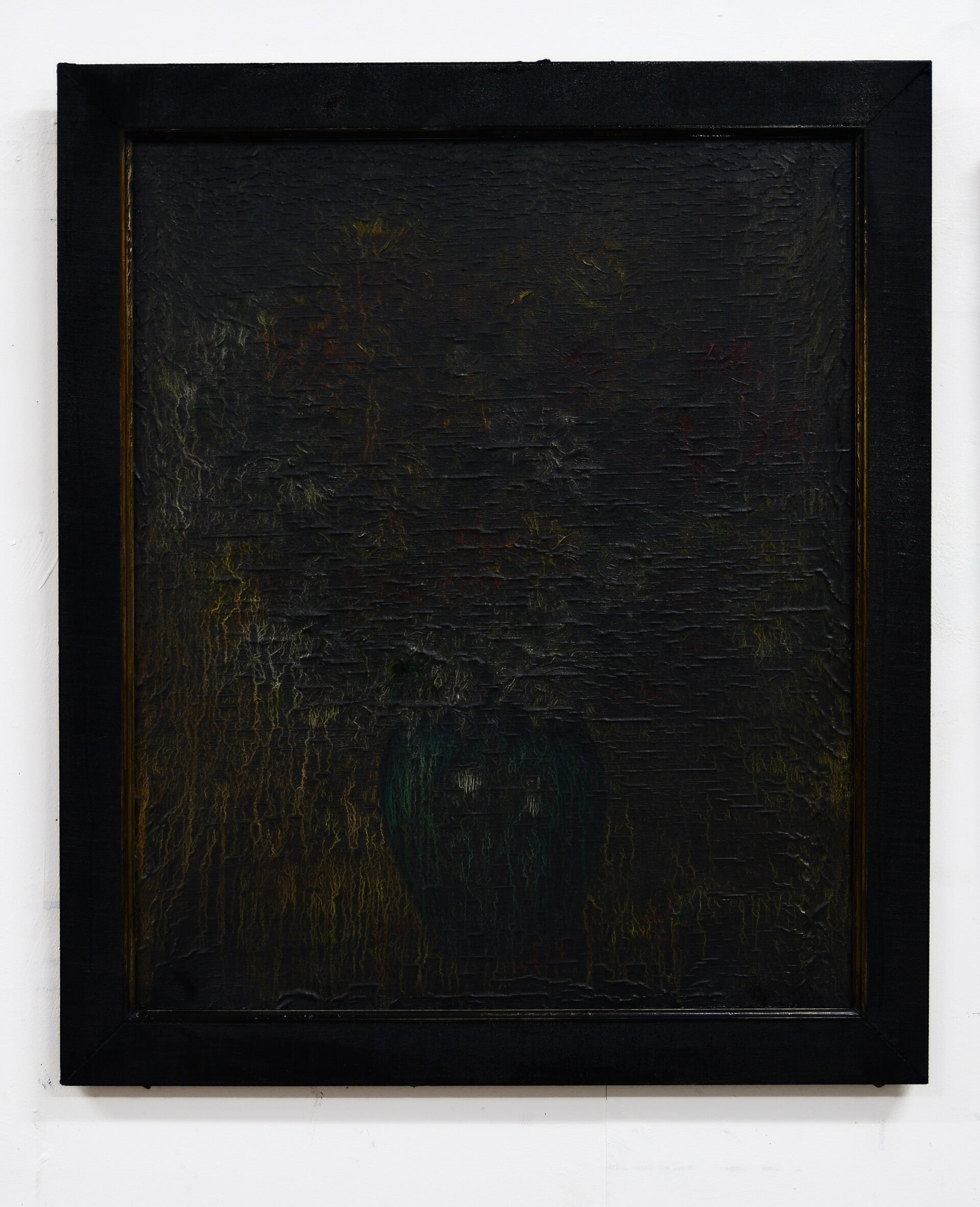
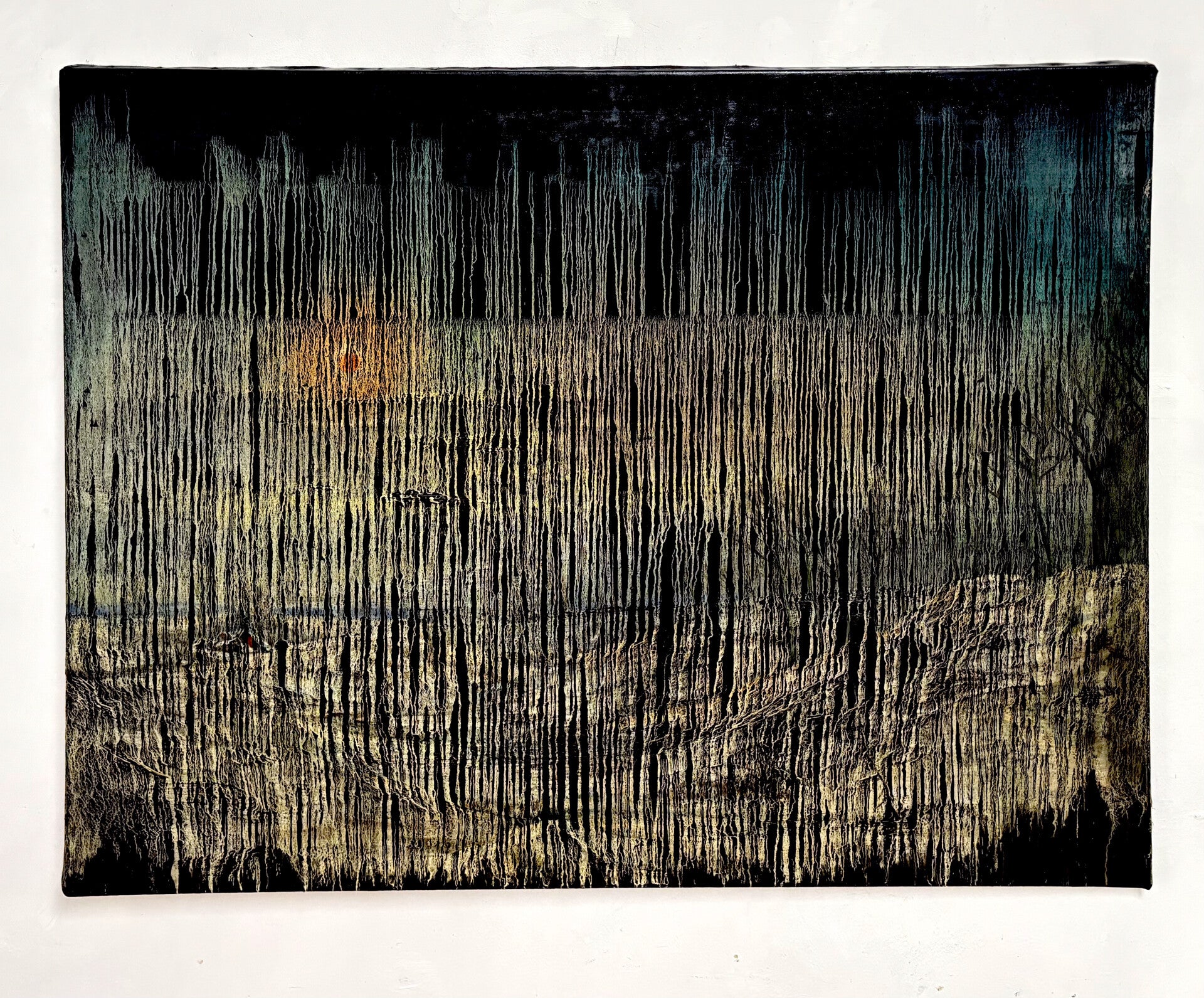
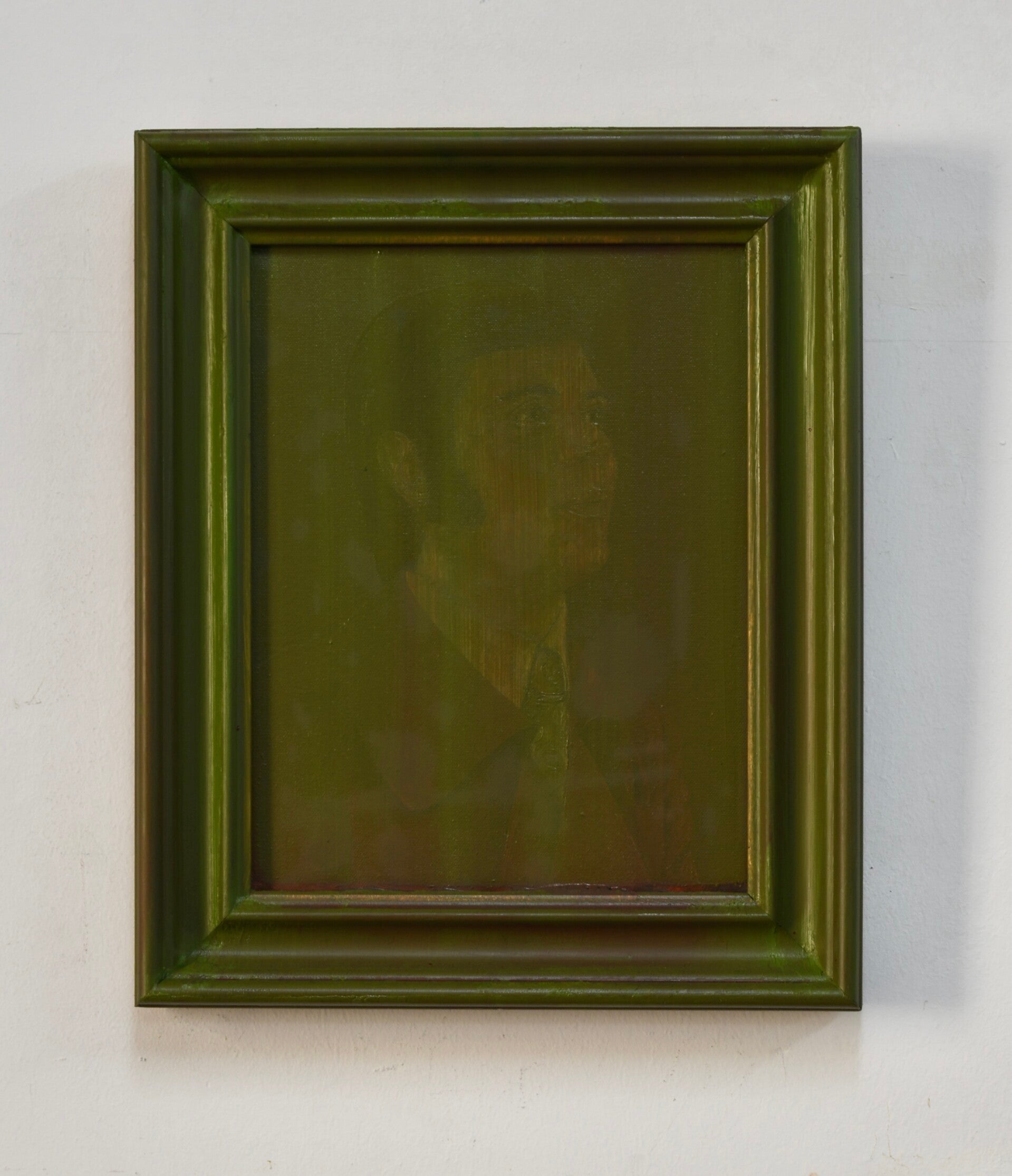
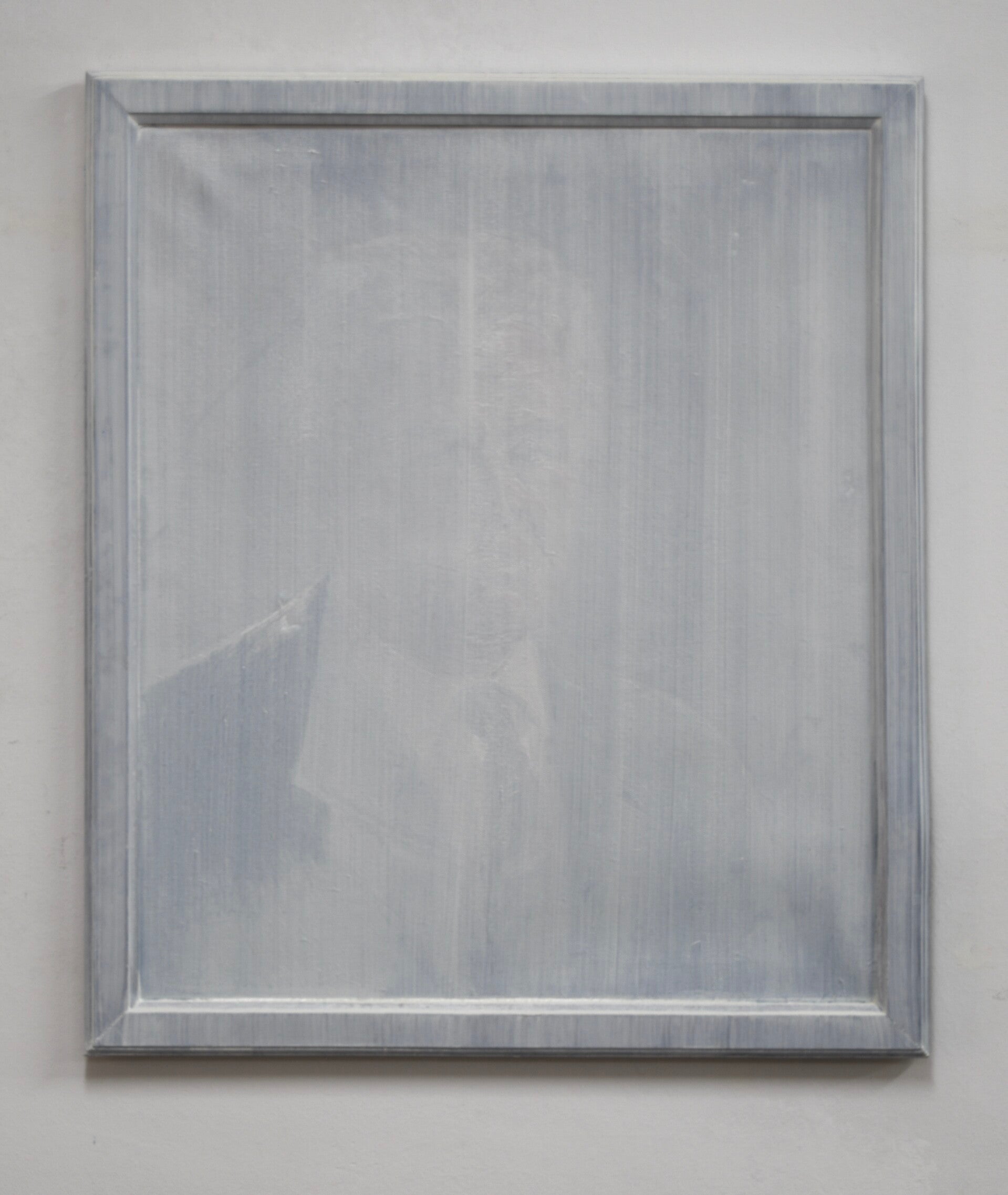
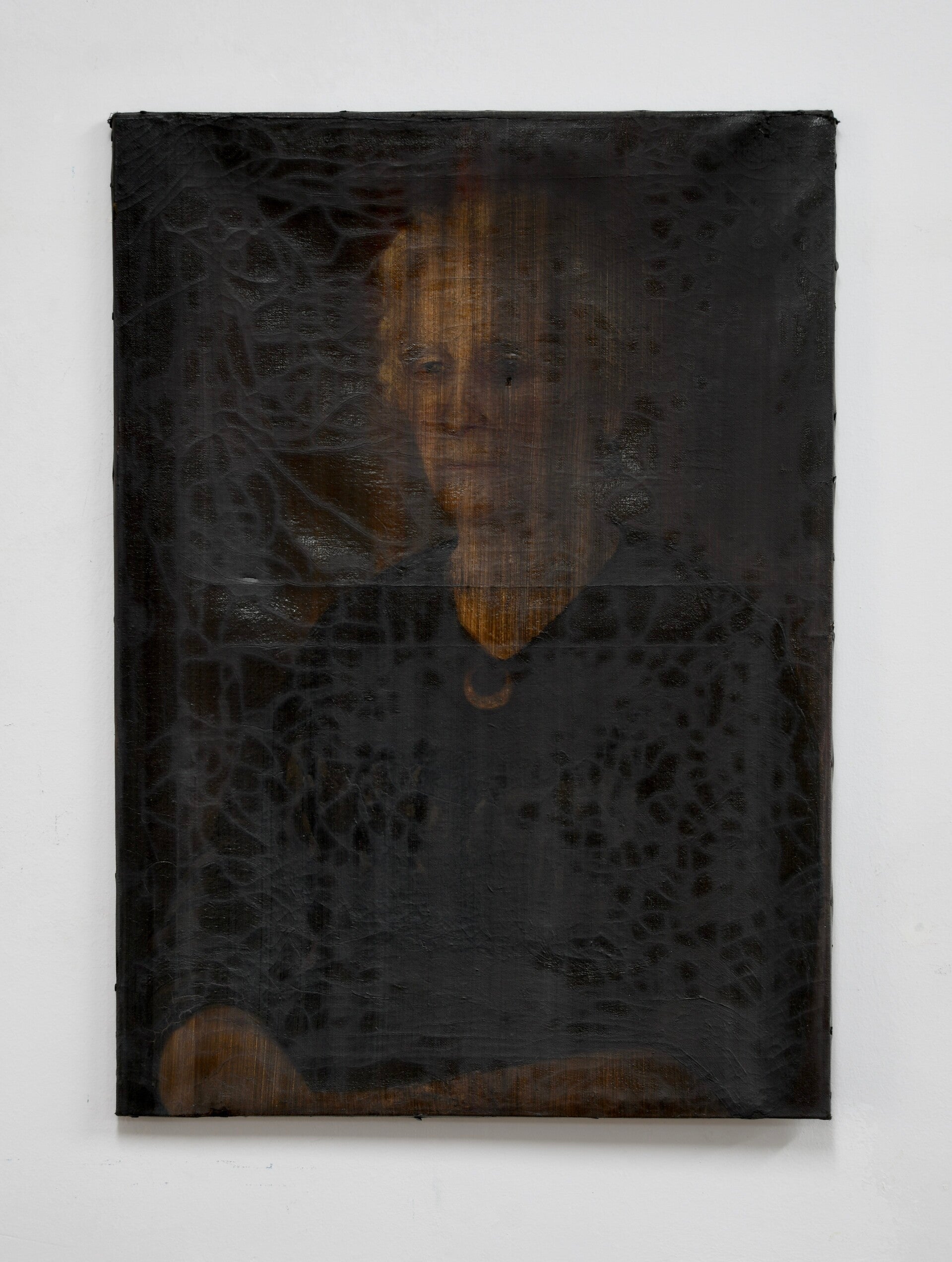
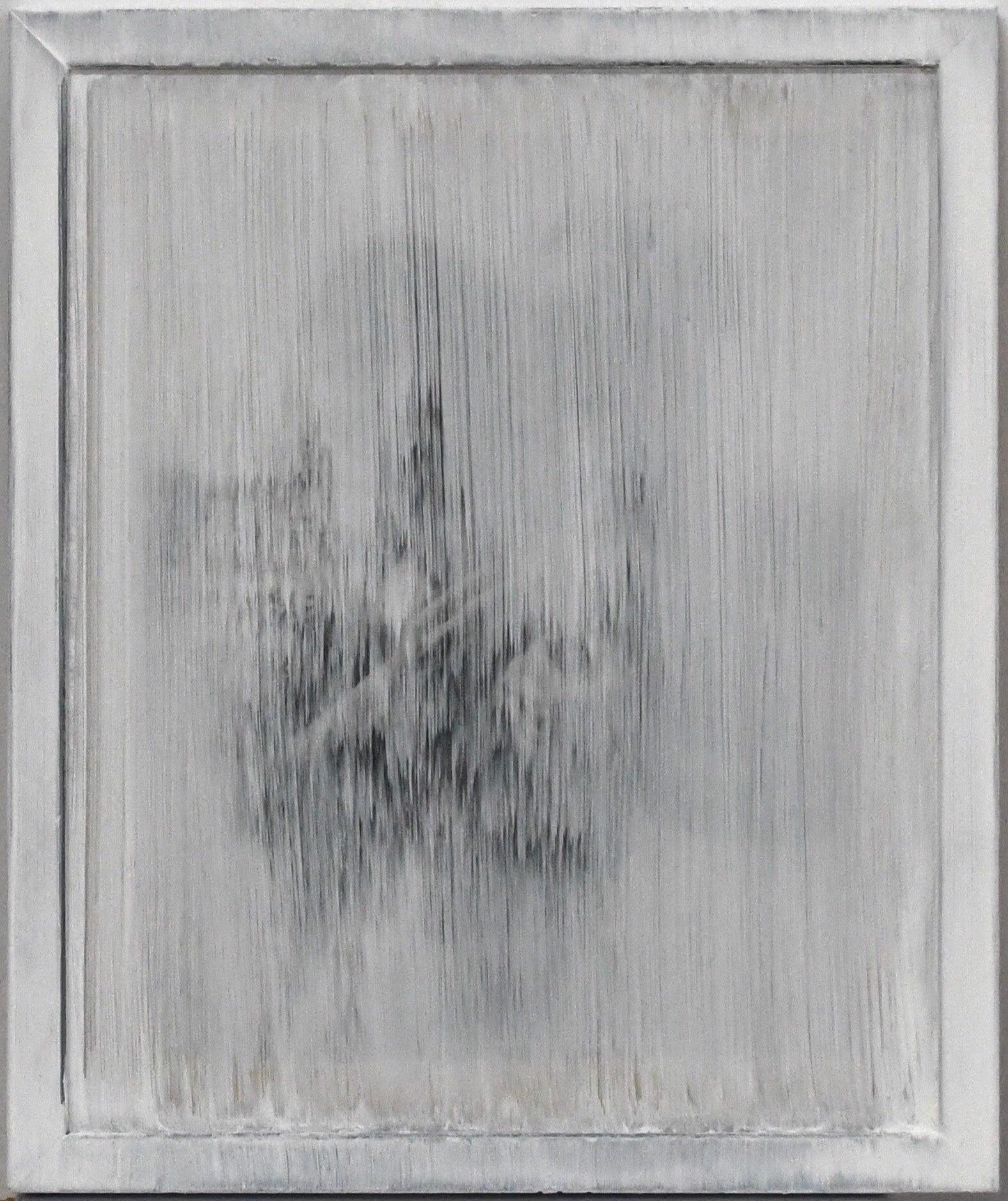
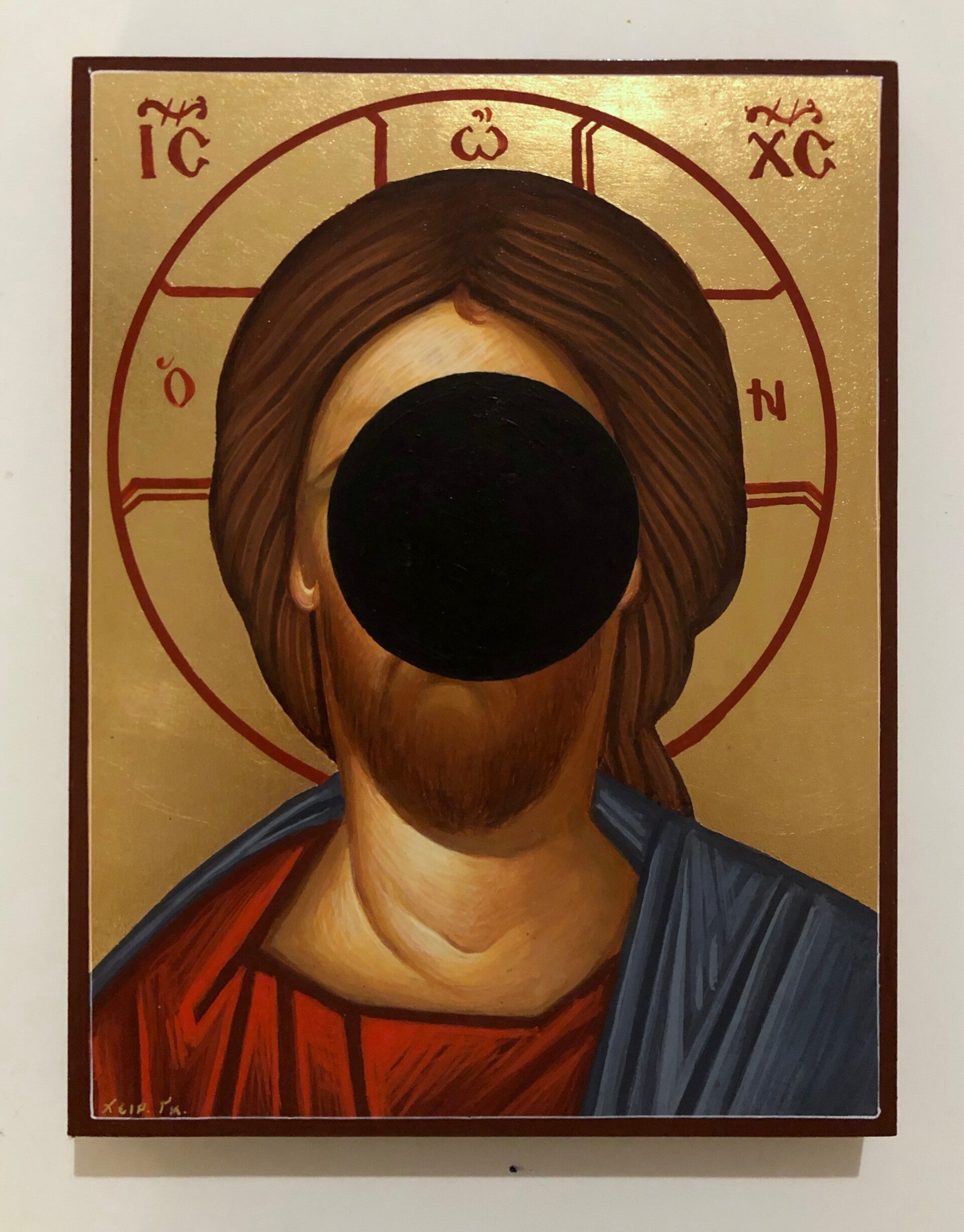
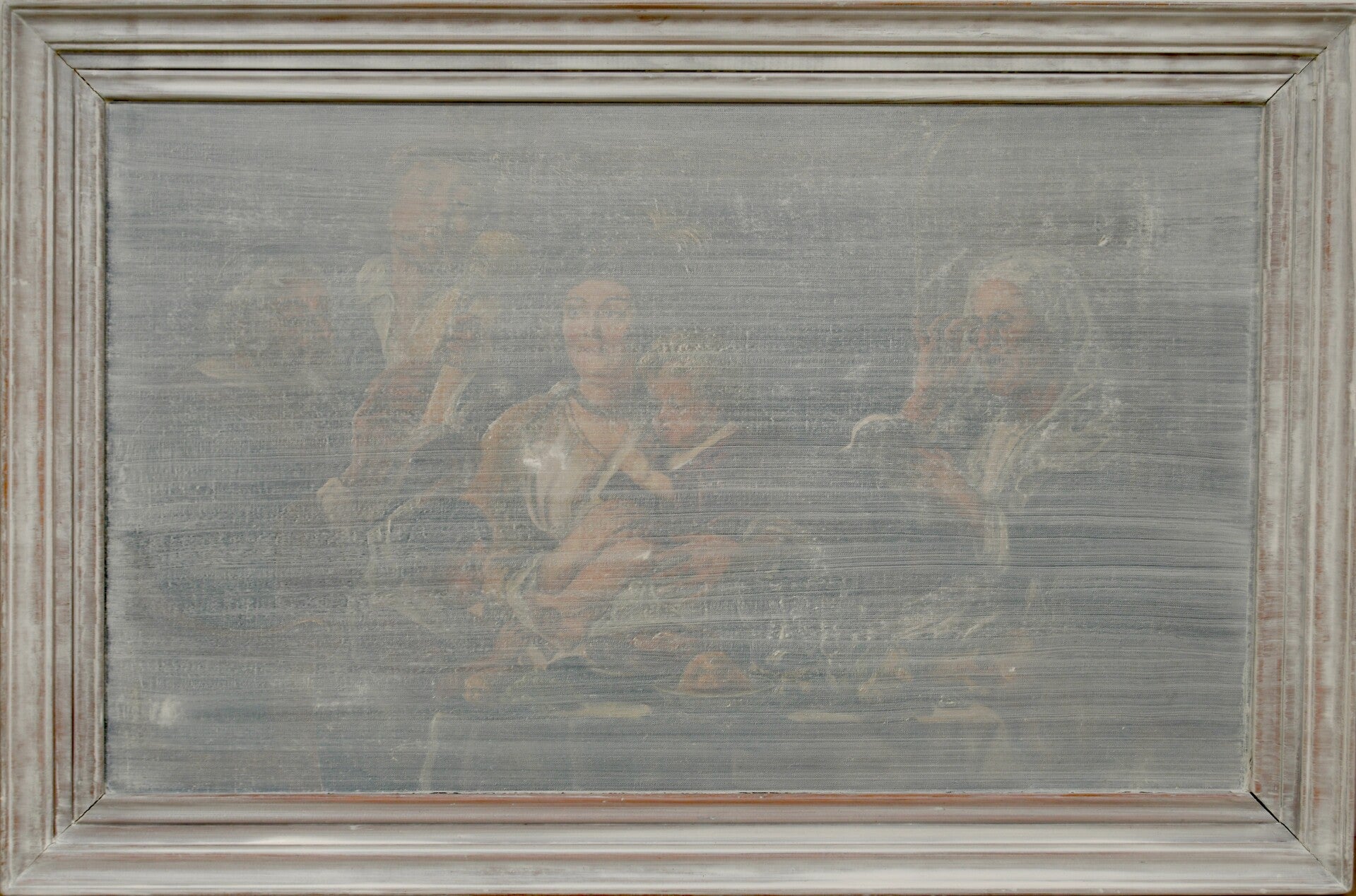
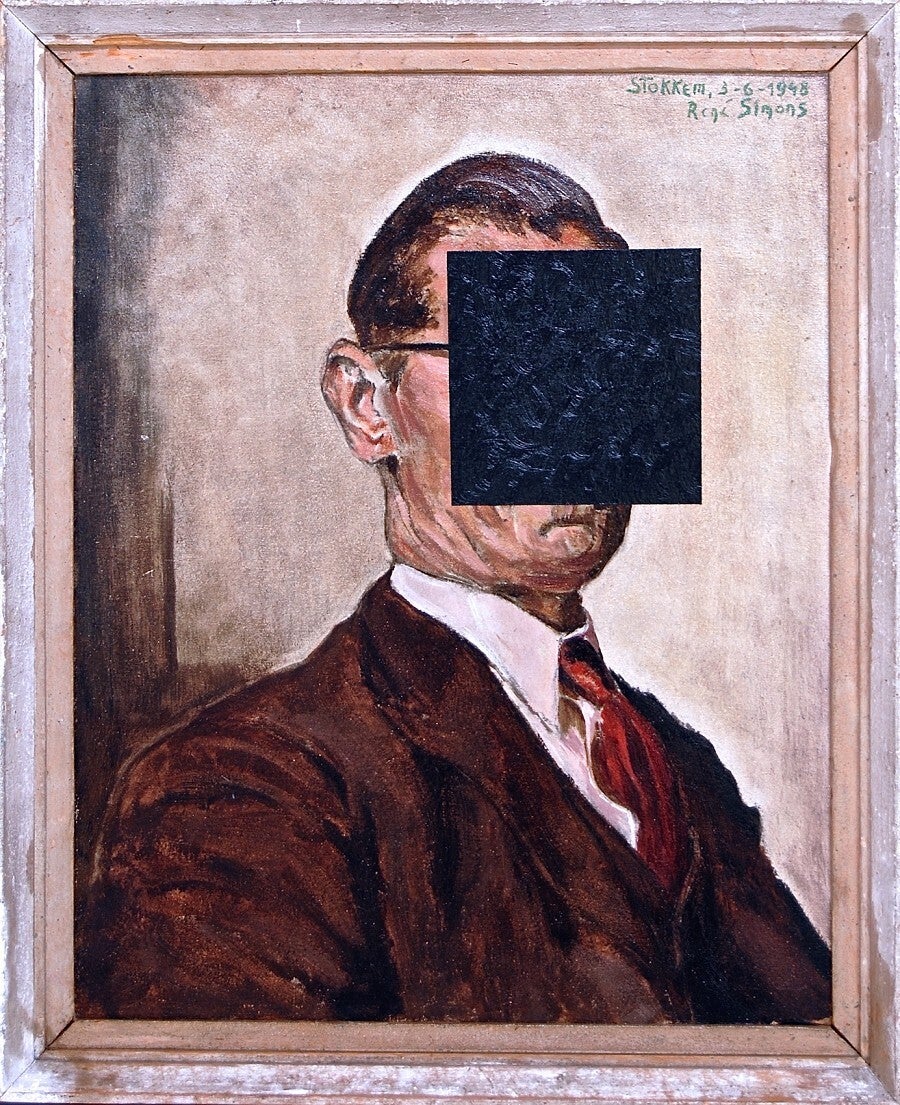
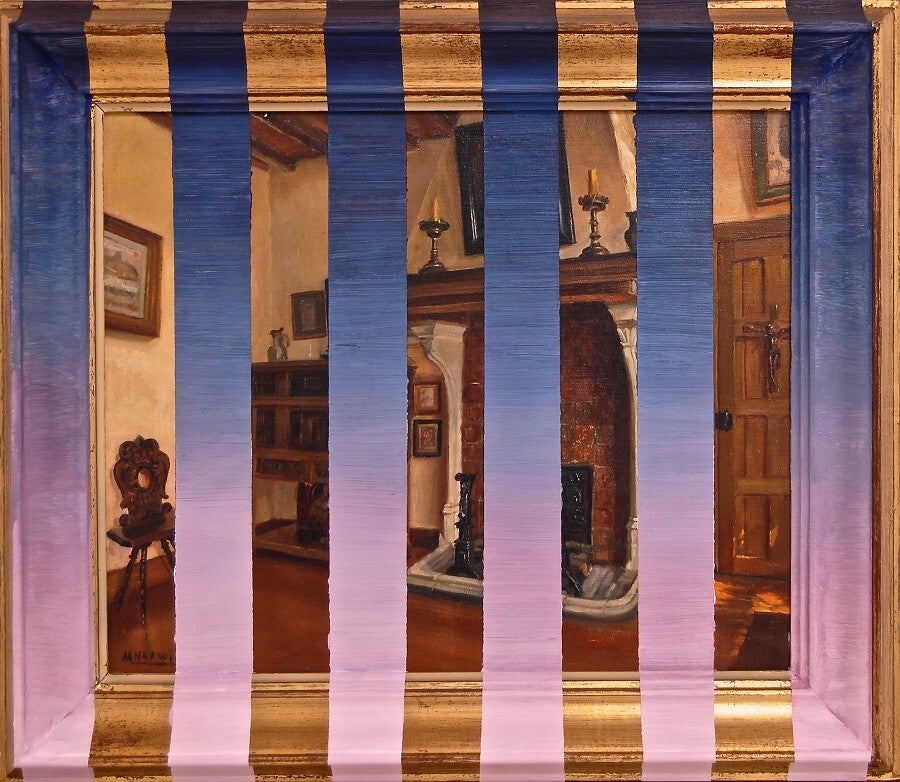
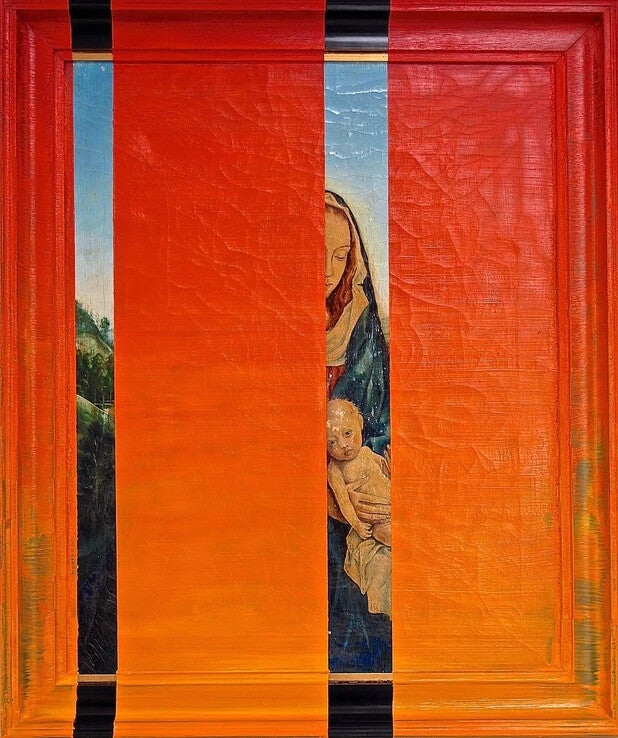
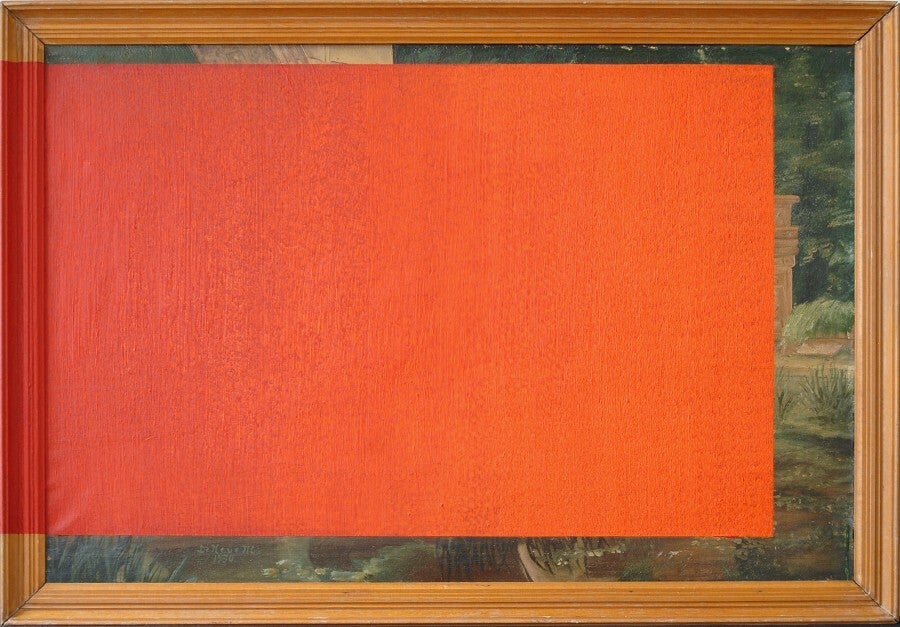
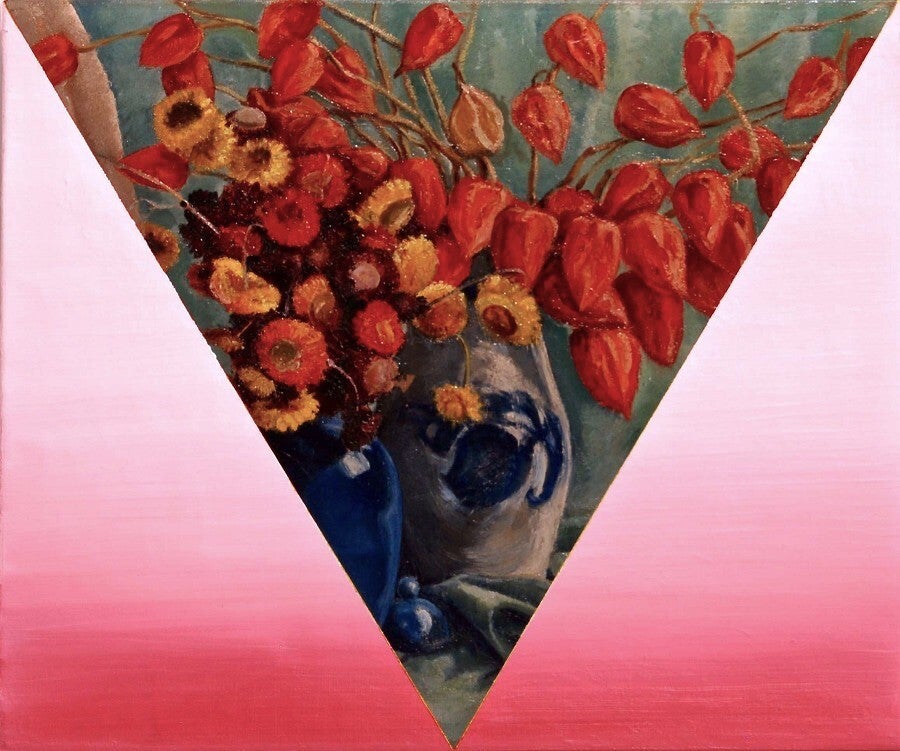
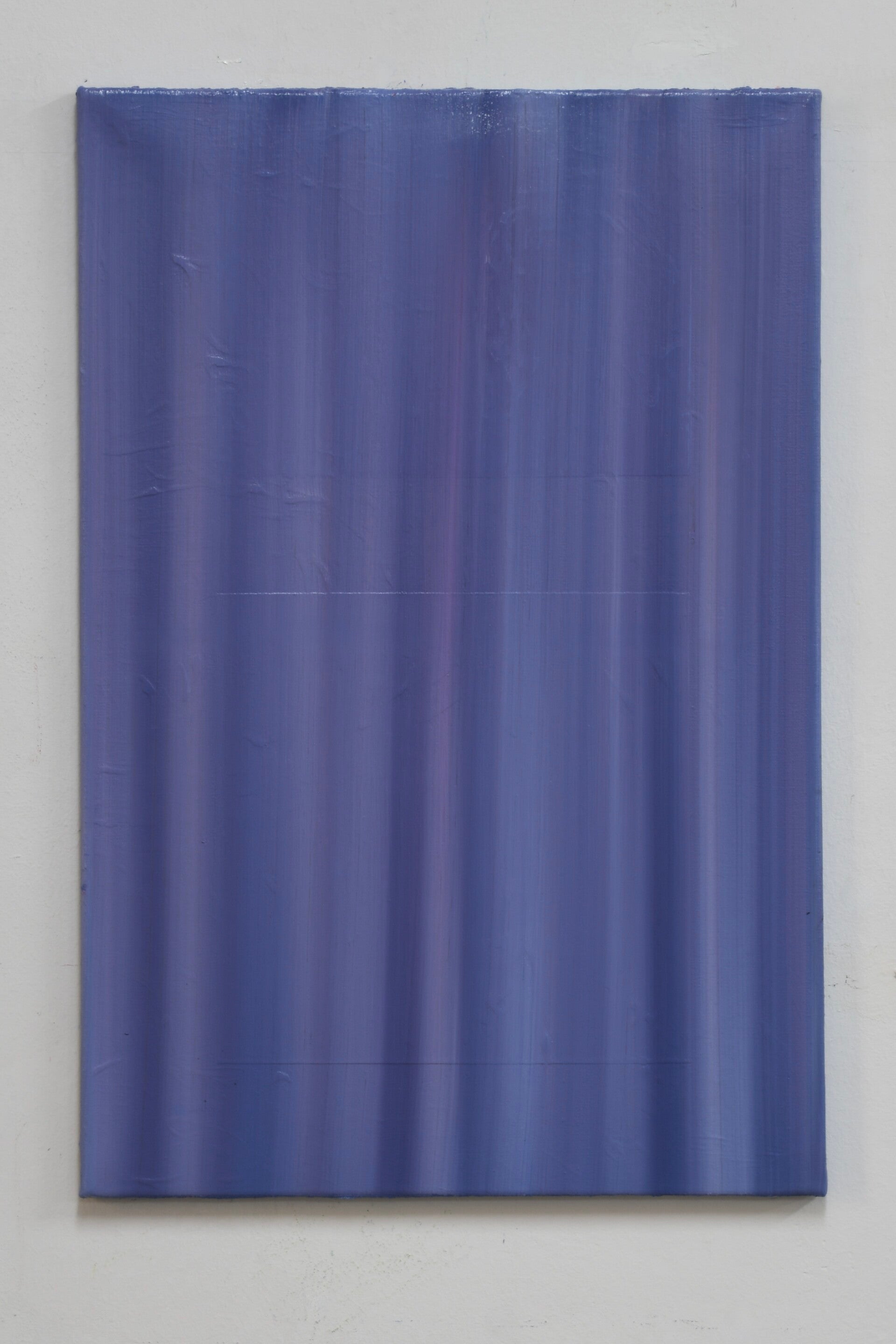
Throughout my career I have been interested in the concept of censorship both in metaphorical and literal sense and this idea often permeated into my work in many ways.
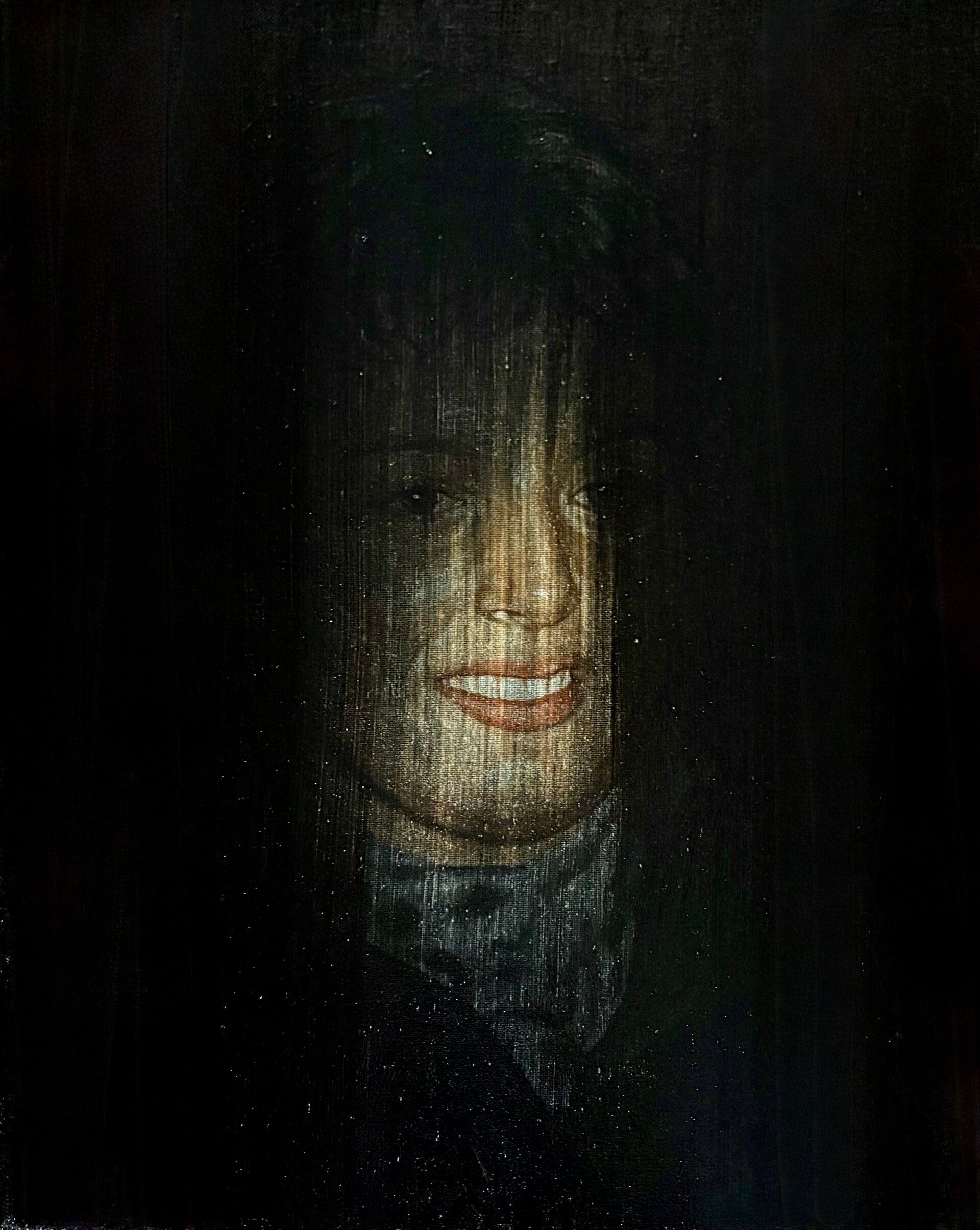
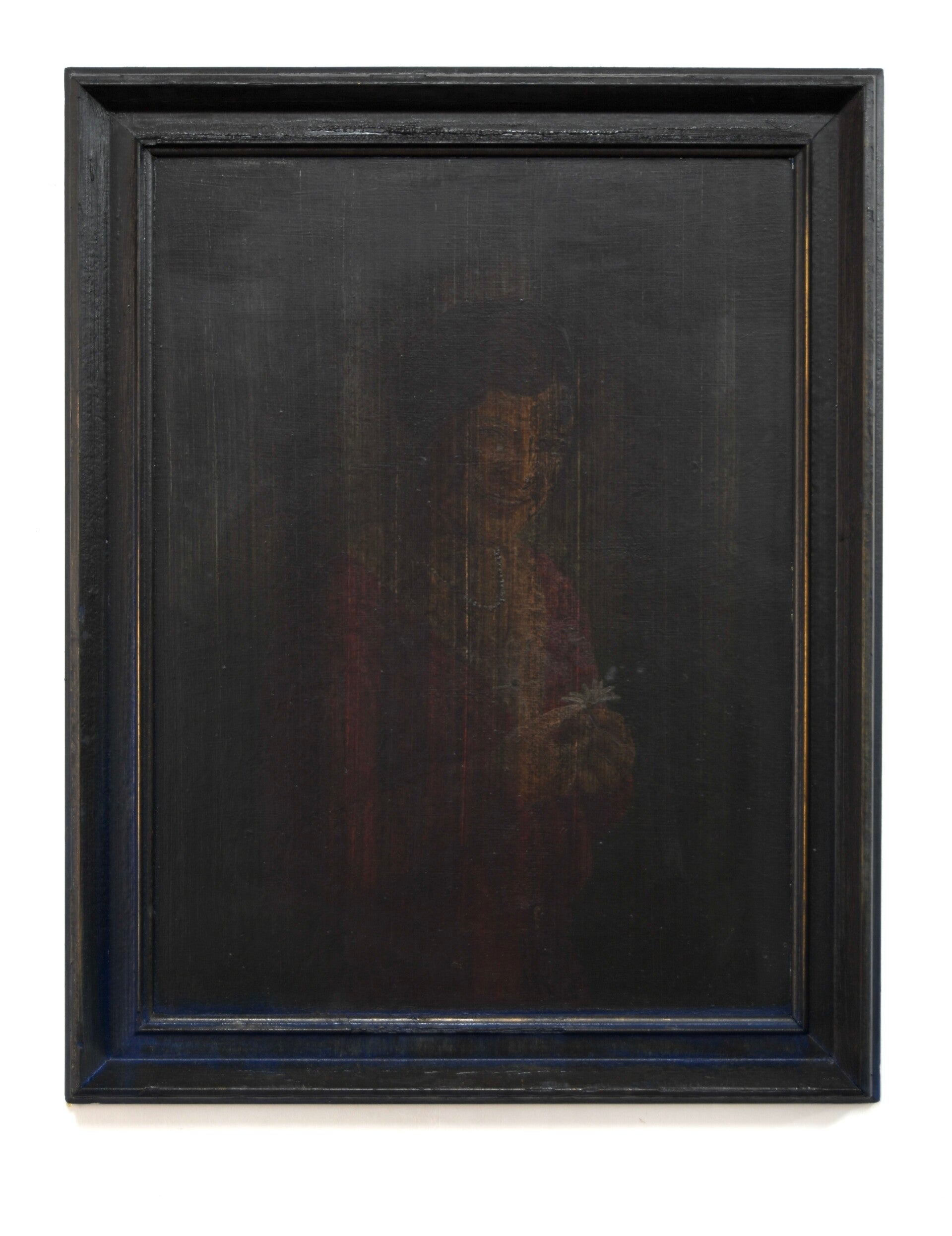
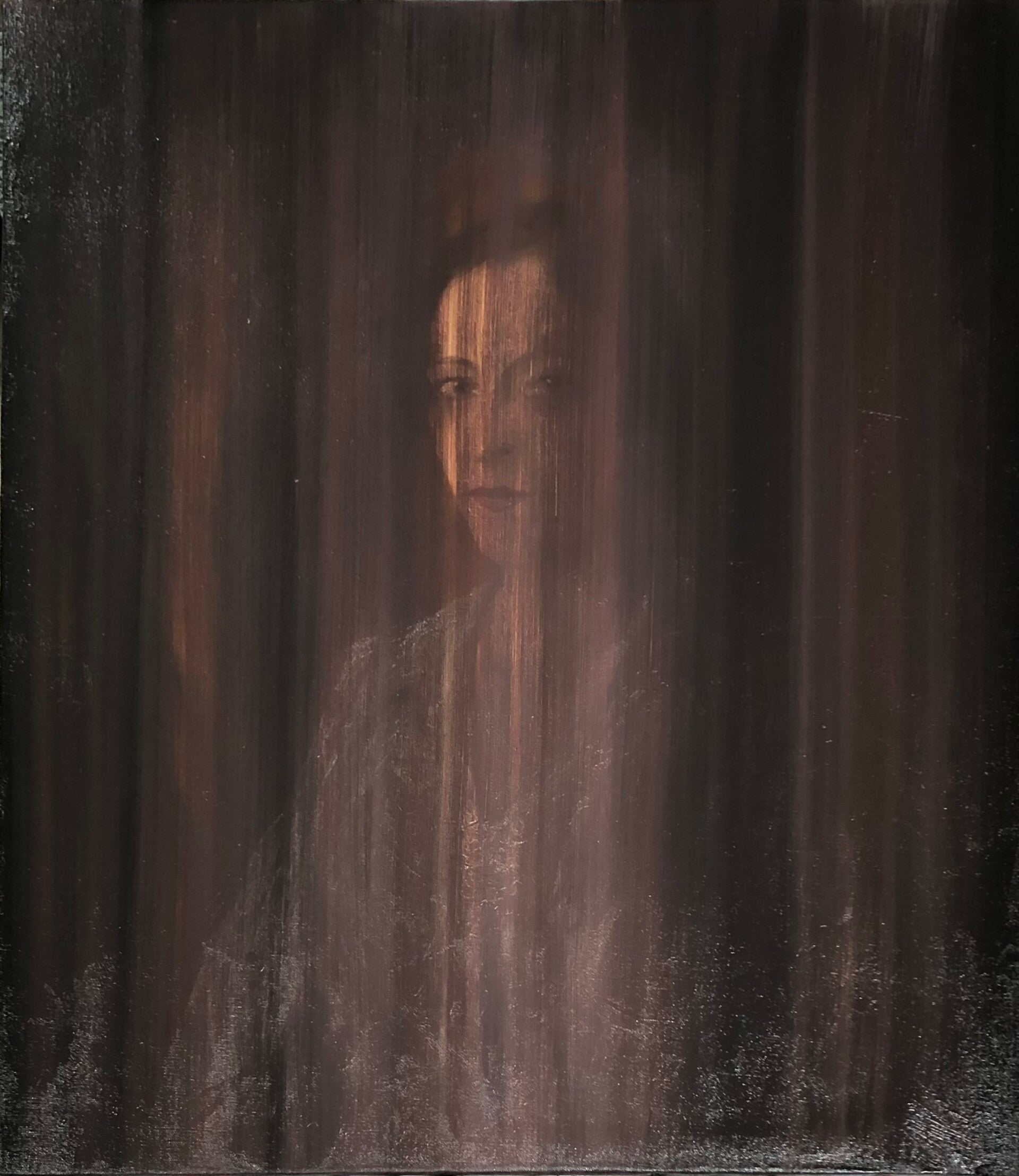
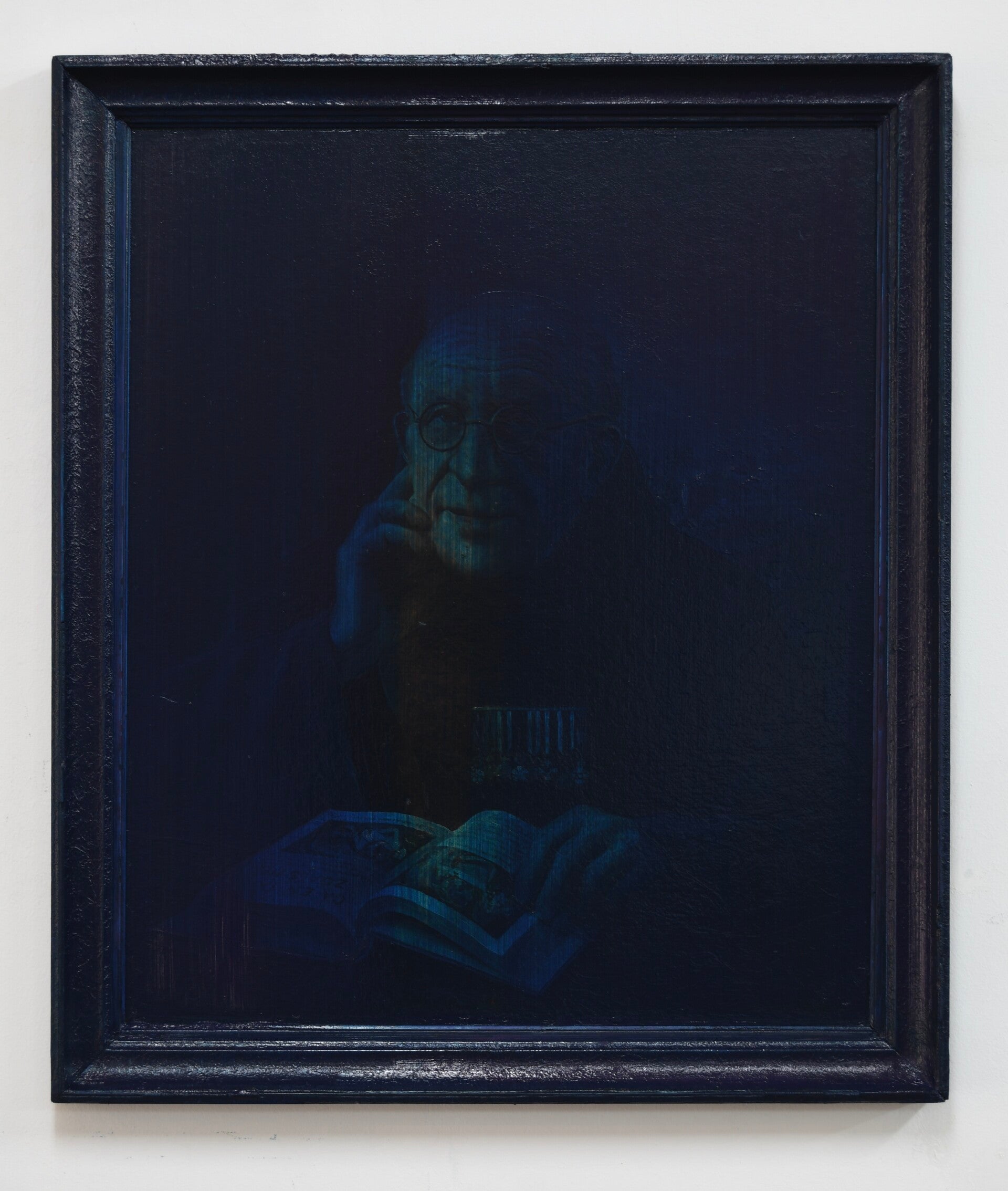
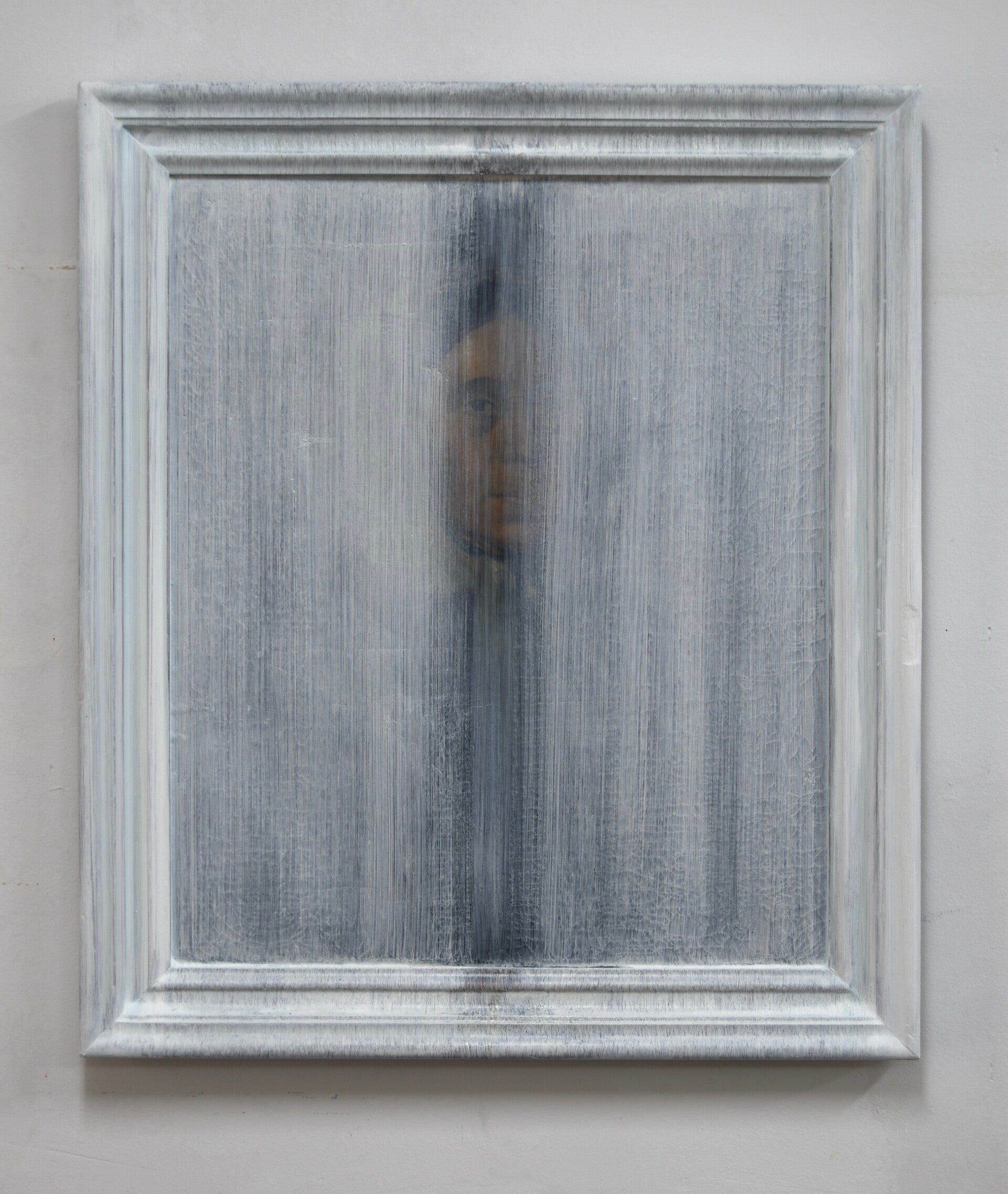
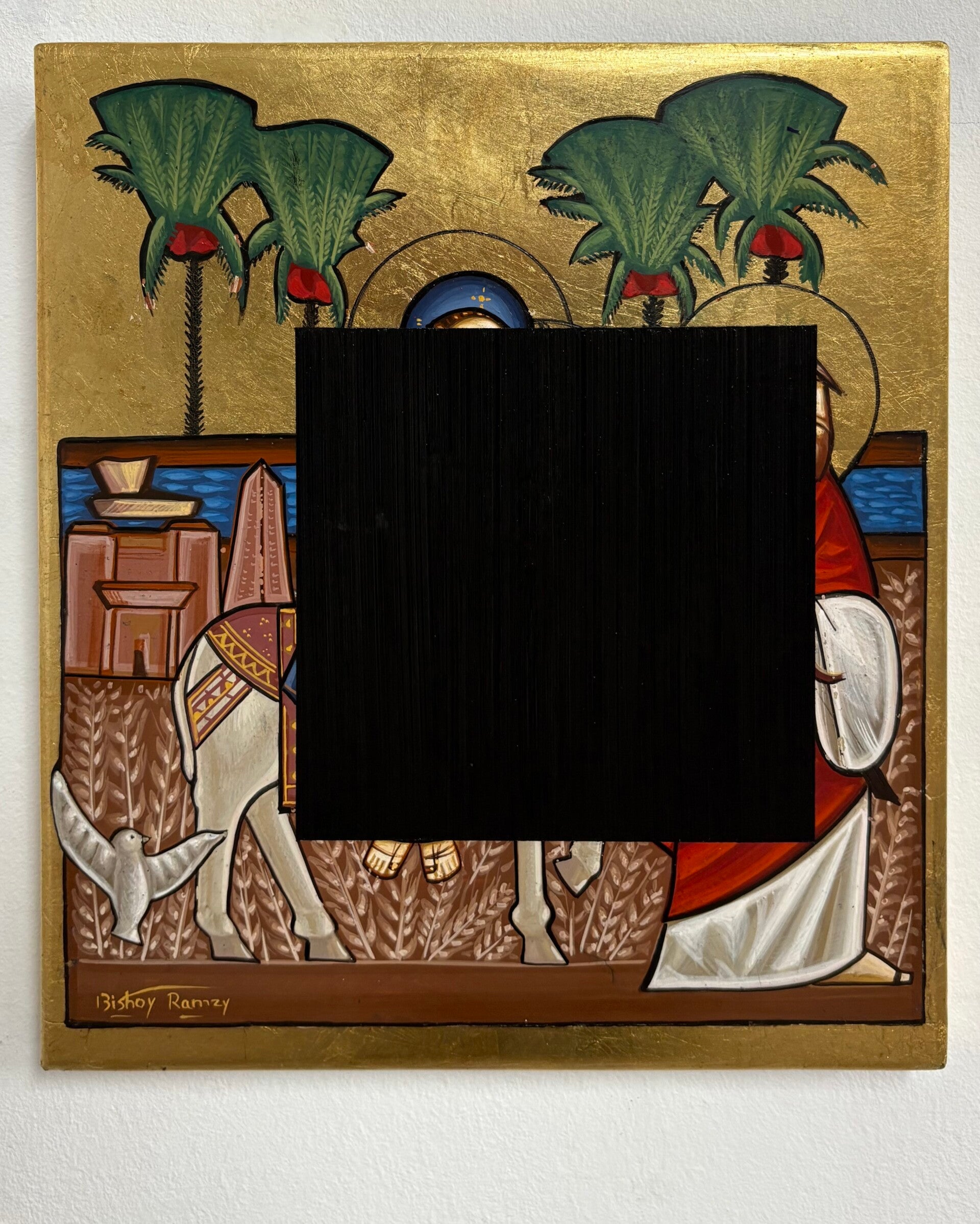
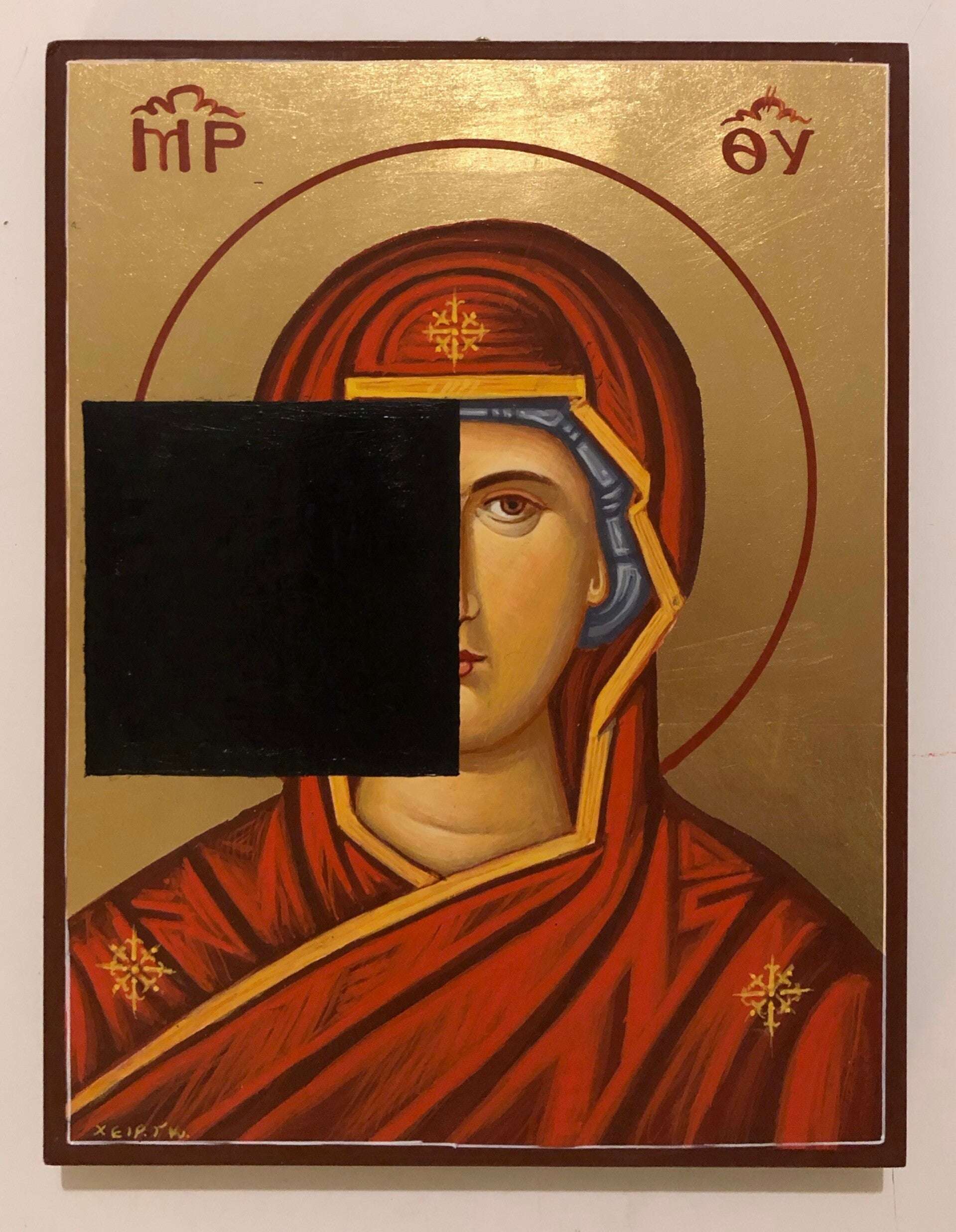
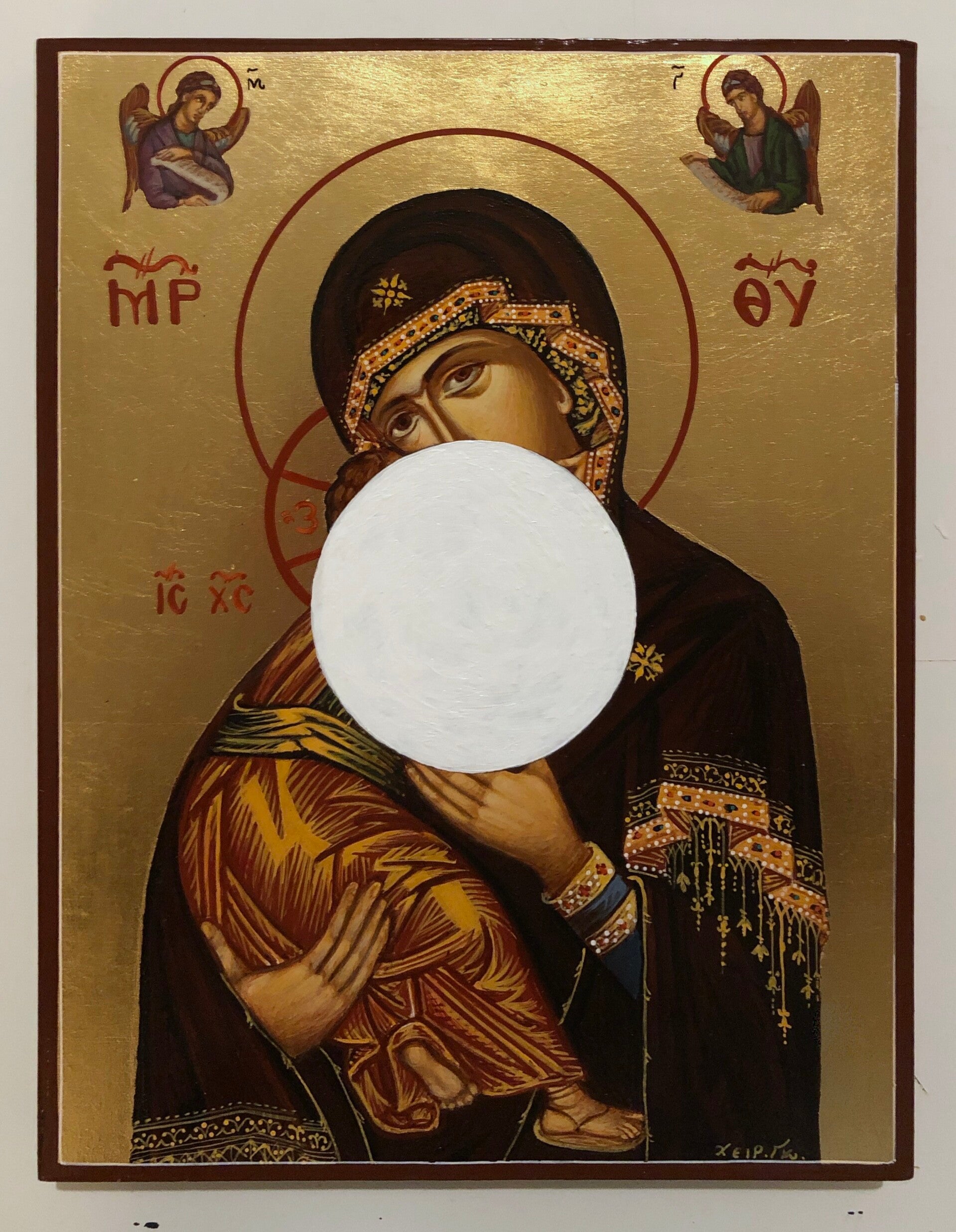
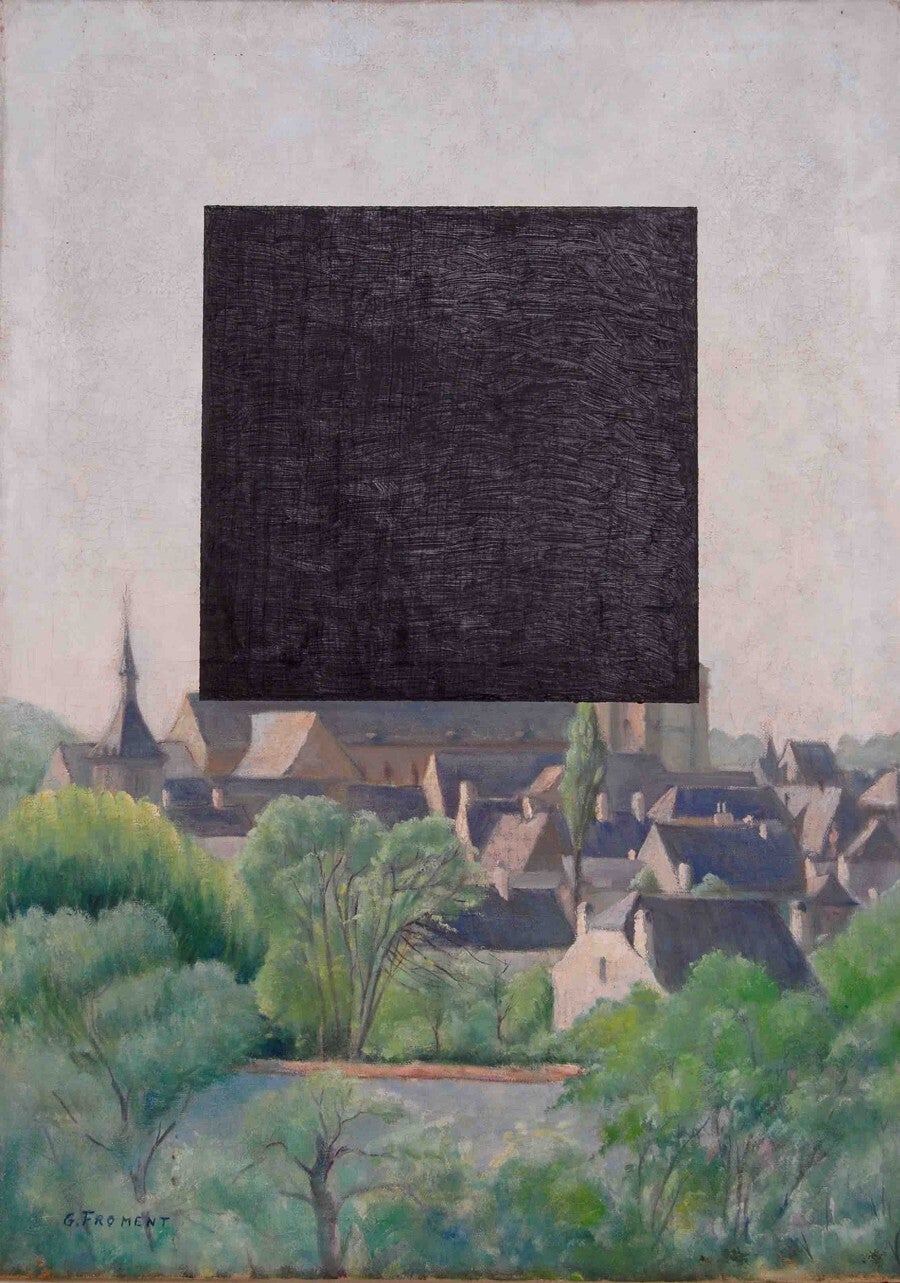
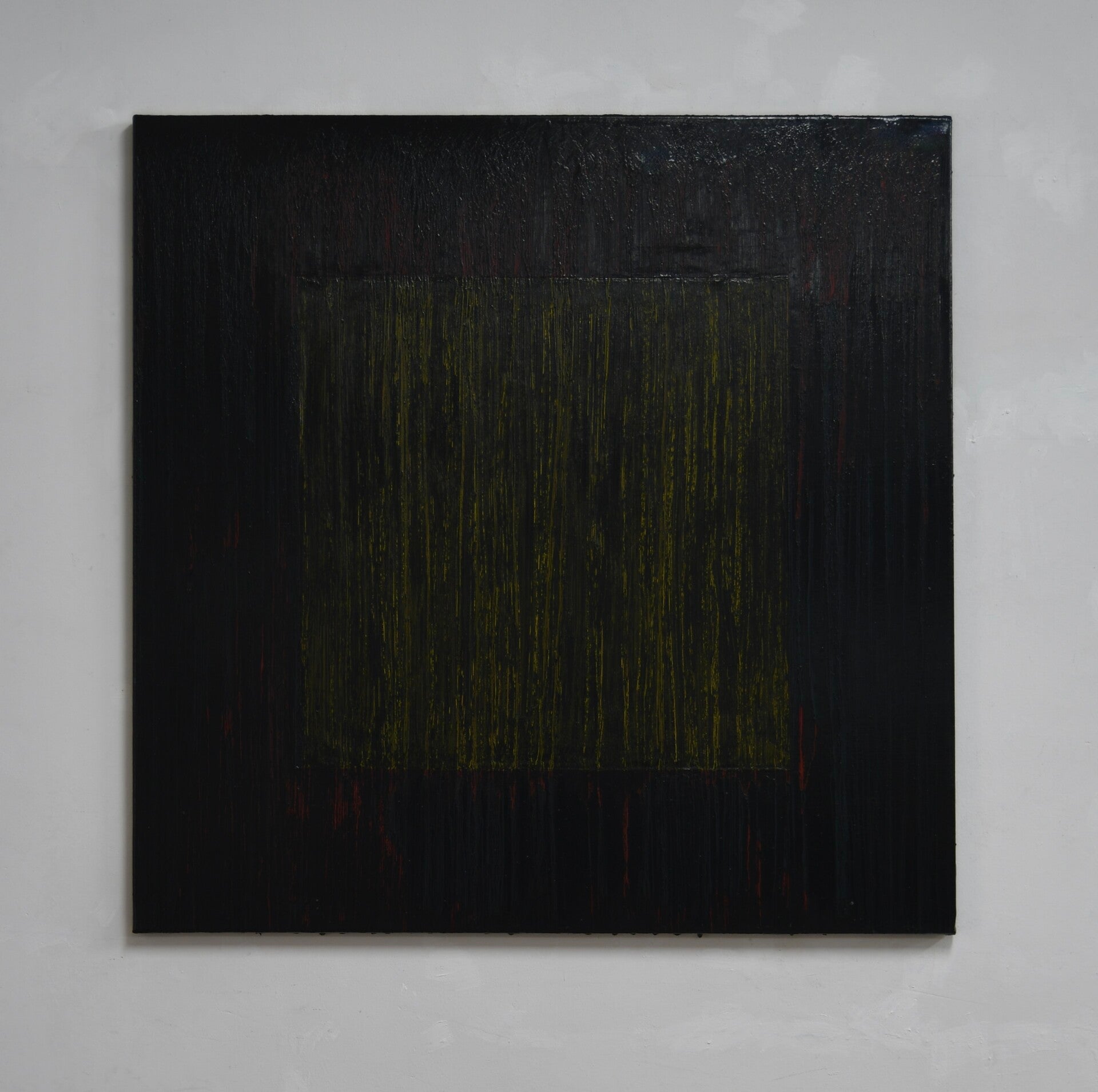
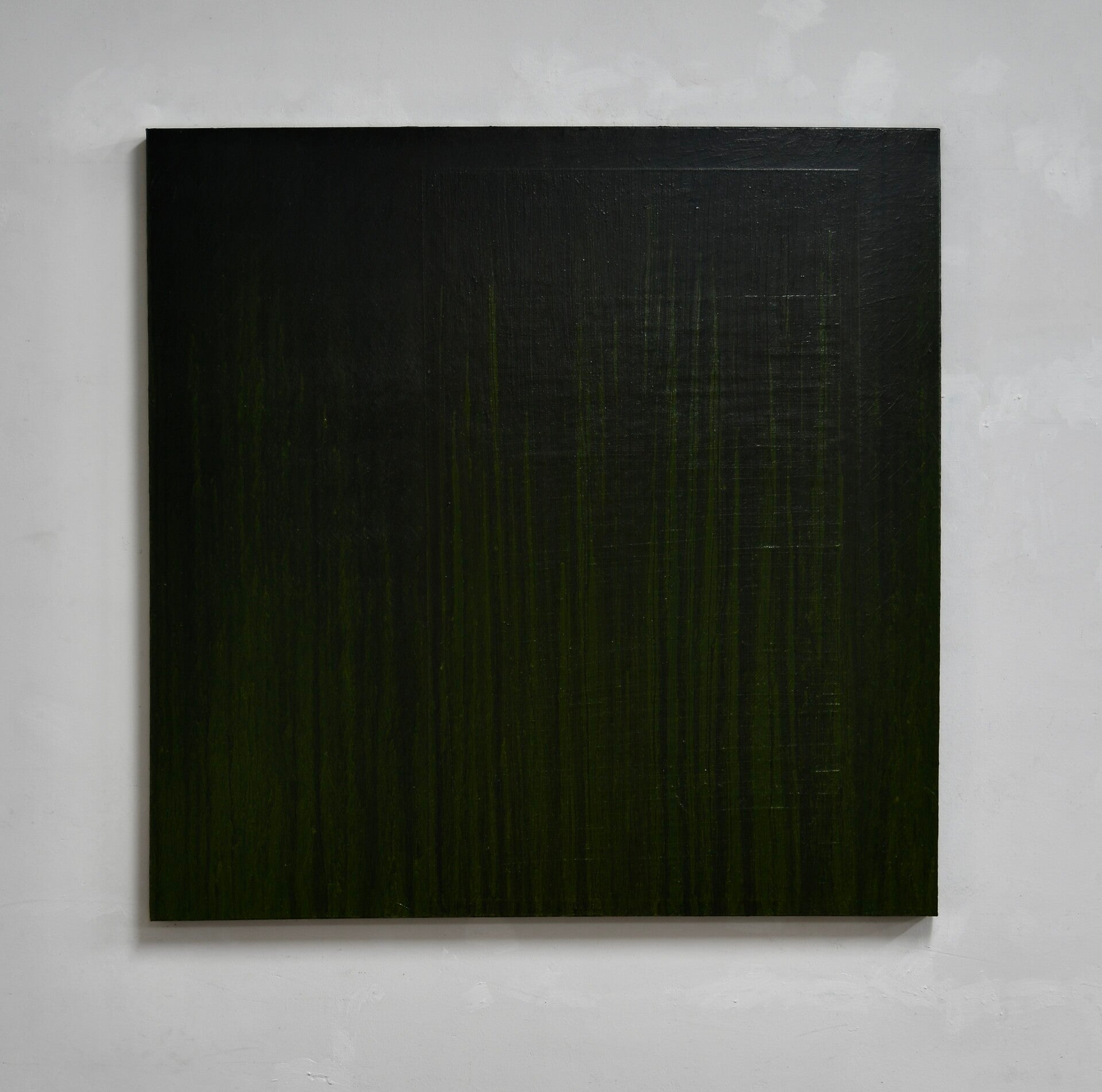
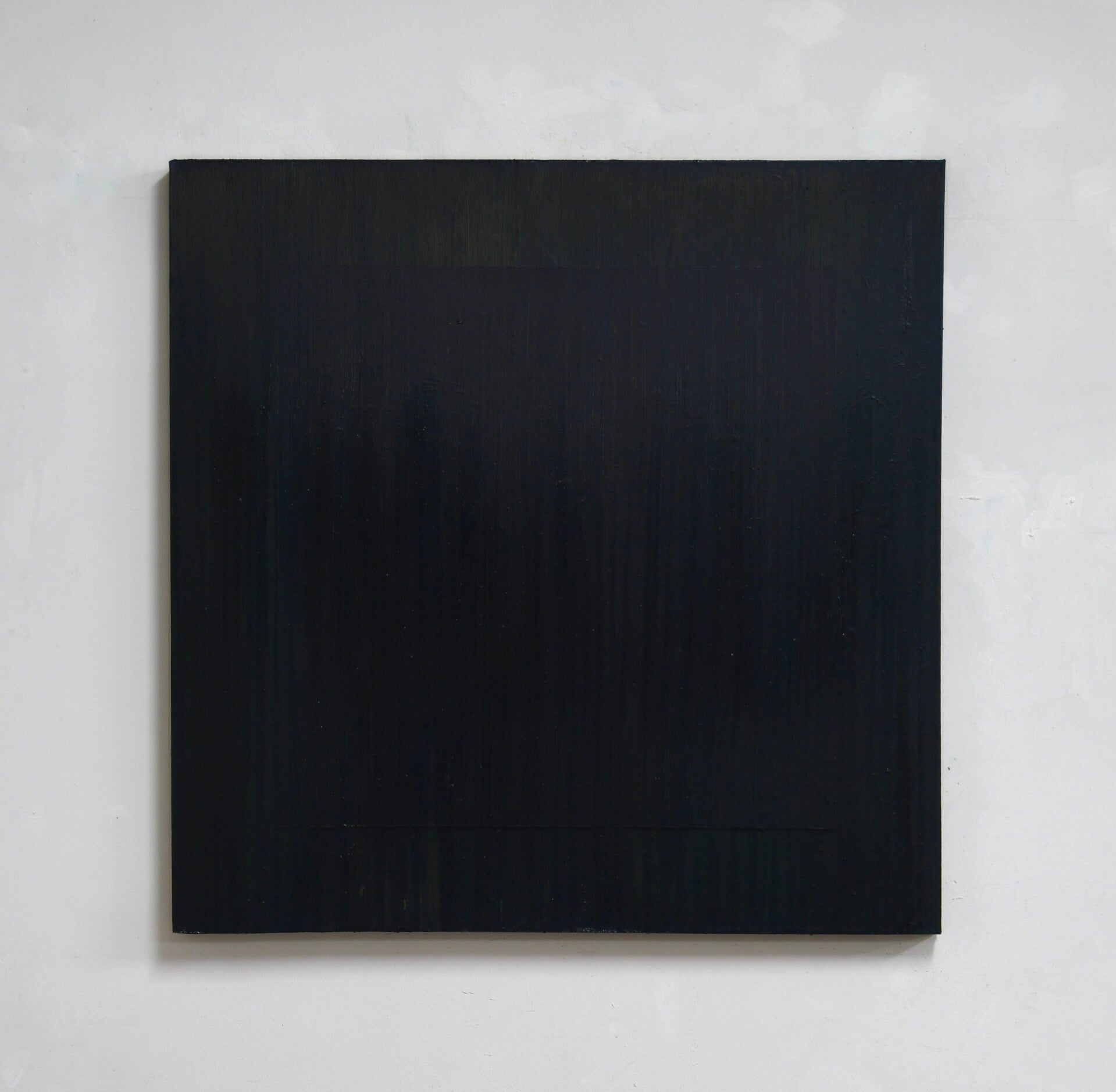
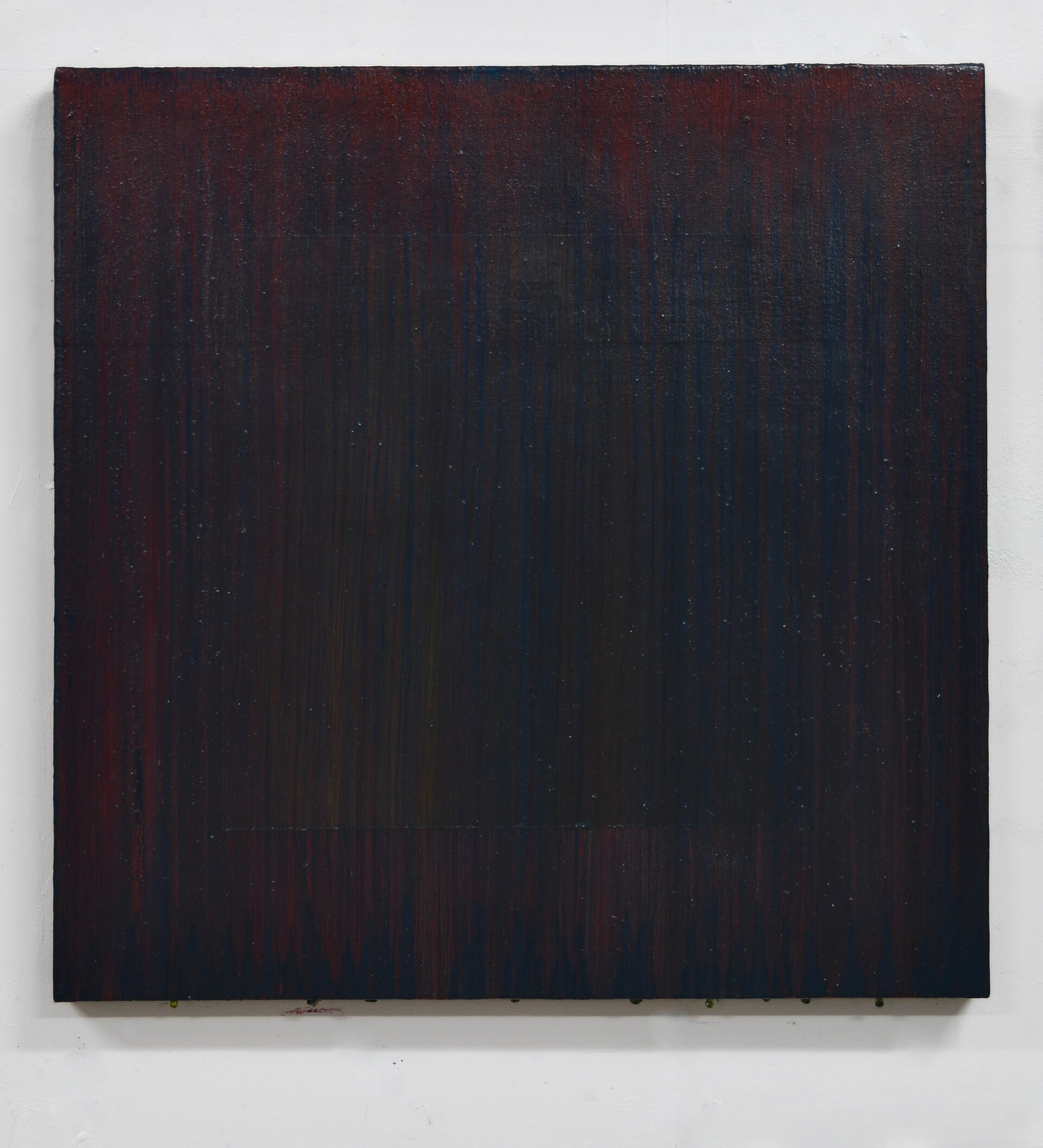
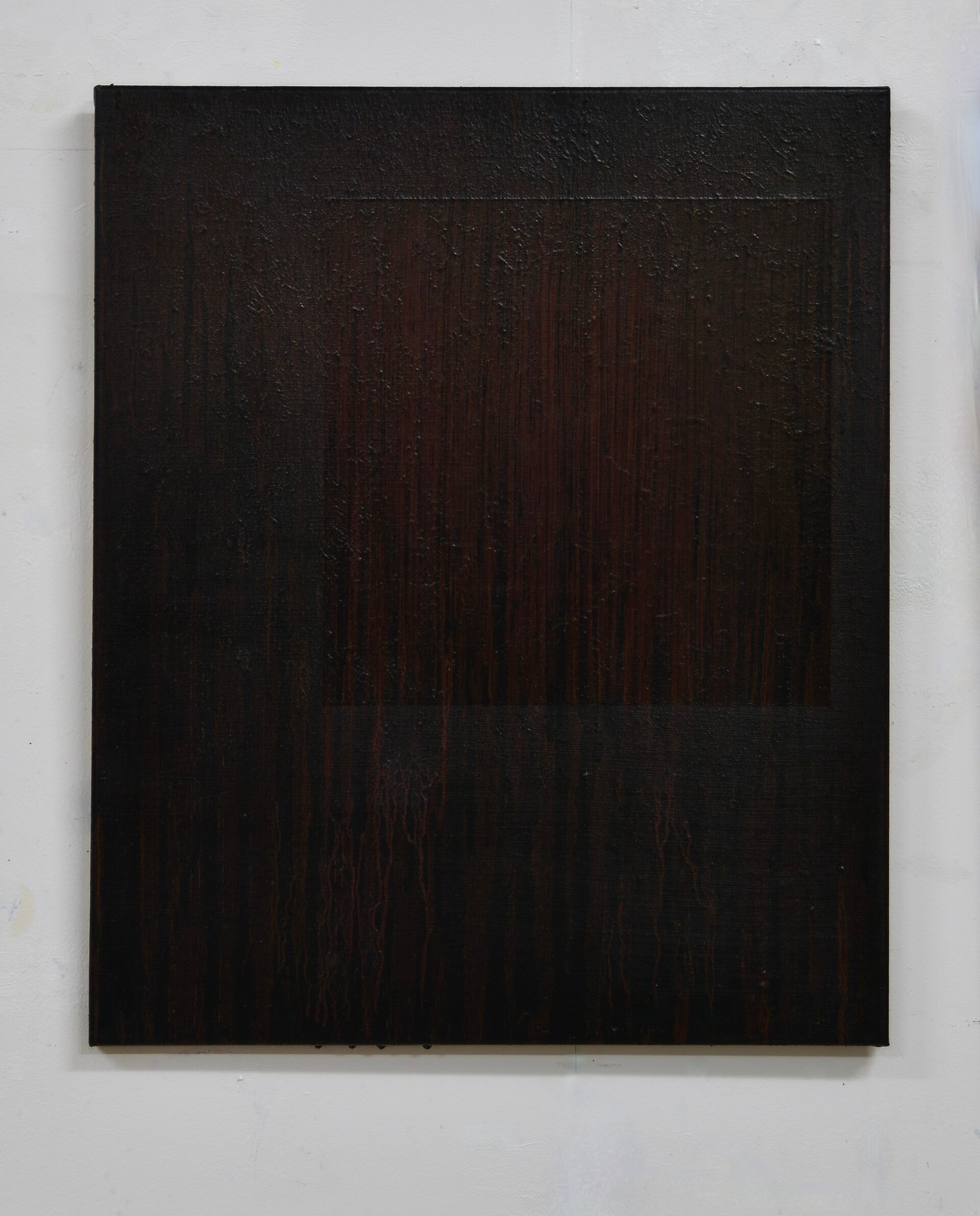
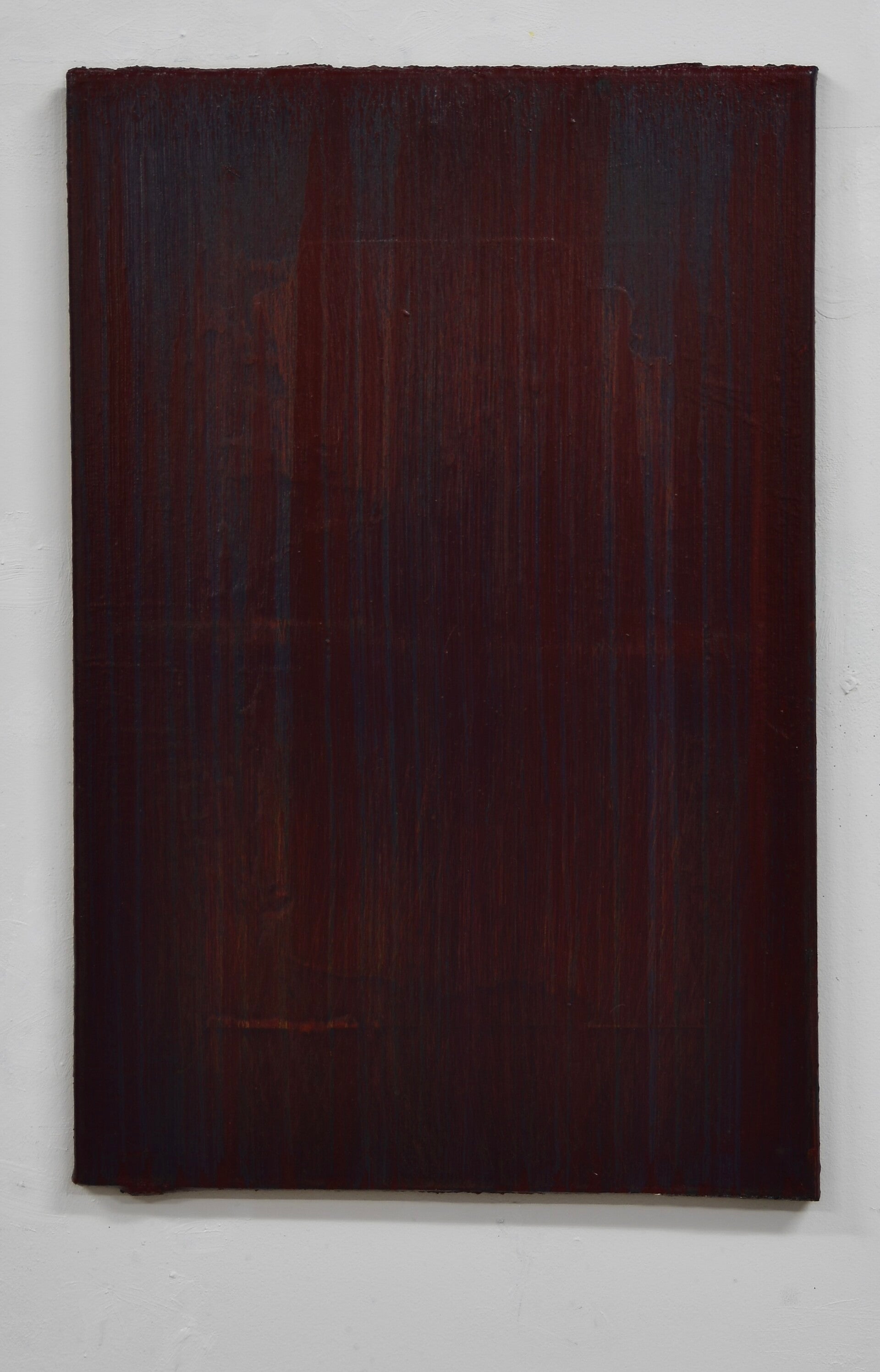
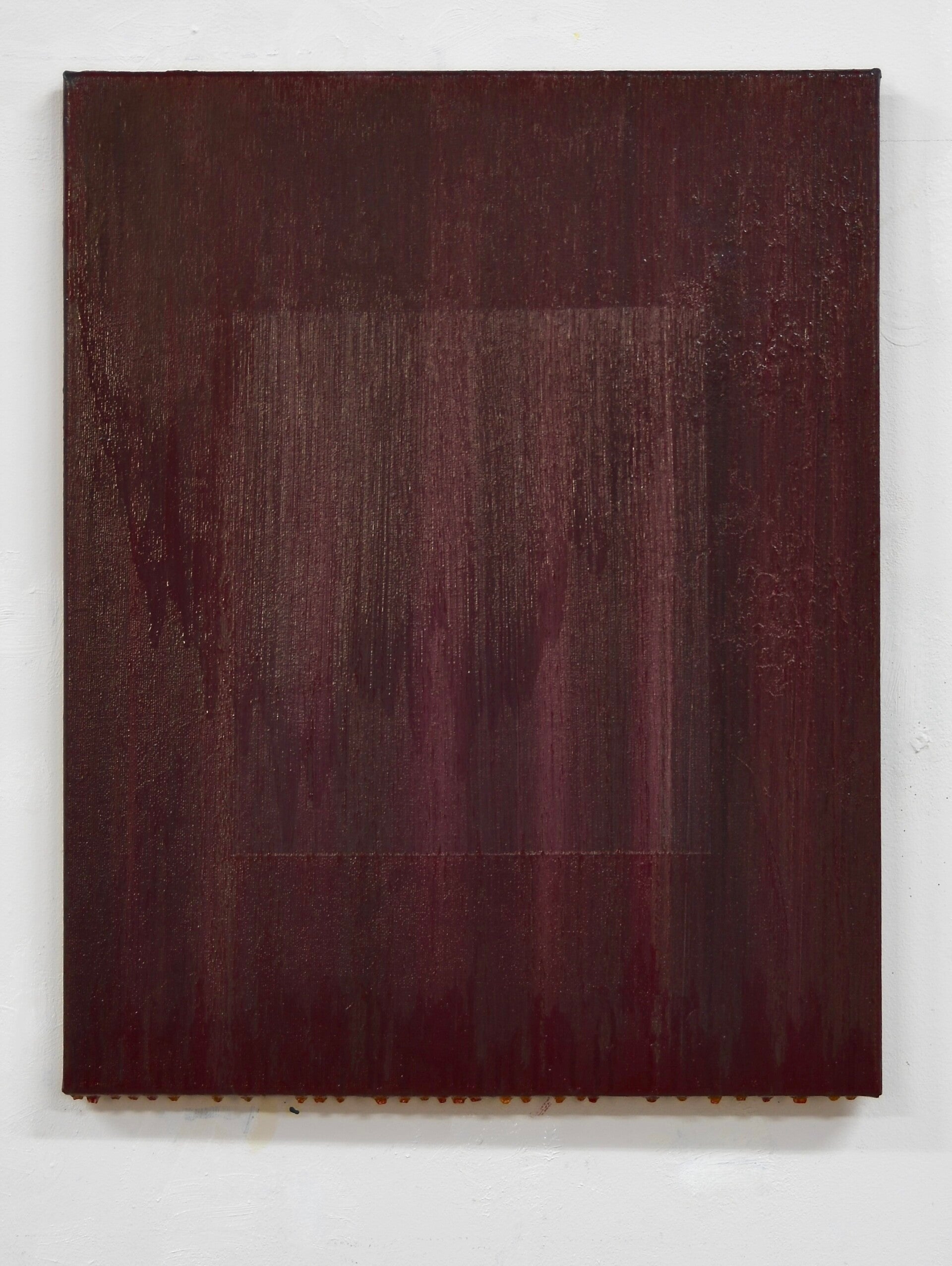
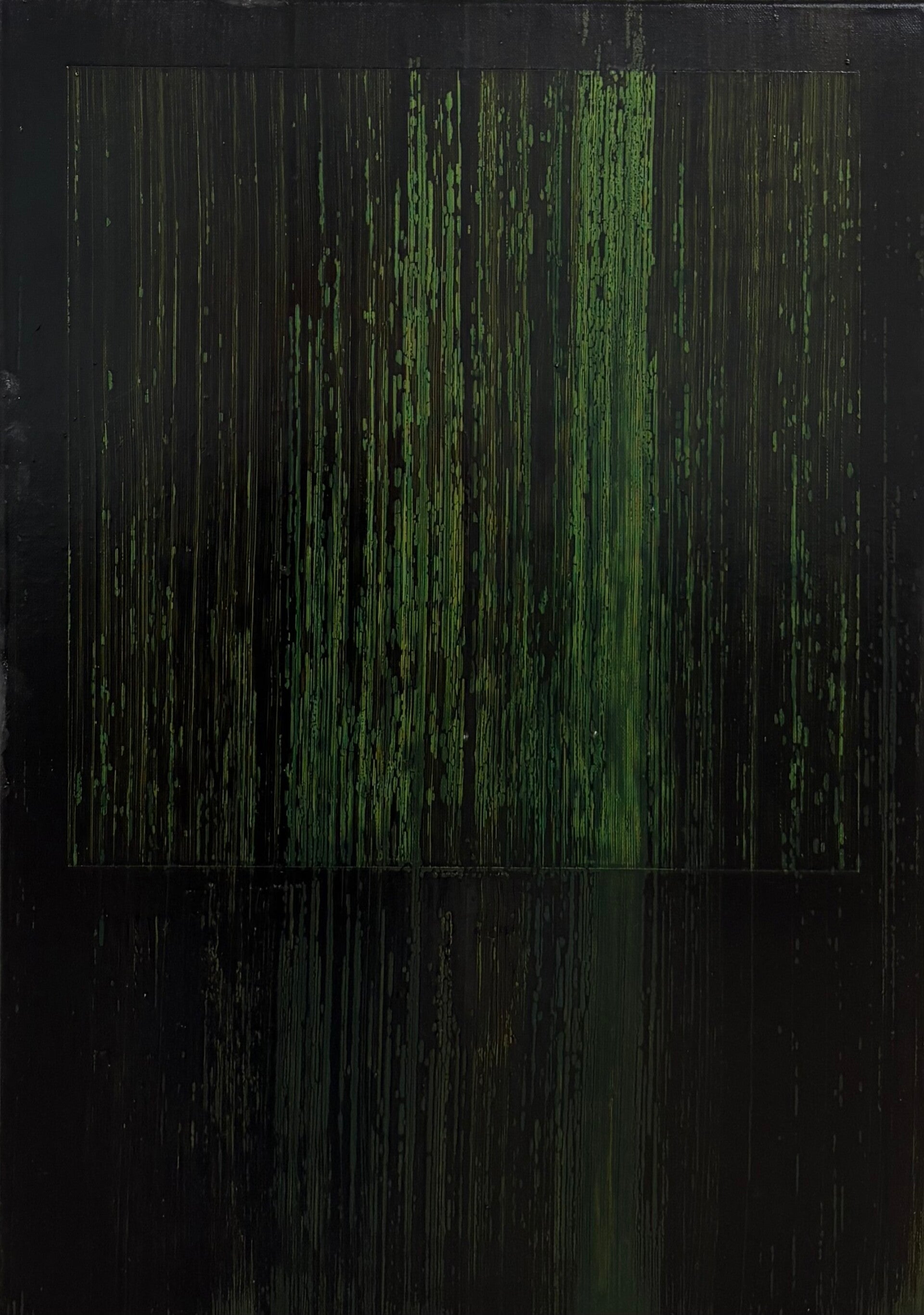
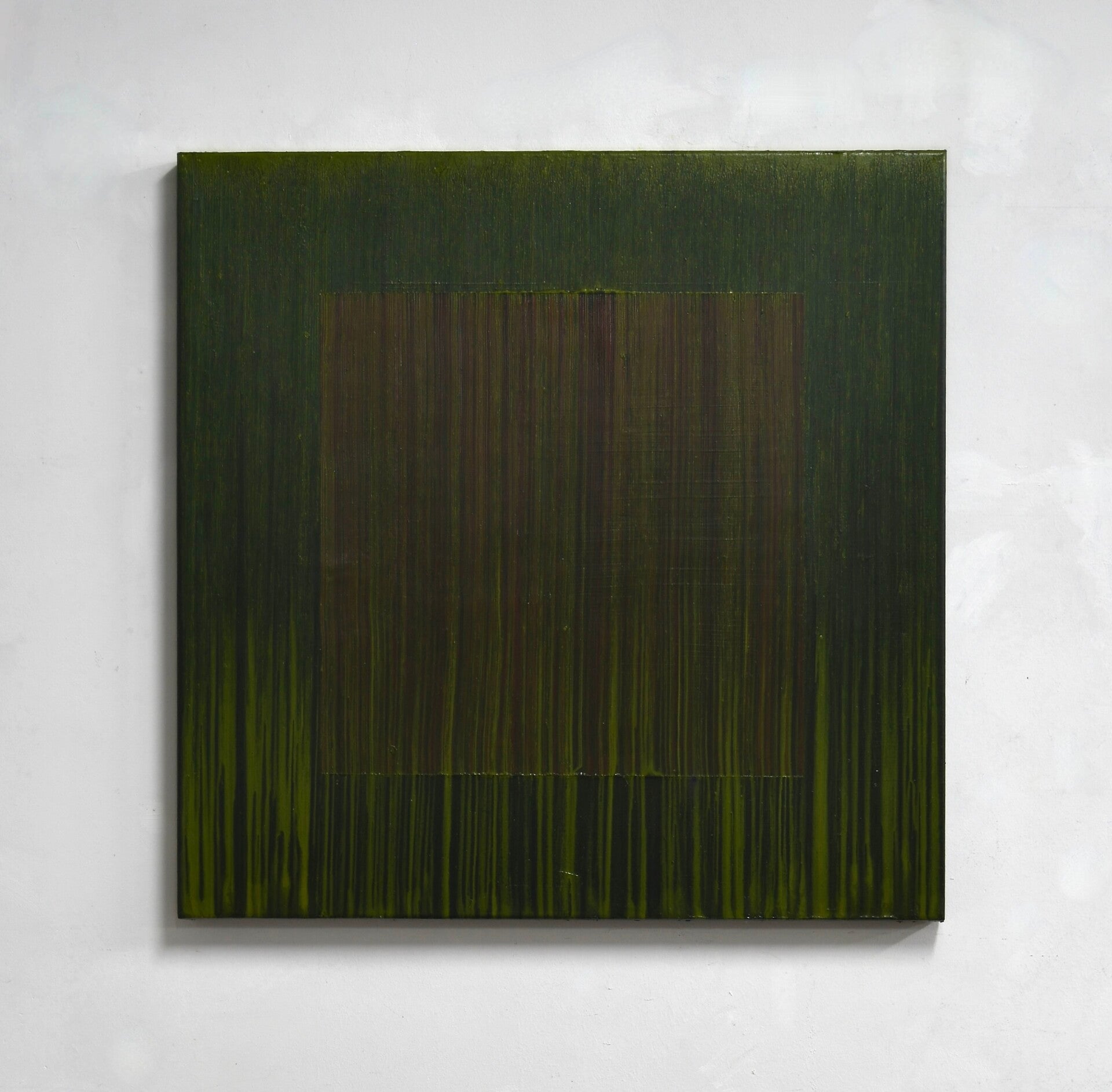
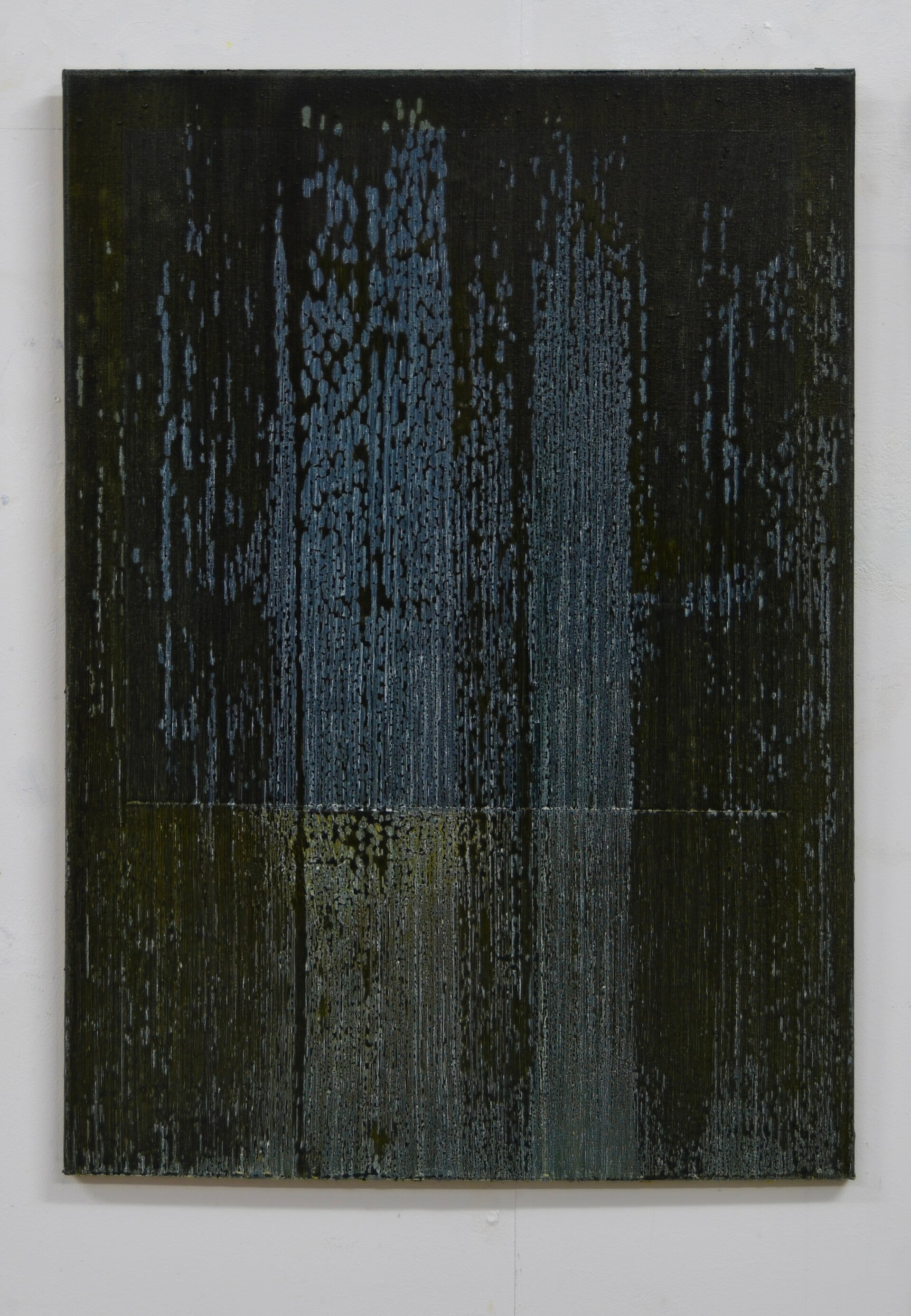
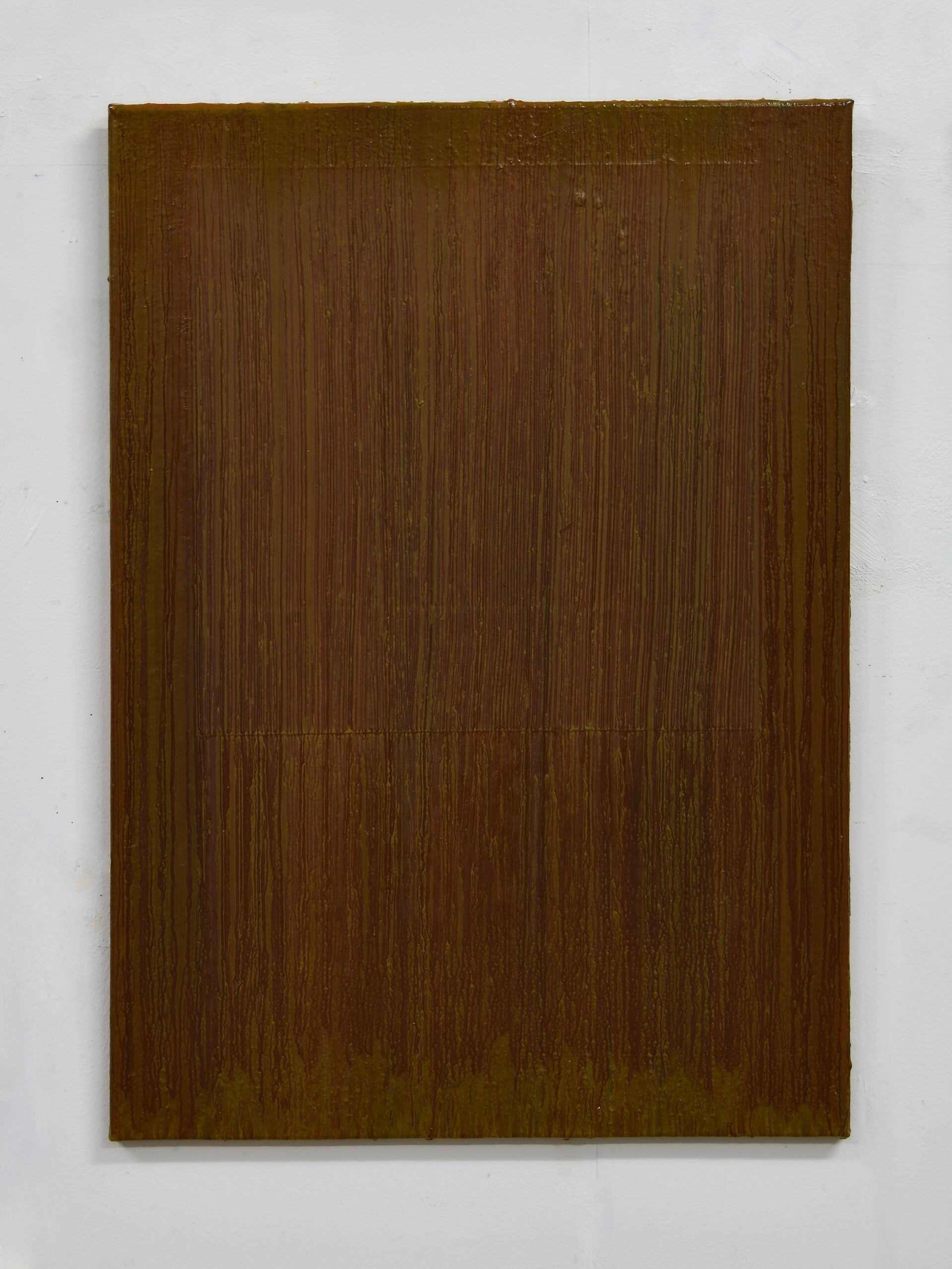
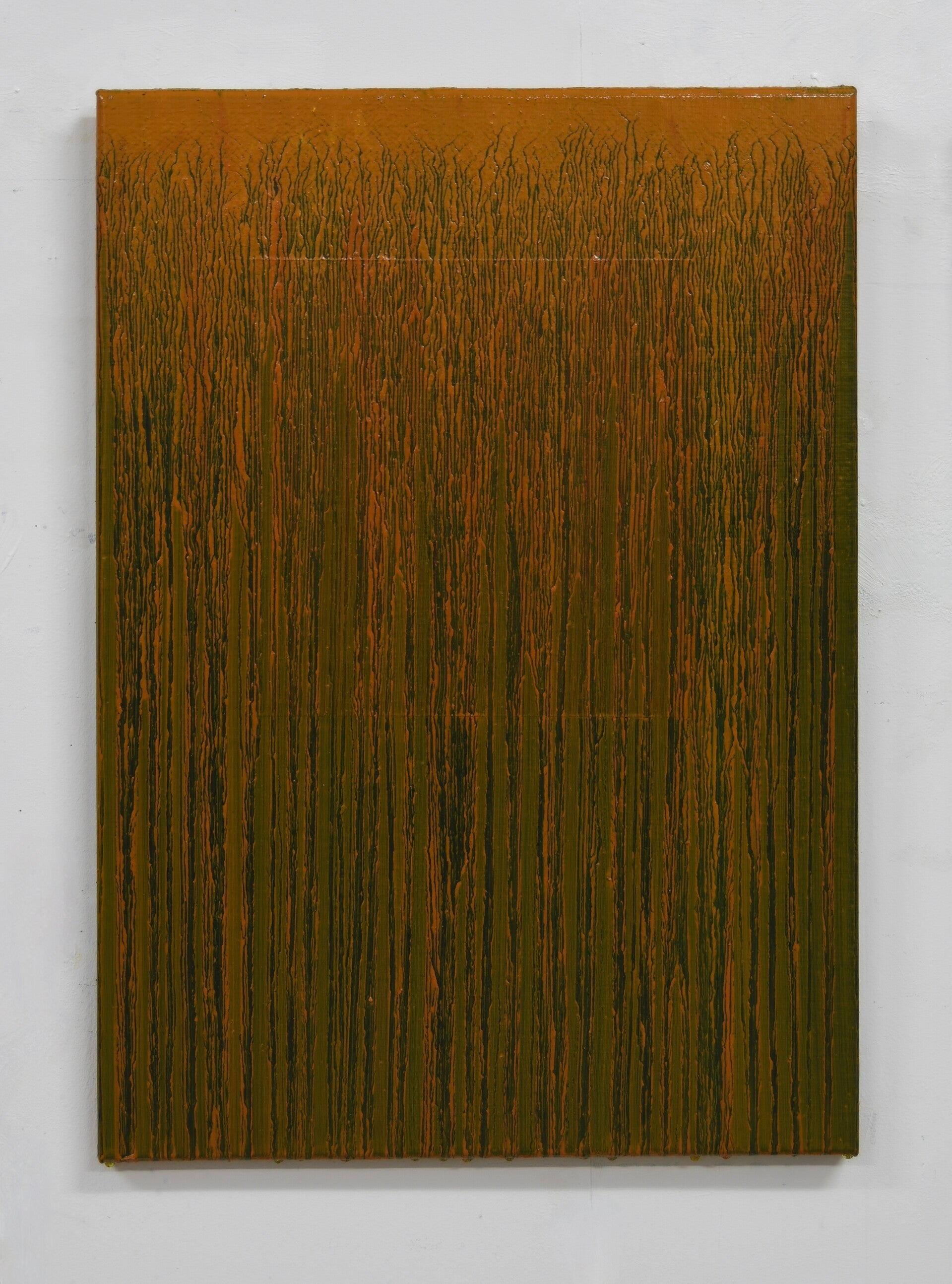
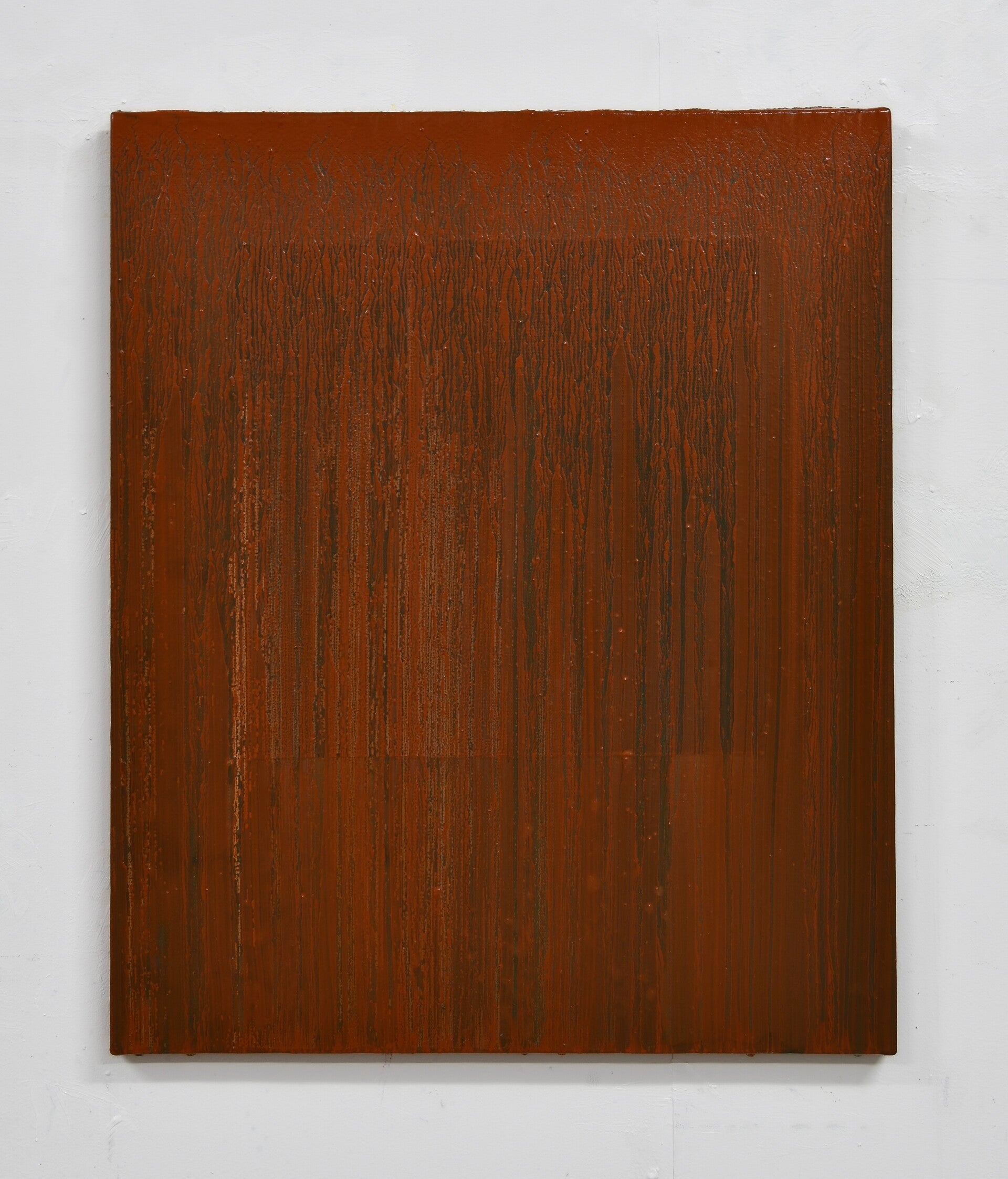
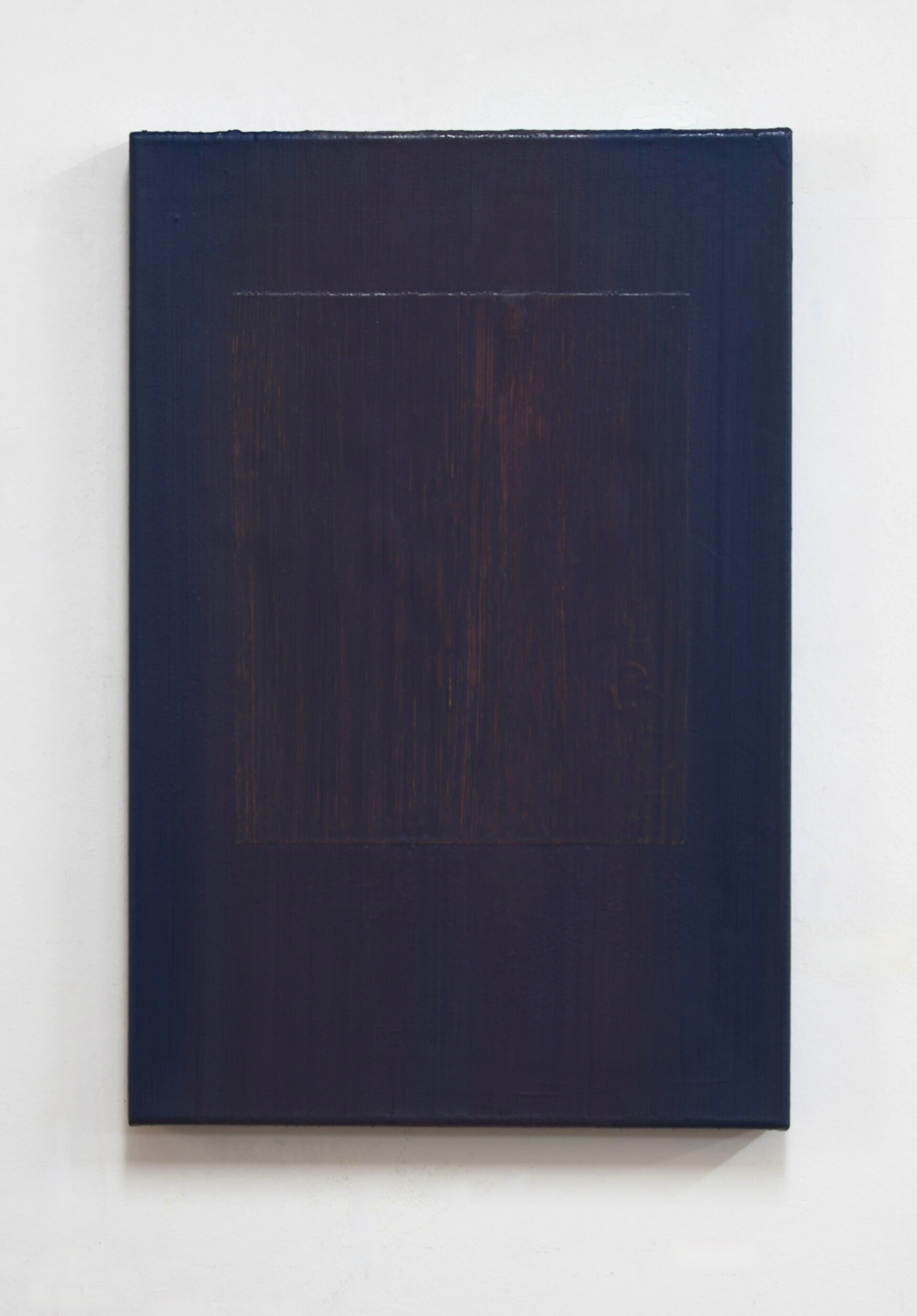
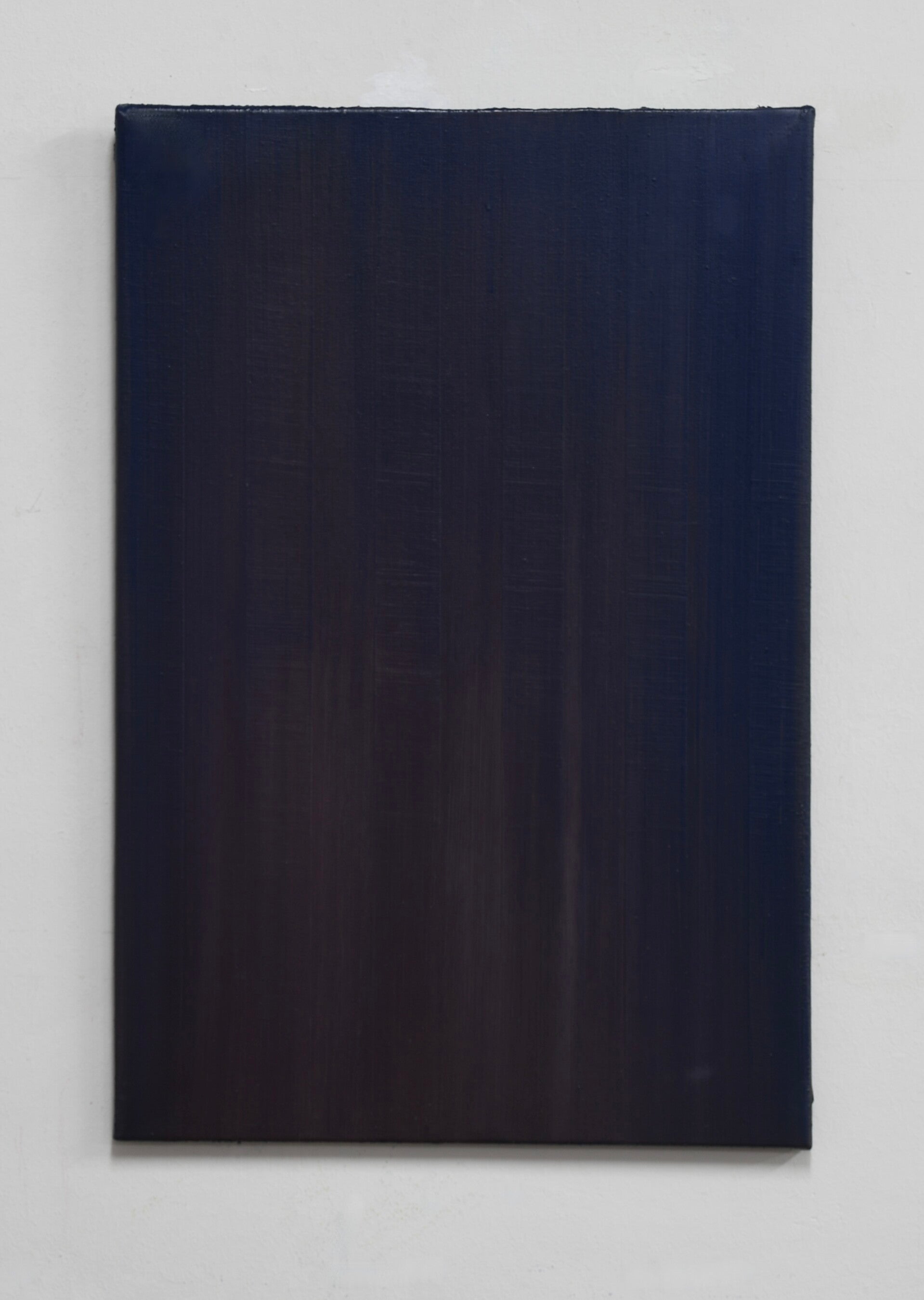
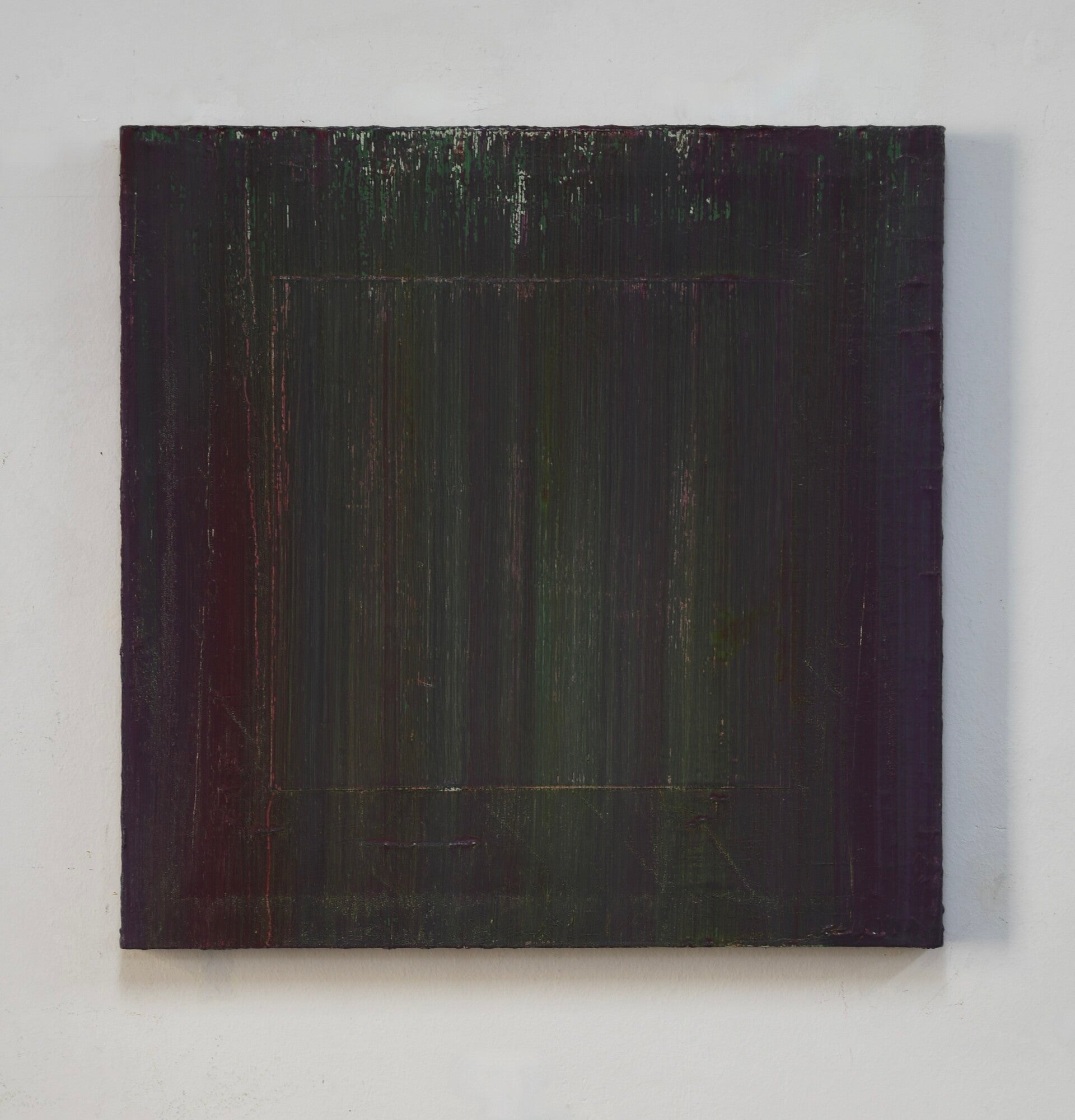
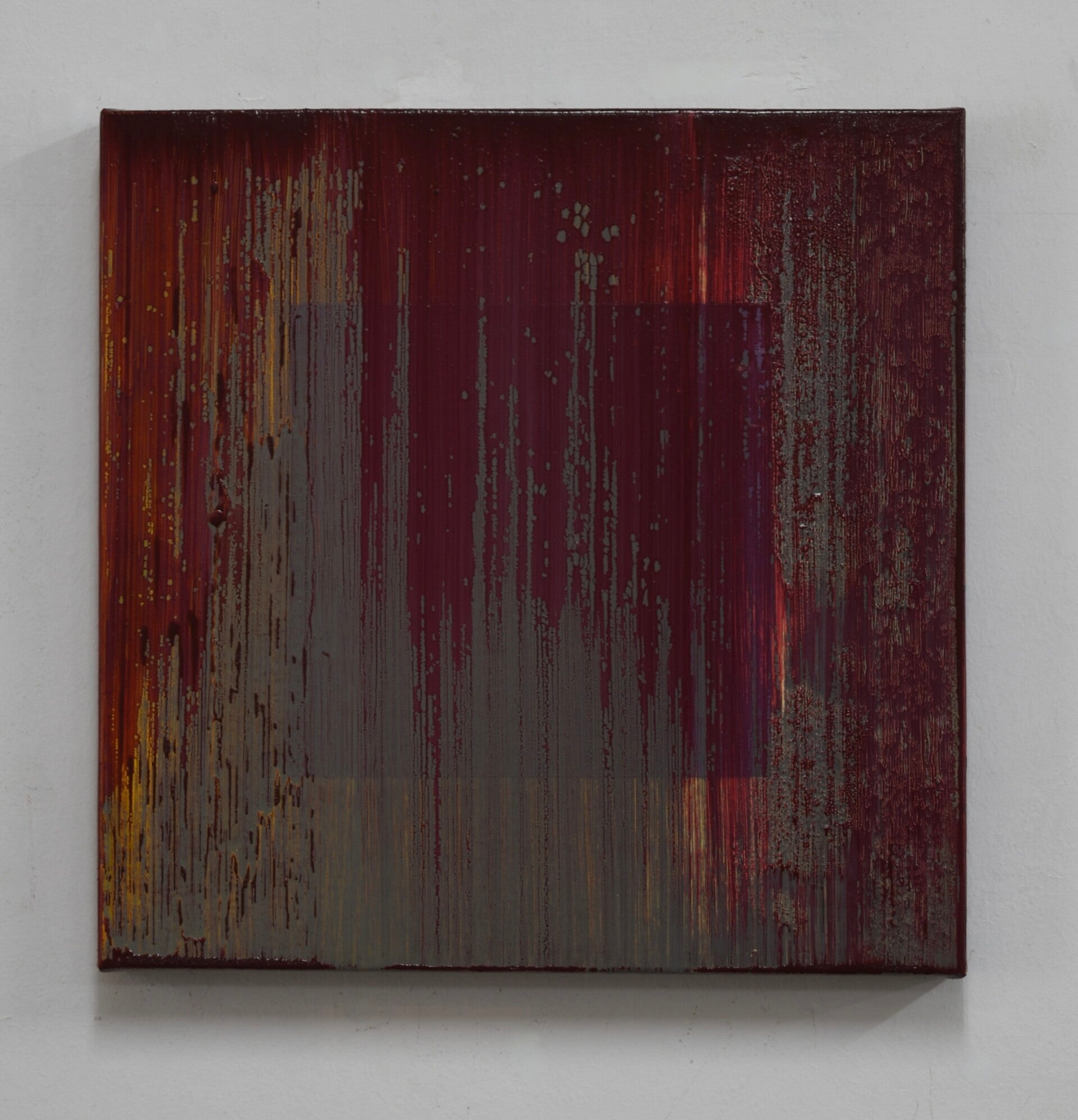
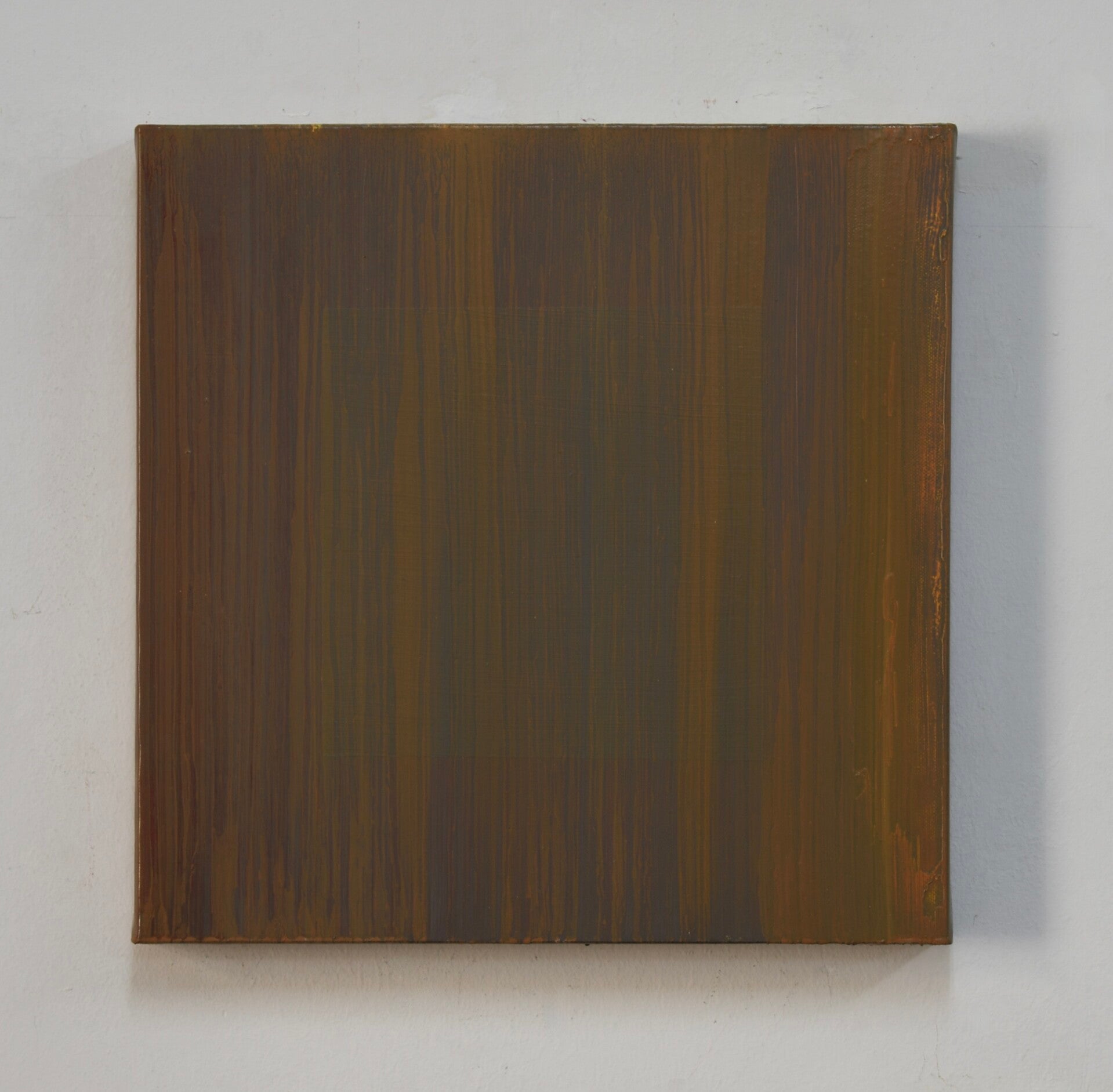
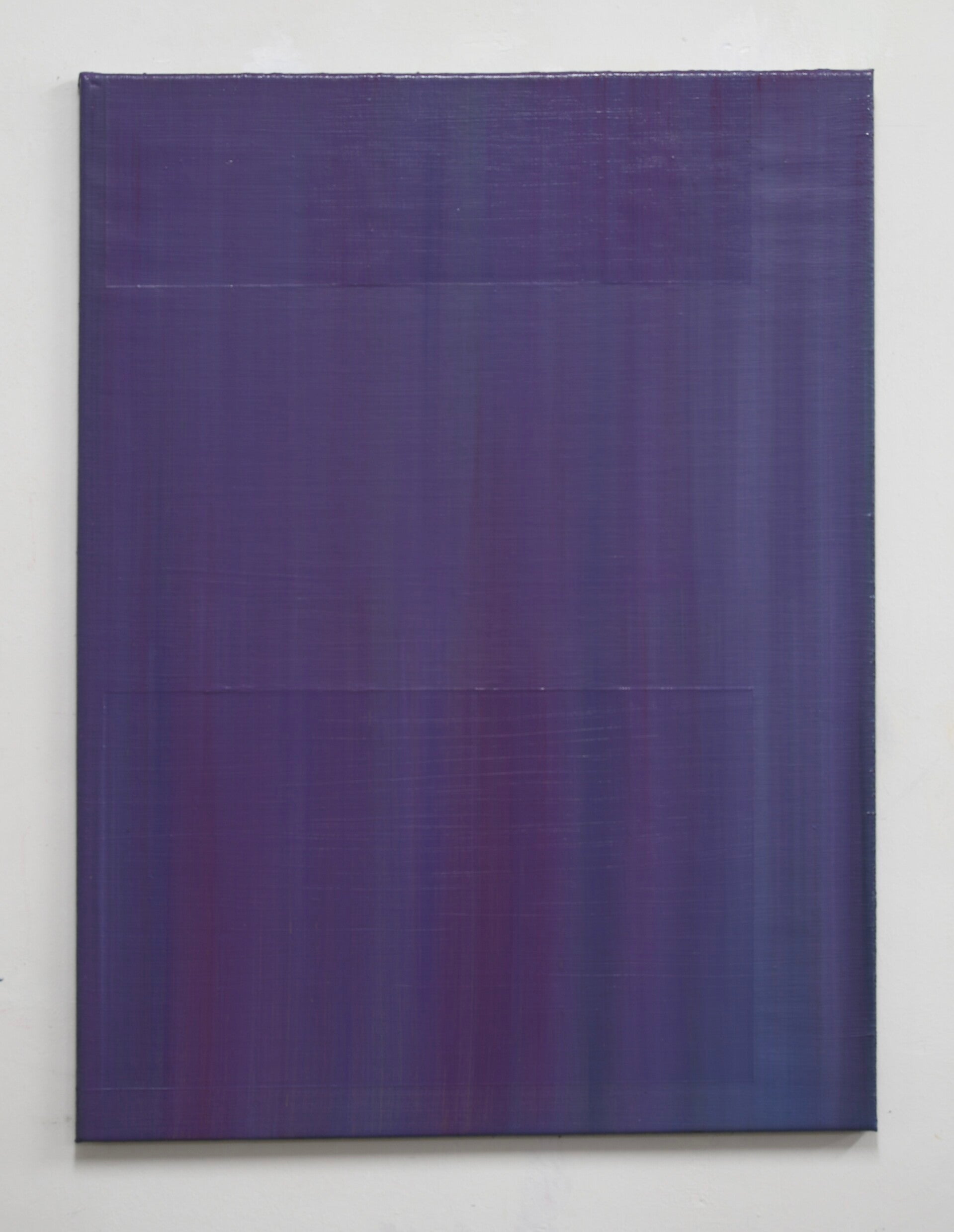
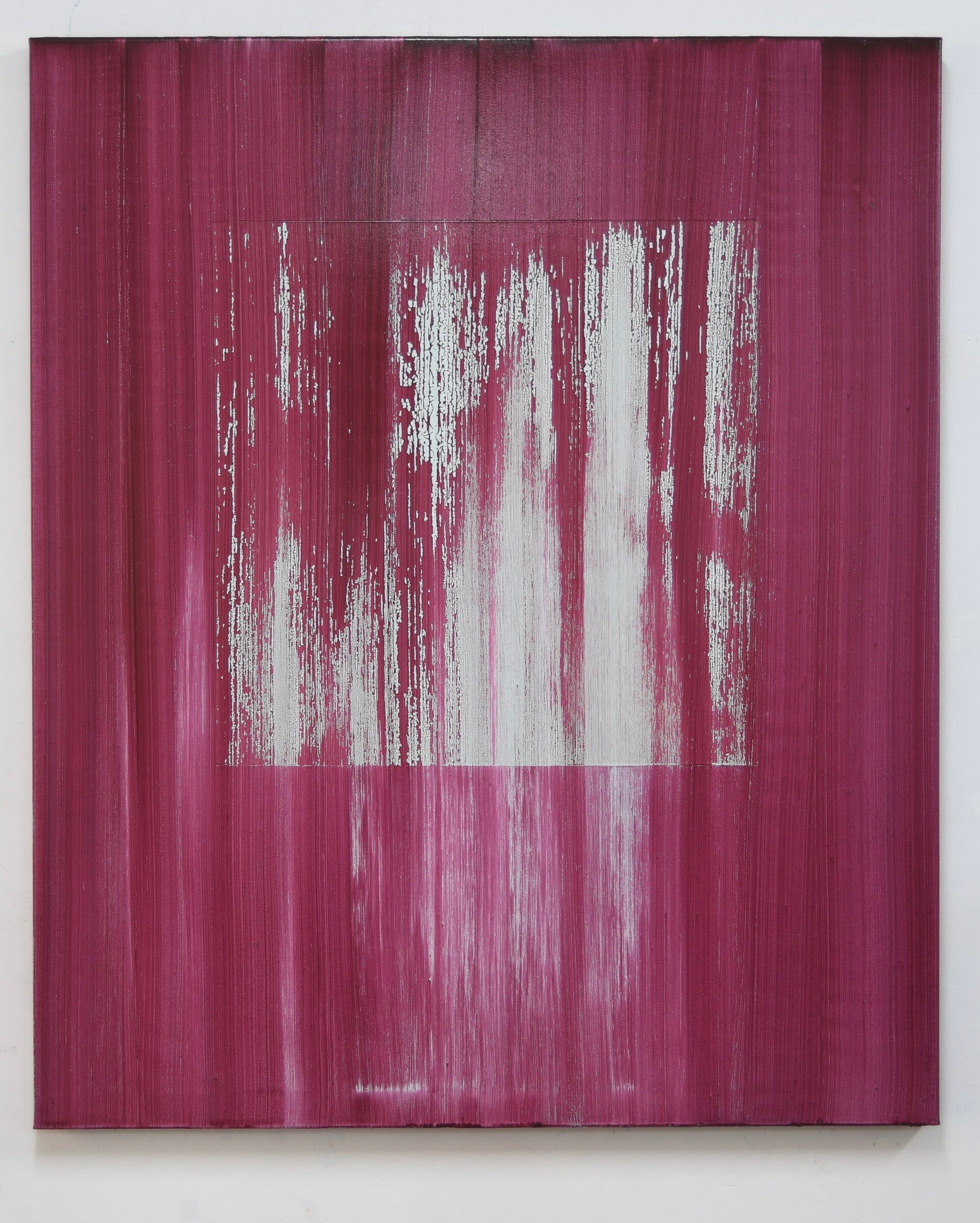
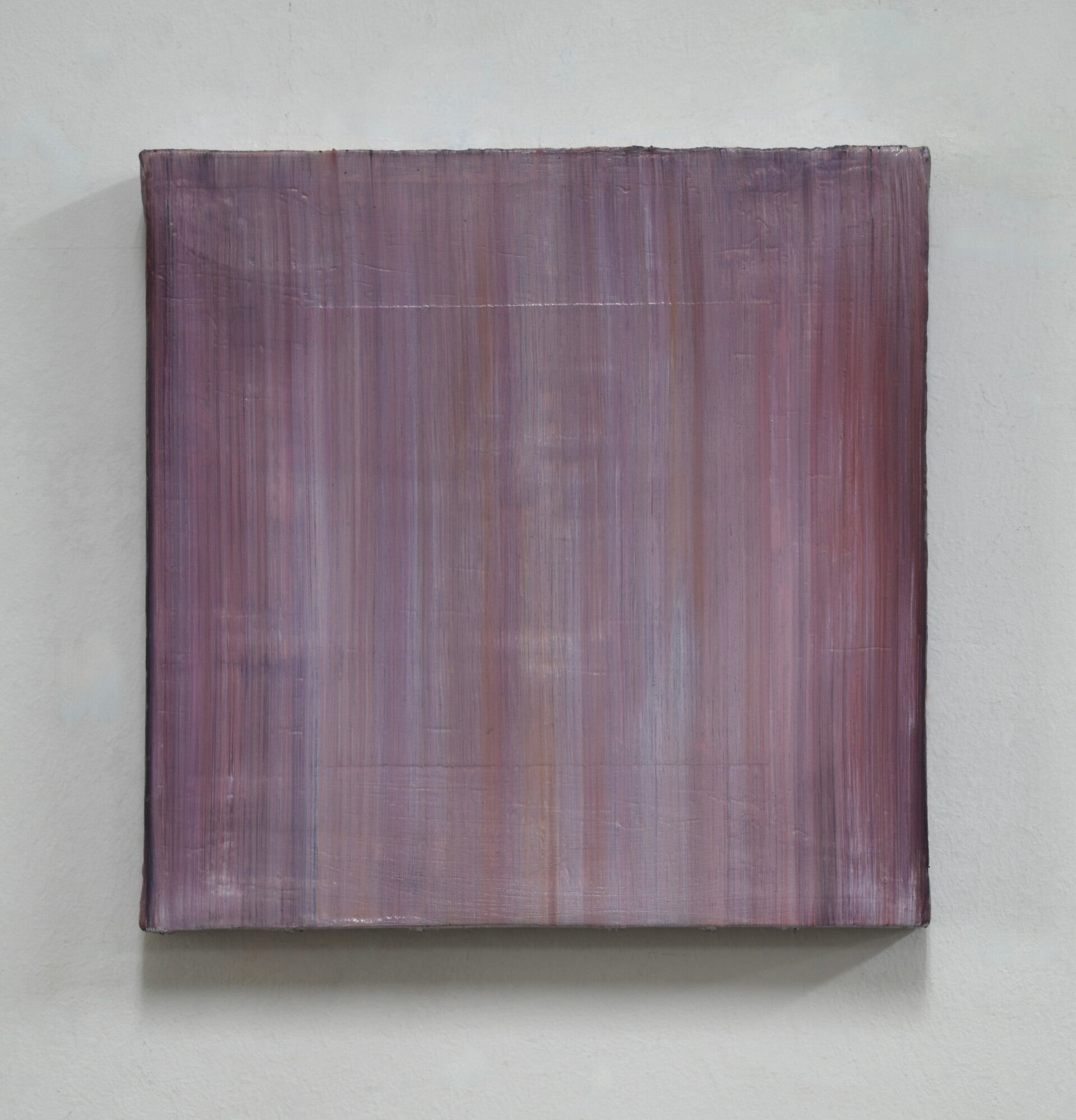
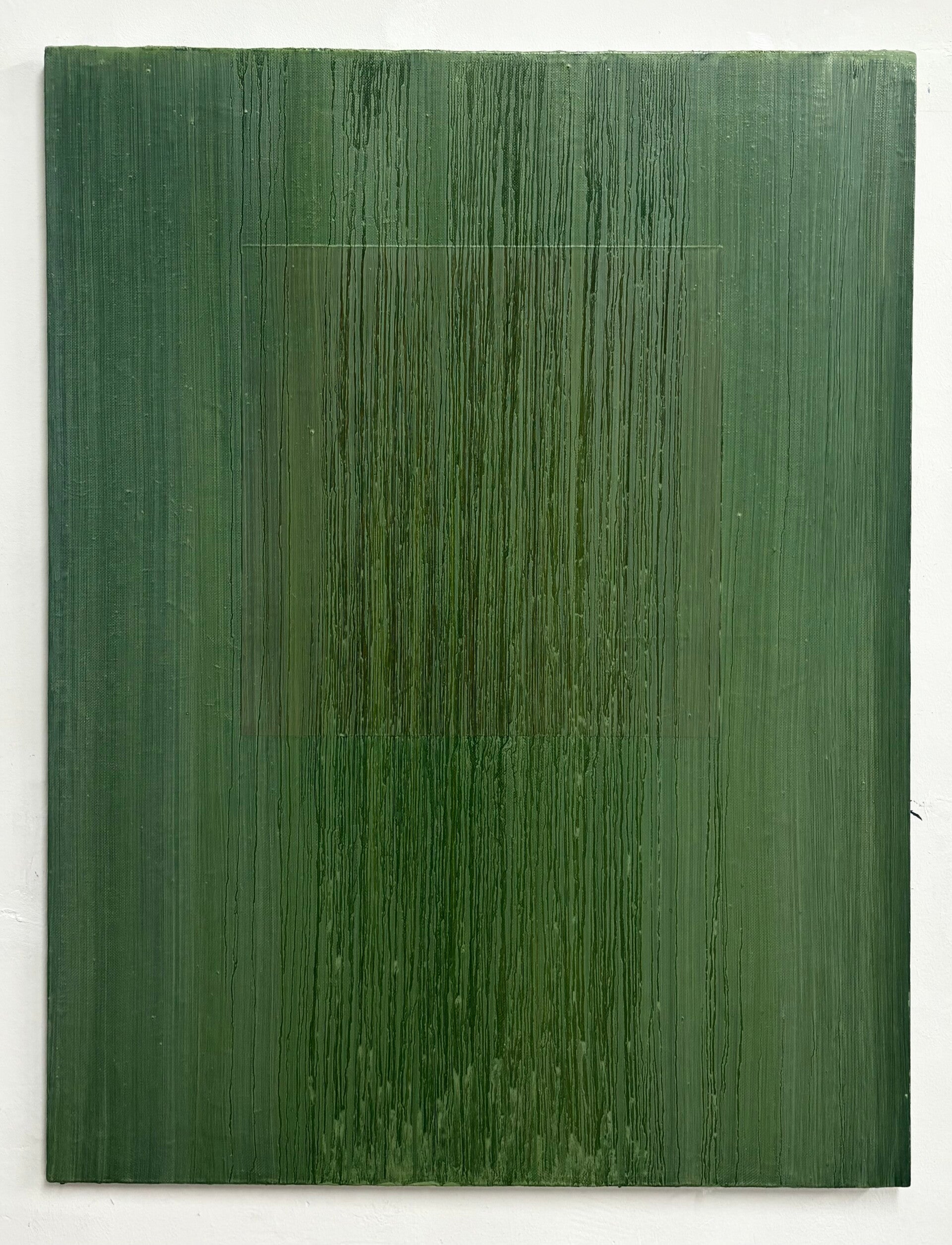
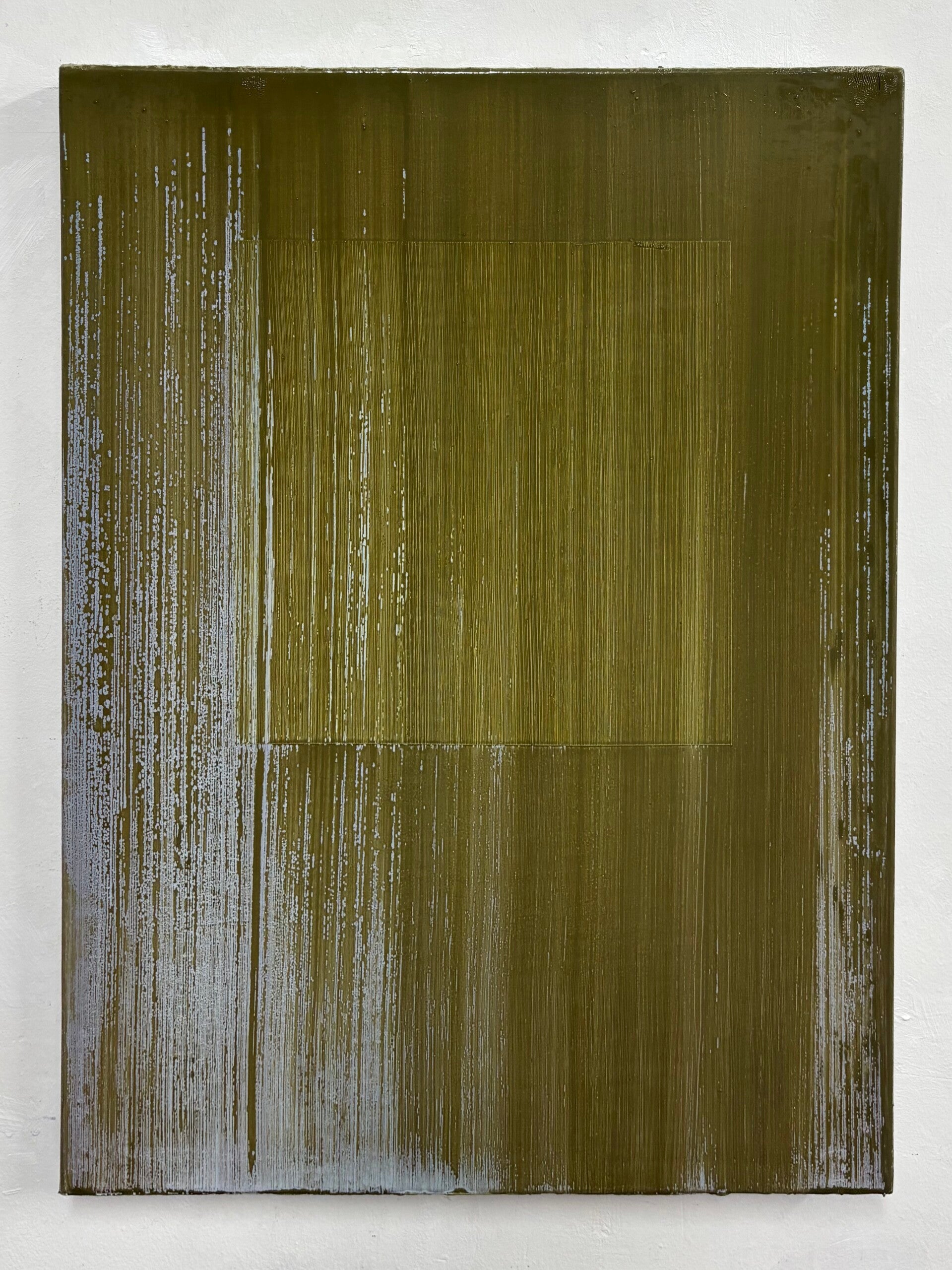
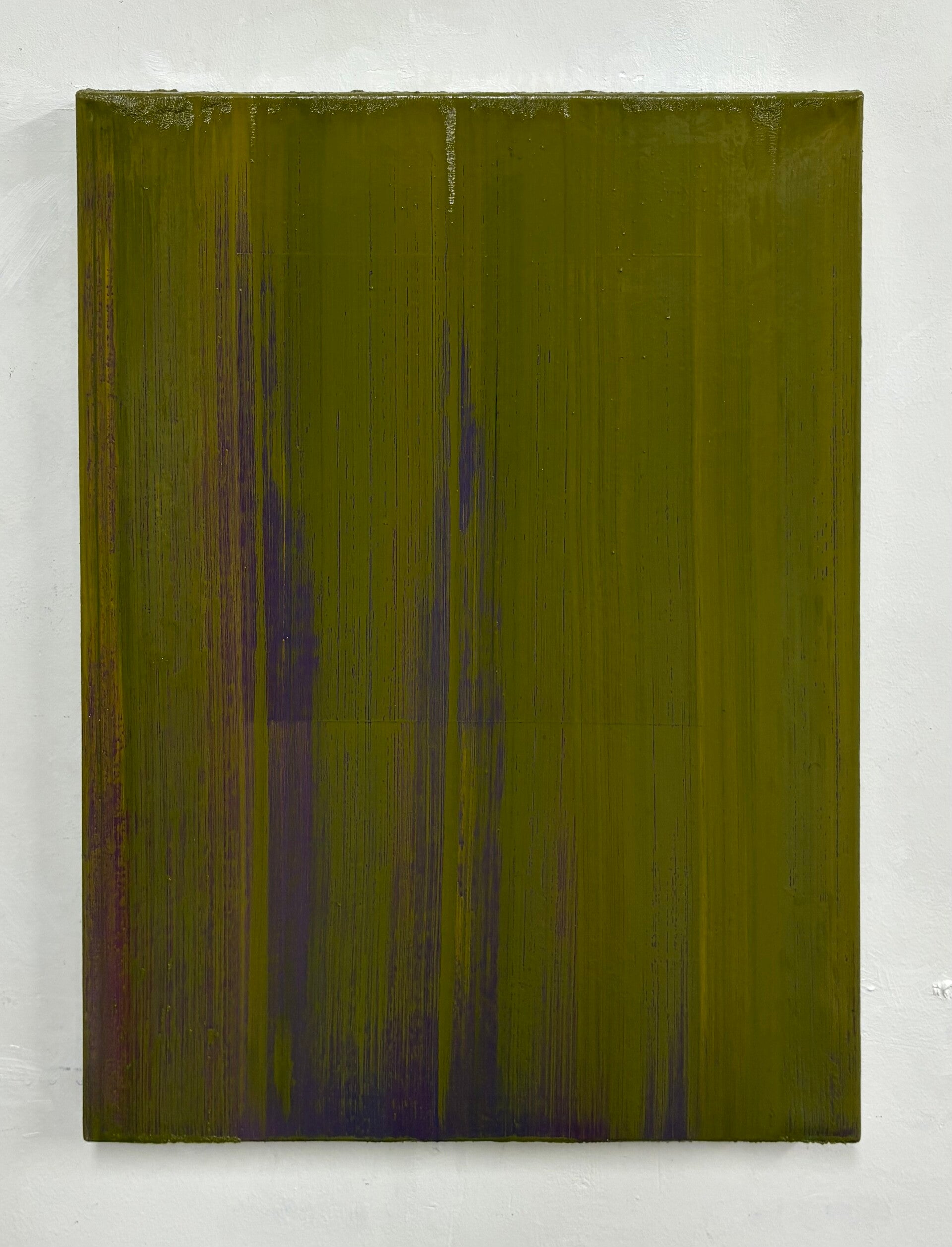
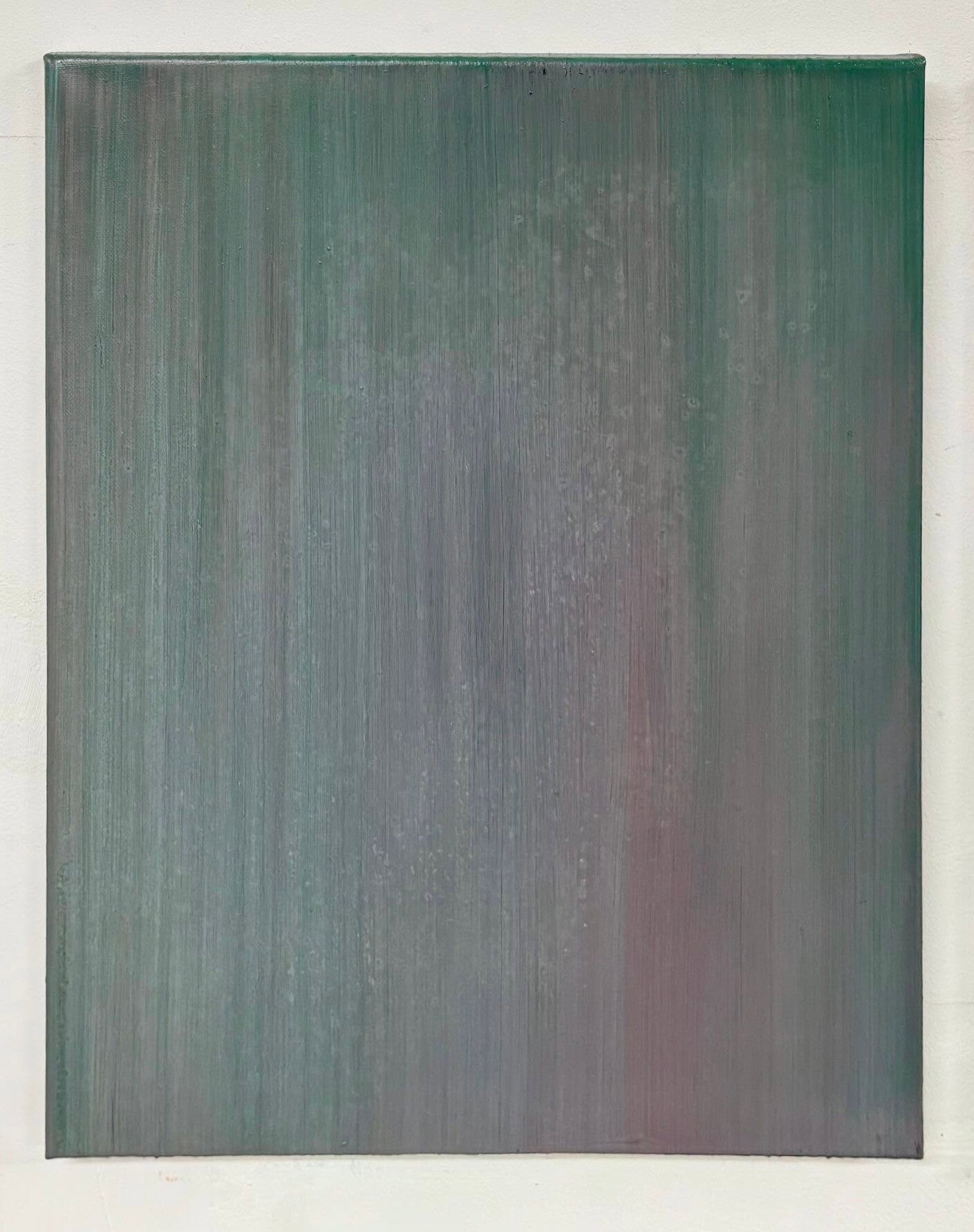
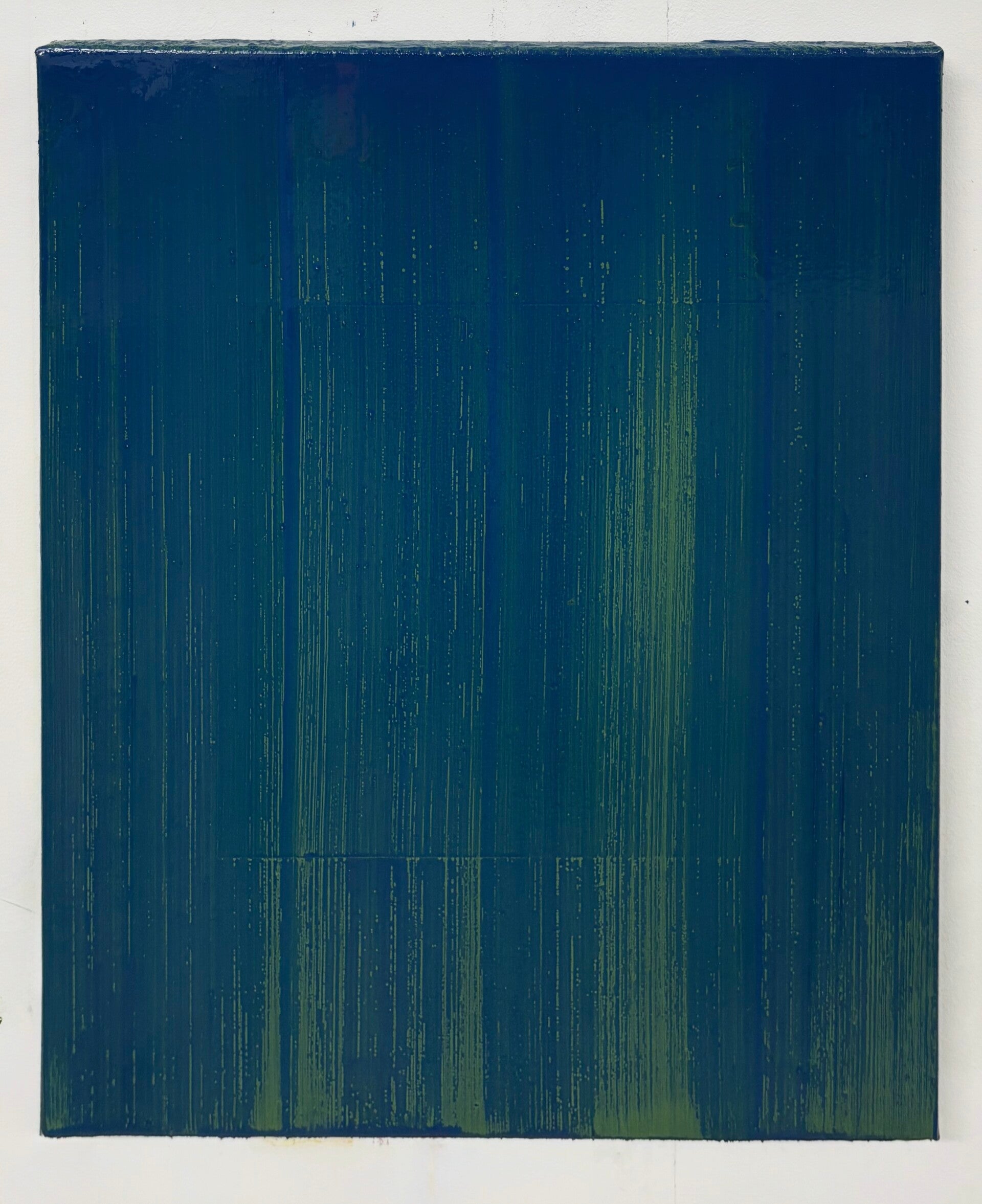
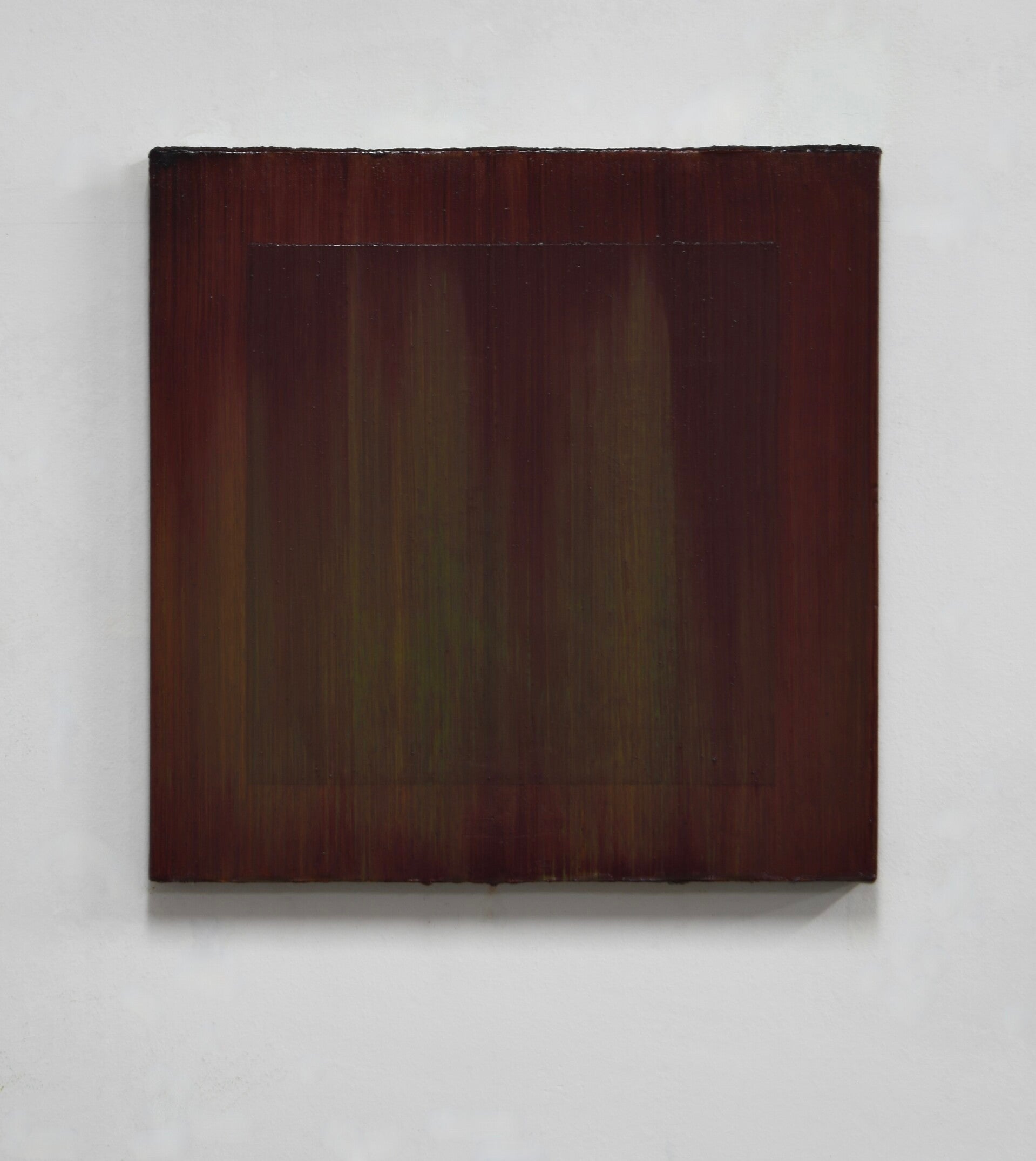
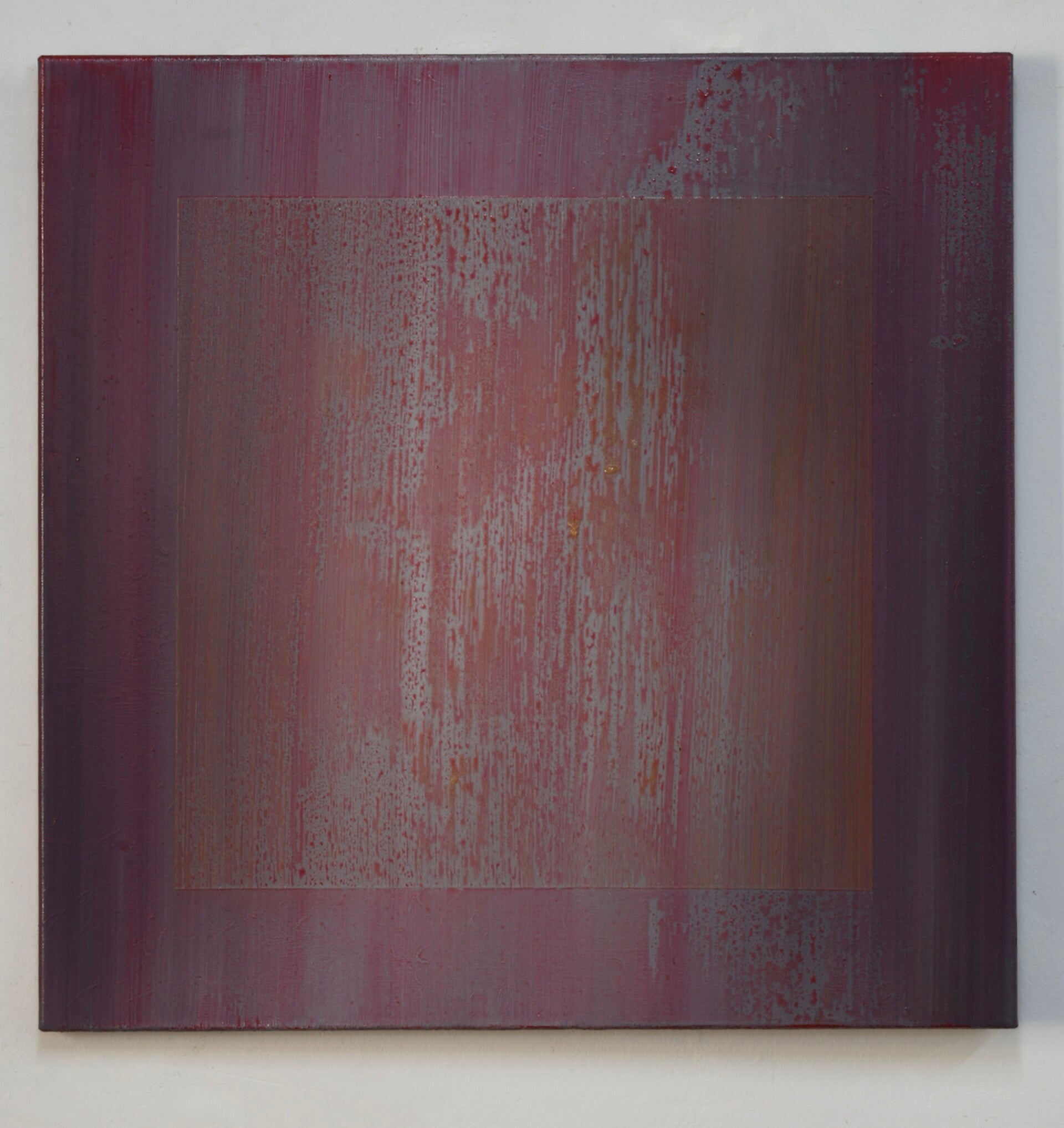
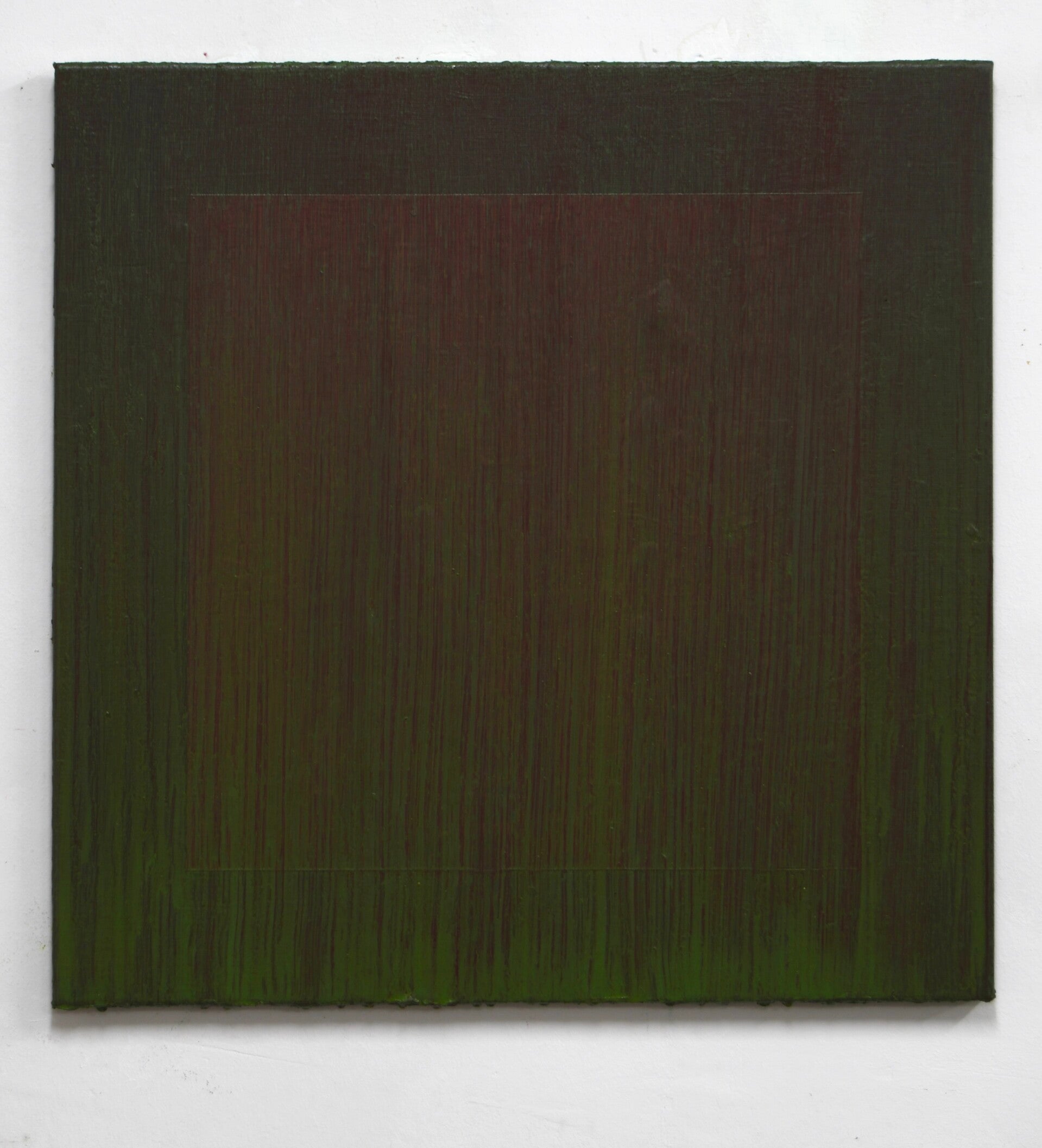
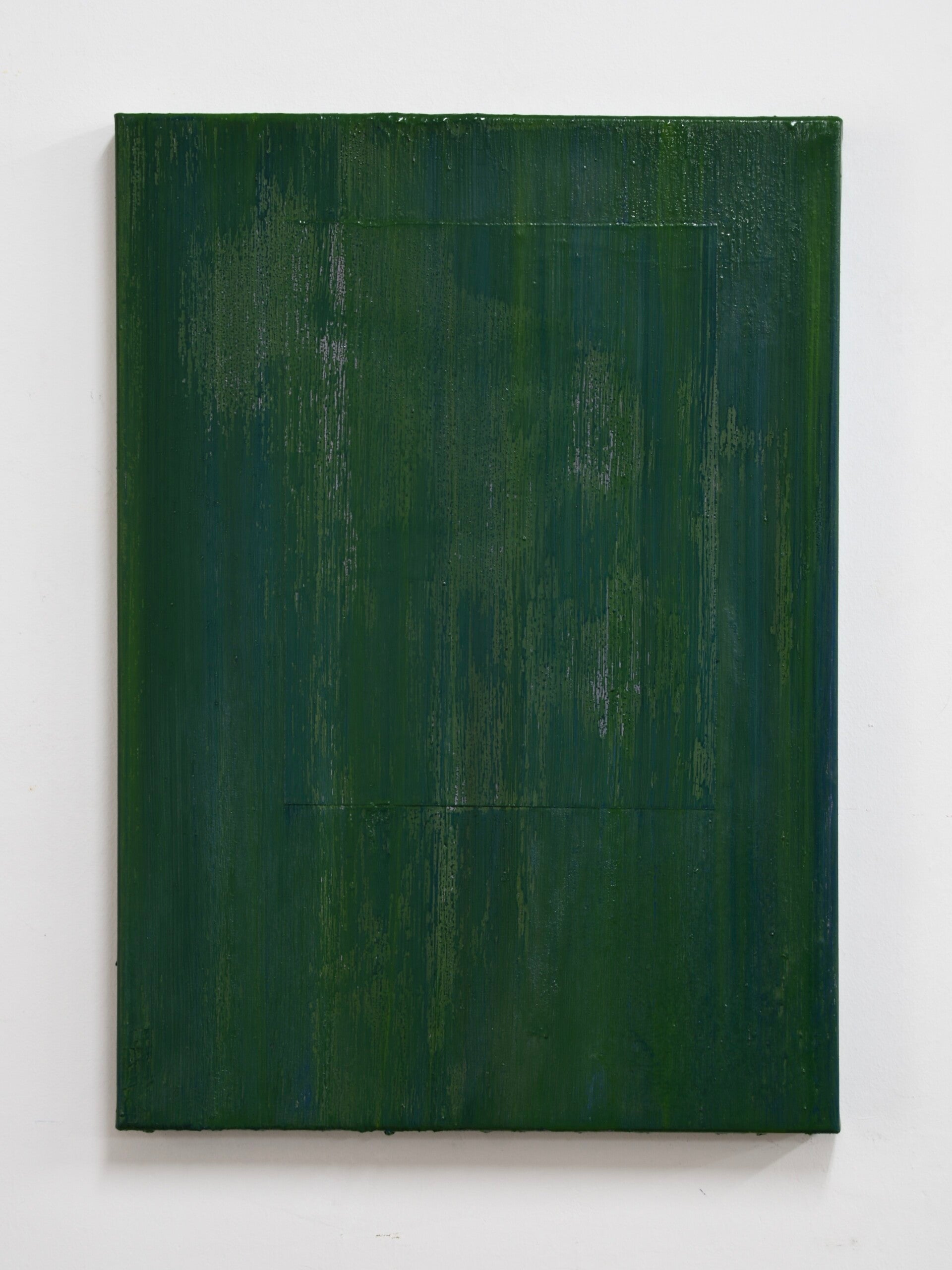
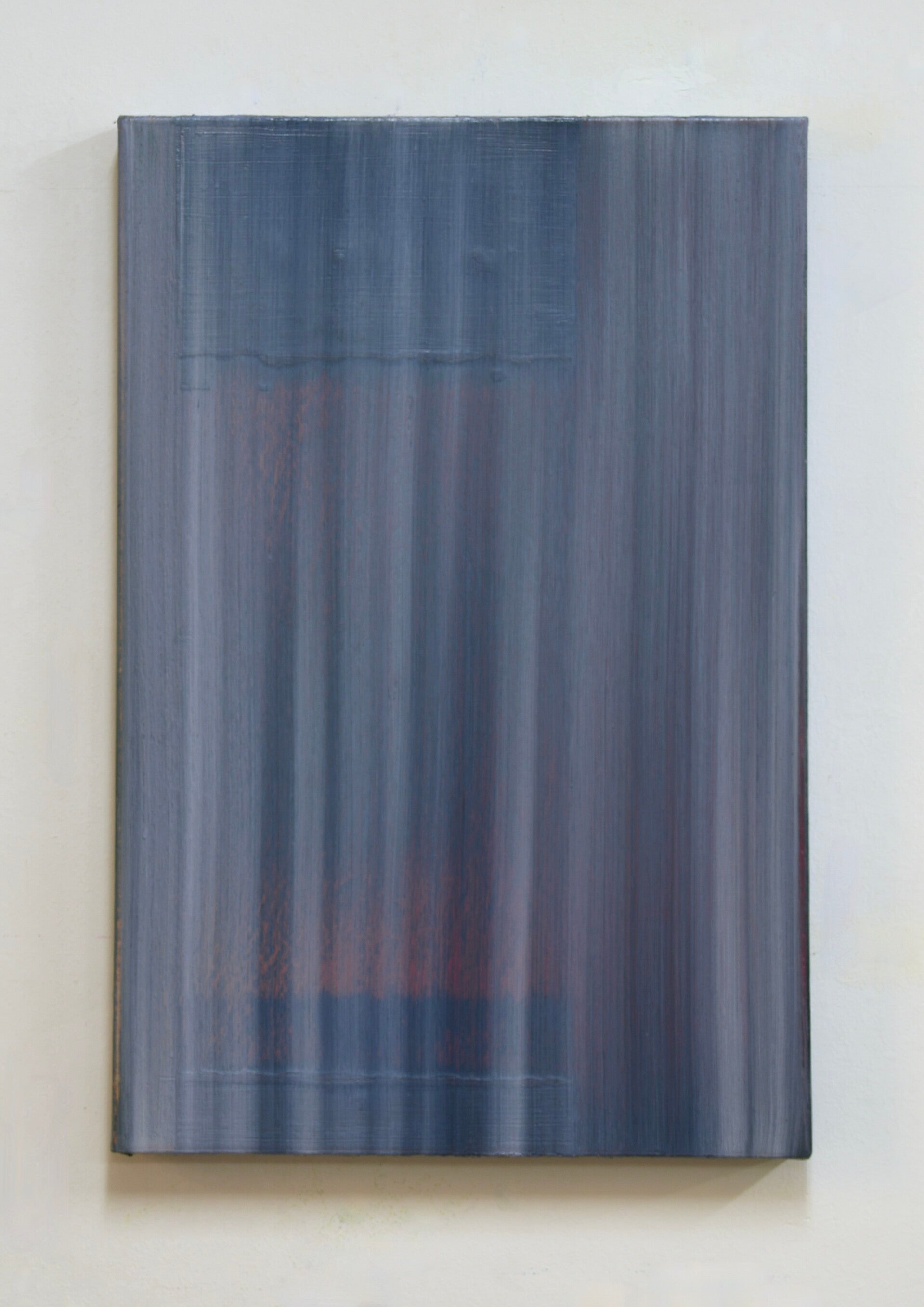
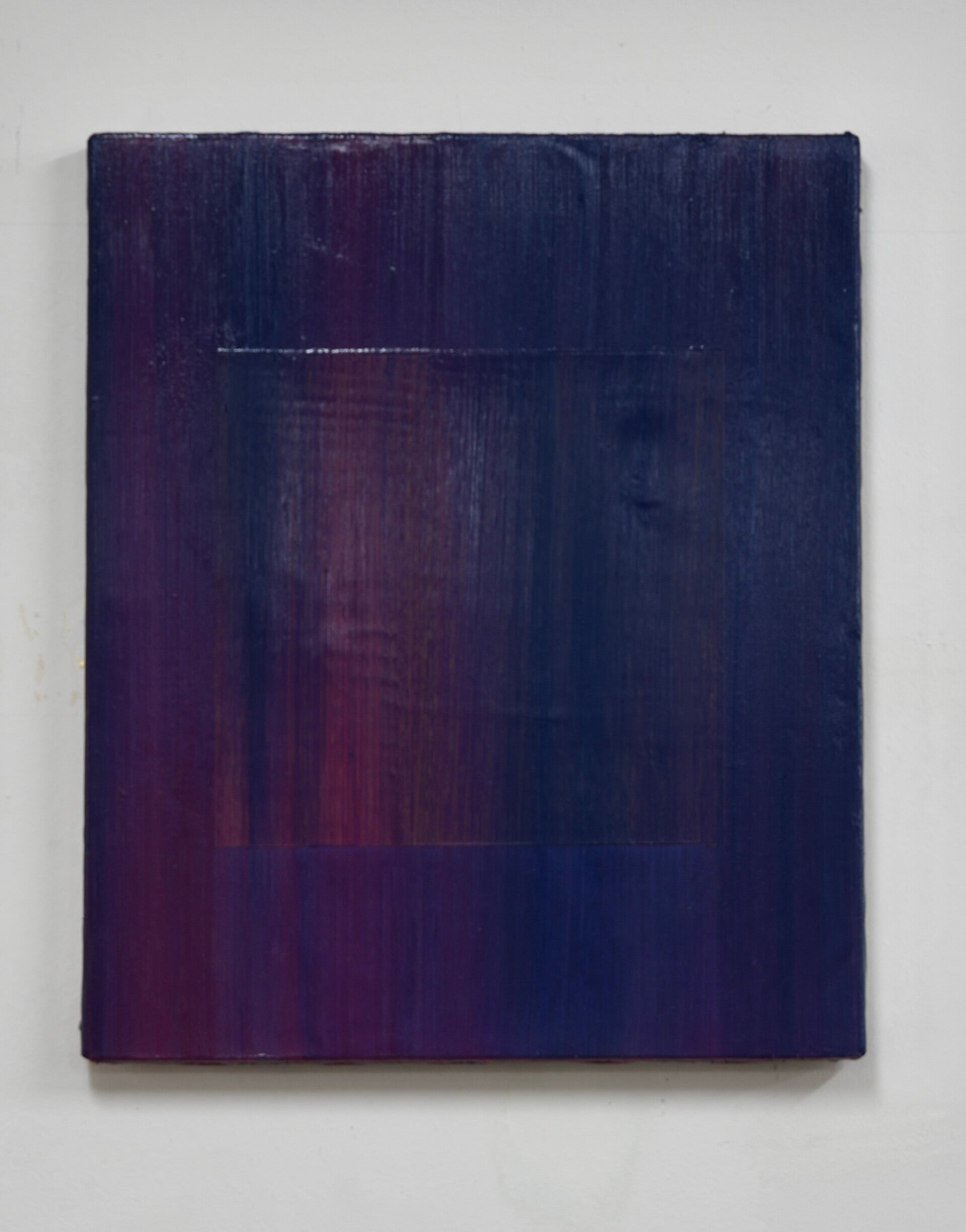
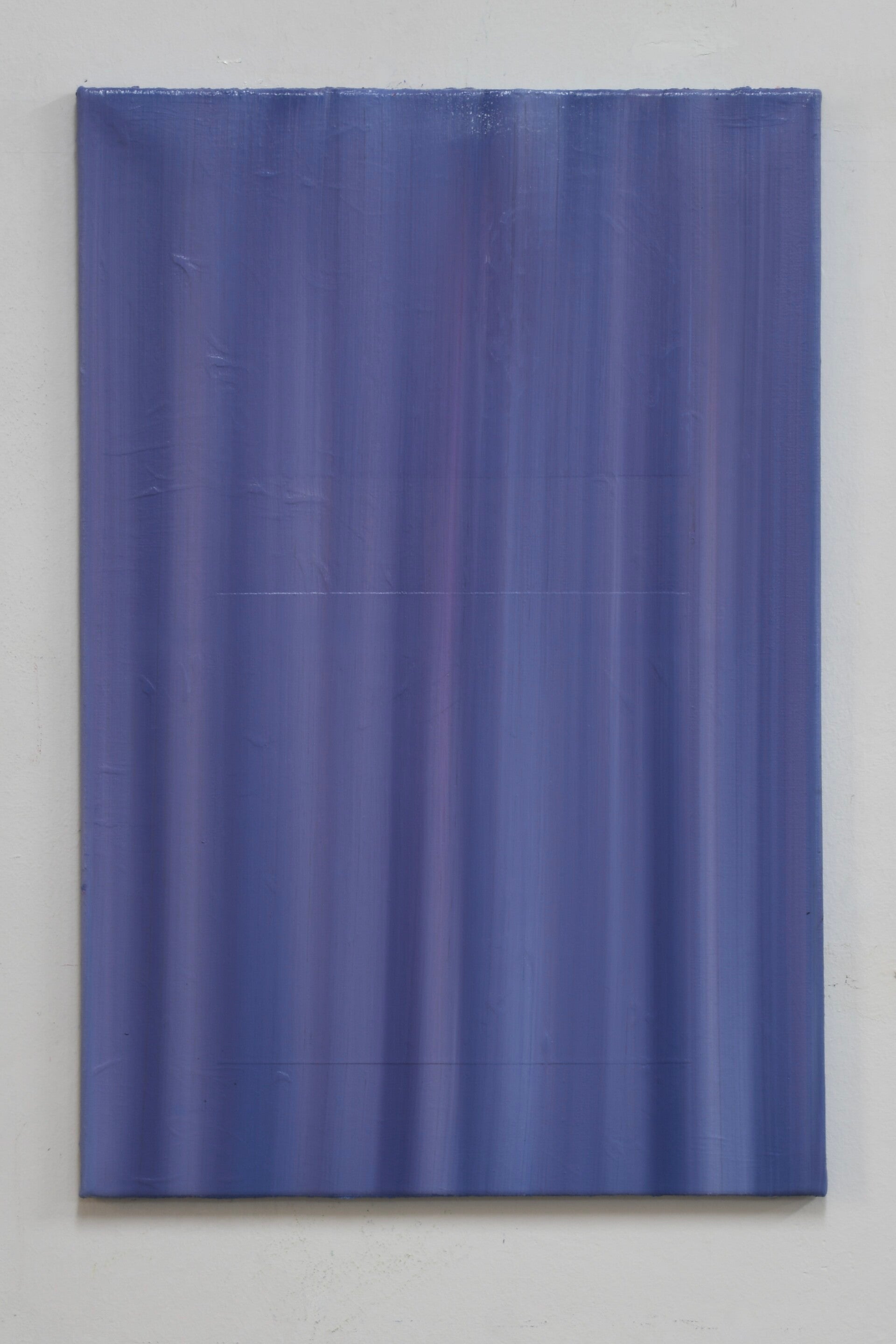
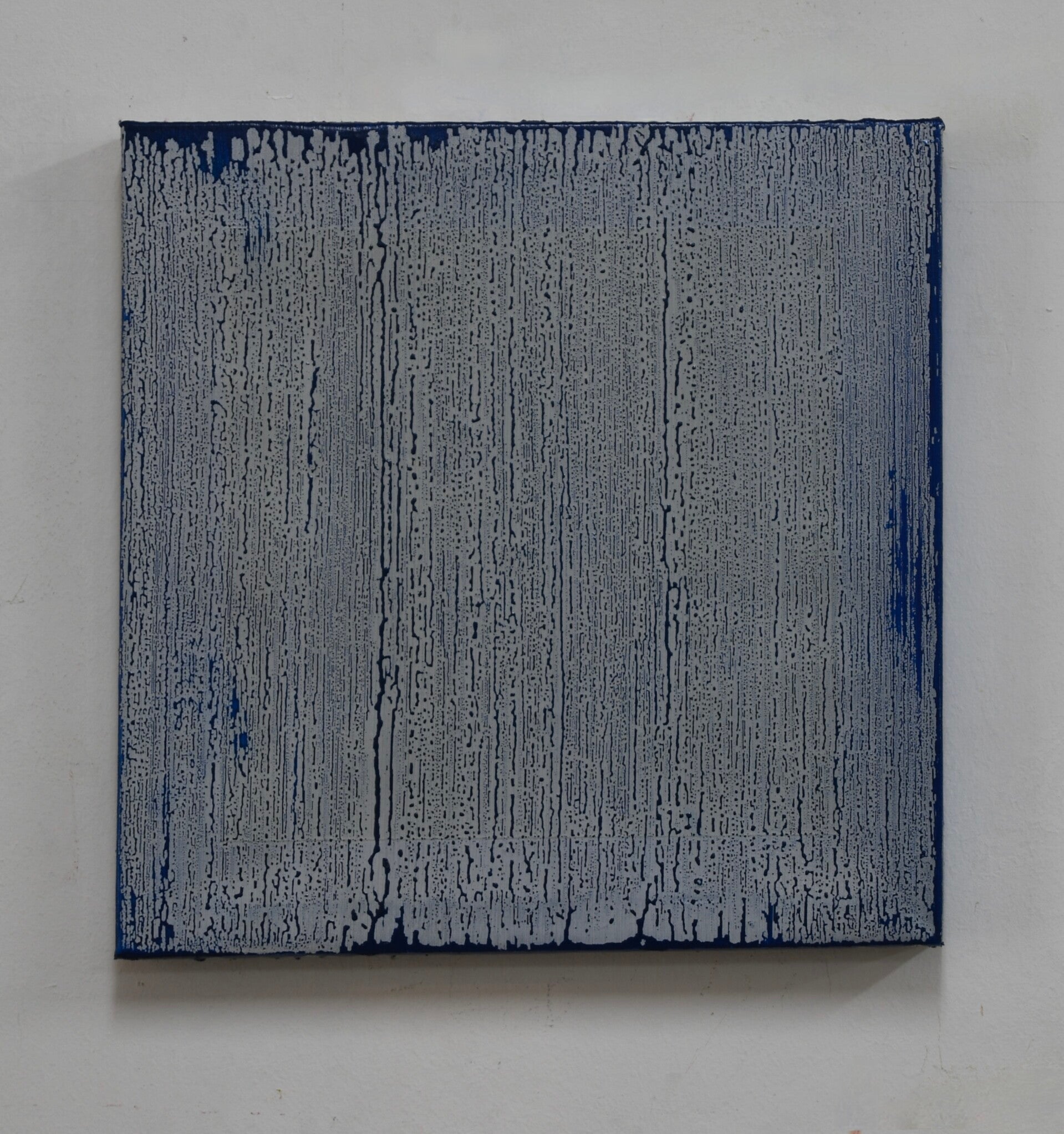
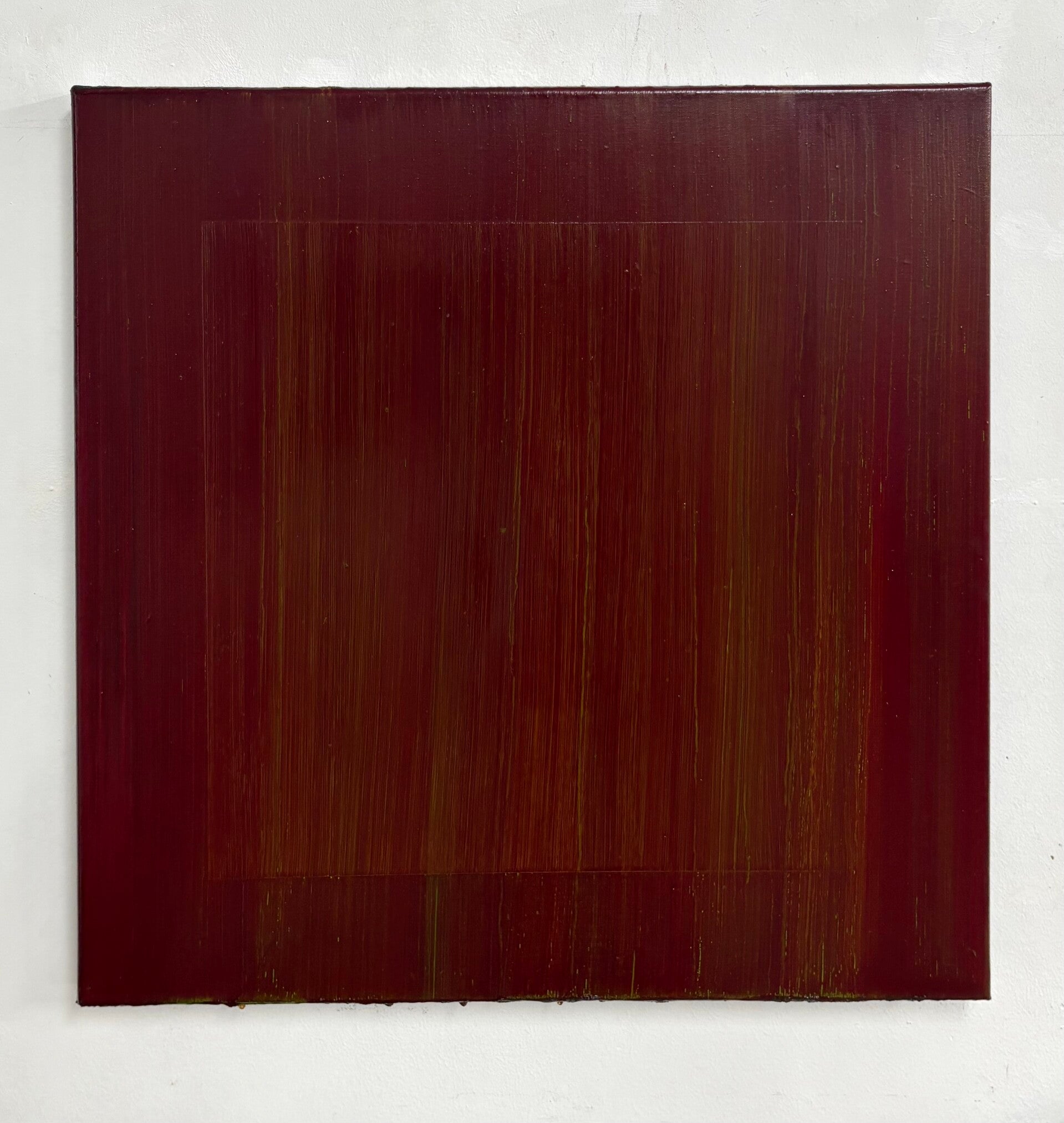
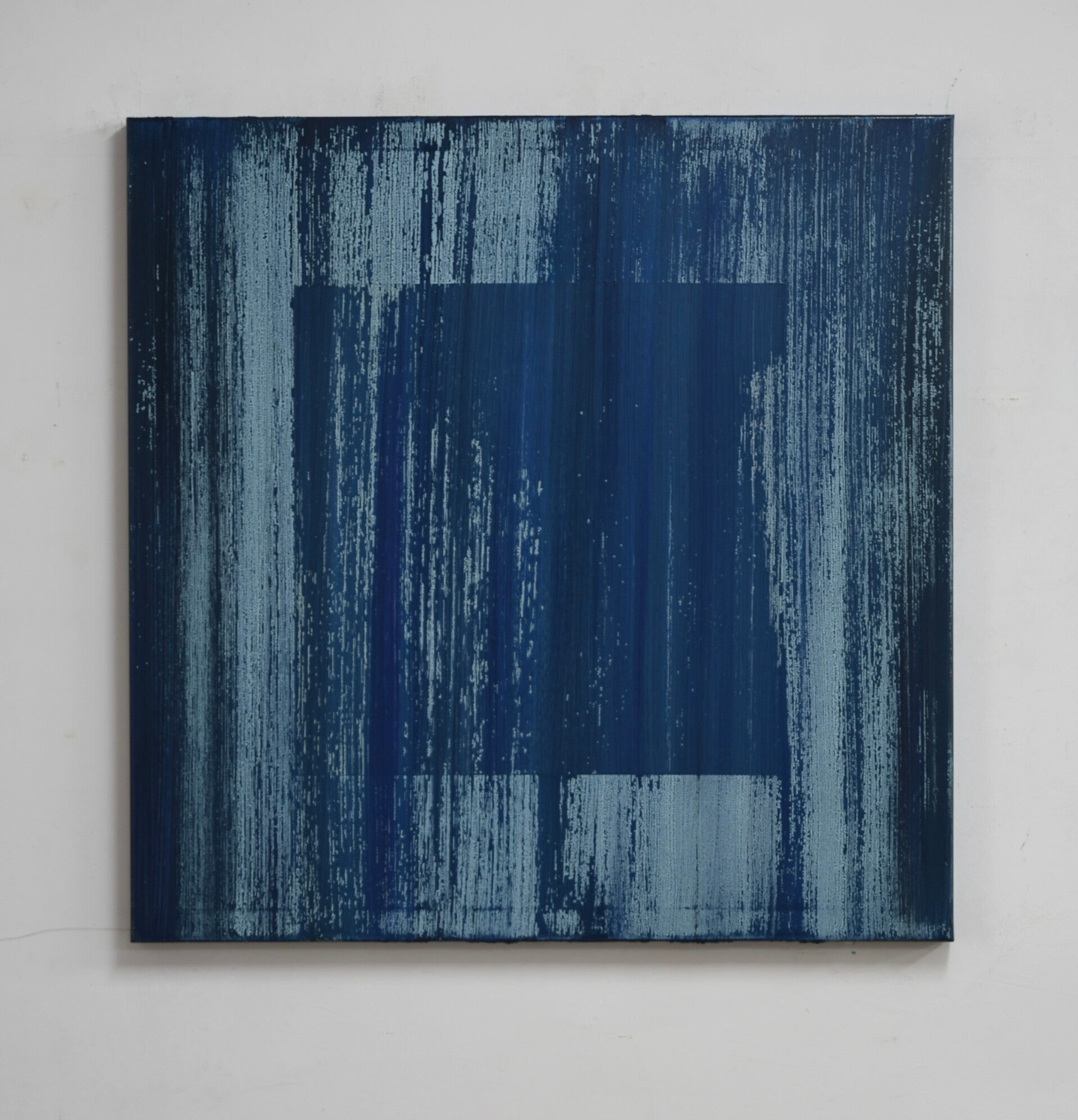
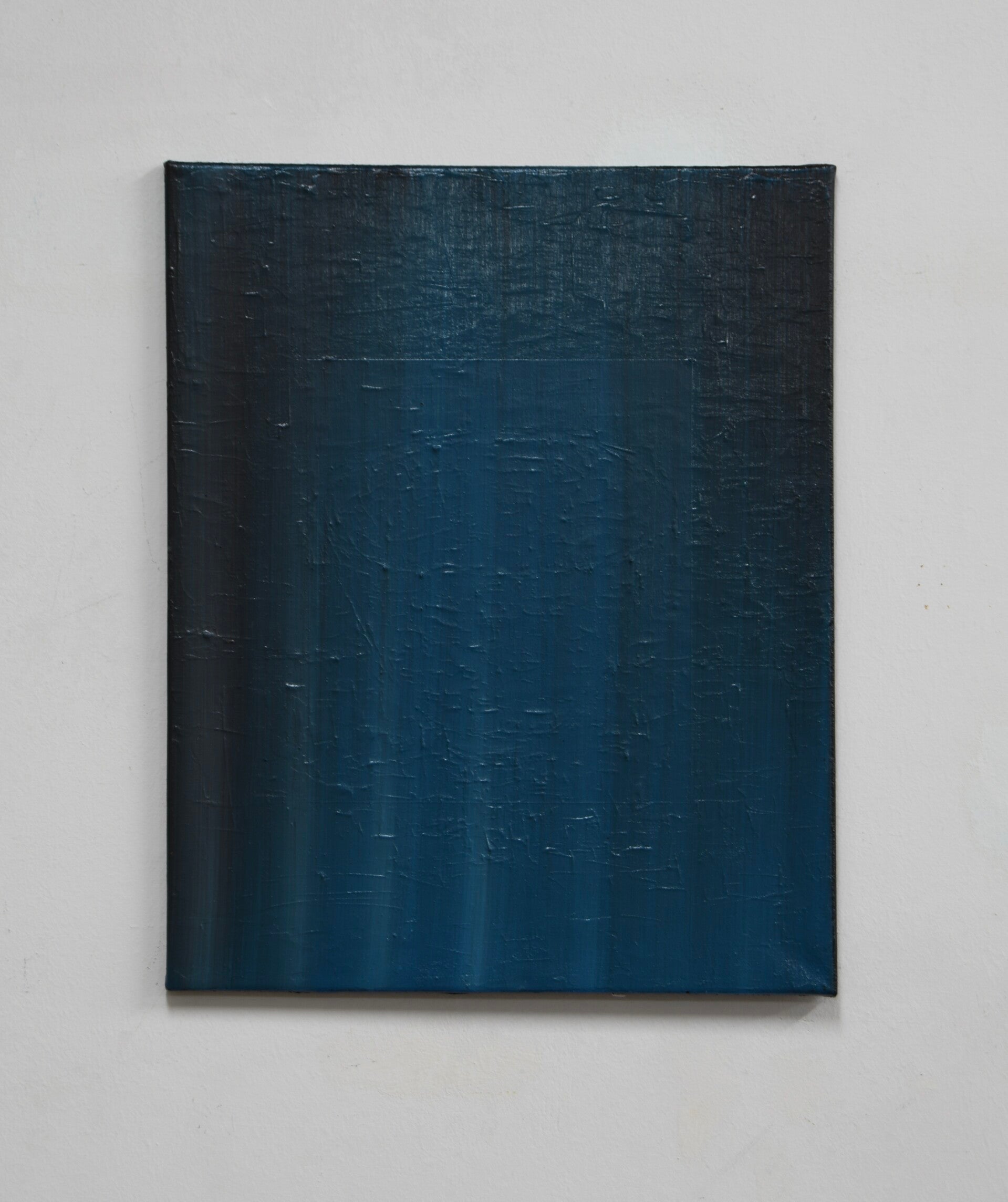
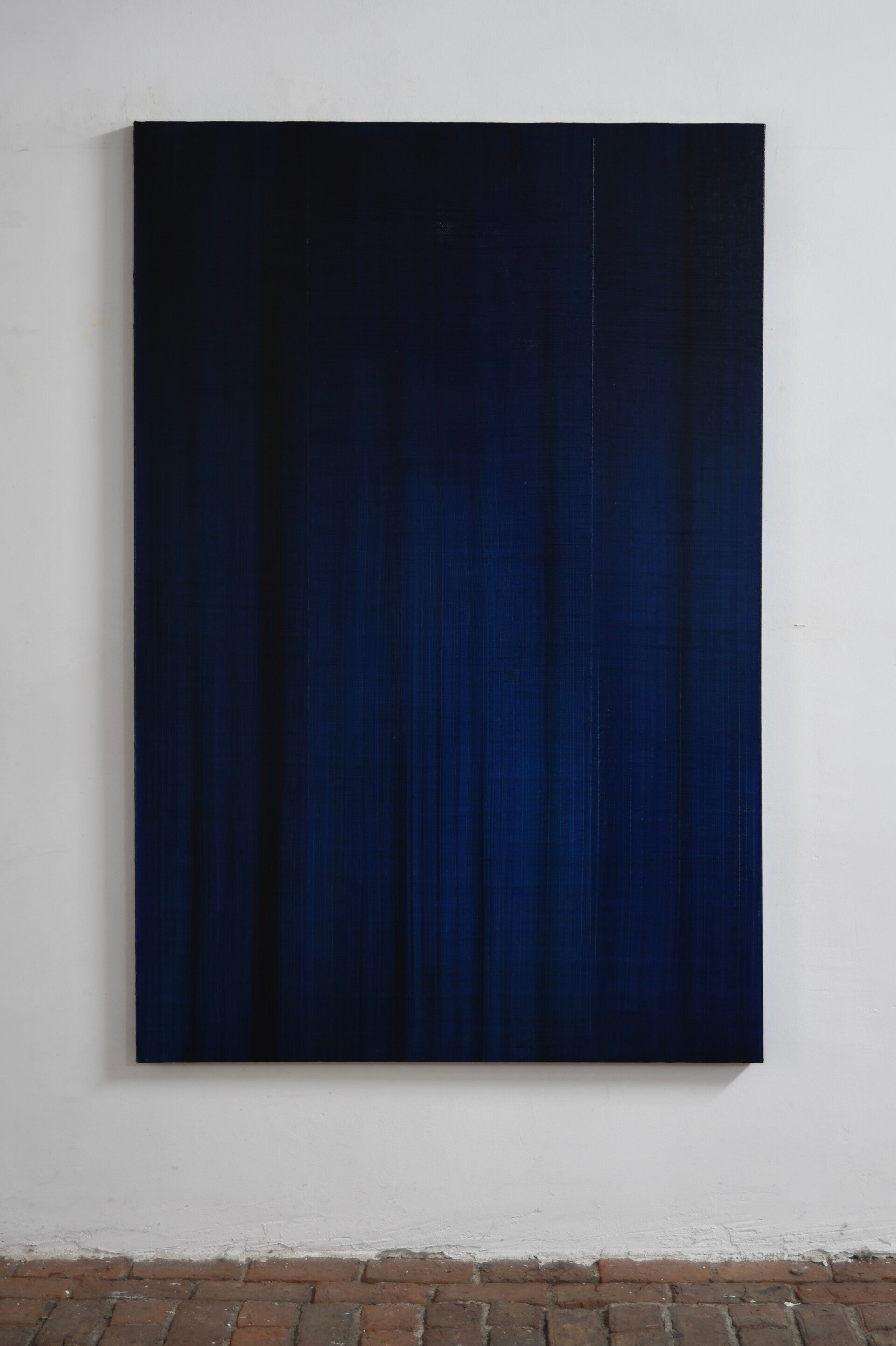
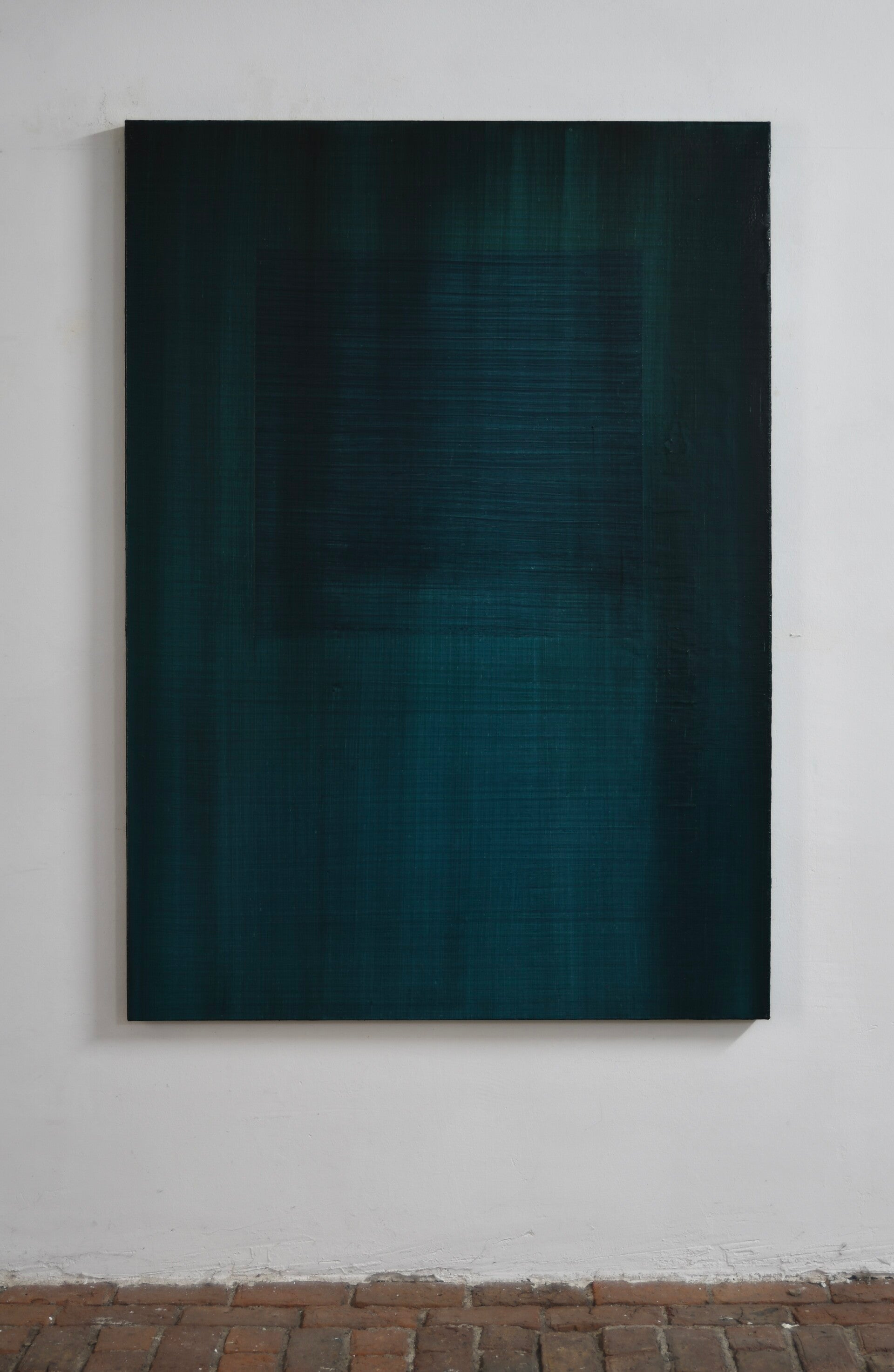
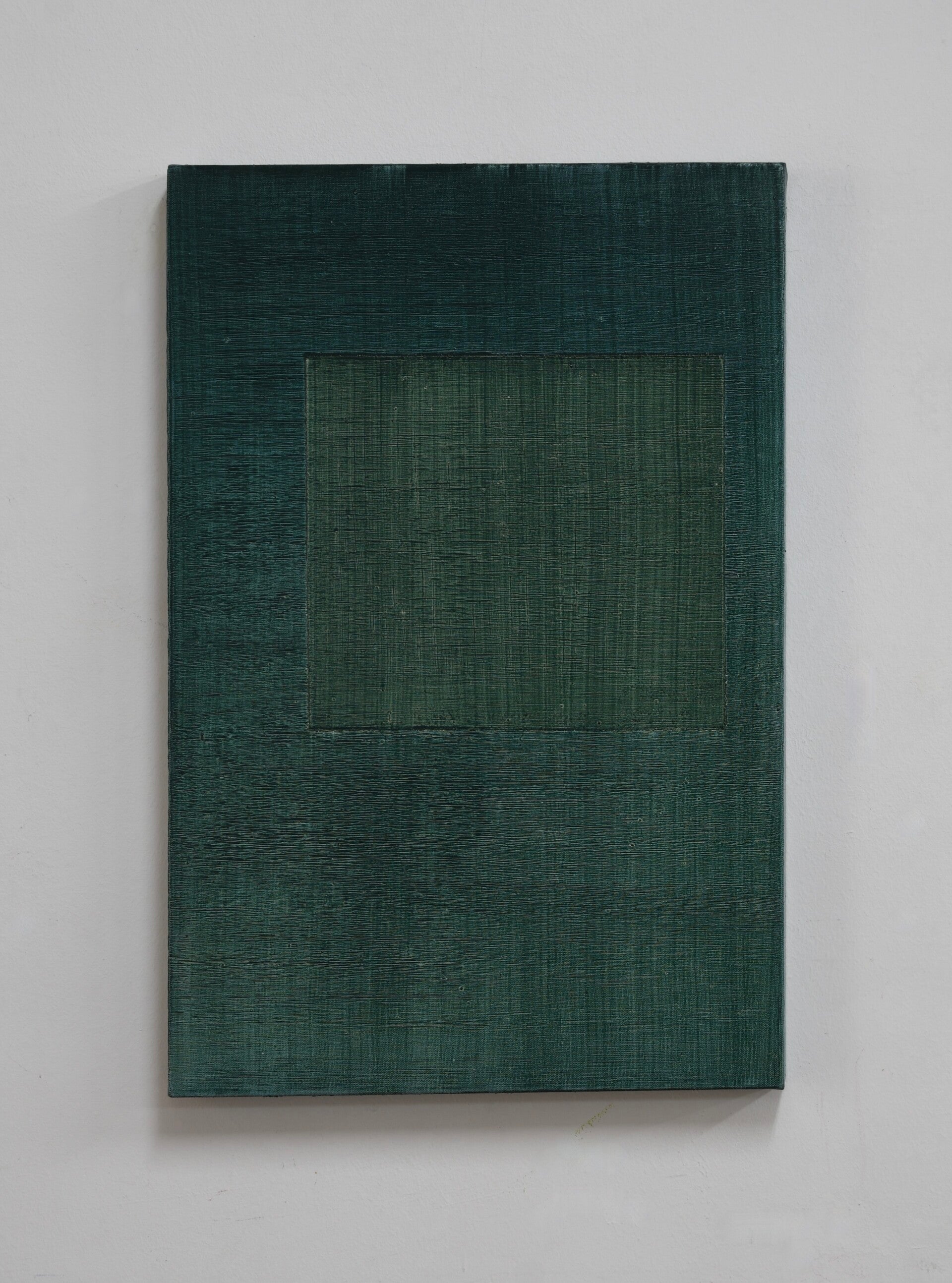
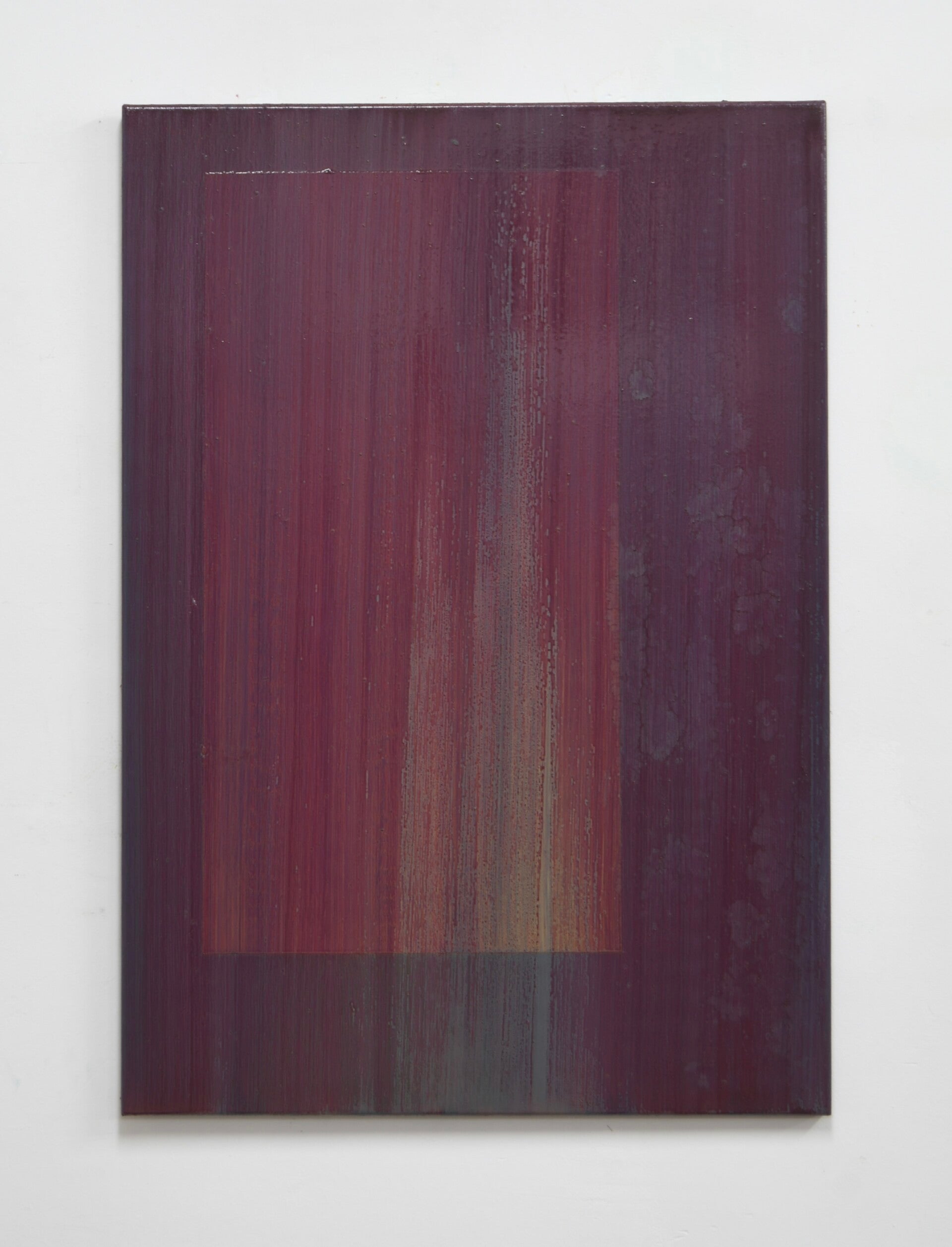
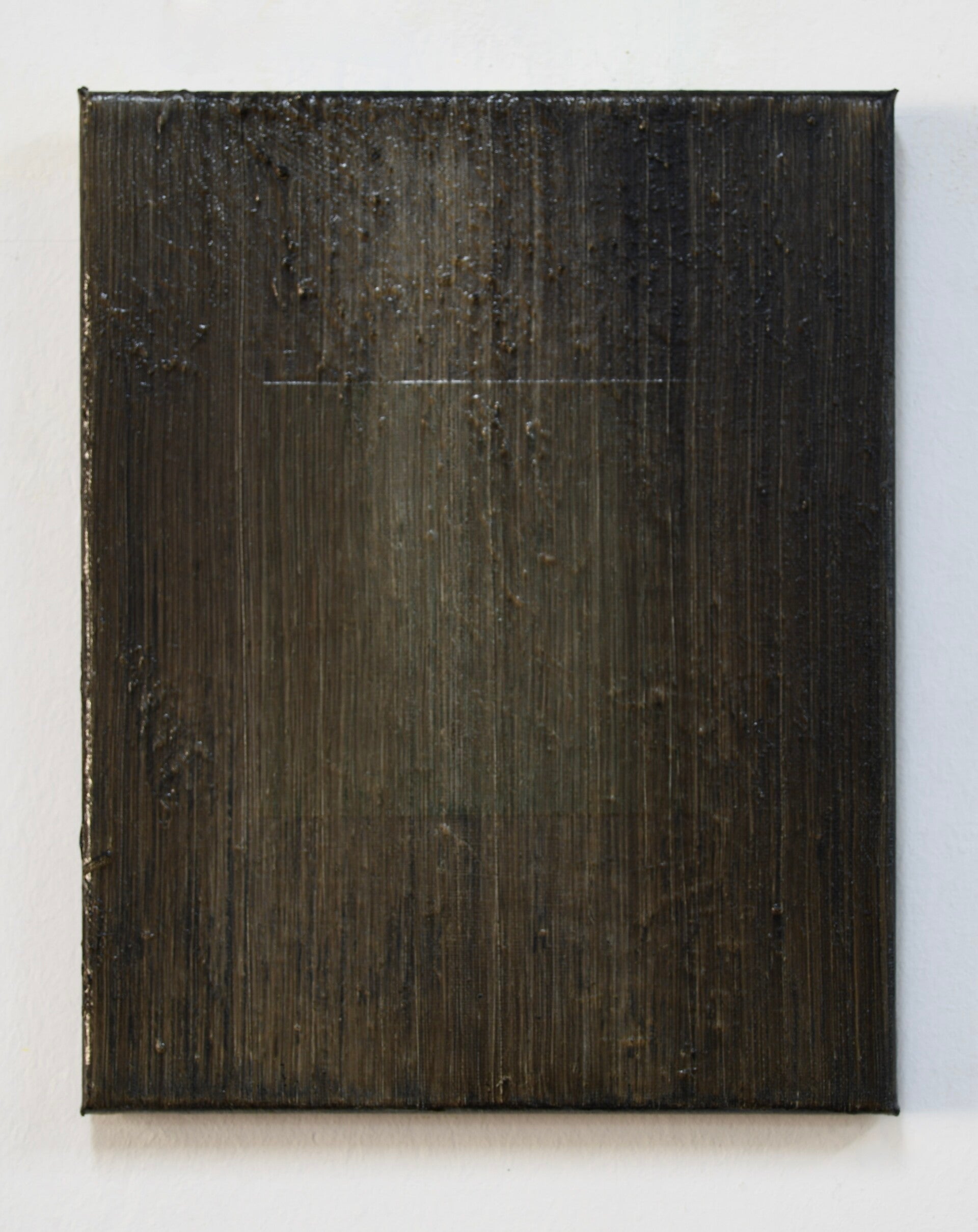
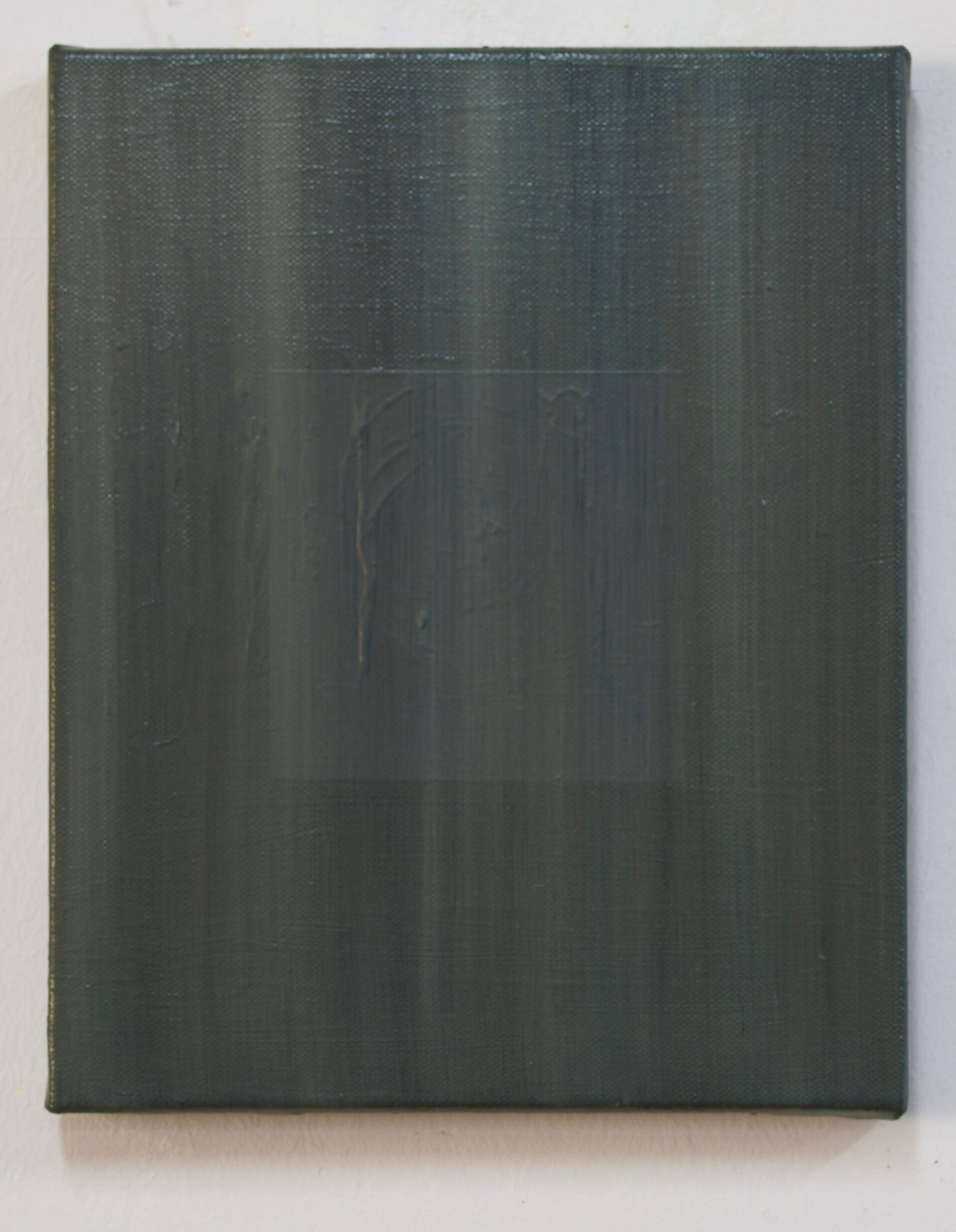
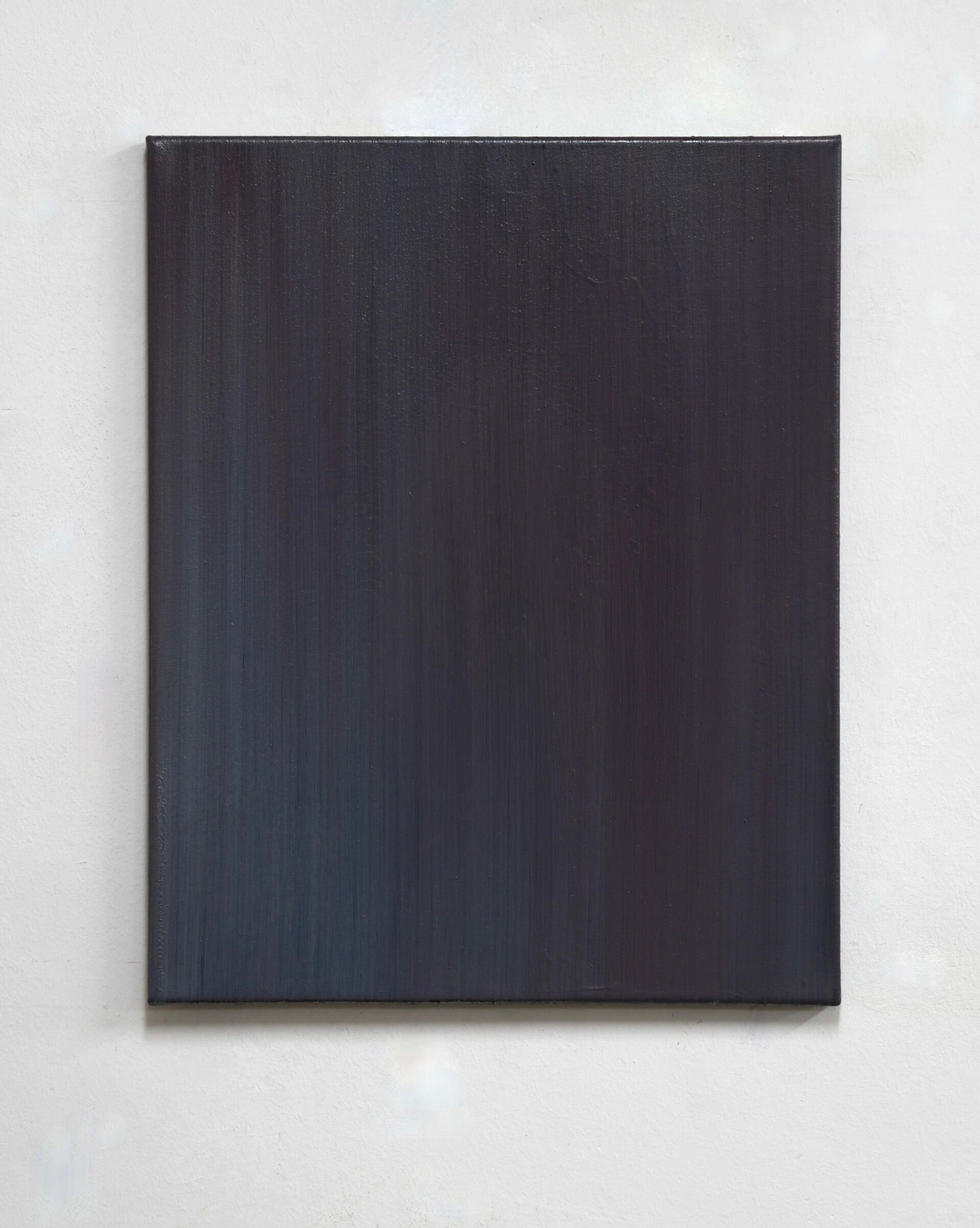
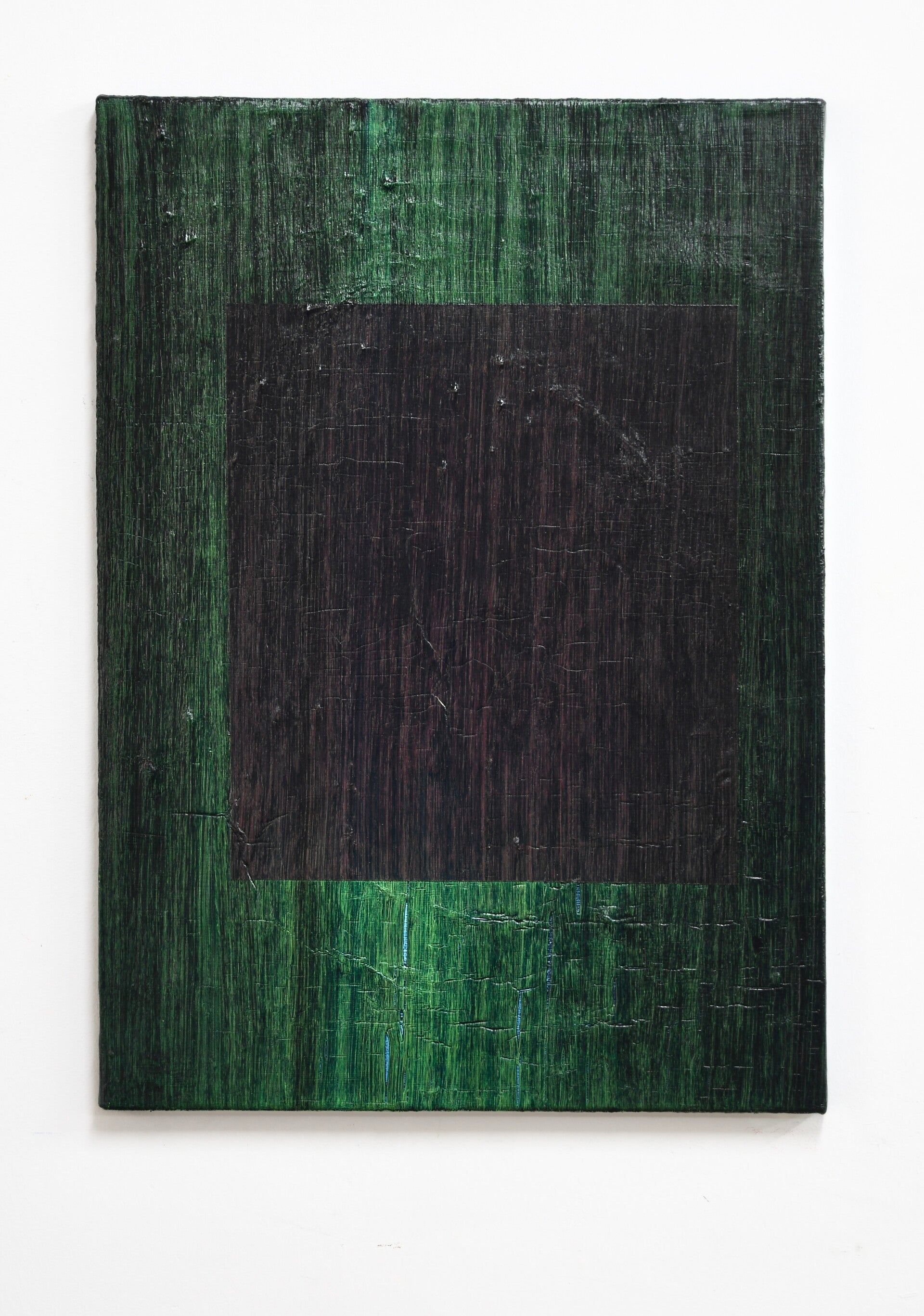
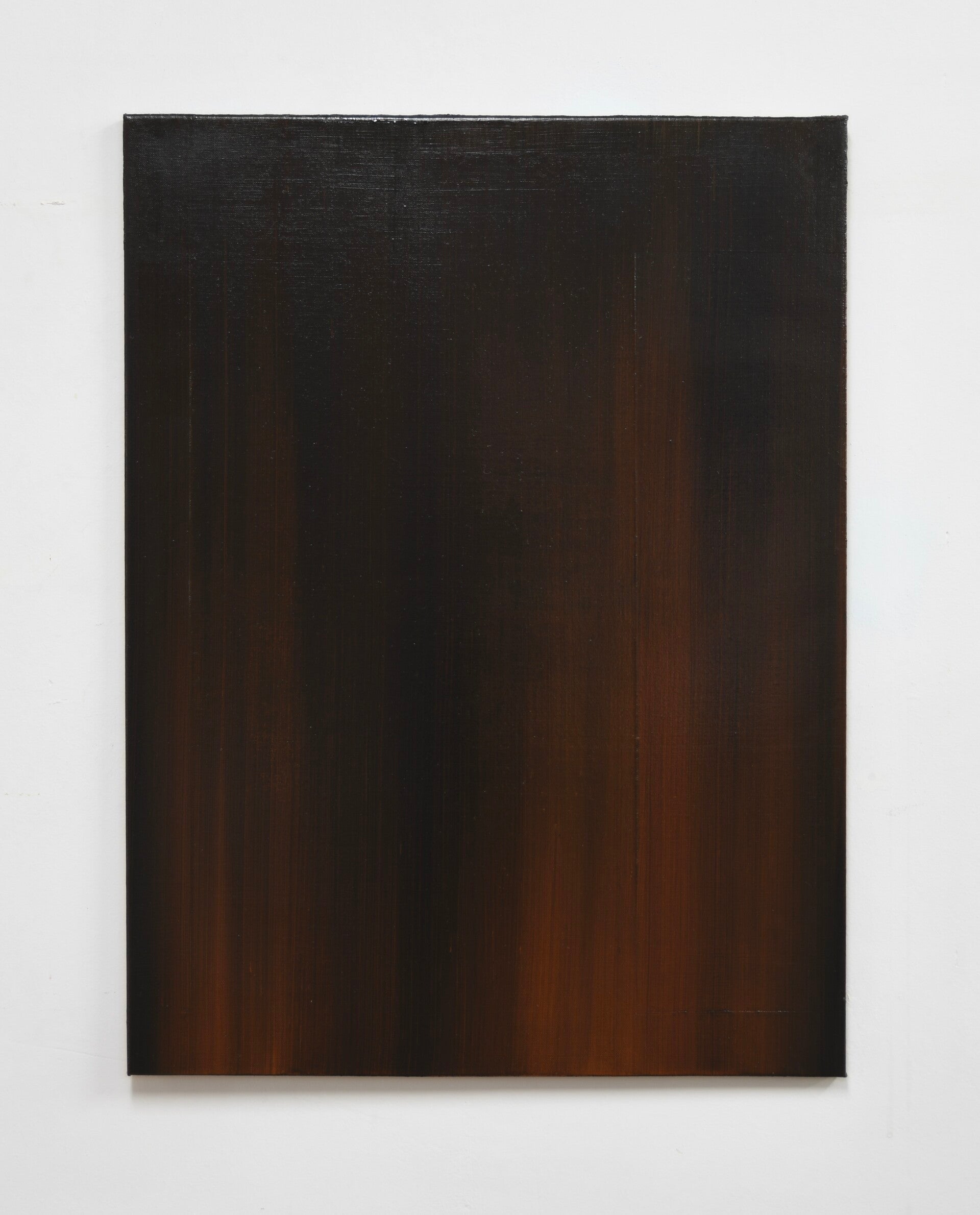
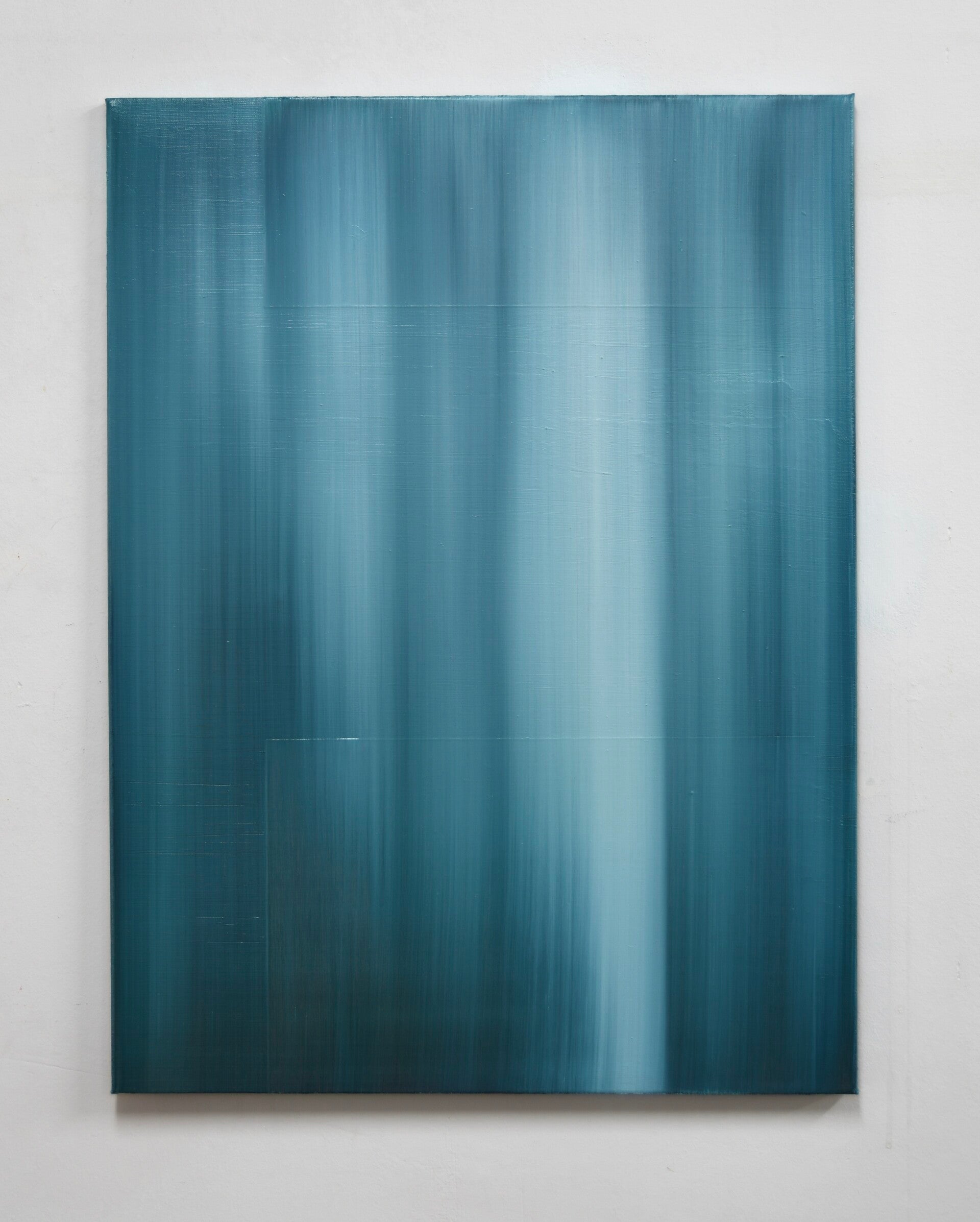
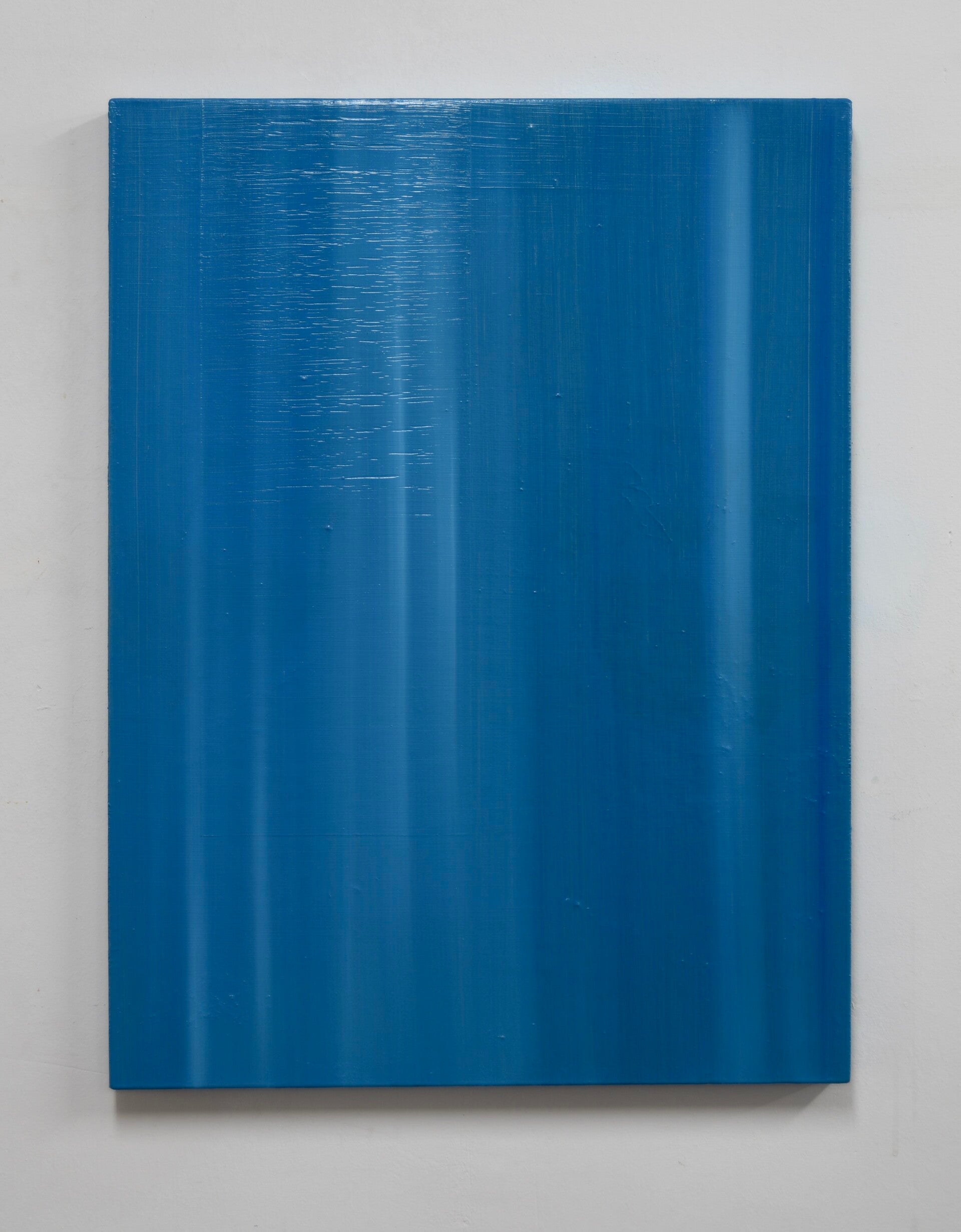
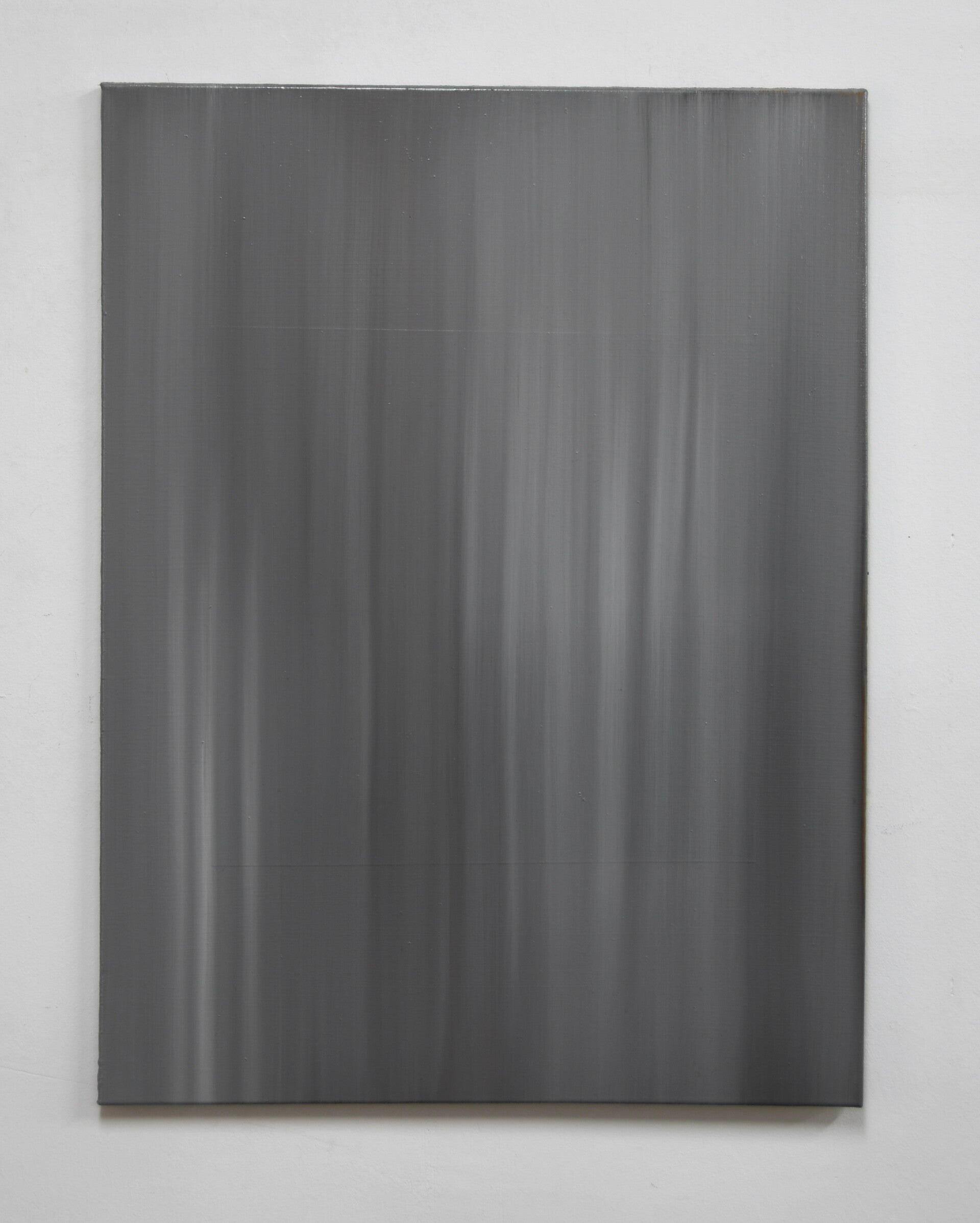
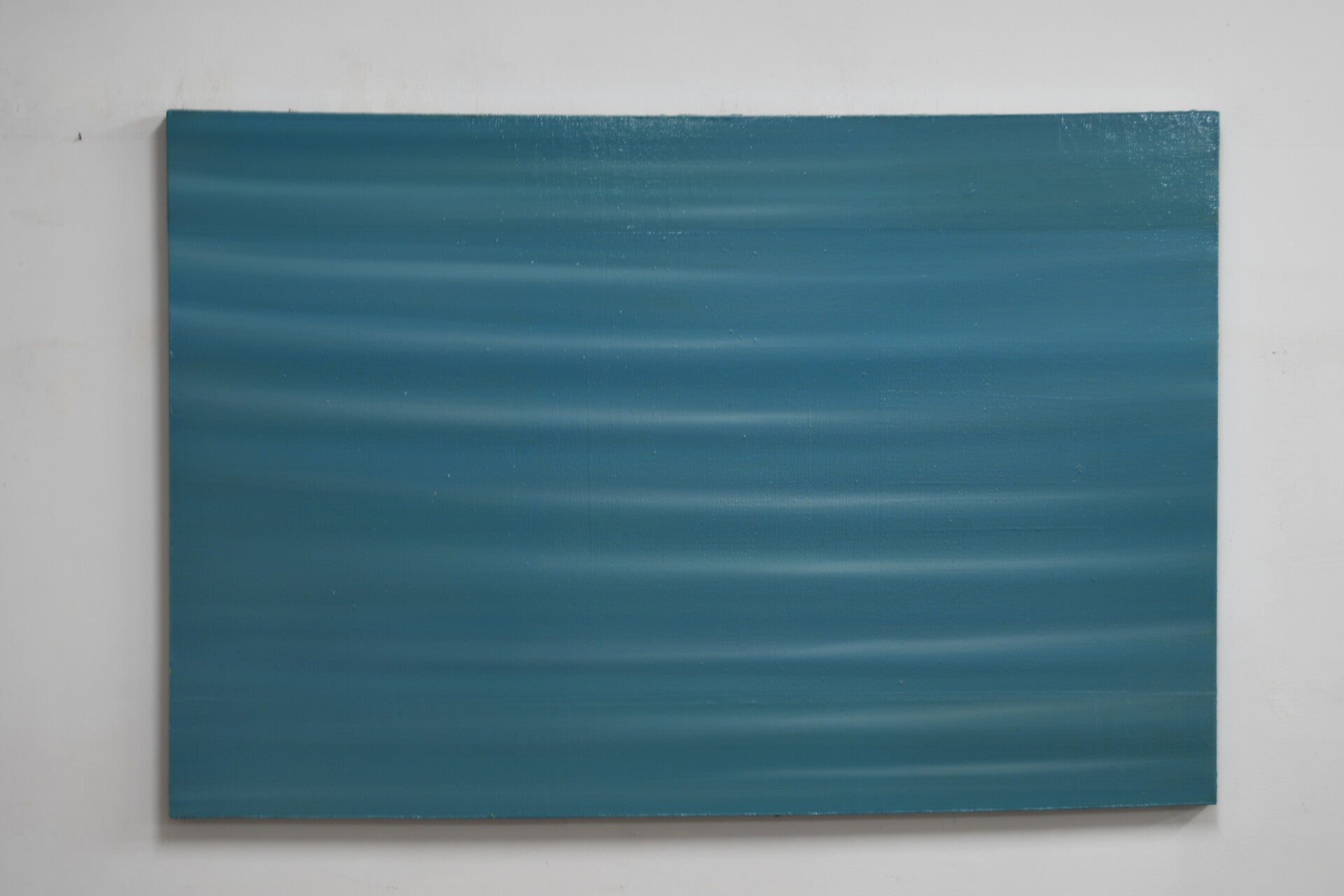
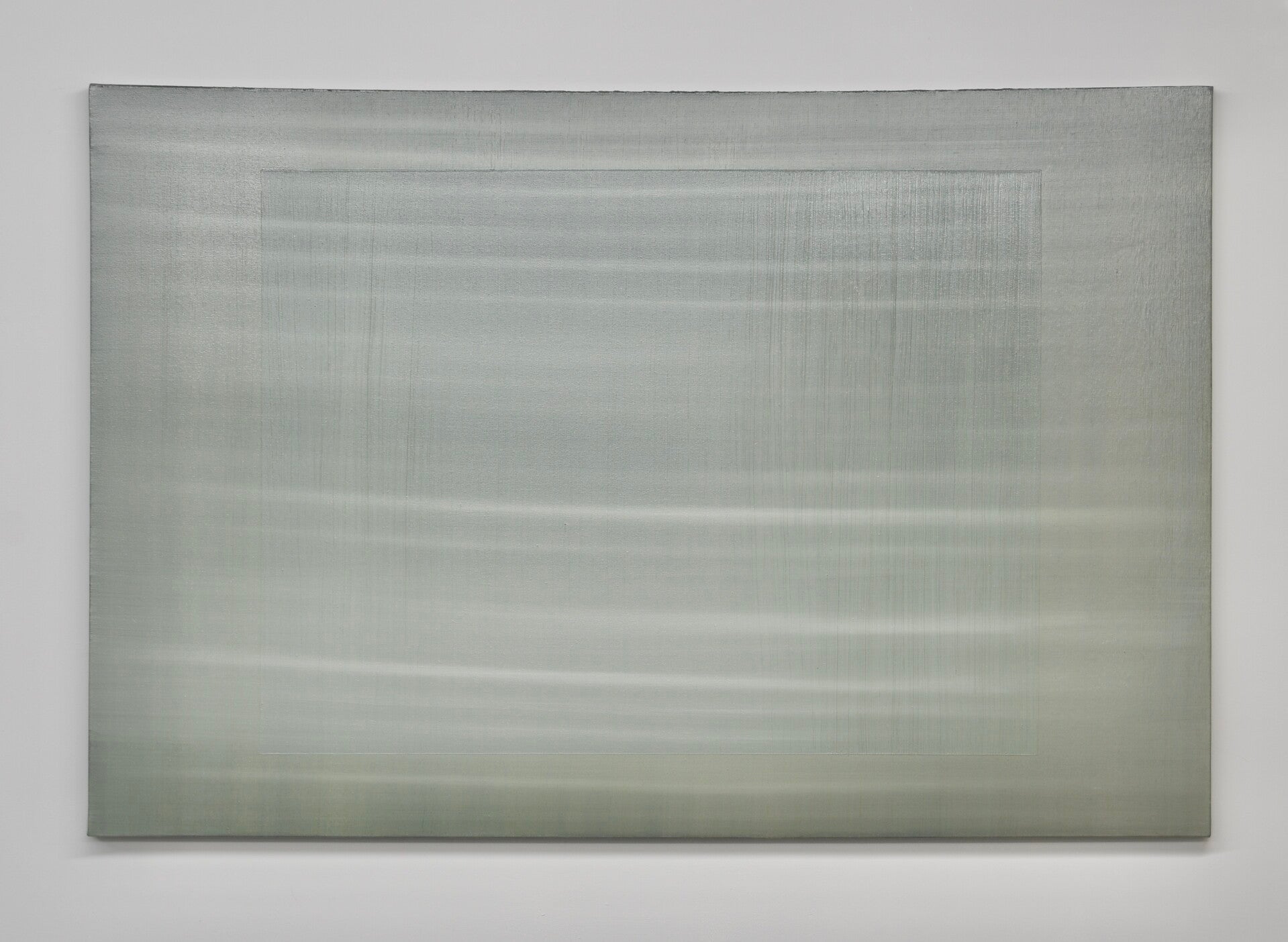
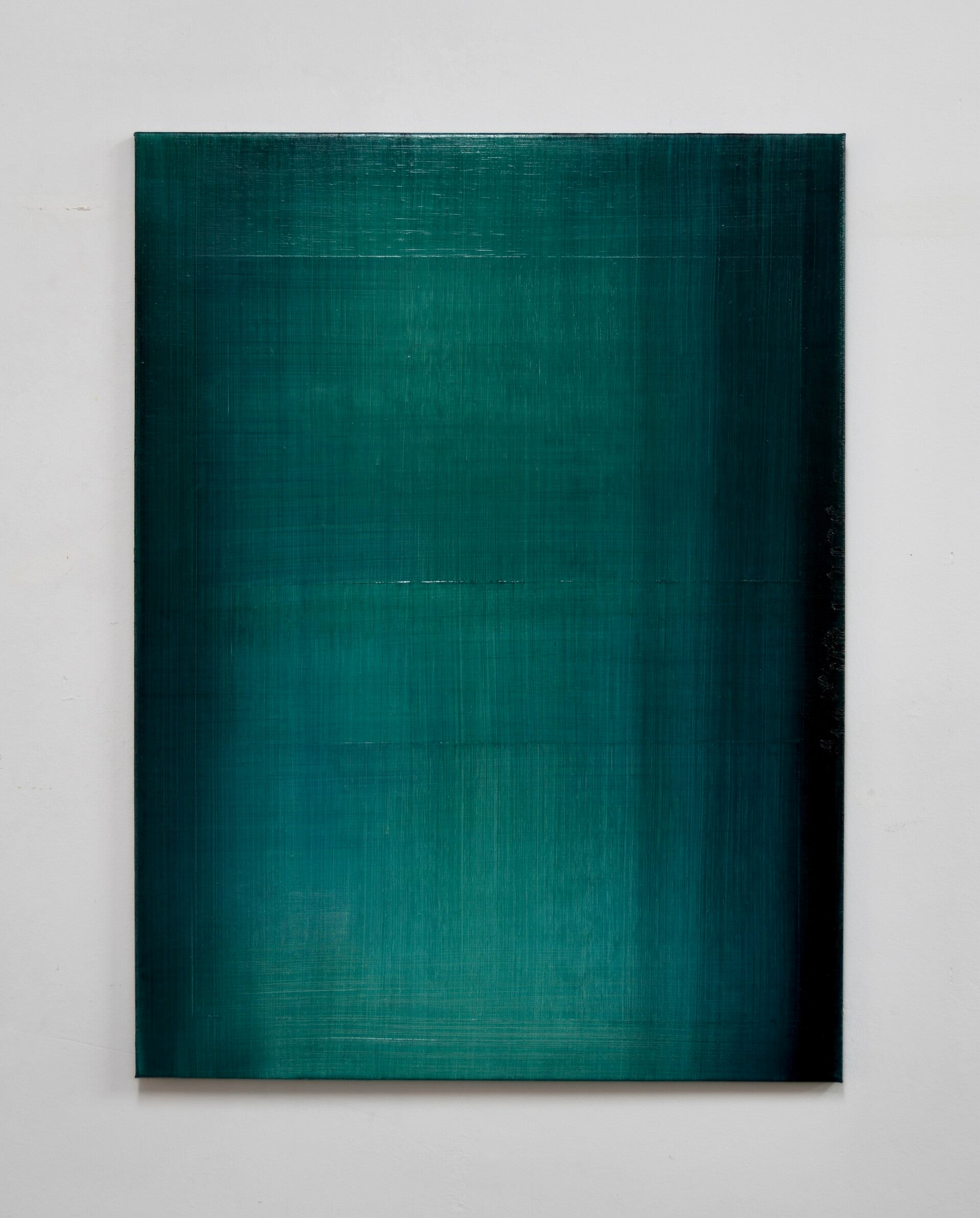
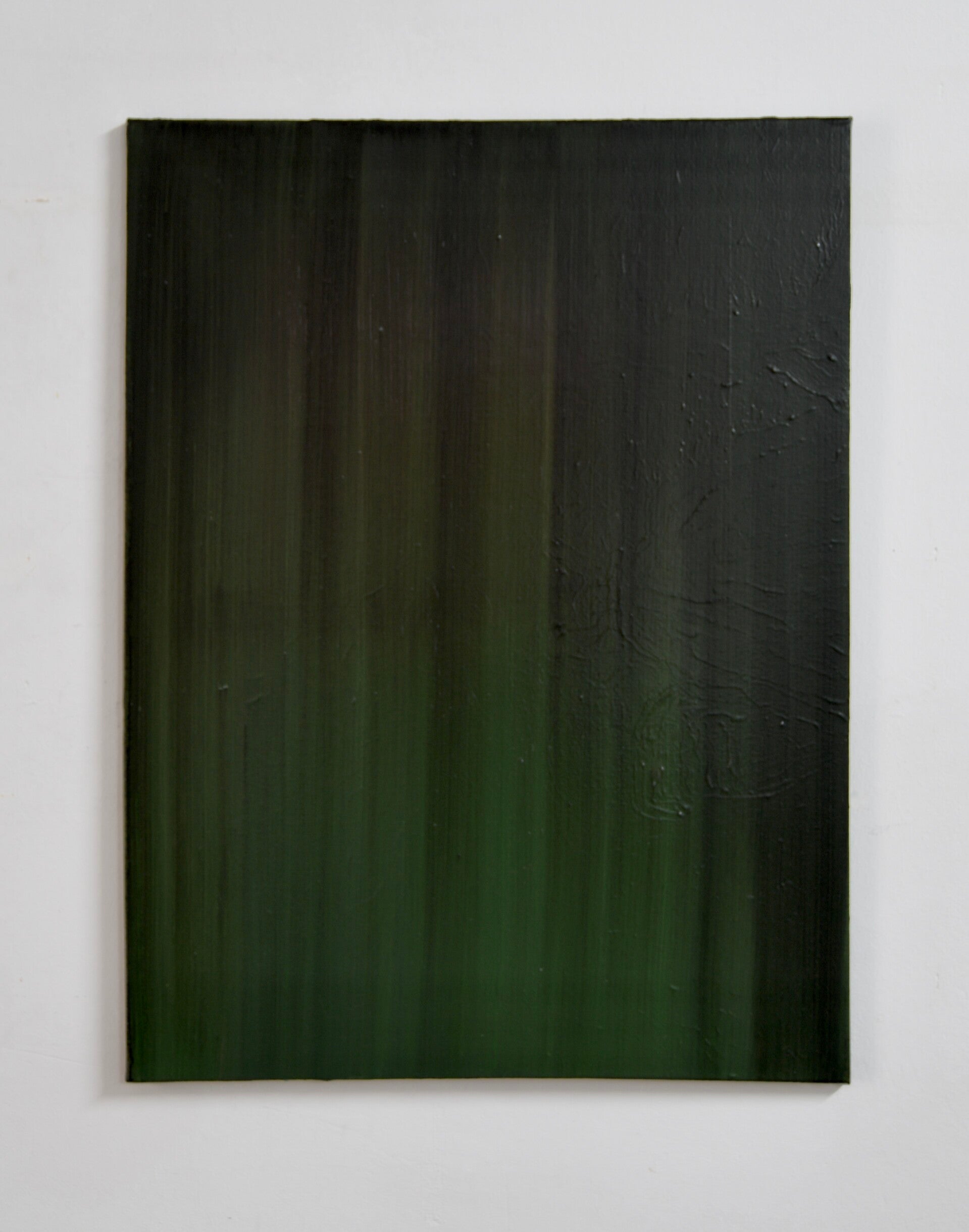
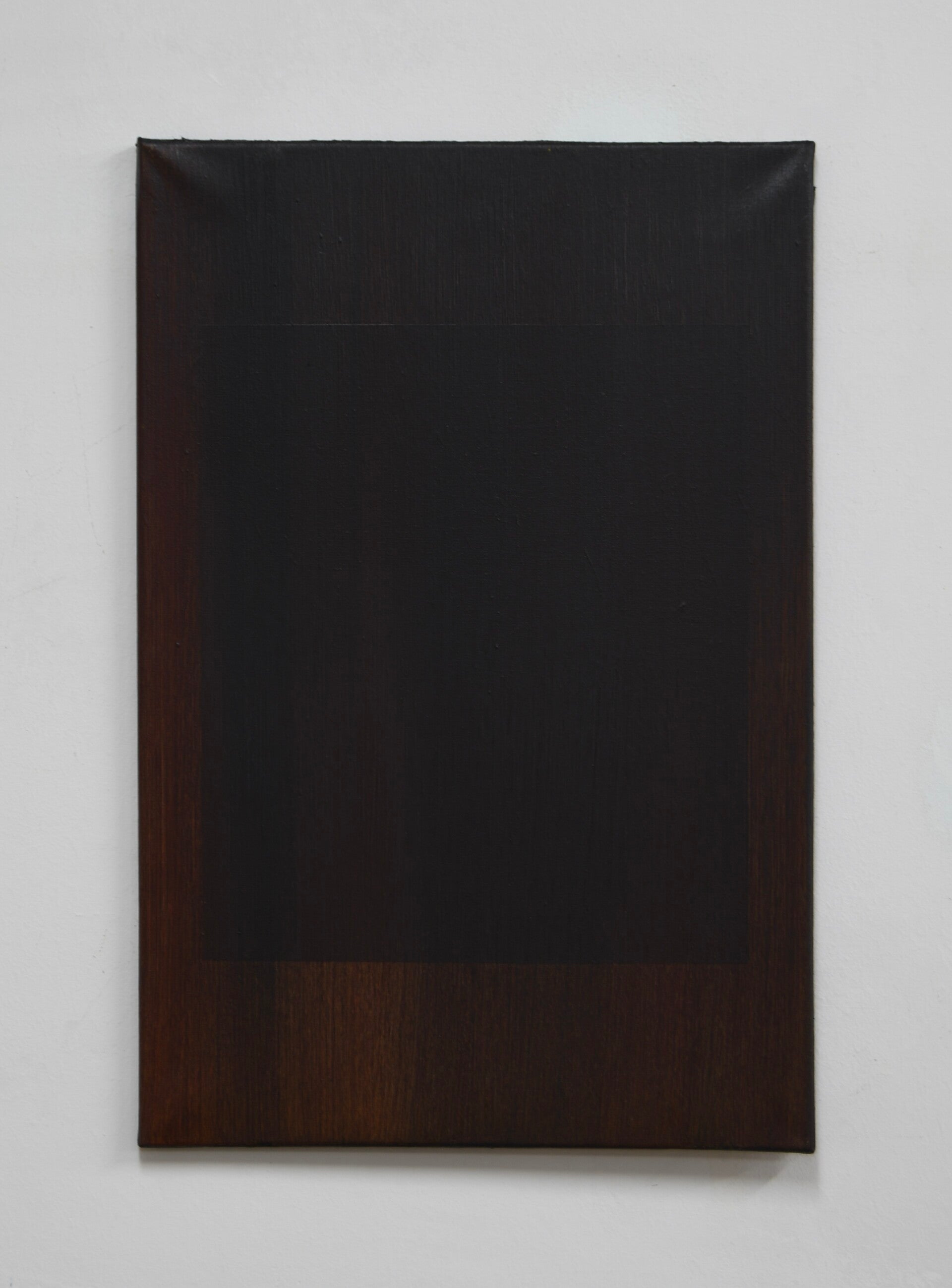
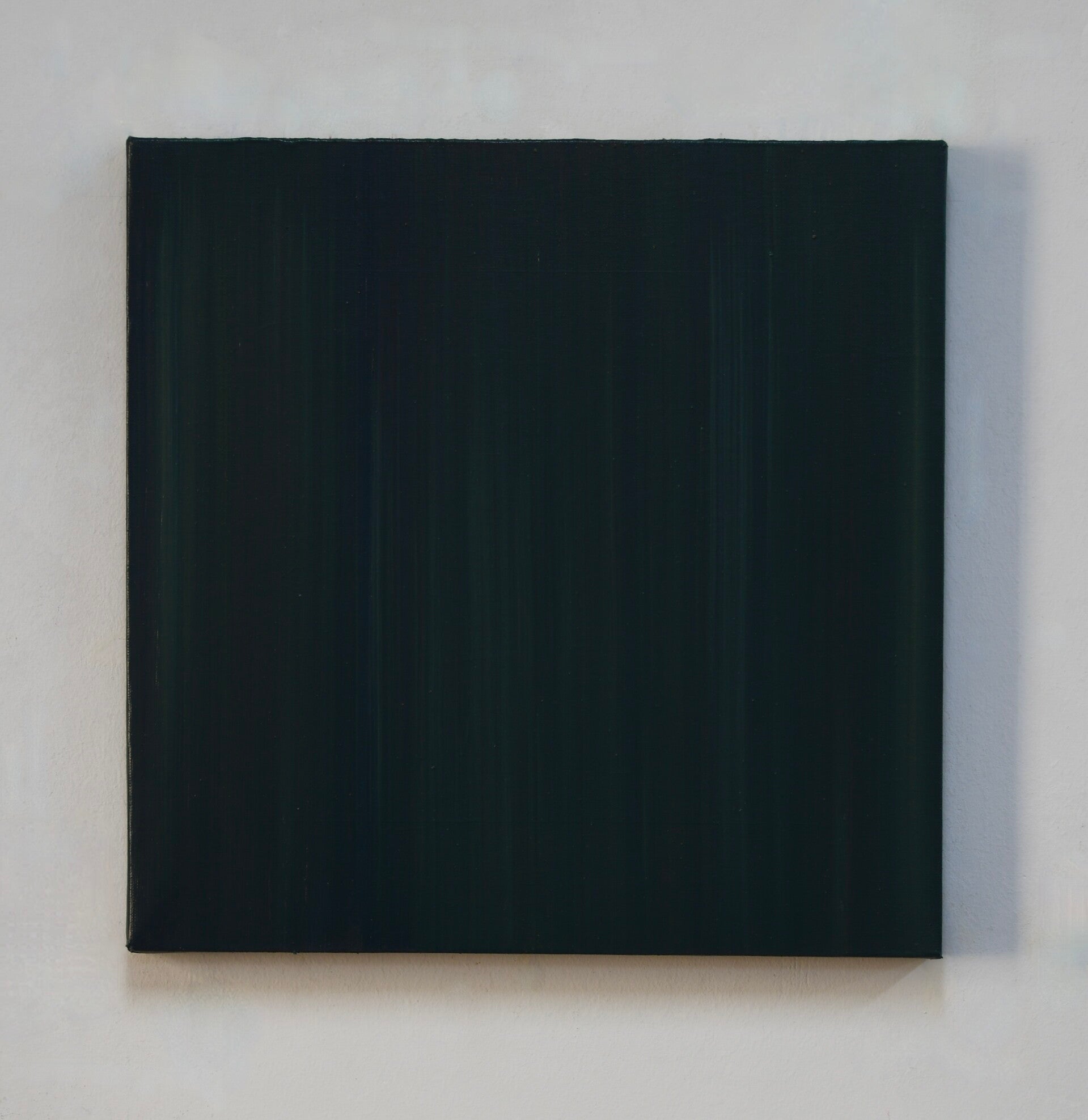
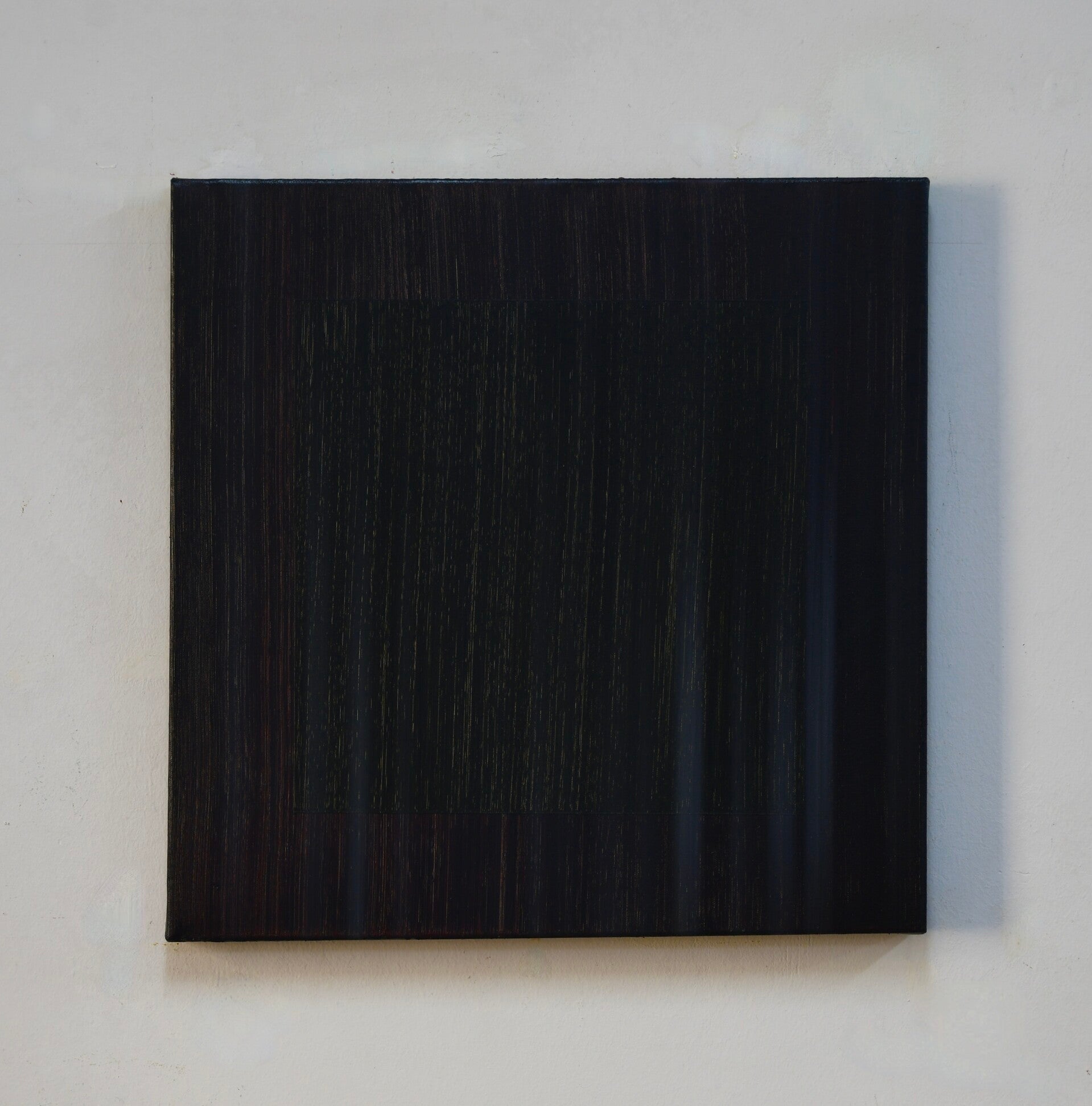
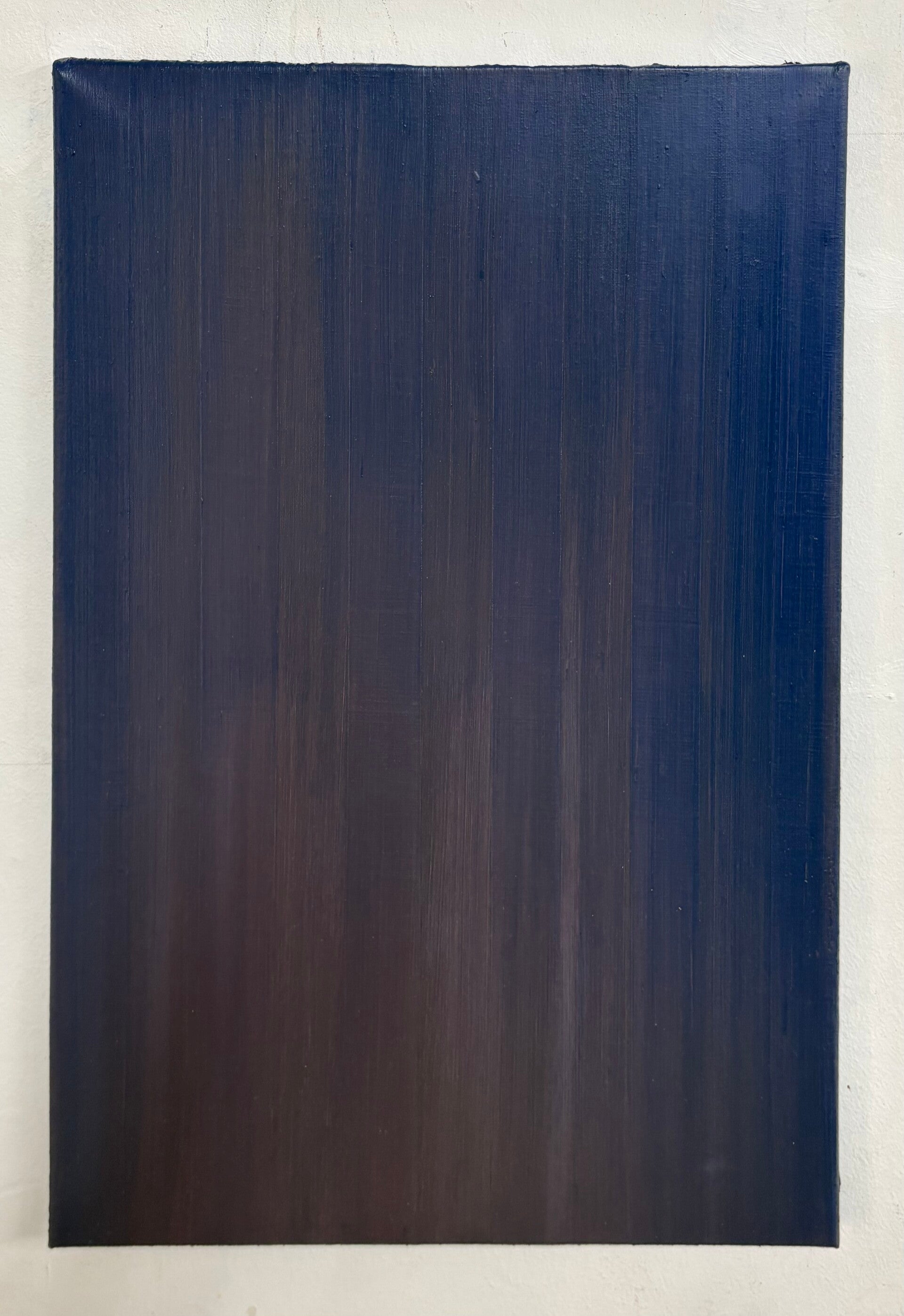
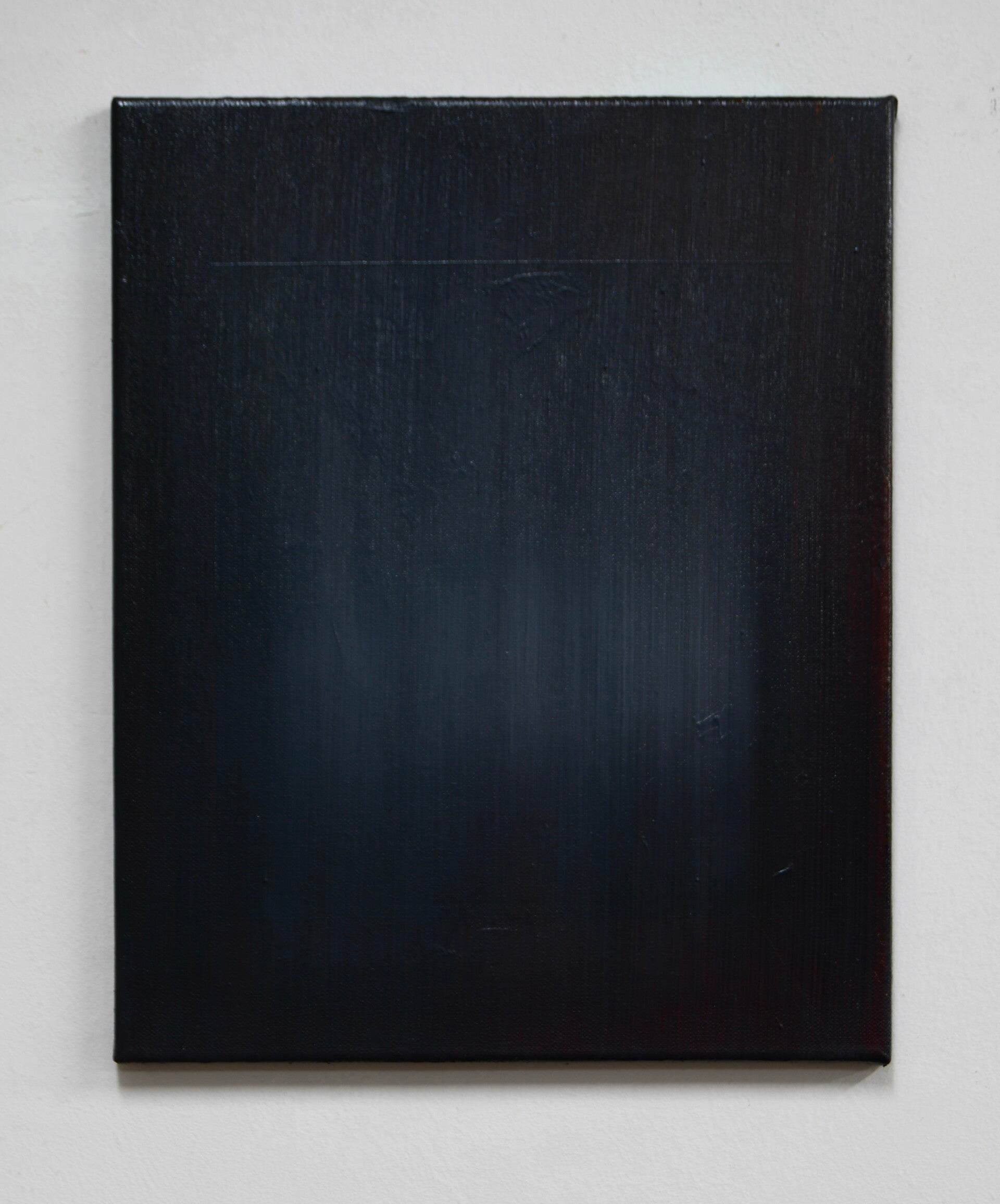
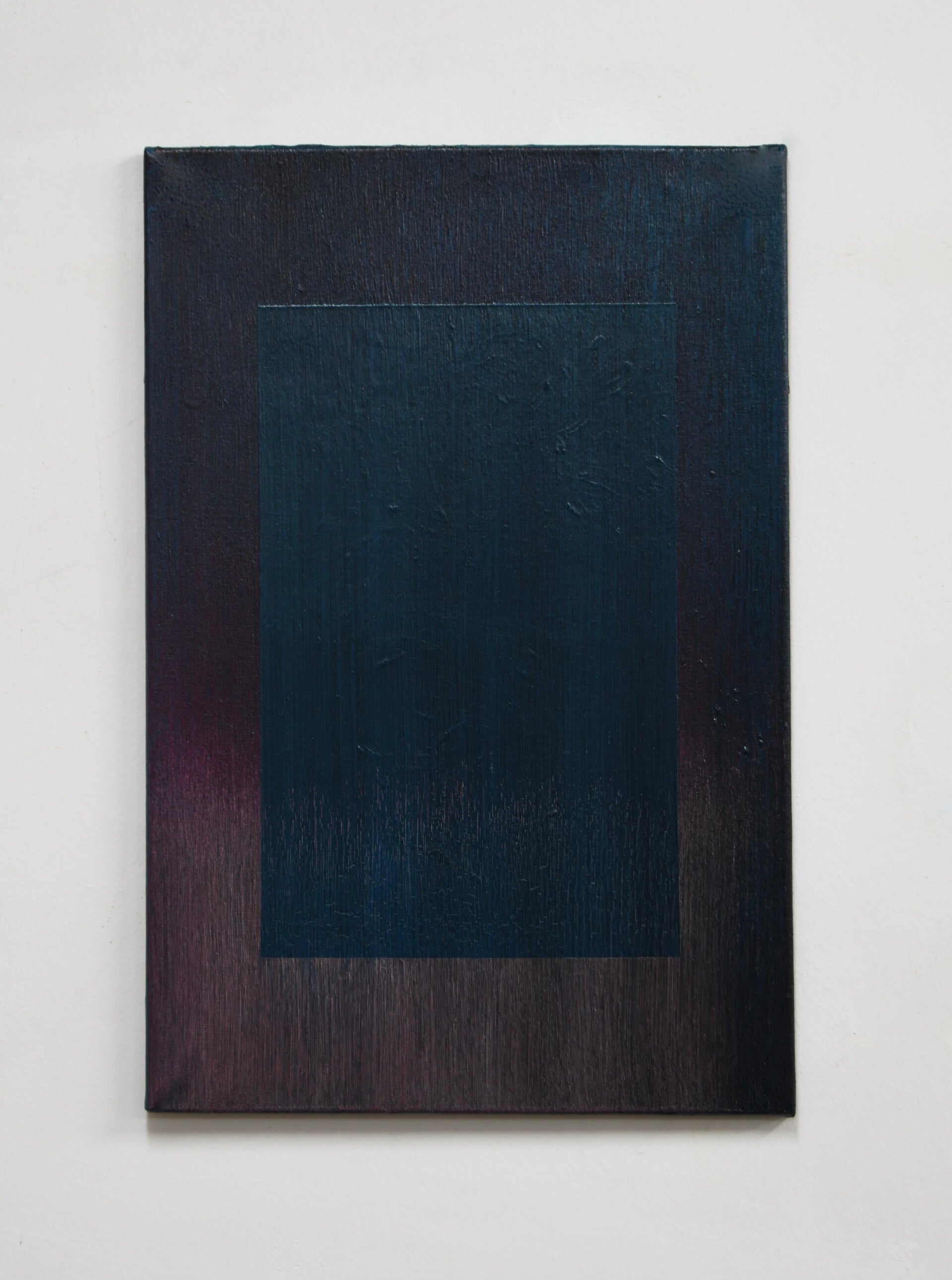
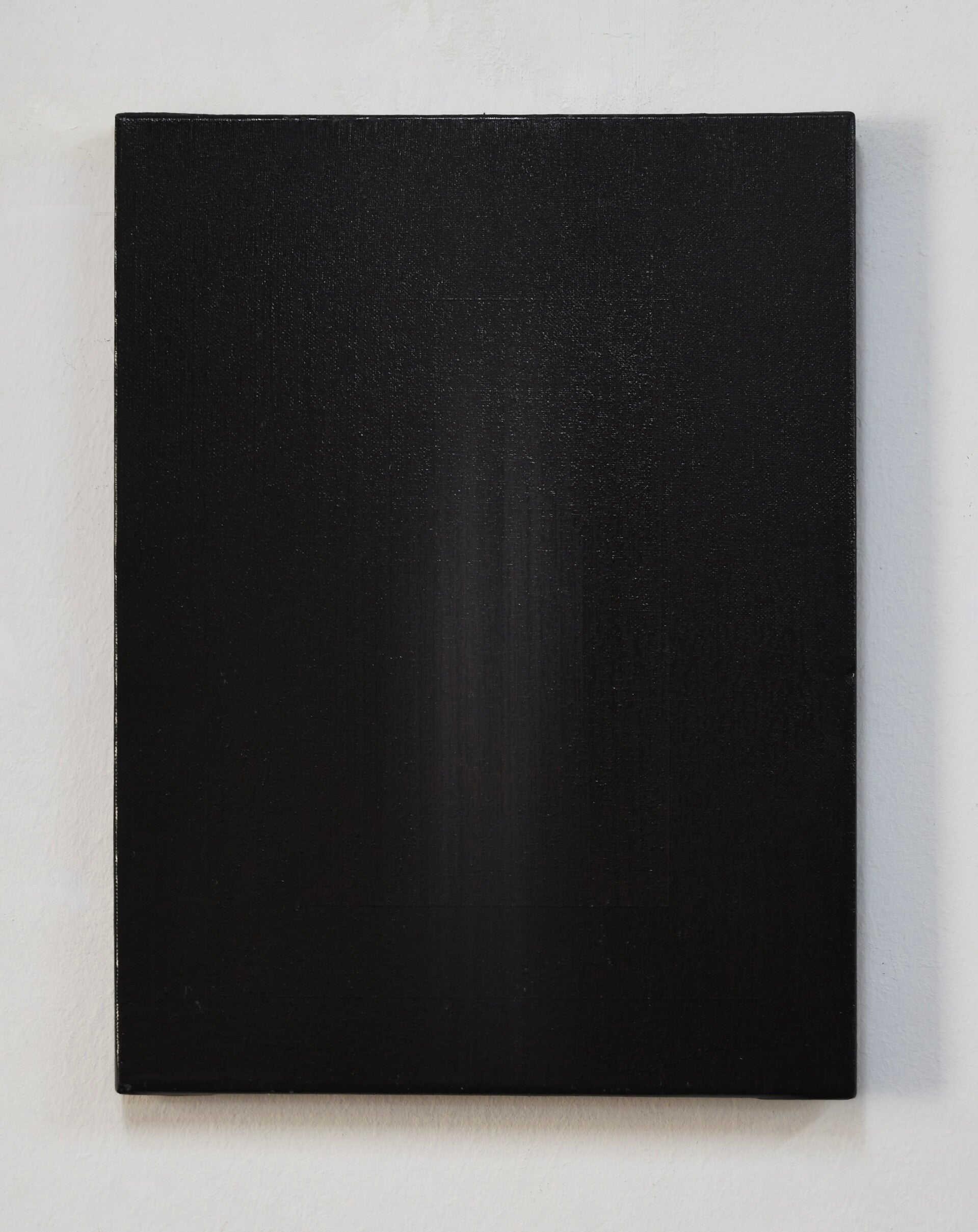
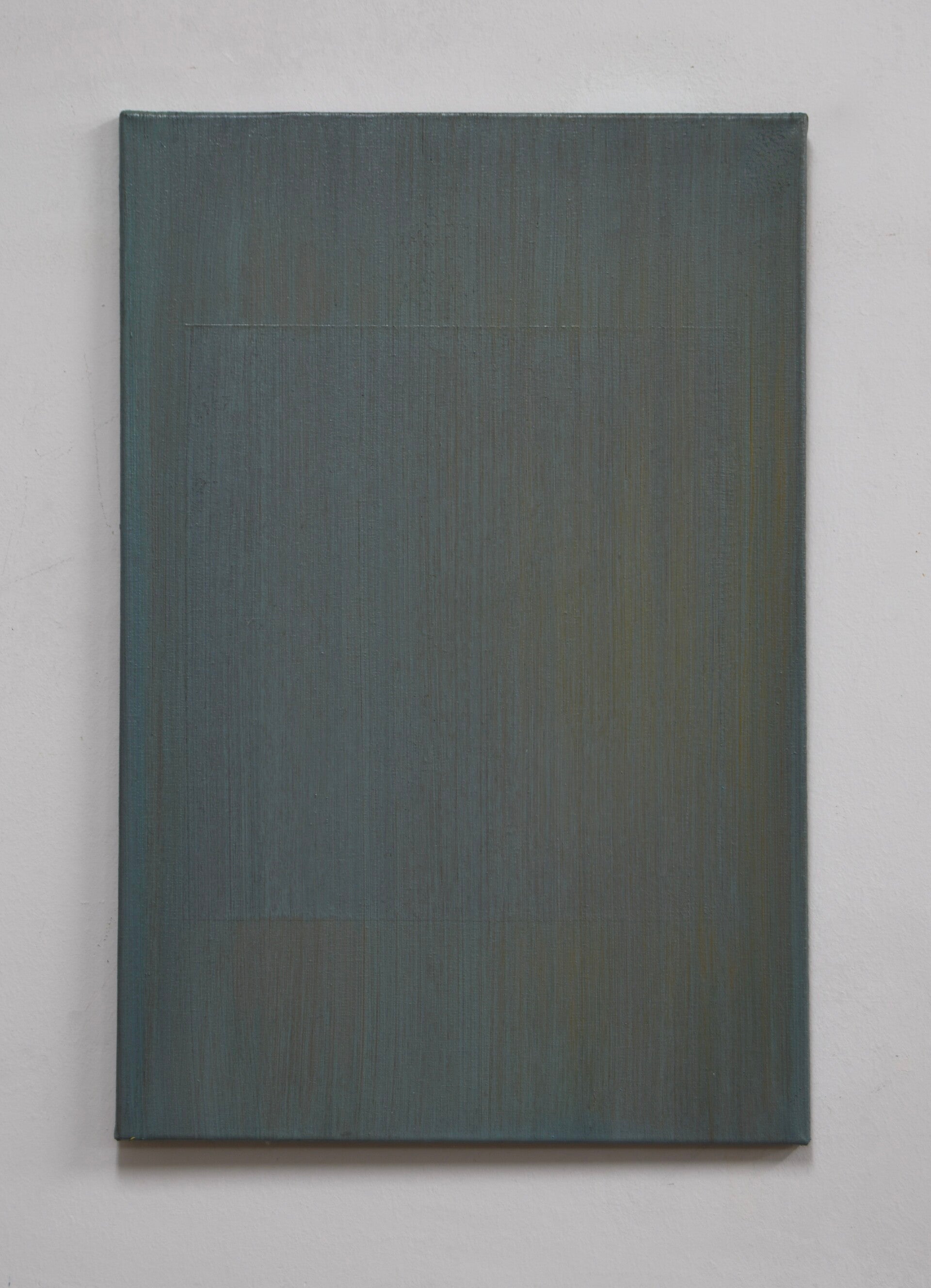
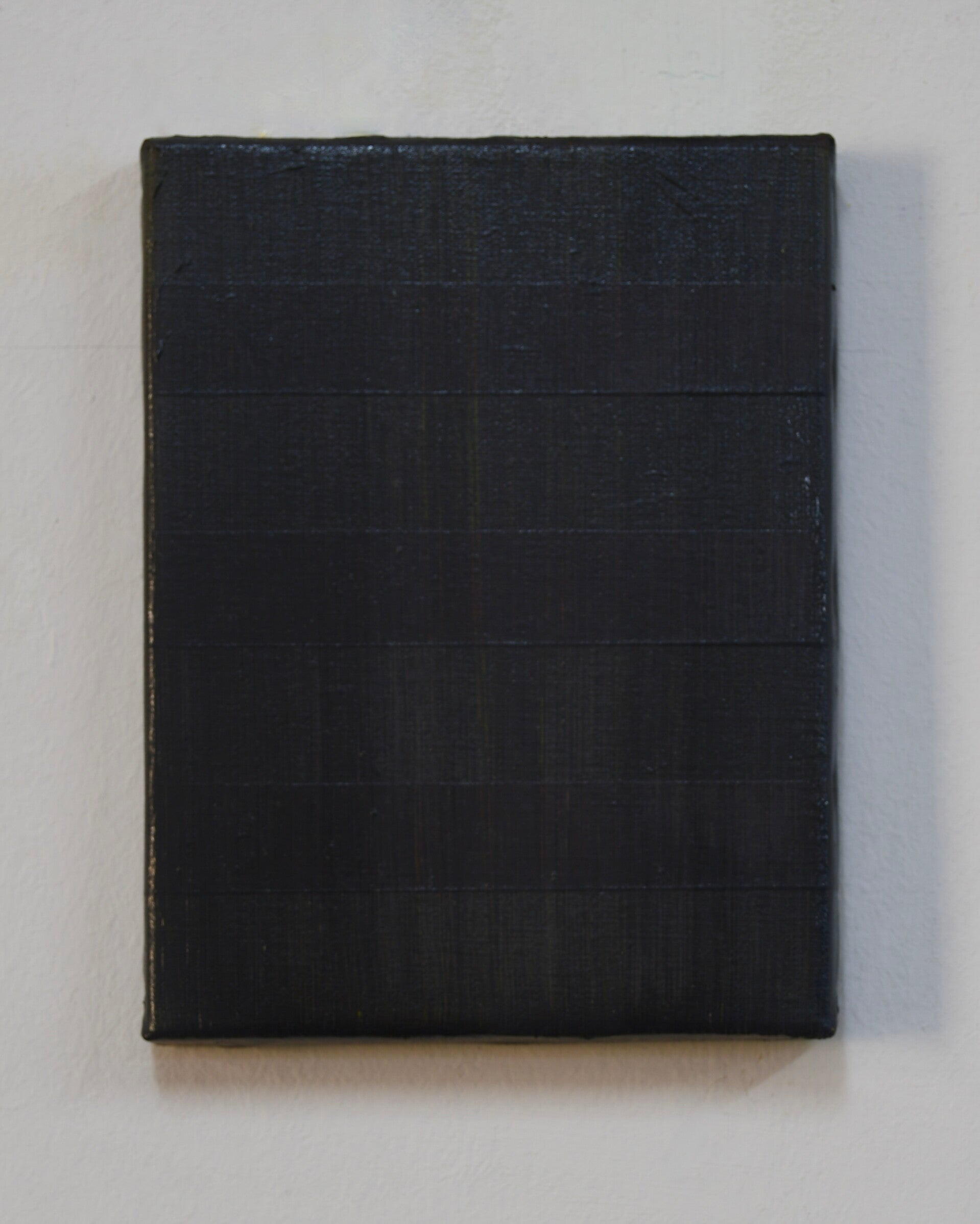
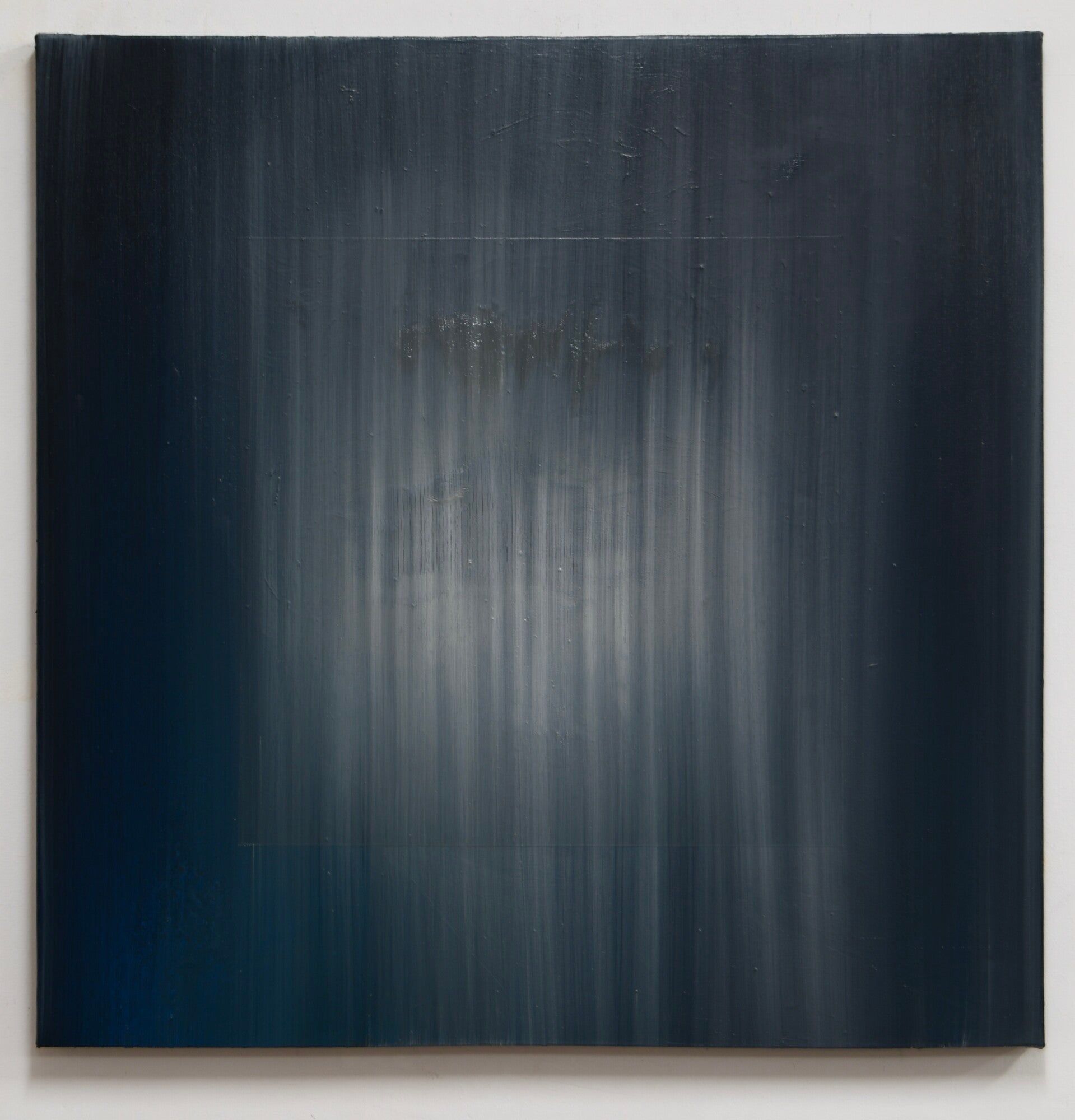
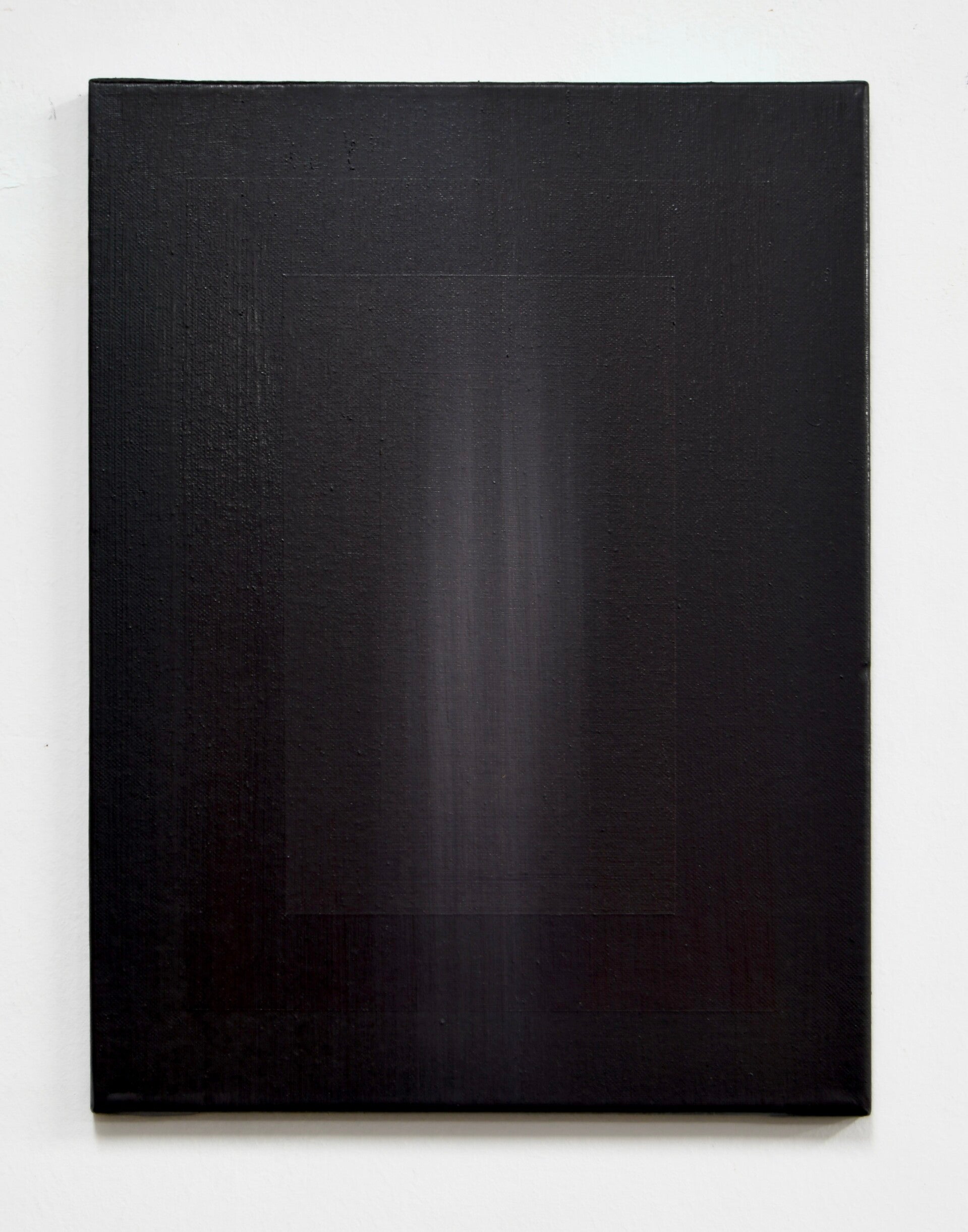
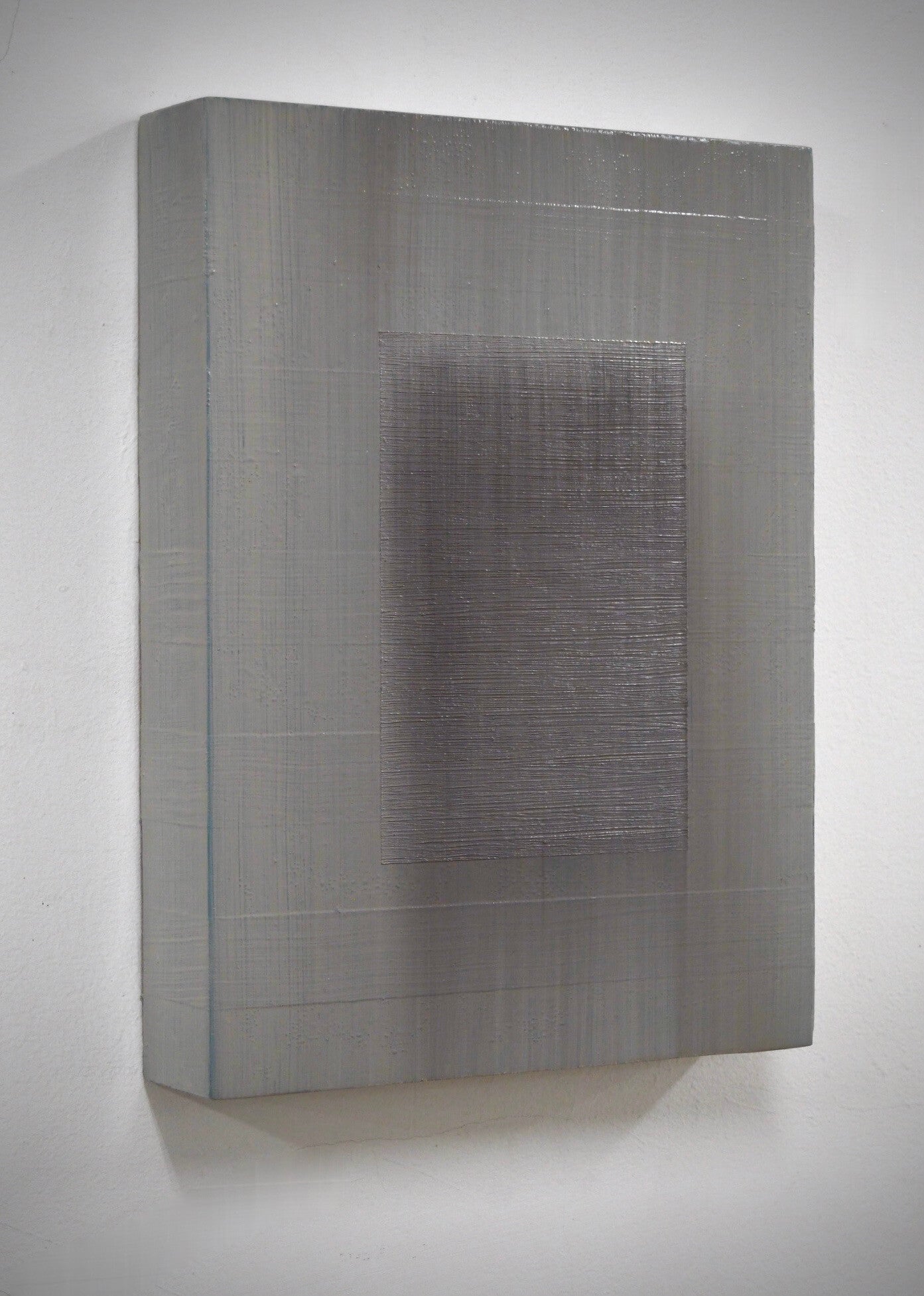
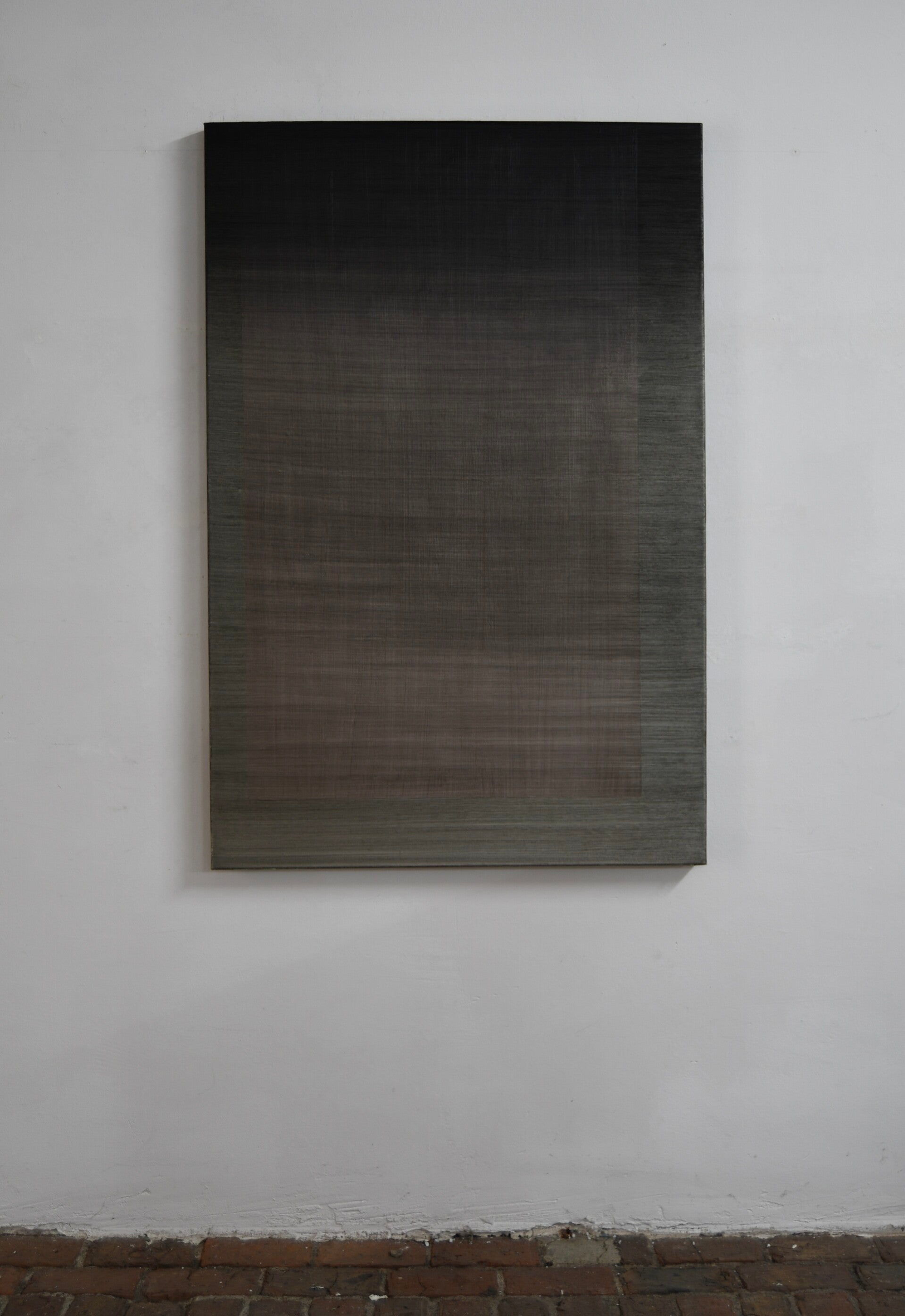
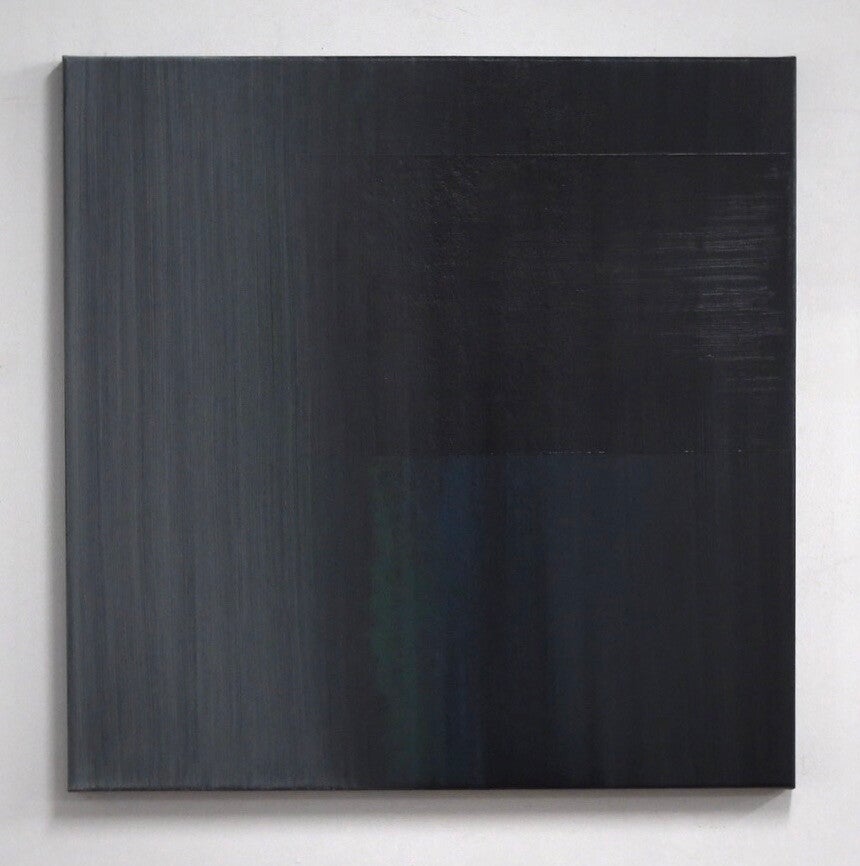
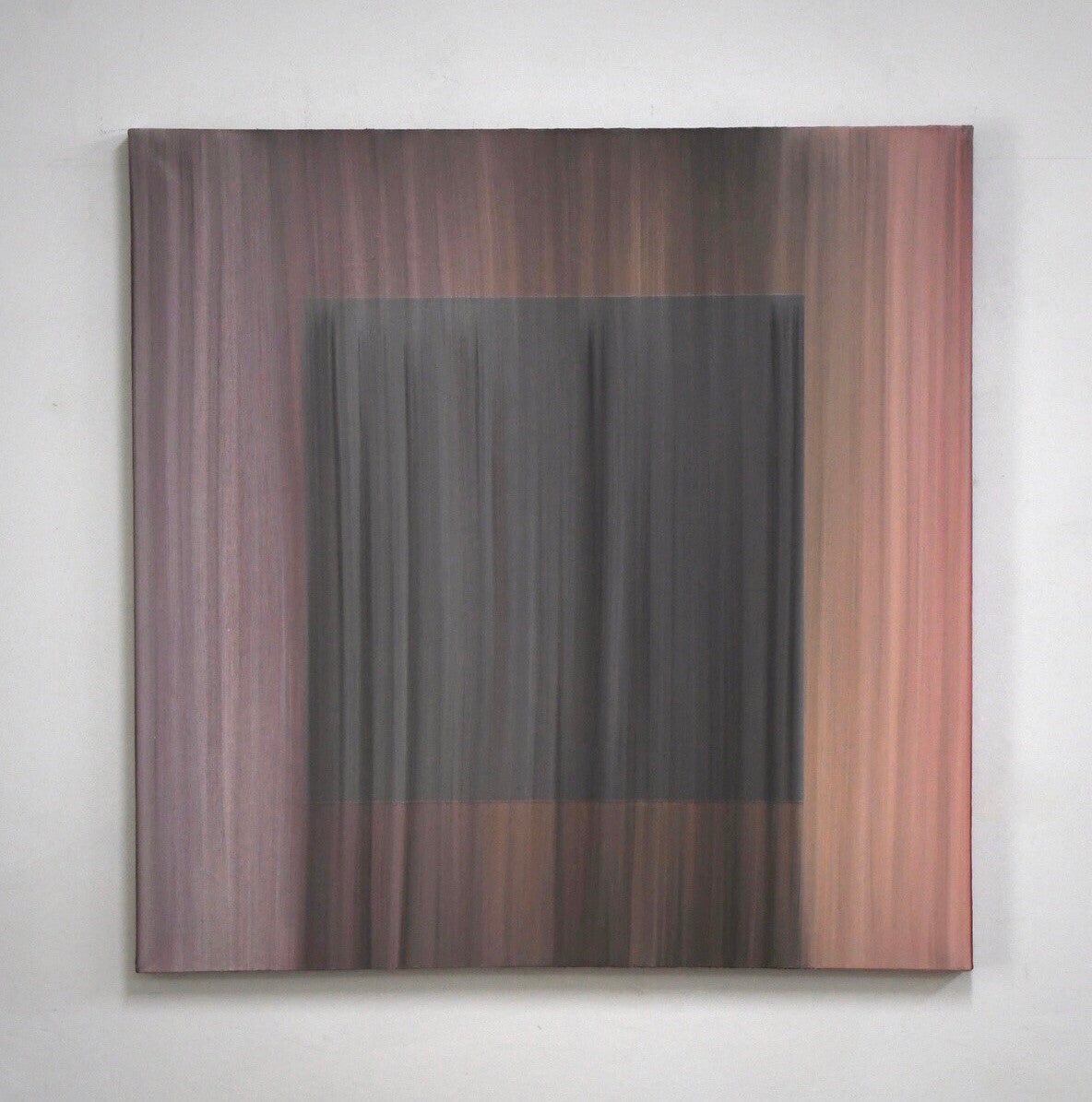
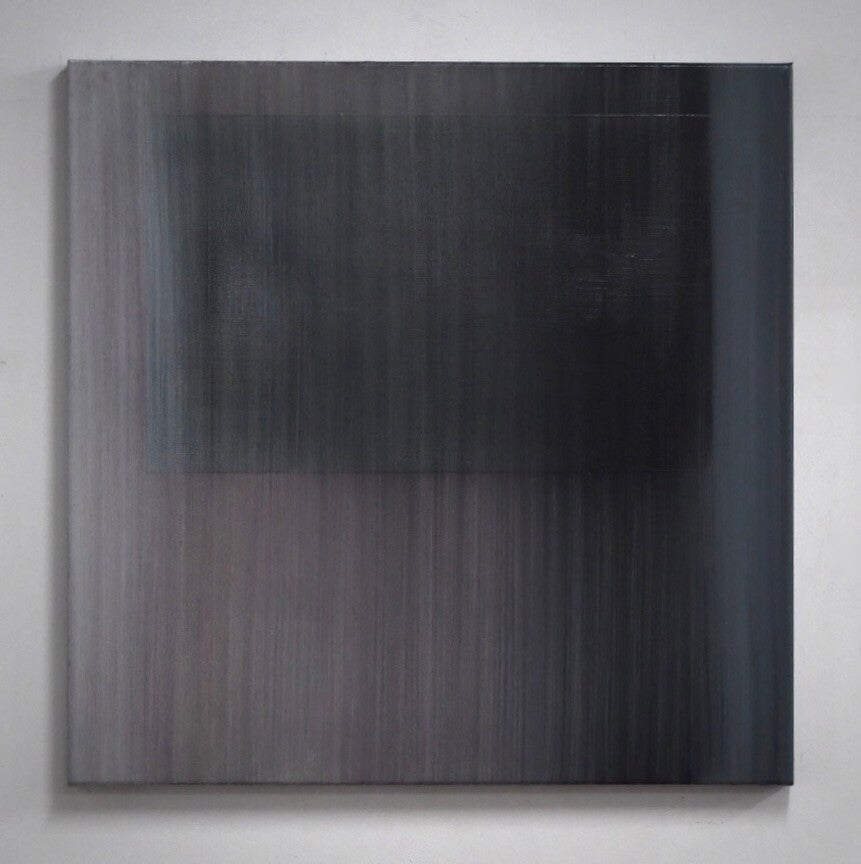
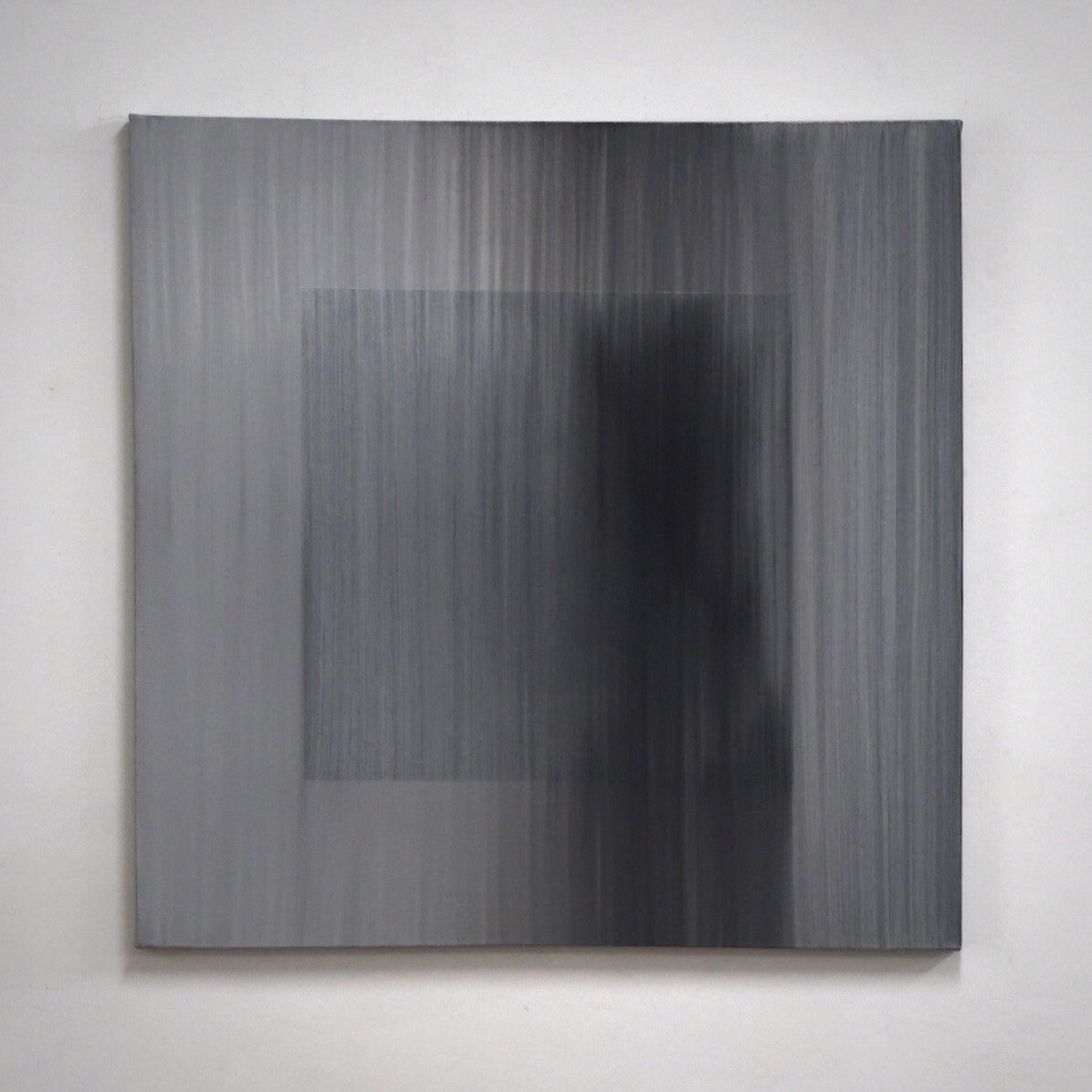
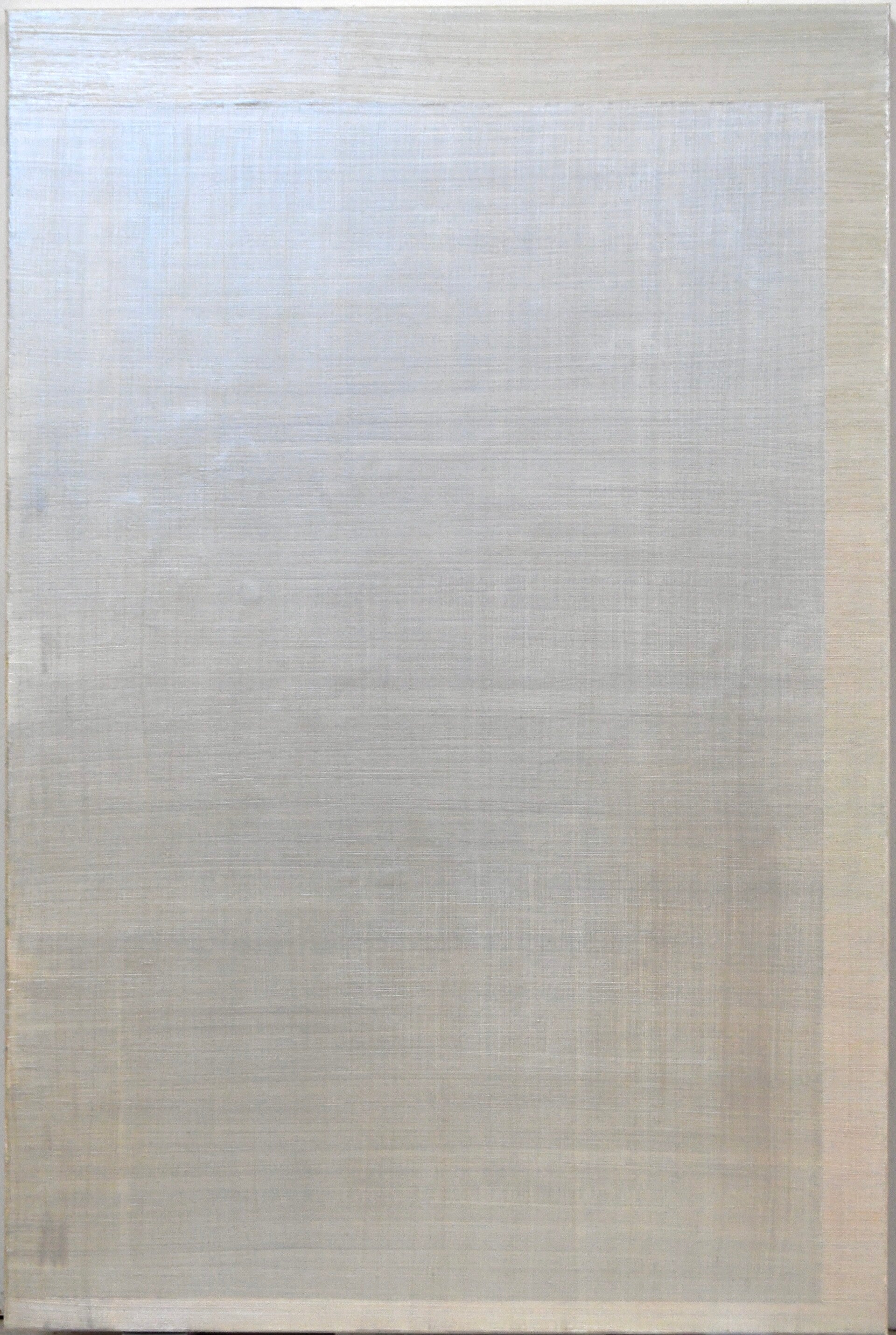
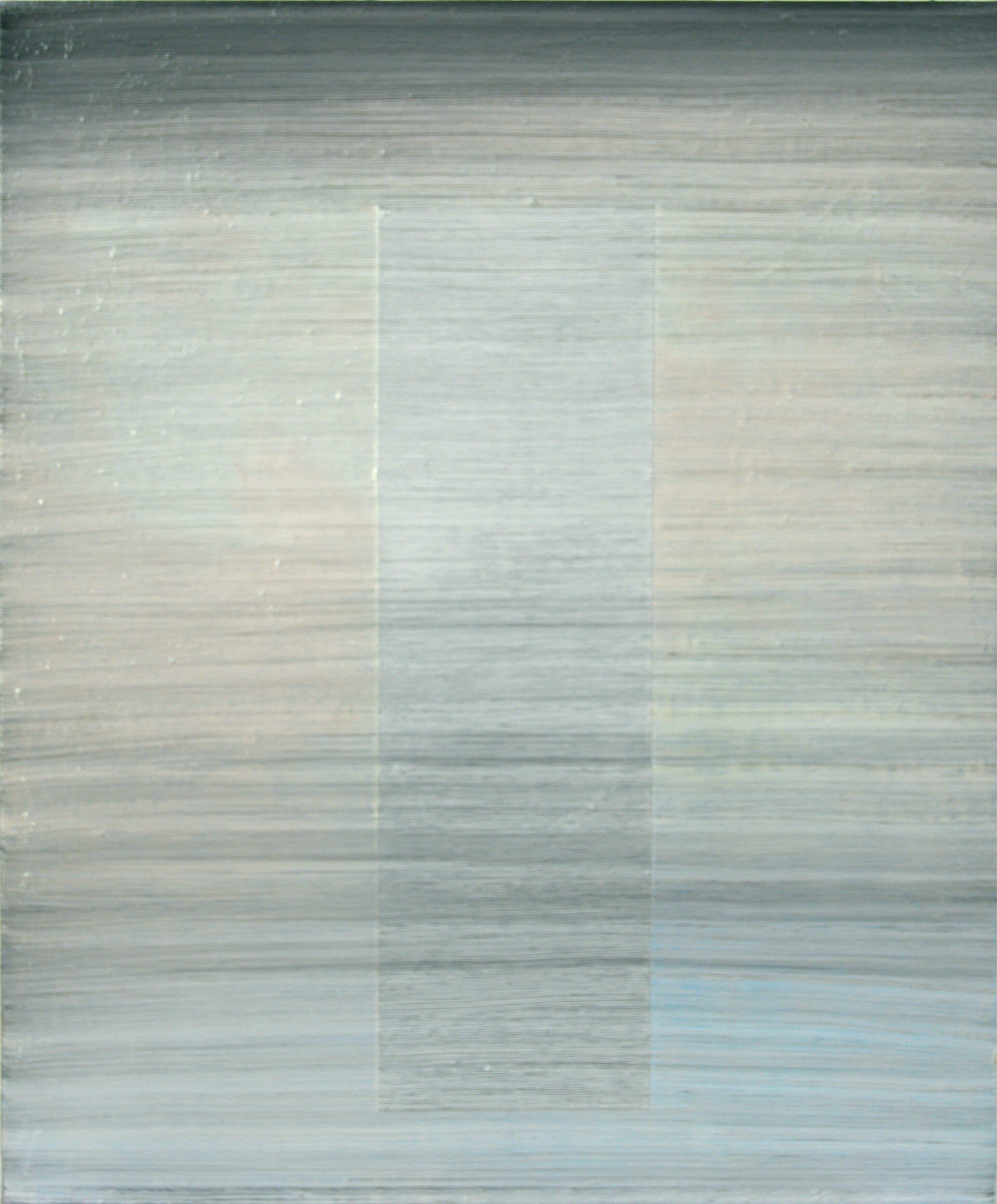
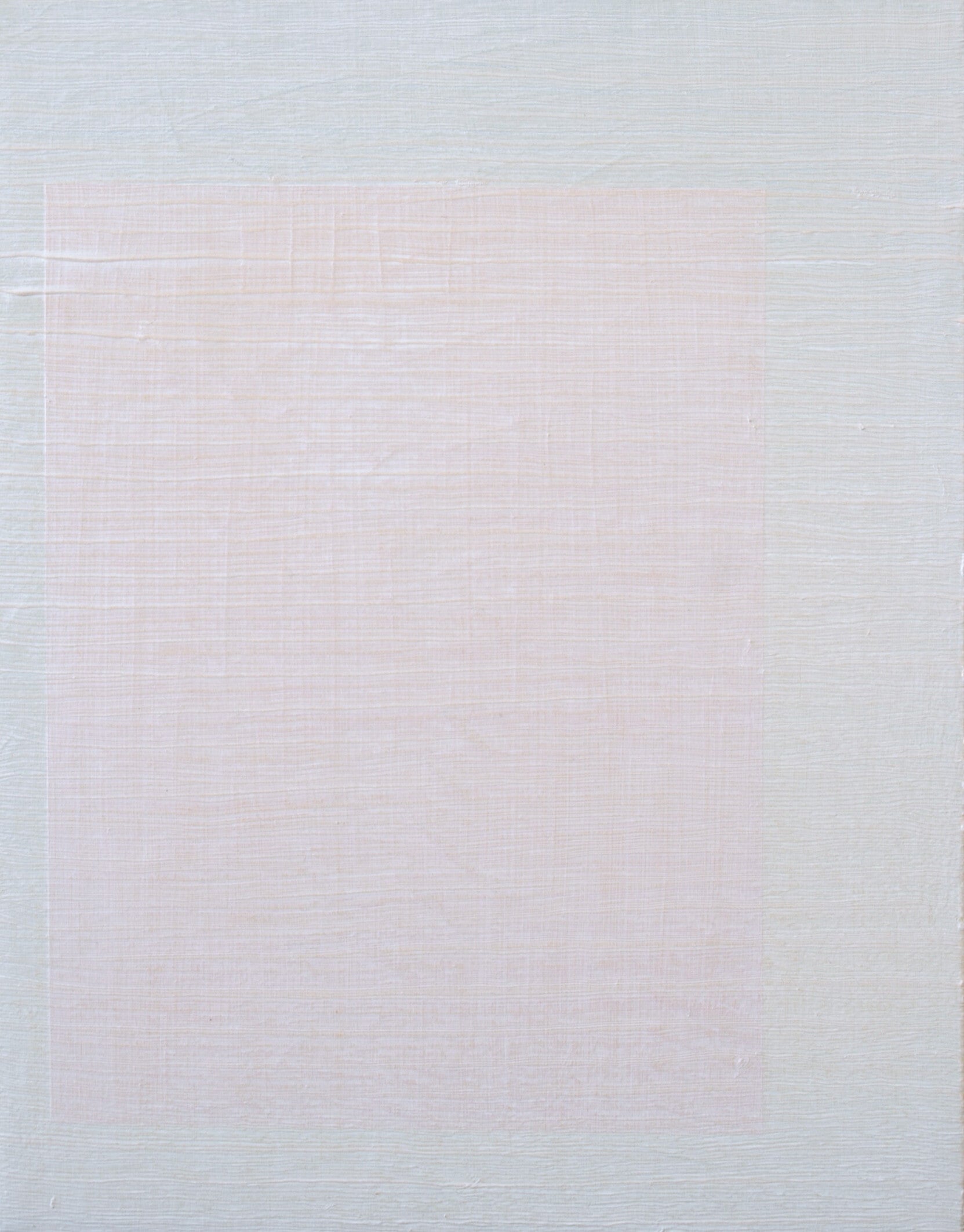
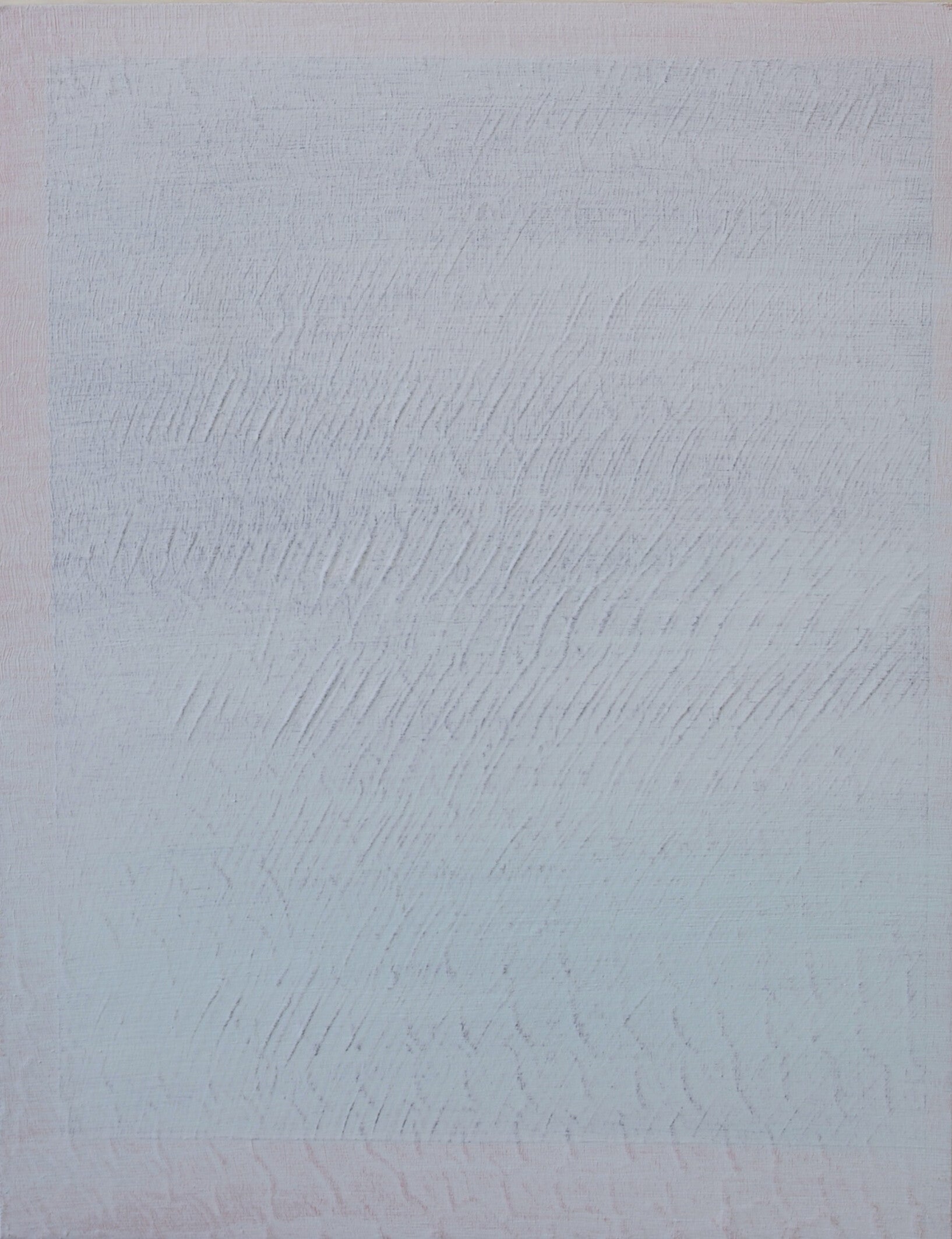
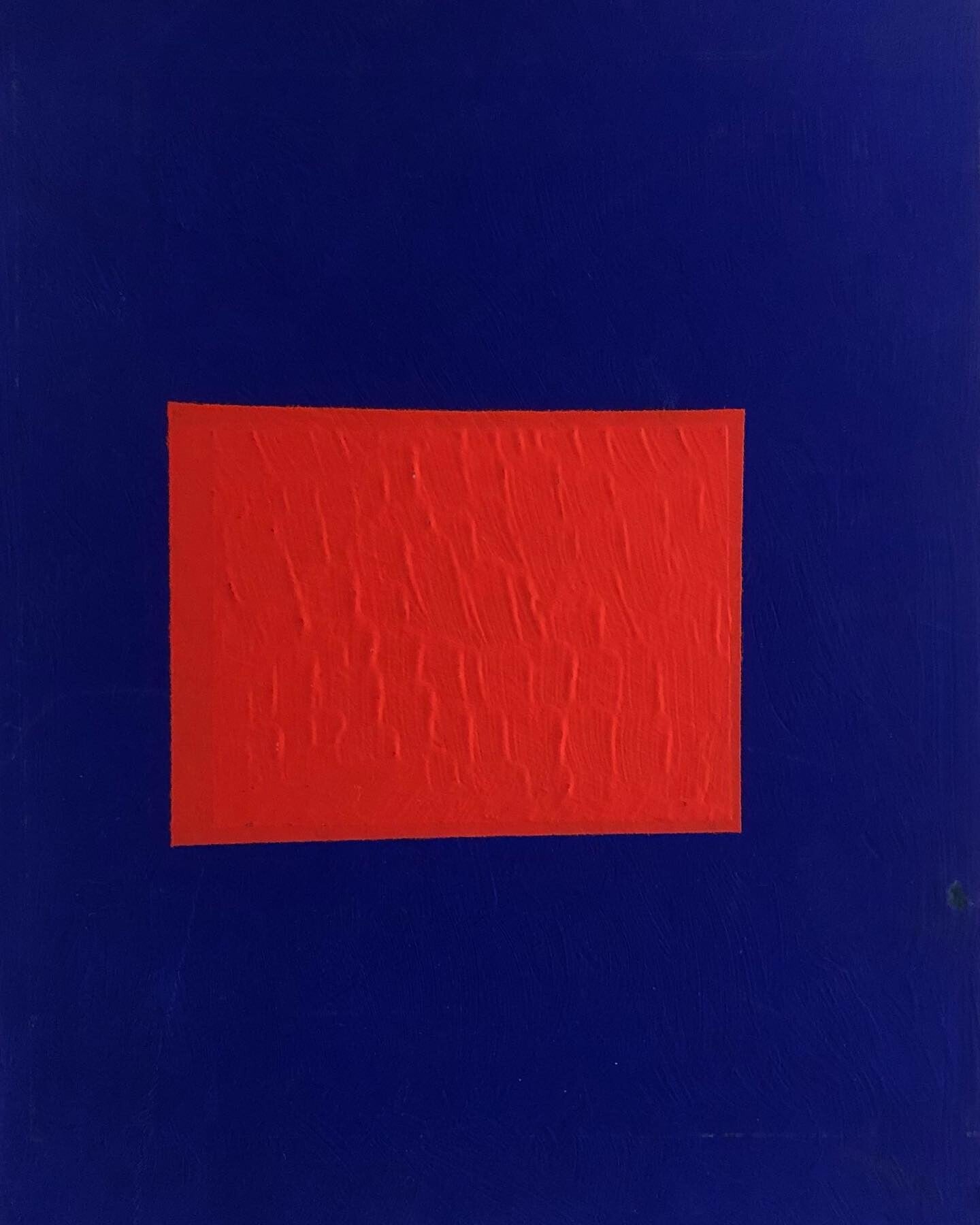
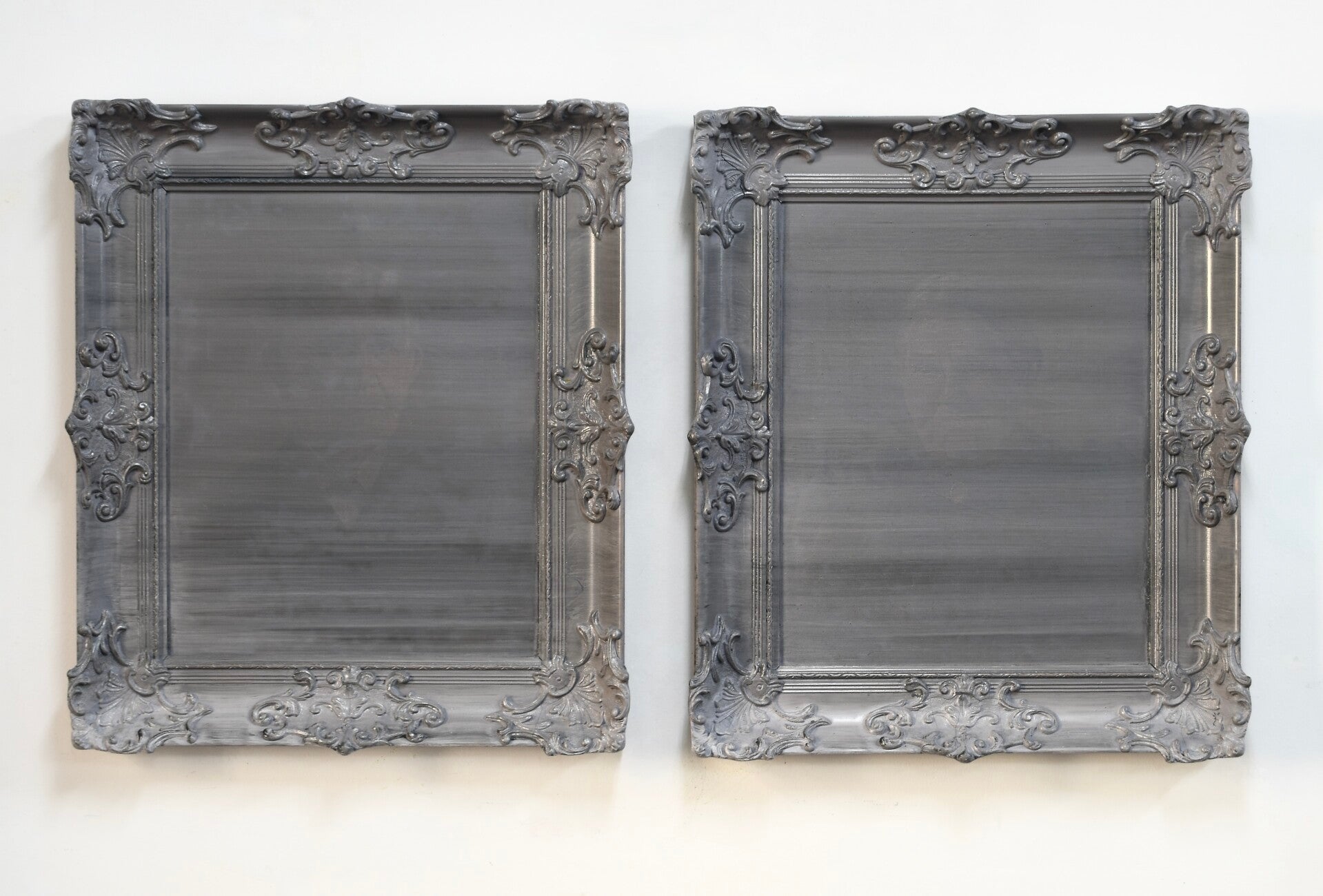
What interests me most is the resistance of visual subtraction, the ghost of what once was. For me, absence can be as powerful as presence. In an age overwhelmed by images, my works seek moments of silence, rupture and reflection. Each piece becomes a meditation on perception, knowledge and denial.




































Appropriations
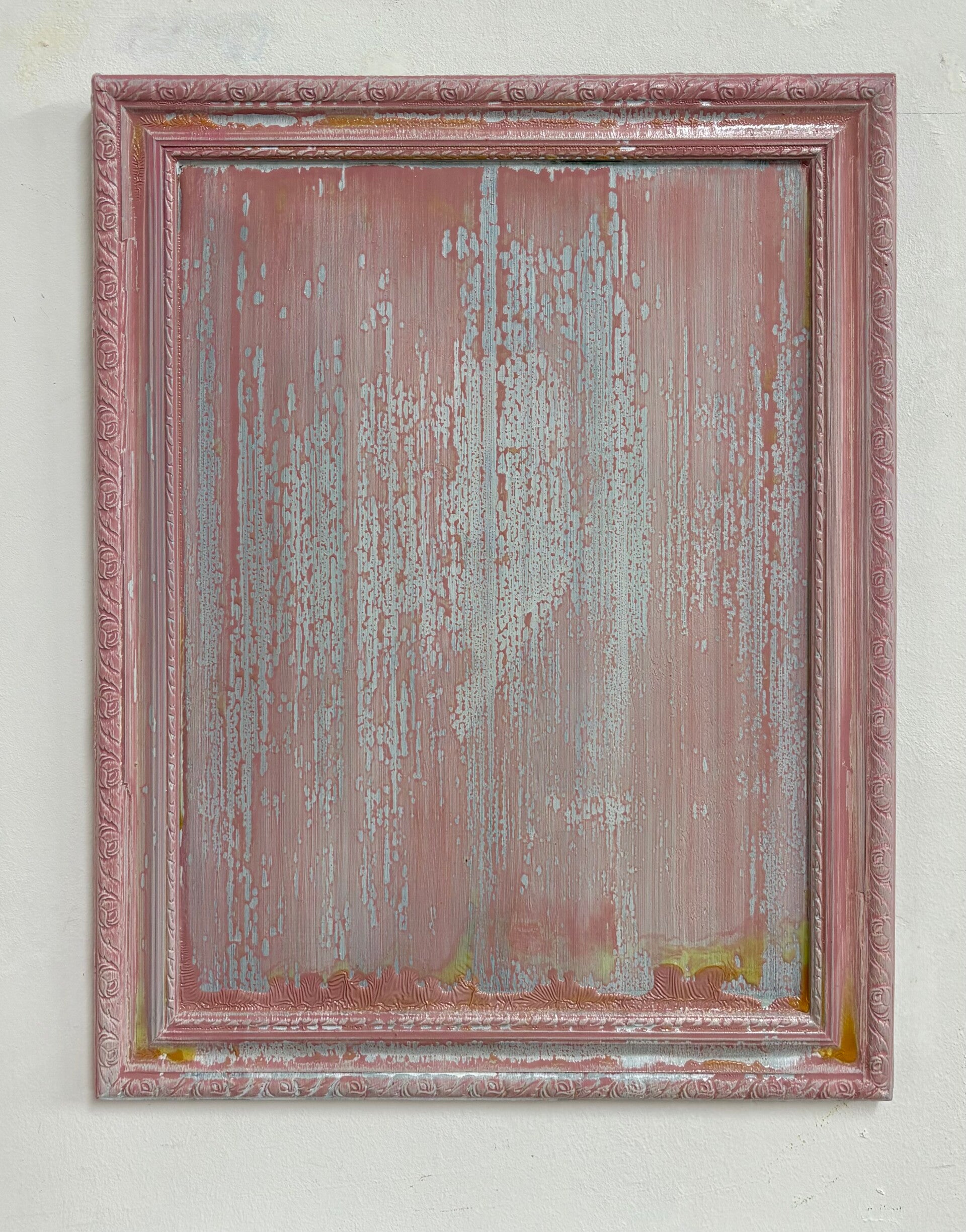
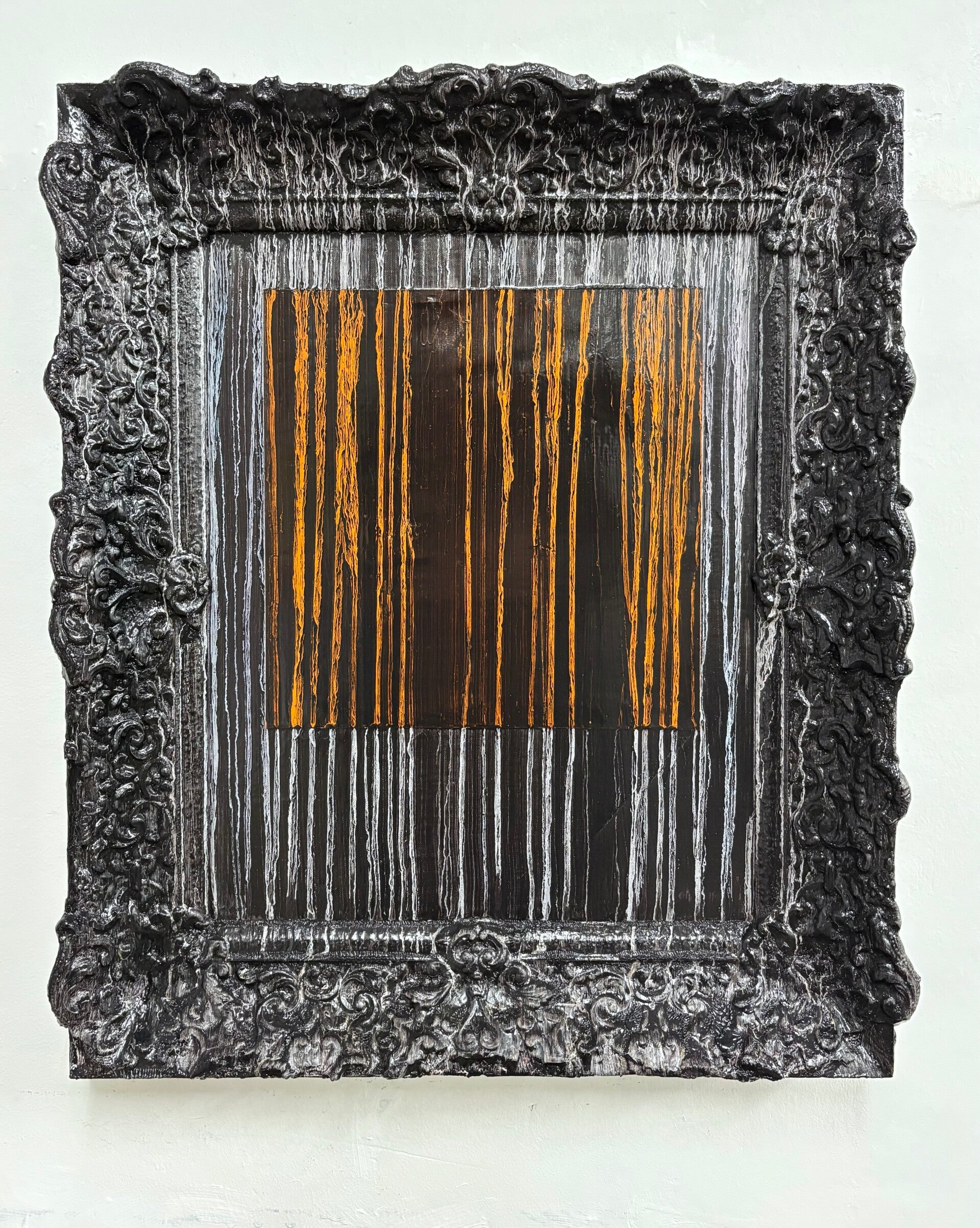
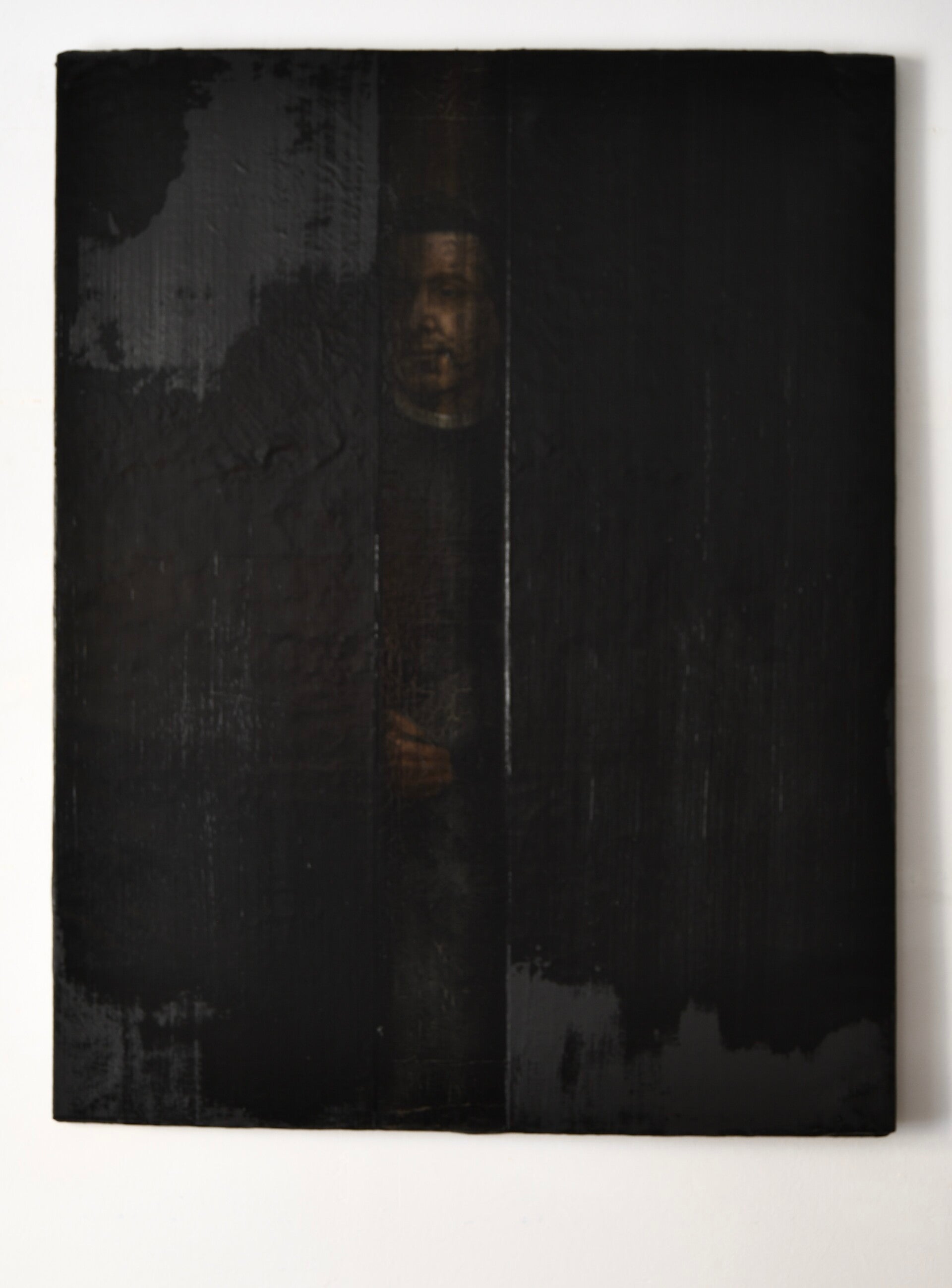
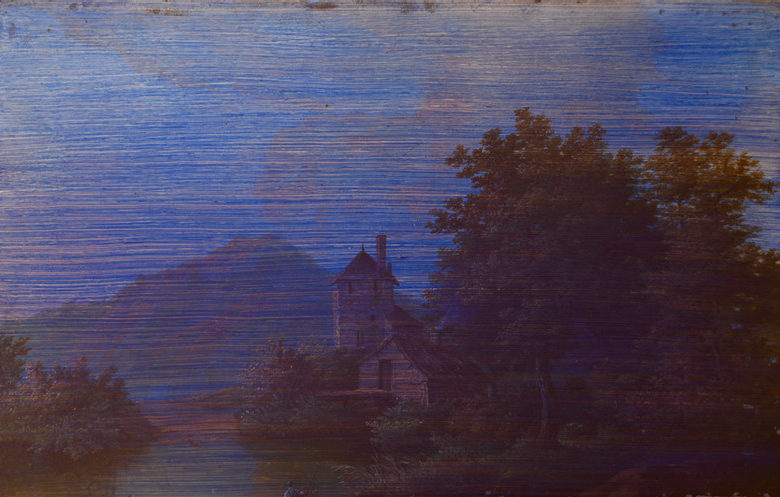
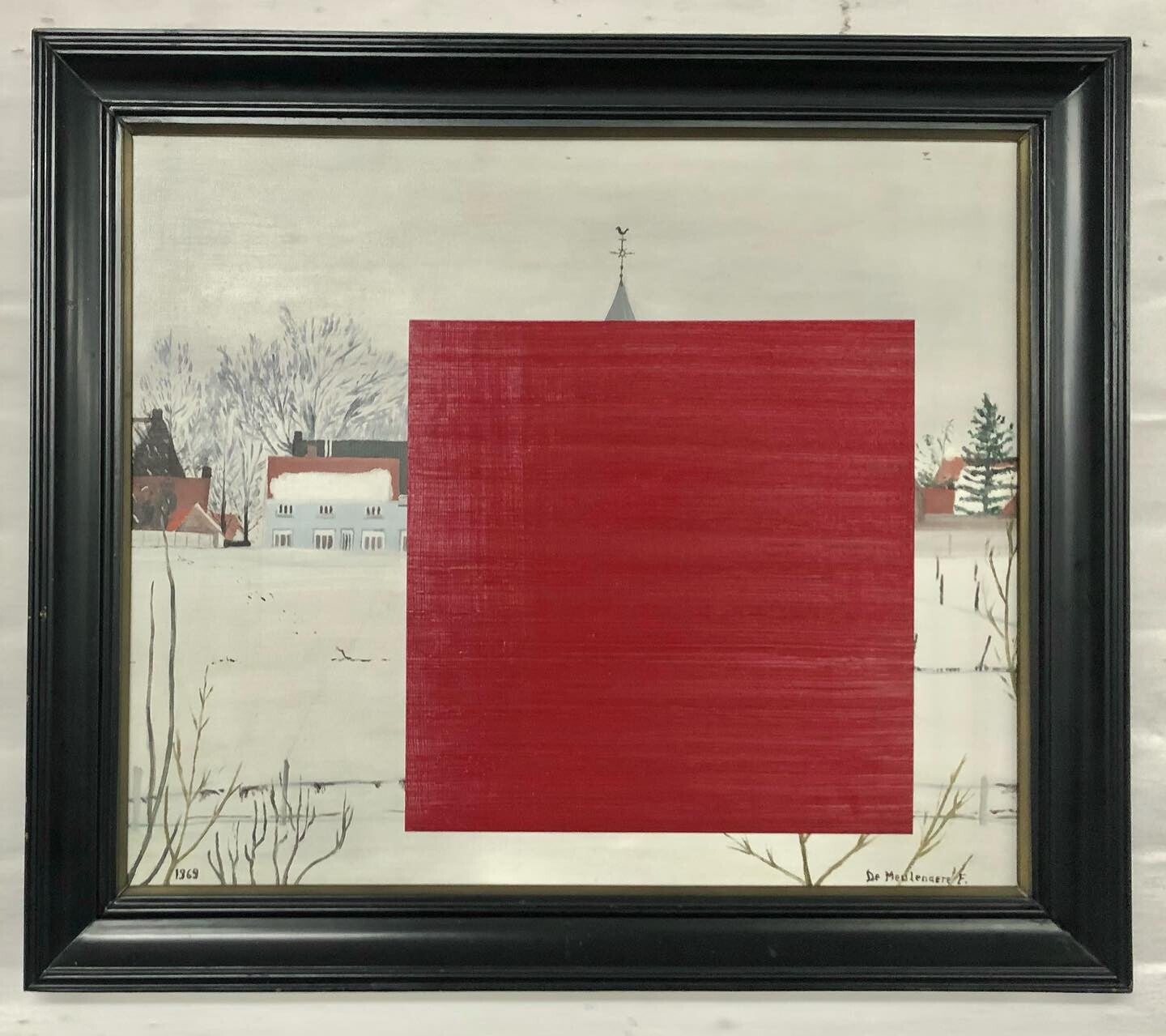
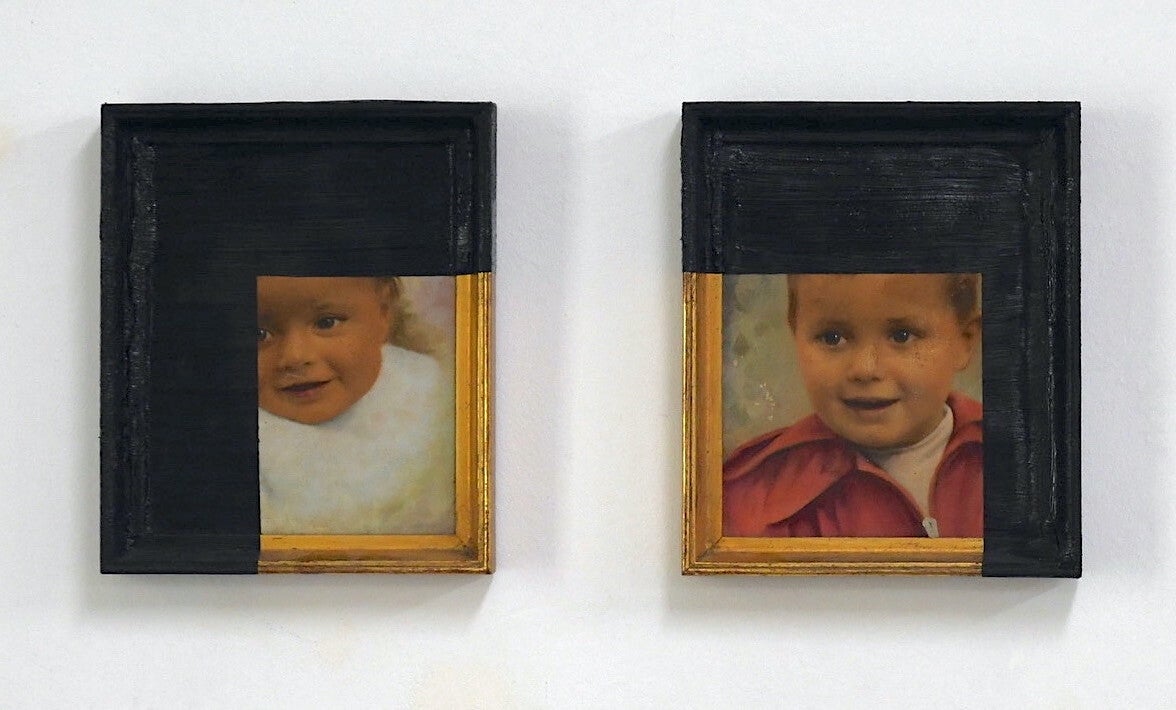
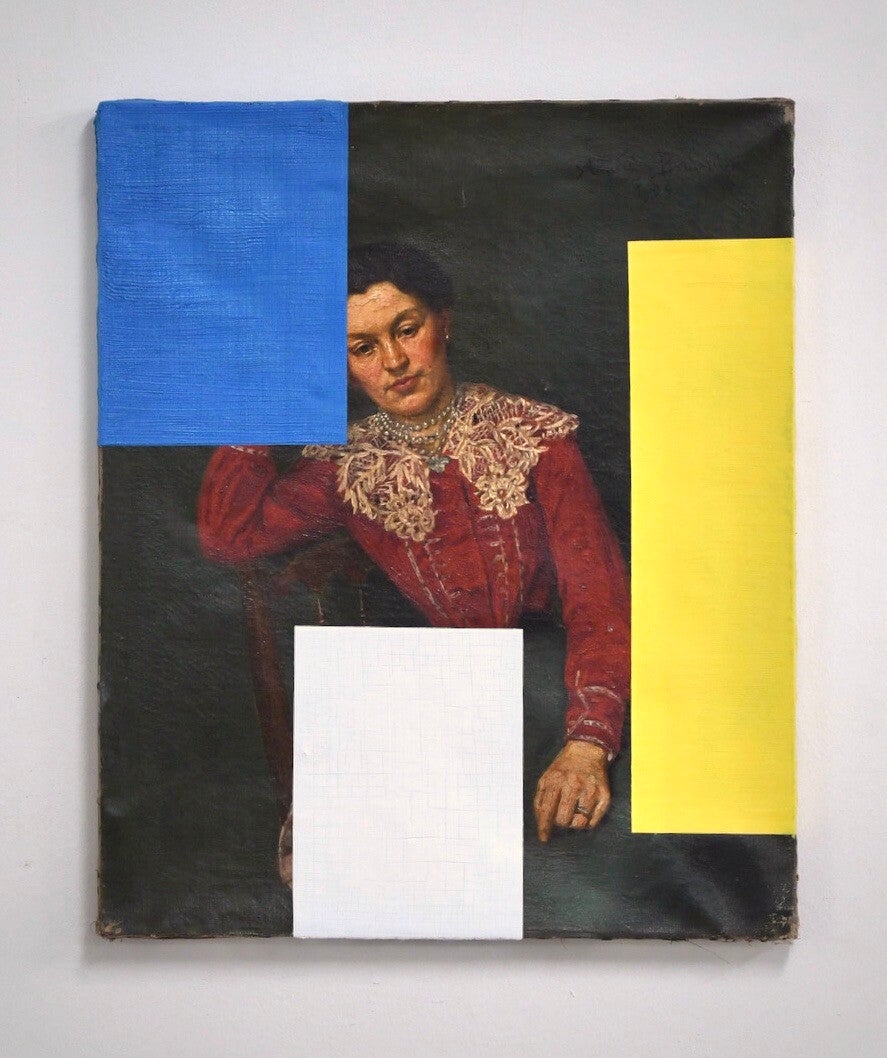
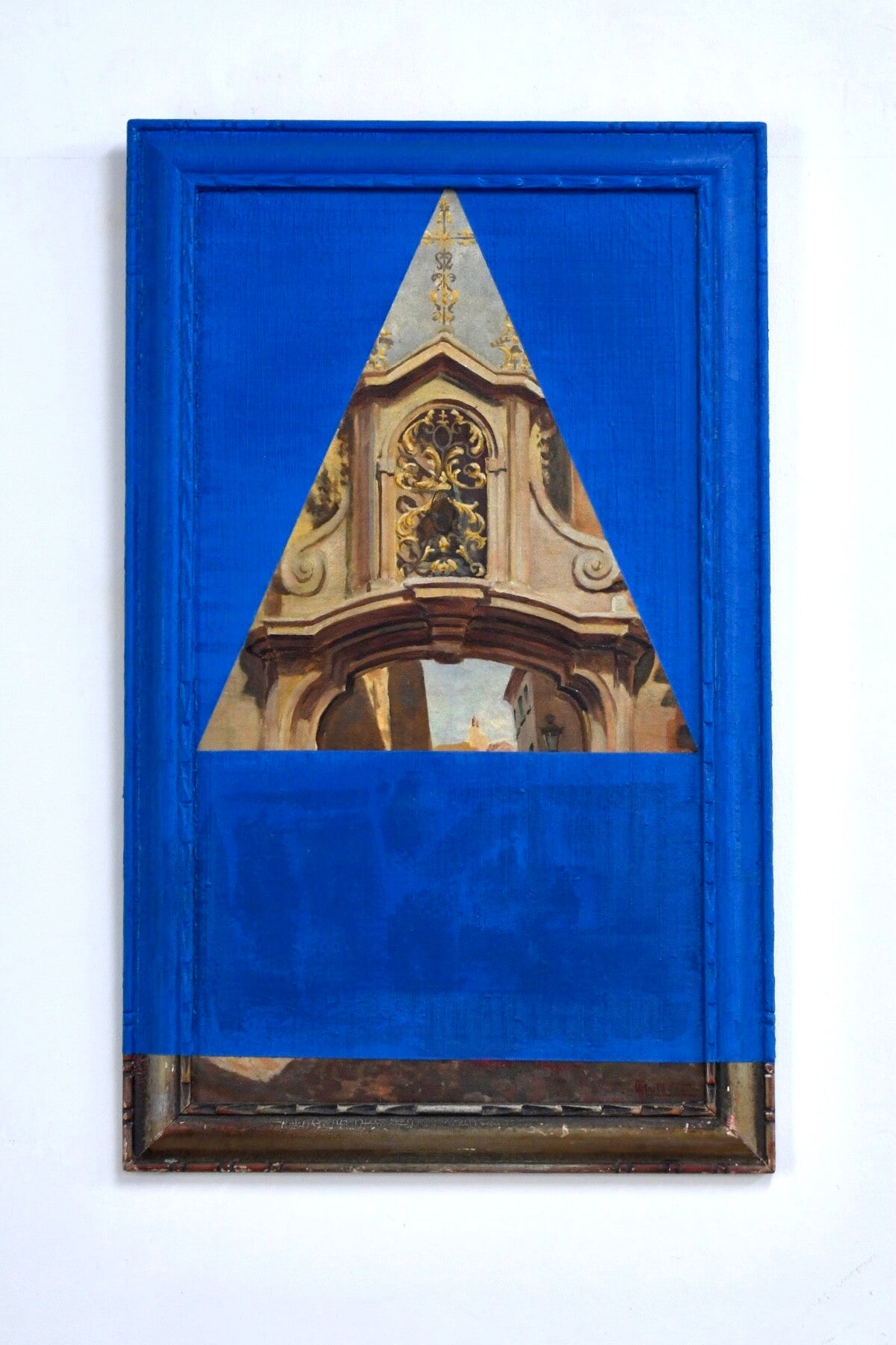
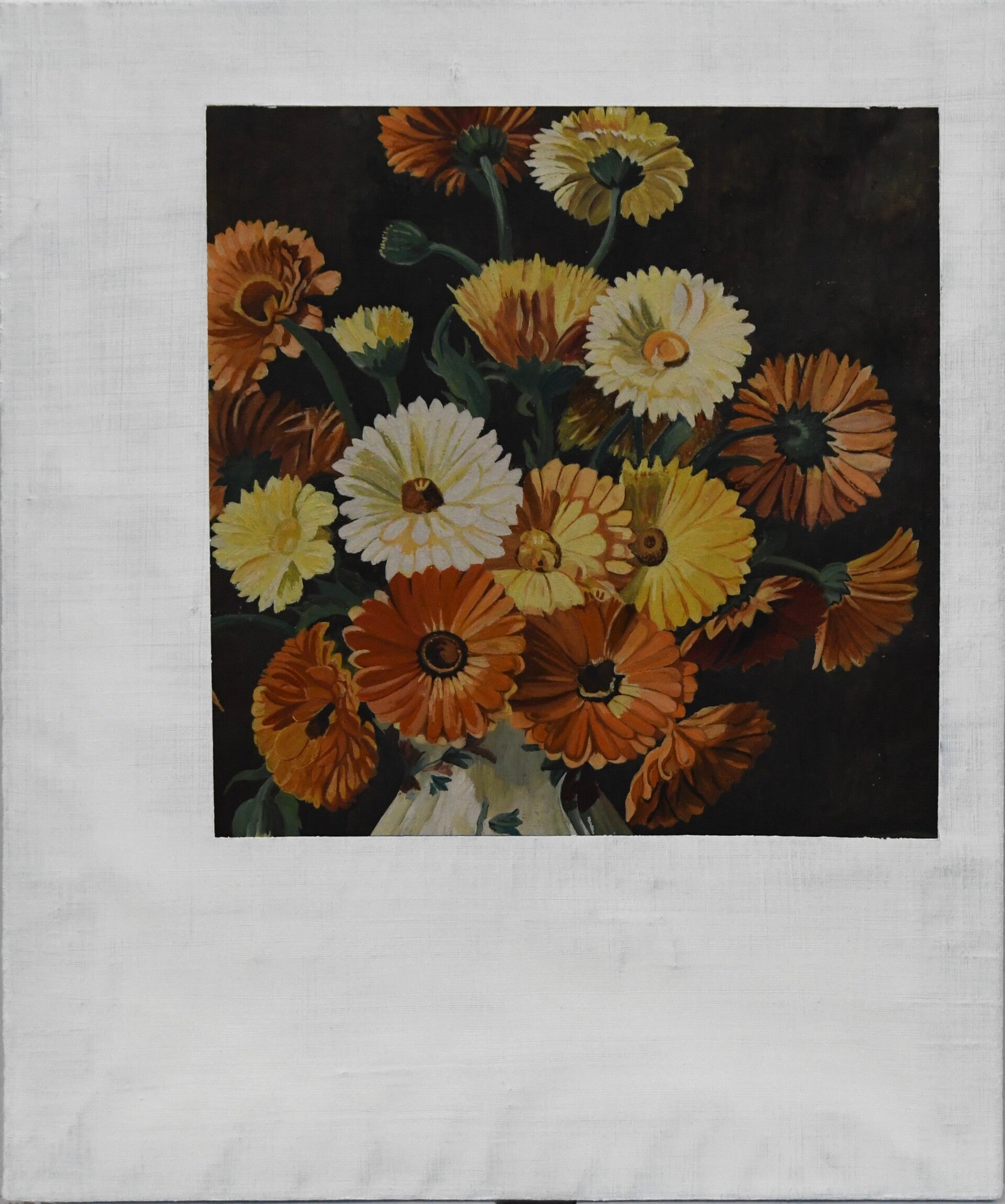
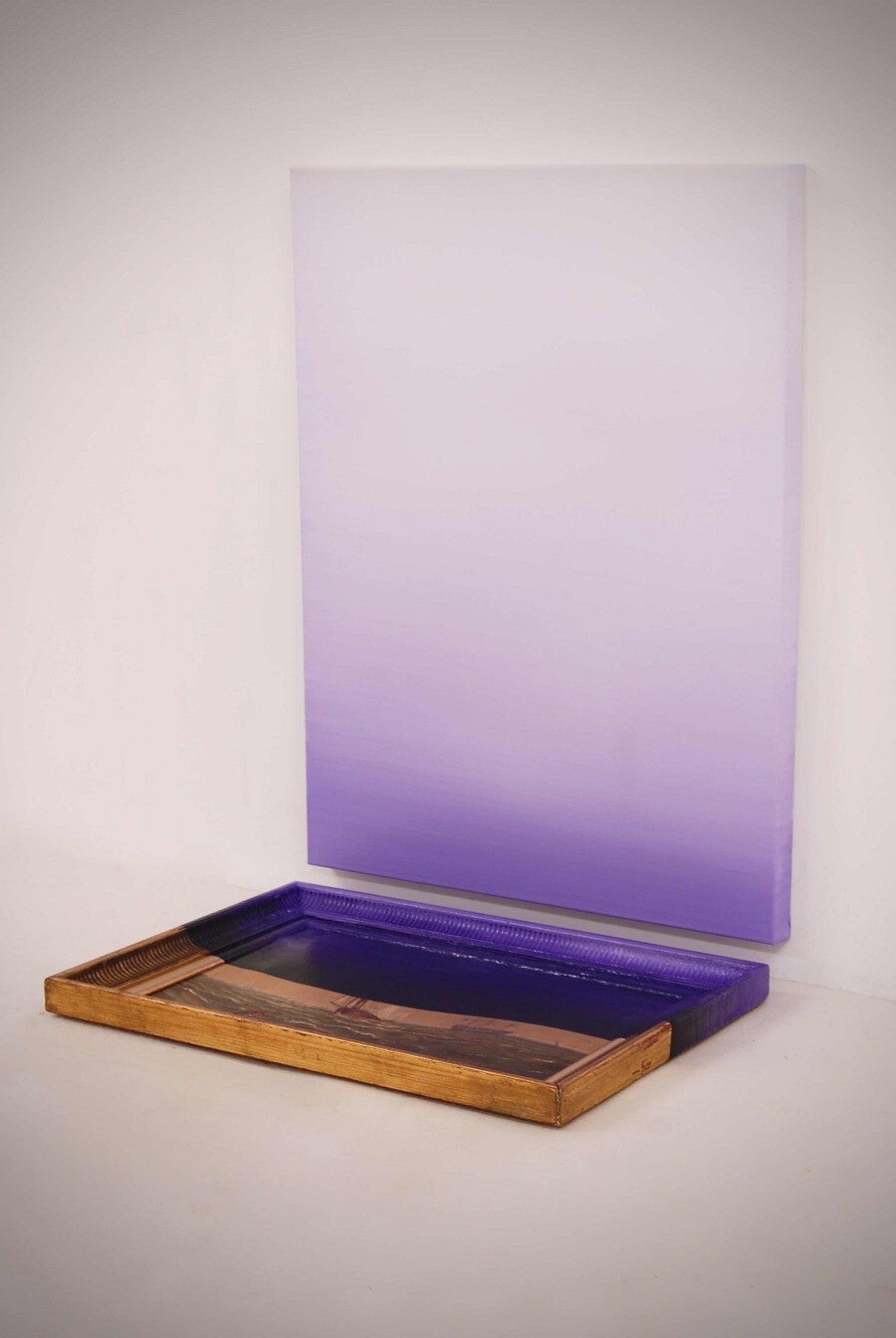
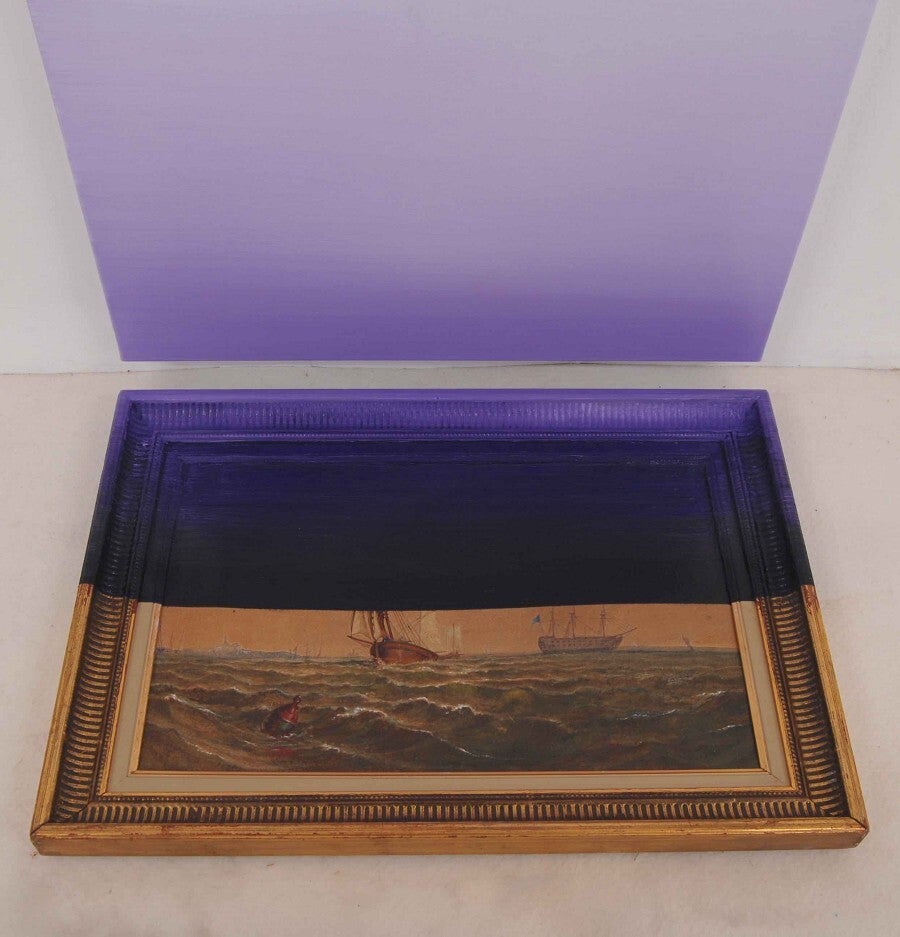
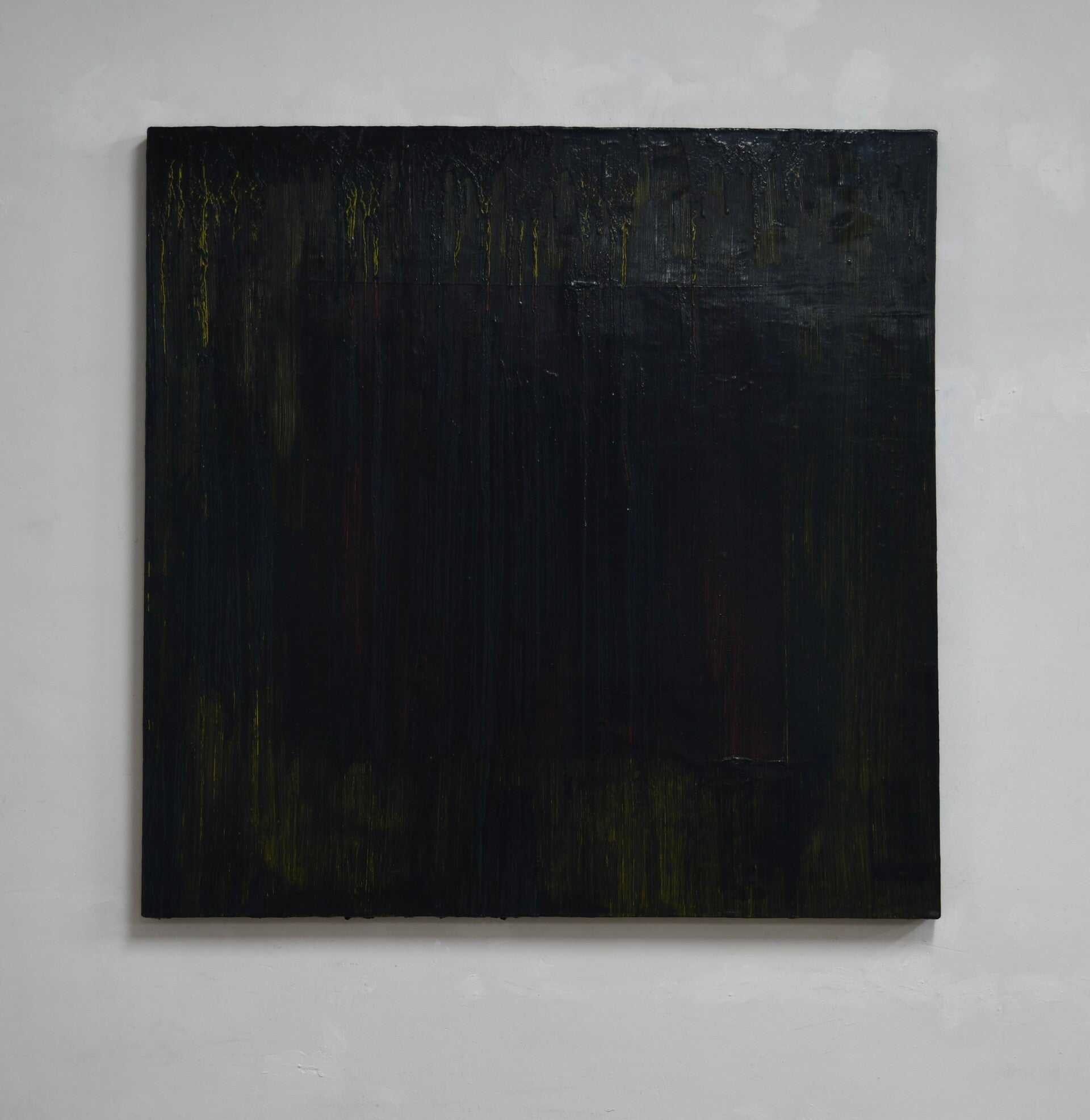
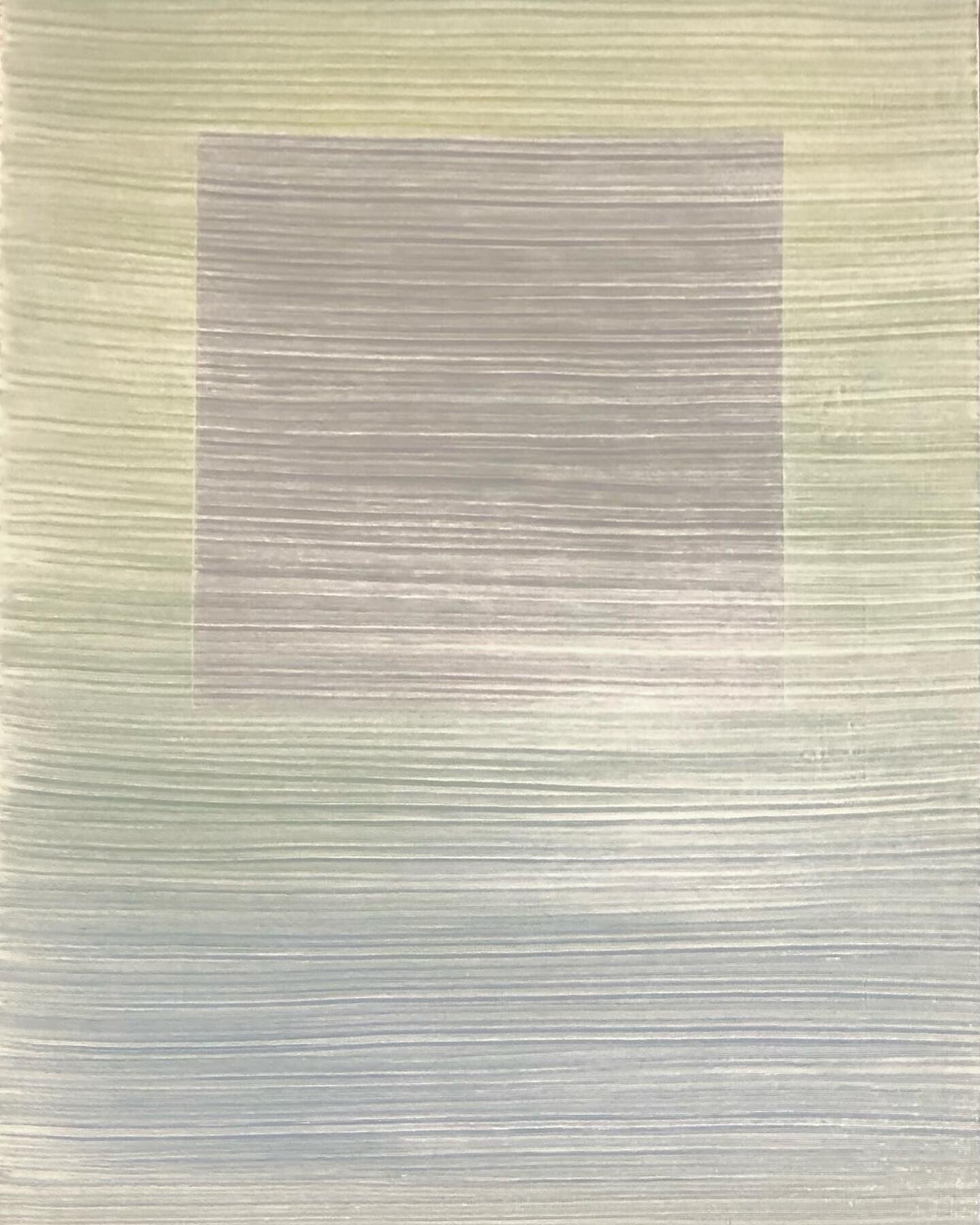
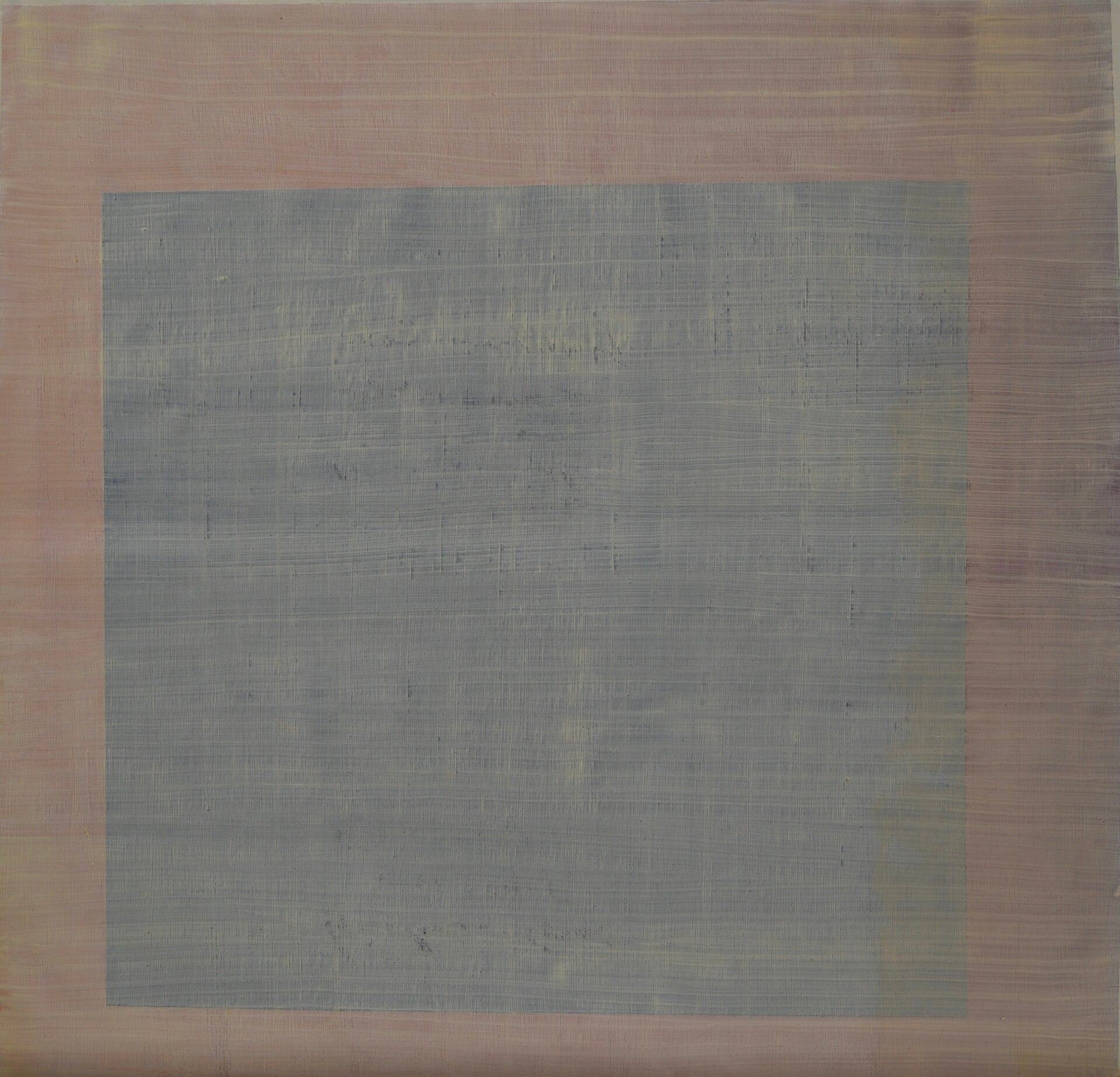
I approach found artworks as palimpsests — surfaces where new gestures overwrite, converse with or contest earlier ones. The covered or hidden areas reclaim the centre stage, embodying a poetics of loss, longing, and the dissolution of visual integrity. The dialogue between two artists, separated by time and context, creates a hybrid composition where what is missing holds equal significance to what remains.
With these actions on existing works of art, I try to establish a dialectical relationship with them, even if it is unbalanced. This irrevocable action could be seen as a metaphor for the supremacy of the owner over the owned. The found painting thus becomes a palimpsest or a forced partner, simultaneously highlighted and erased.